
Arctic foxes, known scientifically as Vulpes lagopus, are fascinating creatures that thrive in the harsh conditions of the Arctic tundra. As you explore the habitats of these small mammals, you might wonder what keeps them healthy and energetic in such a cold environment. These clever animals are omnivores and have a varied diet that includes small mammals, birds, and plants.

In the tundra, lemmings and voles are among their favorite meals. These rodents are a crucial part of their diet, especially during the summer months when they are abundant. Arctic foxes also consume seabirds and their eggs, adapting their eating habits based on what is available in their environment. Understanding what Arctic foxes eat offers insights into their survival strategies and the delicate balance of life in the Northern Hemisphere.
You’ll find that their diet is not just limited to animals. In tough times, they eat berries and even seaweed, showcasing their ability to adapt to changing circumstances. This flexibility in their food choices is essential for thriving in the unpredictable Arctic tundra.
Dietary Habits of Arctic Foxes

Arctic foxes have a unique diet that varies with the seasons and availability of food. Understanding their eating habits will give you insight into how these resilient creatures survive in harsh conditions. Their diet consists of both primary prey and opportunistic feeding strategies.
Primary Prey in Different Seasons
In winter, lemmings are the primary food source for arctic foxes. These small rodents can make up a significant amount of their diet, with foxes consuming up to 12 per day.
As spring arrives, birds and their eggs become more accessible. Arctic foxes will hunt for seabirds and nesting birds to supplement their diet.
During the summer, you might find them eating small mammals like voles and hares. Berries and insects also become important food sources during warmer months. This varied diet helps arctic foxes adapt to changing food availability throughout the year.
Scavenging and Opportunistic Feeding
Arctic foxes are opportunistic feeders, meaning they will take advantage of whatever food is available. They often scavenge carrion left by larger predators like polar bears and wolves. This behavior helps them survive during food shortages when hunting may be difficult.
In addition to carrion, they may eat seaweed and various plant materials, especially when animal prey is scarce. Their adaptable nature allows them to thrive in the Arctic tundra. By being versatile eaters, arctic foxes can find nourishment in various conditions.
Hunting Strategies and Predation

Arctic foxes have unique hunting strategies that help them thrive in harsh environments. Their ability to camouflage and their keen senses play key roles in finding food and avoiding danger. Let’s explore these strategies in detail.
Camouflage and Stealth
Arctic foxes have beautiful, thick fur that changes color with the seasons. In winter, their white coat blends seamlessly with the snow, making it easier for them to sneak up on their prey. This camouflage is essential for hunting small mammals, like lemmings, which are often hidden beneath the snow.
With stealth, these foxes can move quietly across the landscape. They often use low, crouching positions to remain unseen. When spotted, they may even play dead to confuse predators like polar bears and golden eagles. Their ability to blend in and stay quiet is a huge advantage in the wild.
Sensory Adaptations for Locating Prey
Your sense of smell is vital for an Arctic fox’s hunting success. They have an excellent sense of smell that allows them to detect prey buried under the snow.
With this keen ability, they can locate lemmings from far away, making them skilled hunters.
In addition, their eyesight is well adapted for spotting movement in the snow. They can quickly see other animals, like red foxes and grizzly bears, nearby. This awareness helps them avoid becoming prey themselves. The combination of strong senses and smart strategies makes Arctic foxes effective hunters and survivors in their icy homes.
Adaptations to the Arctic Climate
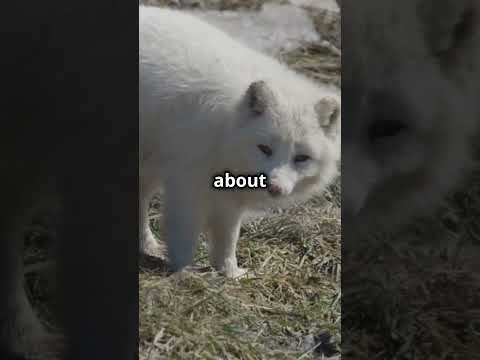
Arctic foxes have developed unique features and behaviors that help them thrive in extreme cold. Their body adaptations and survival techniques are key to their success in challenging environments.
Morphological Adaptations
One of the most notable features is the Arctic fox’s thick winter coat. This fur traps heat, keeping the fox warm during freezing temperatures. In winter, many Arctic foxes appear as white foxes, which helps them blend into the snowy landscape.
Their short legs and round bodies also reduce heat loss, making them well-suited for the cold. Arctic foxes have bushy tails that not only aid in balance but also provide extra warmth when curled up. The dense fur on their paws offers insulation against the icy ground, allowing for comfortable movement over snow and ice.
Behaviors Enhancing Survival
Arctic foxes exhibit behaviors that enhance their chances of survival. They tend to dig shelters in the snow, which provide protection from harsh winds and predators.
When food is scarce, they may follow polar bears to scavenge leftovers, showing resourcefulness in finding meals.
During winter, they can lower their metabolic rate to conserve energy. This adaptation helps them survive when prey is hard to find.
Their keen sense of hearing allows them to locate prey beneath the snow, ensuring they can hunt effectively even in challenging conditions.


