
If you have a rabbit or are thinking about getting one, you might be curious about what makes them happy. Rabbits are playful and curious animals that enjoy a variety of activities. Many of their favorite things to do include exploring, hopping around, and playing with toys that they can gnaw on and toss around.
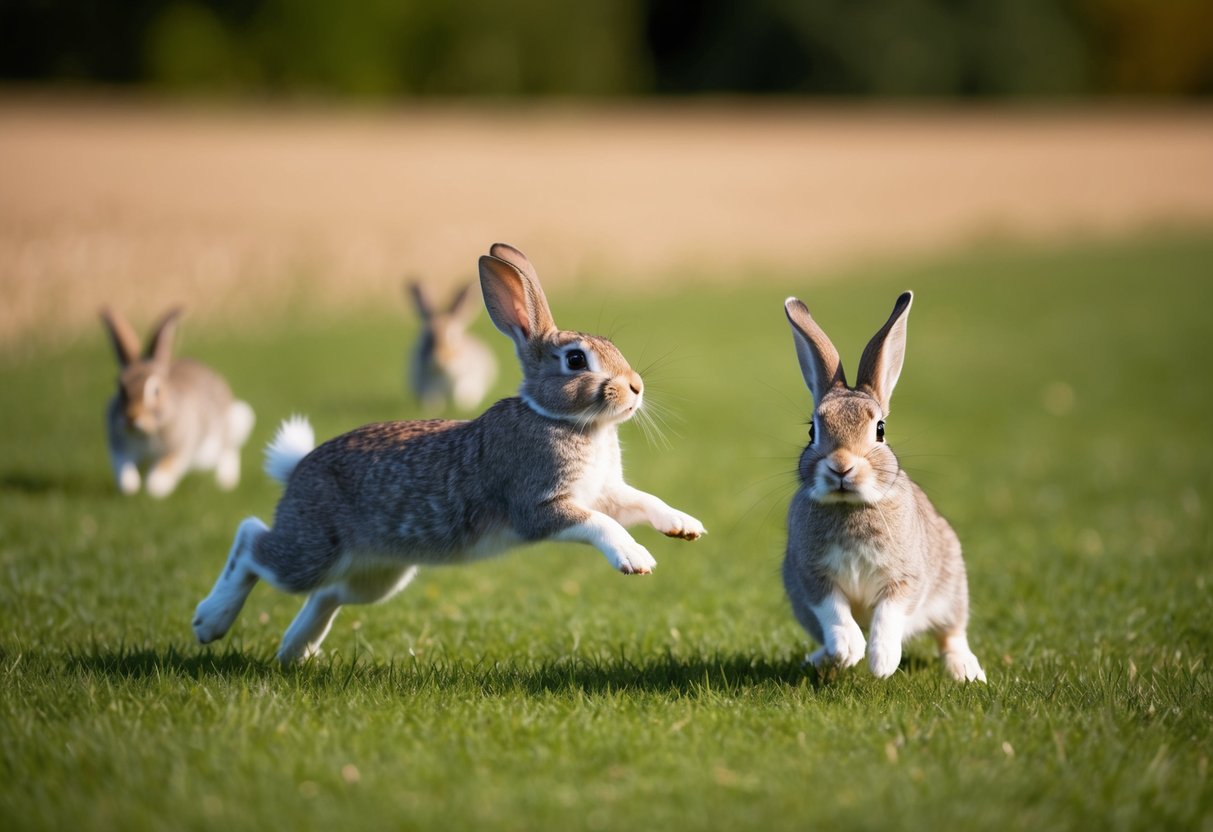
Your furry friend will appreciate plenty of time to stretch their legs and interact with you. Beyond just running around, rabbits thrive on social interaction and love to engage in stimulating activities. This can include games or even just spending time with you in a safe space where they feel comfortable.
Understanding what your rabbit enjoys can help you create a fun and enriching environment for them. By knowing their favorite activities, you can ensure they remain active, happy, and healthy. Let’s dive into the world of rabbits and discover what truly makes them tick!
Understanding Rabbit Behavior

Recognizing how rabbits behave can help you create a happier environment for them. Their social needs and natural instincts play key roles in their actions.
Social Dynamics in Rabbits
Rabbits are highly social animals. They thrive on companionship, whether with other rabbits or their human caregivers. When kept alone, they may become lonely and stressed.
In a group setting, rabbits establish a social hierarchy. You might notice certain rabbits taking lead roles, while others follow. Bonding can be sweet to witness. When rabbits groom each other, it shows trust and affection.
To support their social needs, consider adopting a pair of rabbits. This not only keeps them happy but also encourages playful behaviors. If you already have a bunny, try to spend quality time with them daily.
The Significance of Burrowing and Digging
Digging is a natural behavior for rabbits. In the wild, they burrow to create nests and find shelter. Providing a place for your rabbit to dig is important for their mental stimulation and exercise.
You can set up a digging box filled with safe materials, like shredded paper or soft soil. This allows your rabbit to fulfill their digging instincts without damage to your home.
When they dig, rabbits often display joy. You might see them kick back their hind legs or binky in excitement. Understanding these digging habits lets you offer a space where your rabbit feels happy and secure.
Caring for Your Pet Rabbit
Caring for your pet rabbit involves creating a comfortable habitat, providing a balanced diet, and ensuring regular health checks. Each of these elements is crucial for your rabbit’s happiness and wellbeing.
Proper Habitat Setup
Your rabbit’s living space should be safe, spacious, and engaging. A large cage is a must, offering enough room for them to move around. The recommended minimum space for a rabbit is 4 square feet.
Include a cozy area with bedding to help your rabbit feel secure. Use safe materials like hay or paper-based bedding.
Toys are also important! Rabbits enjoy chewing and digging, so provide them with cardboard boxes, tunnels, and chew toys. Change their space around occasionally to keep things fresh and fun.
Make sure the environment is free from hazards, such as electrical cords or toxic plants. Keeping their habitat clean also helps prevent illness. Regular cleaning will keep both you and your rabbit happy.
Diet and Nutrition Essentials
A balanced diet is vital for your rabbit’s health. Hay should be the main part of their diet. Timothy hay is a good choice as it provides necessary fiber.
Fresh vegetables like romaine lettuce, carrots, and bell peppers can be offered daily. Limit fruits as they are high in sugar.
Rabbits also need a small amount of pellets. Choose high-quality pellets without any added seeds or grains. Remember to introduce any new food slowly to avoid digestive issues.
Always provide fresh, clean water. A water bottle with a tube can prevent contamination, or a heavy bowl can work too. Make sure your rabbit has access to water at all times.
Health and Wellness Checks
Regular health checks are important for keeping your rabbit in good shape. Examine their body for any signs of issues, like lumps or hair loss.
Monitor their eating and drinking habits. Changes can indicate a health problem.
Additionally, don’t forget about dental health. Rabbits’ teeth grow continuously, so they need chew toys to keep them trimmed. Regularly check their teeth for overgrowth.
Schedule routine veterinary check-ups. Vaccinations and spaying or neutering are recommended for long-term health. Being proactive can help catch any issues before they become serious.
Playtime and Activities
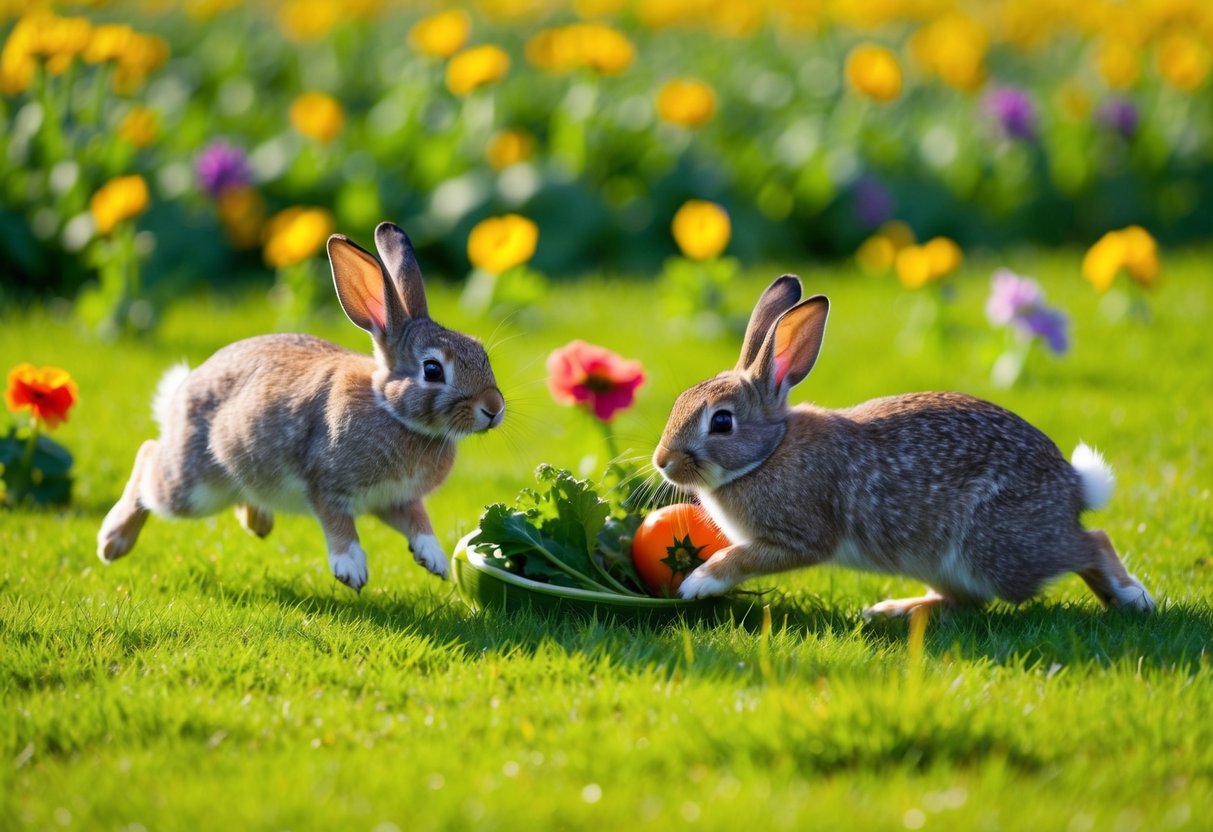
Rabbits thrive on playtime and need various activities to keep them happy and healthy. Engaging with your rabbit through toys and exercise fosters a strong bond and ensures they stay active.
Toys and Enrichment
Providing toys is essential for your rabbit’s happiness. They love to chew, dig, and explore. Consider getting interactive toys, like puzzle feeders that keep their minds active while rewarding them with treats.
Here are some great toys for rabbits:
- Hay cubes: Fun and edible.
- Chew sticks: Perfect for keeping their teeth healthy.
- Cardboard boxes: Great for hiding and playing.
Mix toys around often to keep things exciting. It’s important to select safe, non-toxic materials for your rabbit’s playthings. Enrichment activities, like hiding treats, can stimulate their natural foraging instincts.
Exercise and Interaction
Regular exercise is vital for your rabbit’s well-being. Daily interaction keeps them active and helps prevent obesity. You can take your rabbit outside for a safe exploration on a harness or let them roam in a secure area.
Consider these activities:
- Obstacle courses: Set up a mini-course with tunnels and jumps.
- Foraging games: Hide treats in different spots to encourage hunting.
Being at your rabbit’s level when playing helps them feel more comfortable. This time together builds trust and strengthens your bond. Make sure to supervise them, ensuring their safety during playtime.
Daily Routines for Pet Rabbits

Establishing a daily routine for your pet rabbit is important for their health and happiness. A good schedule will ensure they receive proper care, attention, and stimulation throughout the day.
Feeding and Cleaning Schedules
Your rabbit’s diet should include hay, pellets, and fresh greens. Feed your rabbit hay daily, as it aids in digestion. Pellets should be given in measured amounts, usually in the morning. Fresh greens can be added for variety and nutrition.
Cleaning is just as vital. Make sure to change their litter daily. This prevents odors and keeps their environment clean. Additionally, spot-clean the cage regularly.
Here’s a quick feeding schedule:
- Morning: Fresh hay and pellets
- Afternoon: Fresh greens
- Evening: Fresh hay and water refill
By sticking to this schedule, your rabbit will know when to expect meals and will thrive in a clean environment.
Training and Bonding Time
Training helps you bond with your rabbit. You can start with simple commands like “come” or “stay.” Use treats as rewards. Keep training sessions short. About 5-10 minutes is enough. This way, your rabbit stays engaged and interested.
Bonding time should also be a part of your daily routine. Spend time cuddling or playing with your rabbit. Gentle petting can help them feel secure.
Consider creating playtime with toys. Rotate toys to keep their environment fun and stimulating.
A good routine helps your rabbit feel safe and loved. Consistency in training and playtime will strengthen your relationship.


