
As a rabbit owner, you might wonder if your pet needs a night light while they sleep. Rabbits do not need a night light, as they are naturally adapted to low-light conditions. These animals are crepuscular, meaning they are most active during dawn and dusk. This natural behavior makes them quite comfortable in the dark, allowing them to thrive even without any artificial light.
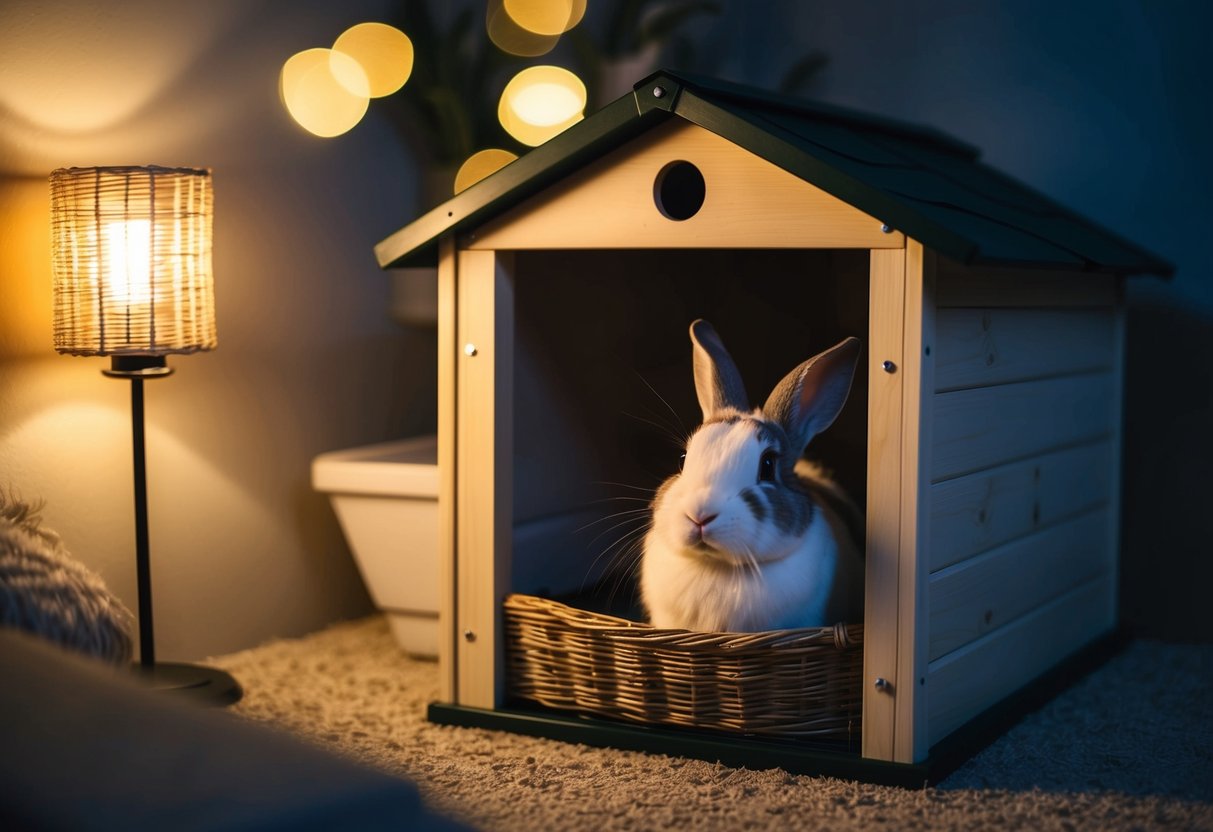
Your rabbit’s environment plays a crucial role in their wellbeing. While they don’t need a night light, providing a calm and cozy area is important.
Sudden noises or movements can startle them, so ensuring a safe space can help your pet feel secure during the night. Understanding your rabbit’s needs will help you create the best possible home for your furry friend.
Understanding Rabbit Vision and Natural Habits
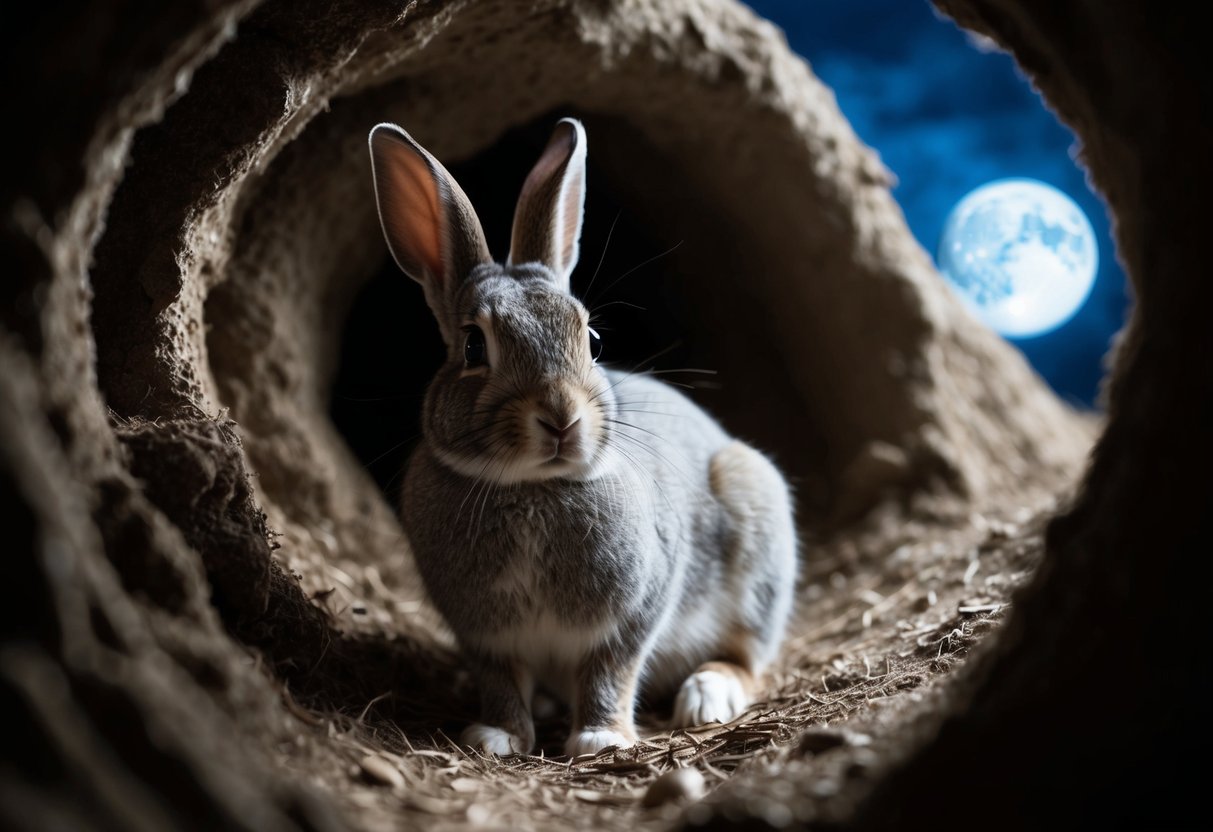
Rabbits have unique vision and habits that adapt to their natural environment. Their eyes and behaviors are designed for low-light conditions, allowing them to thrive in their active periods during dusk and dawn.
Rabbit Eye Health and the Importance of Darkness
Rabbits possess good low-light vision, which helps them detect movement. This ability is crucial for their safety, as they are prey for many predators. Their eyes are not designed to see in complete darkness, but they excel in dim light.
Darkness is also essential for your rabbit’s health. Lack of natural light can interfere with their circadian rhythms, affecting hormone levels such as melatonin, which regulates sleep patterns.
Maintaining a dark environment at night helps your rabbit feel secure and relaxed.
Crepuscular Activities: Dusk and Dawn Behaviors
Rabbits are crepuscular animals, meaning they are most active during twilight hours—dusk and dawn. This behavior allows them to forage for food while avoiding many predators.
By being active during these times, they can take advantage of softer natural light.
Creating a living environment that reflects this natural cycle is important. Consider dim lighting in the evenings and keeping things quiet during their active times. This helps your rabbit feel safe and promotes natural behaviors, supporting their overall well-being.
The Impact of Lighting on Rabbit Well-Being

Lighting plays a crucial role in your rabbit’s health and happiness. Understanding how light and darkness affect their daily lives can help you create a comfortable home for them.
Natural Day-Night Cycle and Rabbit Health
Rabbits thrive under a natural day-night cycle. They are crepuscular animals, meaning they are most active during dusk and dawn. This natural rhythm helps regulate important functions like digestion and hormone production.
When your rabbit gets enough dark and light, it can improve their feeding habits and promote a sense of security.
You should aim to provide a consistent light-dark cycle in their housing to reduce stress. If you use dim lights during the night, it can mimic their natural environment.
Maintaining the right balance between light and dark will positively influence your rabbit’s overall well-being.
Potential Risks of Constant Light Exposure
Keeping your rabbit in constant light can lead to several health issues. Bright or LED lights shining at all hours can cause disrupted sleep patterns. This can increase stress levels, making your bunny feel uneasy and anxious.
Excessive light can also interfere with your rabbit’s digestion and appetite. Rabbits need a break from light to rest properly. Prolonged exposure can lead to behavioral problems and reduce their overall happiness.
Avoid using bright nightlights; instead, consider a very dim light if needed to help them feel secure.
Taking these steps can help ensure your rabbit remains calm and healthy in their environment.
Creating a Safe and Comfortable Habitat
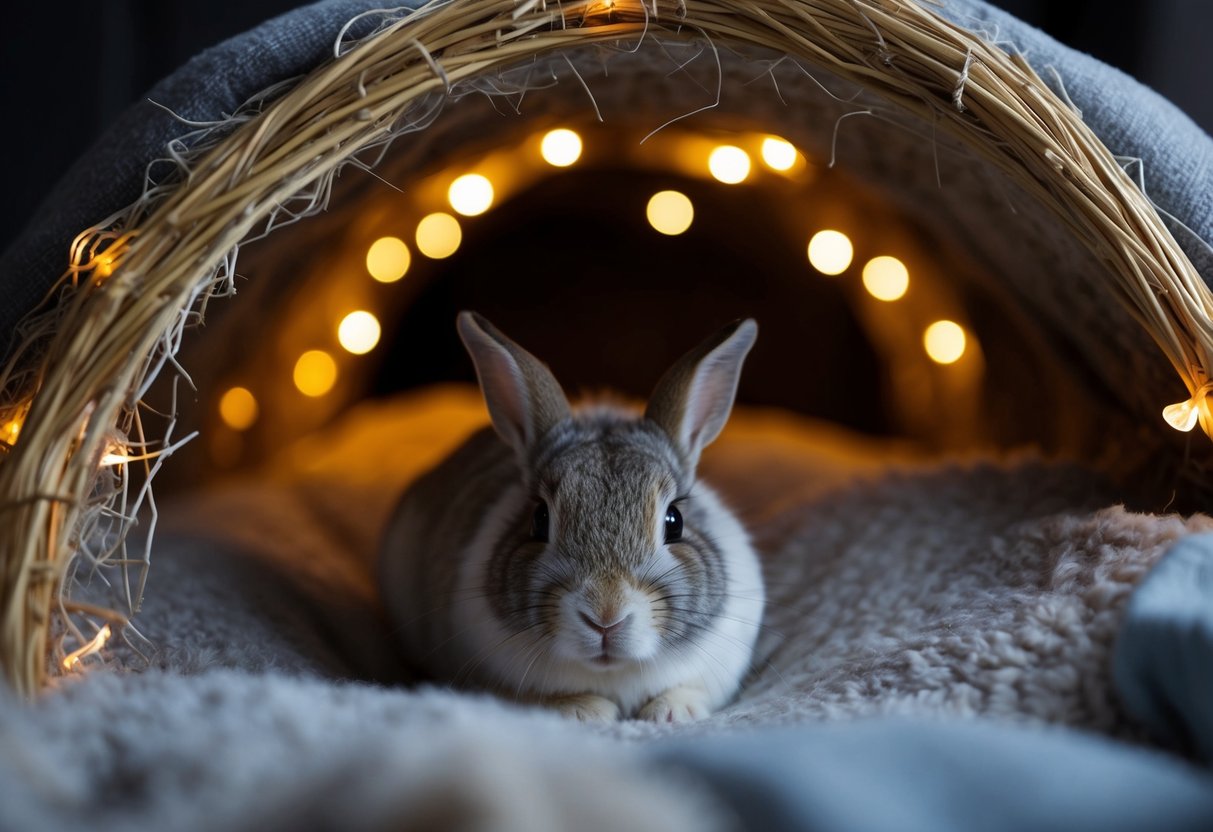
A well-designed habitat is vital for your pet rabbit’s well-being. It should offer safe spaces for rest and play while ensuring they feel secure, especially at night. Here are some important aspects to consider.
Appropriate Hutch Setup and Enrichment
Your rabbit’s hutch should provide enough room for movement. A minimum of 4 feet long, 2 feet wide, and 2 feet high is recommended. Make sure it’s secure and well-ventilated.
Enrichment is key to keeping your rabbit stimulated. You can include items like:
- Chew toys
- Hiding spots
- Climbing structures
Change the layout often to keep things interesting.
Rabbits love to explore, and this can help prevent stress and boredom.
Provide good bedding materials like hay or straw for comfort. Regularly clean the hutch to maintain a healthy environment.
Keeping their space clean supports their overall health and happiness.
The Role of Exercise and Bonding in Nighttime Behavior
Daily exercise is essential for your rabbit. Aim for at least 2-3 hours outside the hutch each day. This helps them burn off energy, preventing restless behavior at night.
Bonding time with you also plays a big role in their comfort. Engage in gentle grooming or simply sit quietly with them.
This builds trust, reducing anxiety, especially in low-light conditions.
Remember, create a quiet space for them to retreat during the night. It can help them feel safe and secure.
A calm environment promotes better sleep, reducing stress levels. Your attention to their needs makes a big difference in their happiness.
Practical Tips for Rabbit Owners on Nighttime Care
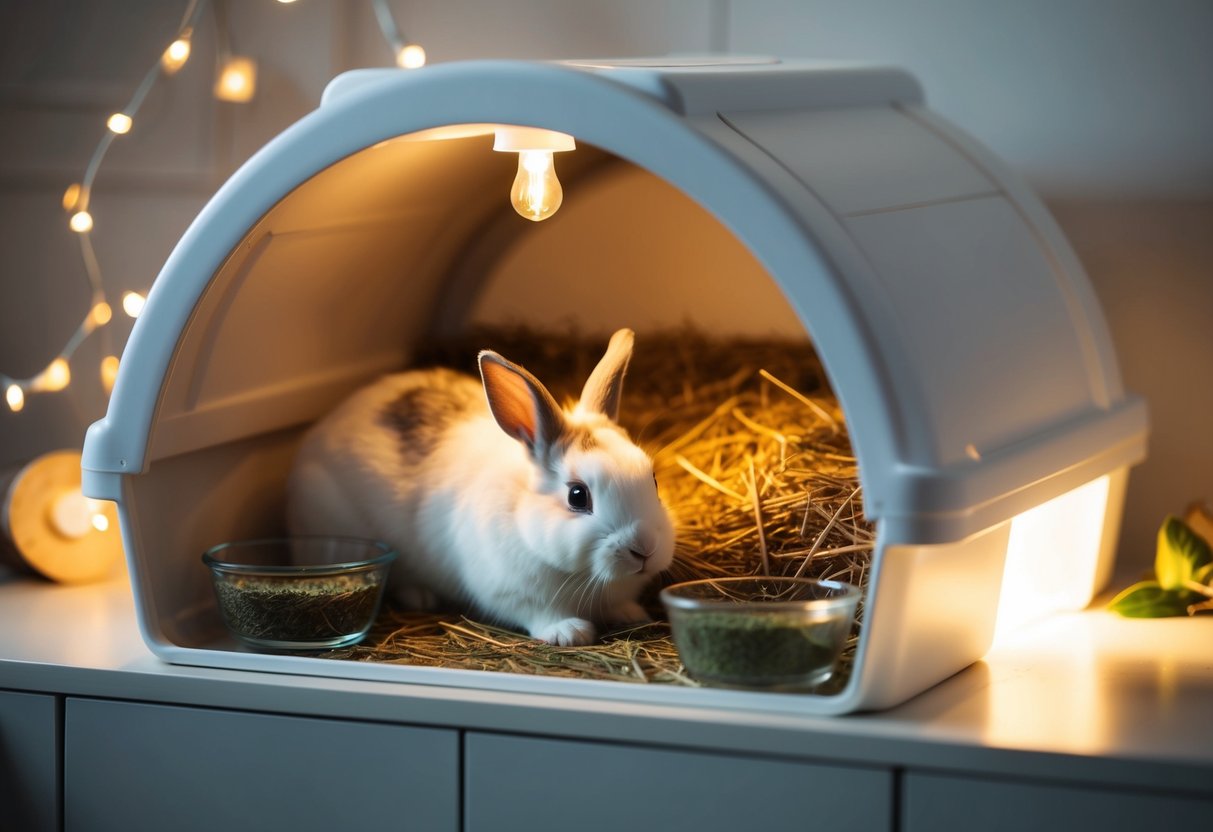
When caring for your pet rabbit at night, it’s important to consider their natural behaviors and comfort needs. This section offers guidance on whether to use a night light and what alternatives can help your rabbit feel secure.
Deciding if a Night Light Is Necessary for Your Pet Rabbit
Rabbits are crepuscular, meaning they are most active at dawn and dusk. This makes them comfortable in low-light conditions.
You may wonder if a night light is helpful for your pet rabbit.
A dim night light might provide reassurance for some rabbits, especially if they are timid or new to your home.
If you decide to use one, choose a light that is soft in color and not too bright.
Monitor your rabbit’s behavior. If they seem nervous or stressed in the dark, a night light might be the right choice.
On the other hand, many rabbits adapt well to complete darkness, as it is closer to their natural environment in the wild, where they live in burrows or warrens.
Alternatives to Night Lights for Ensuring Comfort
If you prefer not to use a night light, there are other ways to ensure your rabbit feels safe at night.
Creating a cozy sleeping area can make a big difference. Provide plenty of soft bedding for your rabbit to cuddle into. This can include hay, fleece blankets, or small pet pillows. A comfortable space helps your rabbit feel secure, reducing any anxiety they may have.
You might also consider leaving a few chew toys nearby. This can keep your rabbit engaged if they wake up during the night and can help reduce unwanted behaviors. Just ensure the toys are safe and appropriate for your rabbit.
By focusing on their comfort, you can create a peaceful nighttime environment for your pet rabbit, like a mini lop!


