
Keeping your rabbit’s teeth healthy is very important for its overall well-being. You might wonder whether you can trim your rabbit’s teeth yourself. The simple answer is that while it is possible to trim your rabbit’s teeth at home, it is not recommended for most pet owners.
Rabbits have continuously growing teeth that require proper care and attention. Their chewing habits are crucial for keeping their teeth worn down naturally. If dental health issues arise, it’s essential to recognize them early to prevent serious complications.
If you are concerned about your rabbit’s dental health, it’s best to consult a veterinarian. A professional can safely manage any issues while ensuring your furry friend stays happy and healthy.
Understanding Rabbit Dental Anatomy and Health
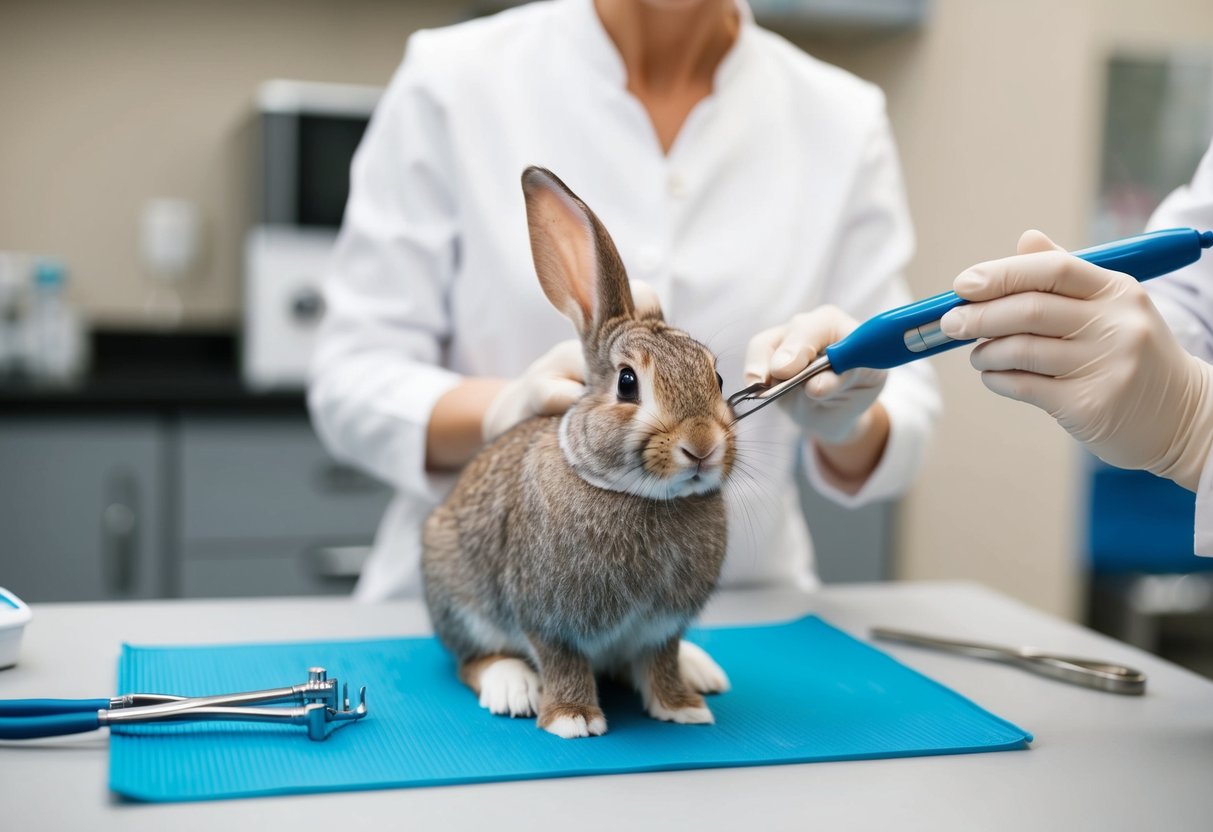
Proper dental care is crucial for your rabbit’s health. Knowing the structure of rabbit teeth and common dental issues can help you maintain their well-being.
Essential Dental Anatomy of Rabbits
Rabbits have a unique dental structure. They possess two large incisors at the front, used for cutting food. Behind the incisors, you will find a space called the diastema, leading to their premolars and molars. These are often grouped as cheek teeth.
Rabbit teeth continuously grow throughout their lives. To keep them healthy, rabbits must chew on fibrous foods. This helps to wear down their teeth naturally. If their diet lacks fiber, the teeth can become overgrown, leading to serious dental issues.
Understanding the alignment of your rabbit’s teeth is vital. Misalignment can result in malocclusion, a condition where teeth do not fit together properly. This can cause pain and eating difficulties.
Common Dental Problems in Rabbits
Dental problems in rabbits are fairly common and can lead to severe health issues if not addressed. Some frequent issues include overgrown teeth, which can occur if rabbits do not get enough fibrous food.
Malocclusion is another issue where the teeth are not aligned correctly, causing pain and discomfort. You may notice changes in your rabbit’s eating habits or see drooling, which can indicate dental pain.
Another concern is dental disease, often linked to poor diet or dental neglect. Regular check-ups can help catch these problems early. If you notice any signs of dental distress, consult your vet right away. Taking proactive steps can keep your rabbit’s teeth healthy and pain-free.
Recognizing Signs of Overgrown Teeth in Rabbits
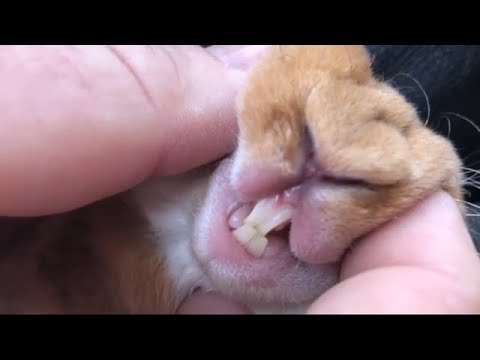
It’s important to keep an eye on your rabbit’s dental health. Recognizing signs of overgrown teeth can help you act quickly and prevent serious issues. Pay attention to behaviors and physical signs that indicate dental problems.
How to Identify Overgrown Teeth
Look for specific signs that might mean your rabbit has overgrown teeth. A common sign is difficulty in eating. If your rabbit is struggling to chew their food or seems to be eating less, it could be a warning.
Loss of appetite is another indicator. If your rabbit suddenly shows little interest in food, something may be wrong.
Watch for excessive drooling as well. If your rabbit’s chin is wet or they seem to be drooling more than usual, check their teeth.
Lastly, observe their behavior. If your rabbit seems to be in pain or avoids chewing harder foods, this may signal overgrown teeth that need attention.
Consequences of Ignoring Dental Issues
Ignoring signs of dental problems can lead to serious issues. Overgrown teeth can cause pain and discomfort, making it hard for your rabbit to eat.
When rabbits cannot eat normally, they may lose weight and feel weak. This can result in a drastic loss of appetite, which further affects their health.
In severe cases, not addressing overgrown teeth can lead to infections. These infections might become life-threatening if not treated.
Your rabbit’s well-being depends on you recognizing and addressing these signs early. Regular check-ups with a vet can help monitor any developing issues.
The Dos and Don’ts of At-Home Rabbit Teeth Management
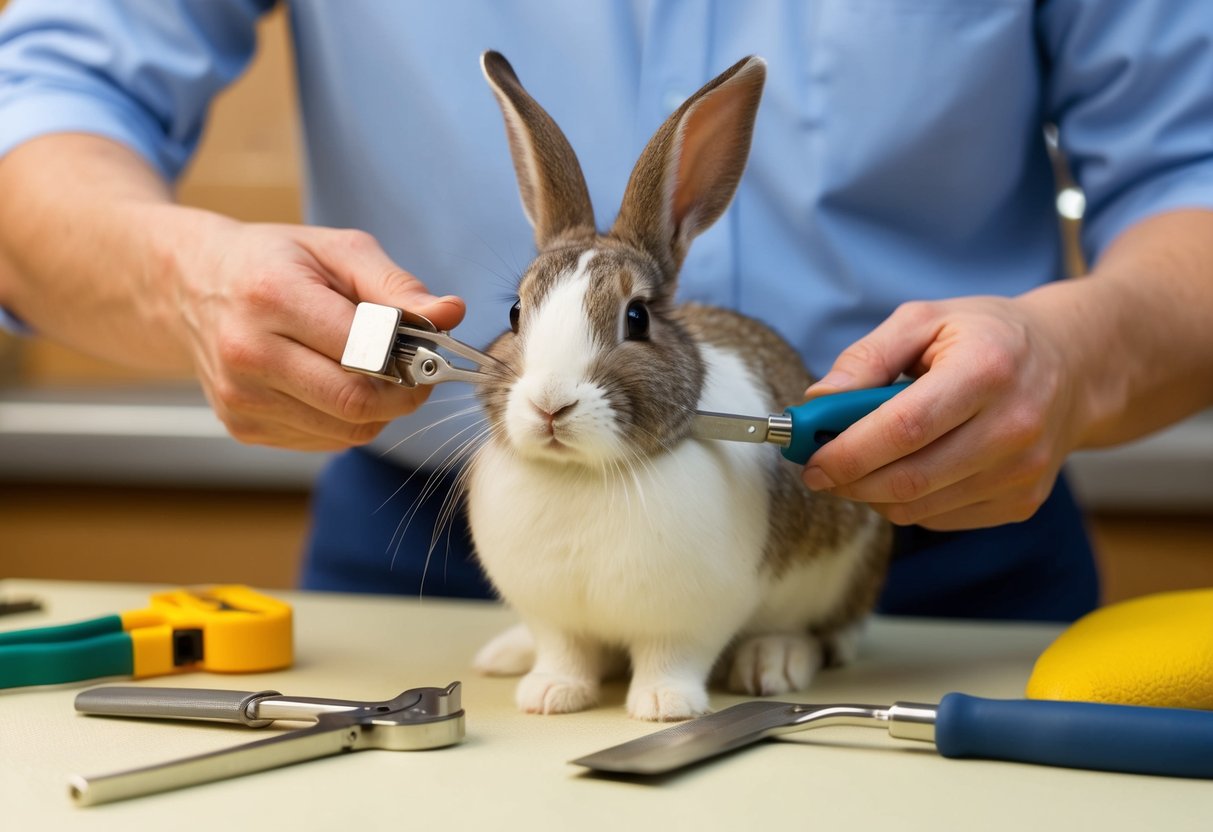
Taking care of your rabbit’s dental health at home is important. By providing the right diet and safe toys, you can help manage dental wear effectively. However, it’s crucial to avoid risky practices like trimming your rabbit’s teeth yourself.
Appropriate Rabbit Diets for Dental Health
A good diet is key for your rabbit’s dental health. Hay should be the main part of their diet. It helps grind down teeth naturally as they chew. Aim for high-quality grass hay, such as timothy or meadow hay.
Fresh vegetables also play a role. Leafy greens like romaine lettuce or cilantro can promote chewing. Pellets should be given in moderation. Look for high-fiber options to support healthy digestion. Avoid sugary treats since they can lead to tooth decay.
Safe Toys and Items for Dental Wear
Providing chew toys is another way to help your rabbit wear down their teeth. Look for untreated wood toys, which are safe for chewing. Natural materials like apple or willow wood are excellent choices.
You can also use cardboard or paper products. Just ensure they are safe and avoid any painted or treated items. Chew toys encourage natural chewing behavior. This keeps your rabbit’s teeth at a healthy length and prevents dental issues.
Risks of Home Teeth Trimming
Trimming your rabbit’s teeth at home is not safe. You risk creating cracks in the teeth using tools like wire cutters. These cracks can let bacteria in, leading to infections or tooth decay.
Instead, if you notice overgrown teeth, consult a veterinarian. They have the right tools and techniques for safe trimming. Regular check-ups can help catch any dental problems early. Prioritize your rabbit’s safety over DIY methods when it comes to their dental care.
Professional Care for Rabbit Dental Health
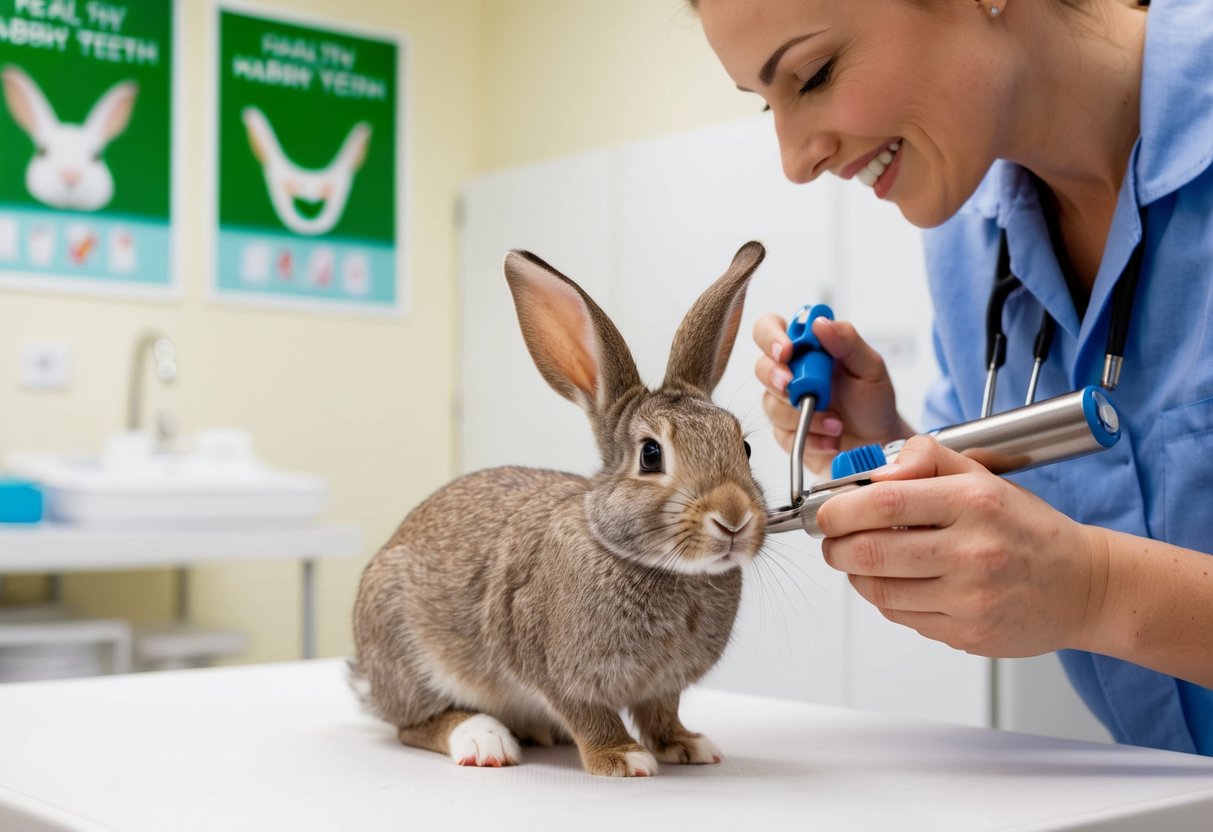
Taking care of your rabbit’s teeth is important for their overall health. Regular veterinary visits can help catch any dental issues before they become serious. You can ensure your rabbit stays happy and healthy through professional care.
When to Consult a Rabbit Vet
It’s essential to consult a rabbit vet if you notice any signs of dental problems. Look for symptoms such as:
- Difficulty eating: If your rabbit is not chewing or eating normally.
- Excessive drooling: This can indicate pain or discomfort.
- Swollen gums: Red or inflamed gums are a sign of potential issues.
- Bad breath: Foul odor can be a sign of dental disease.
If your rabbit shows any of these signs, schedule an appointment with a vet experienced in rabbit care. Regular visits for dental check-ups are also important, even if your rabbit seems healthy. A vet can monitor for overgrown teeth and other dental problems, providing the necessary care.
What Happens During Dental Check-Ups and Examinations
During a dental check-up, the vet will examine your rabbit thoroughly. They will check the mouth and teeth for any signs of overgrowth or damage. The vet will look for:
- Tooth alignment: Misaligned teeth can cause issues.
- Gum health: Healthy gums should be pink, not red or swollen.
- Signs of wear: Worn teeth can suggest dietary issues.
The vet may perform a dental cleaning or trim your rabbit’s teeth if necessary. They will also provide advice on maintaining dental health at home. With regular check-ups and professional care, you can help prevent serious dental issues for your rabbit.


