
Rabbits are fascinating creatures with unique traits that set them apart from other animals. One unusual feature you might find interesting is their strong hind legs, which allow them to make incredible leaps and quick escapes from predators. These powerful legs are not just for show; they help rabbits thrive in their environment.
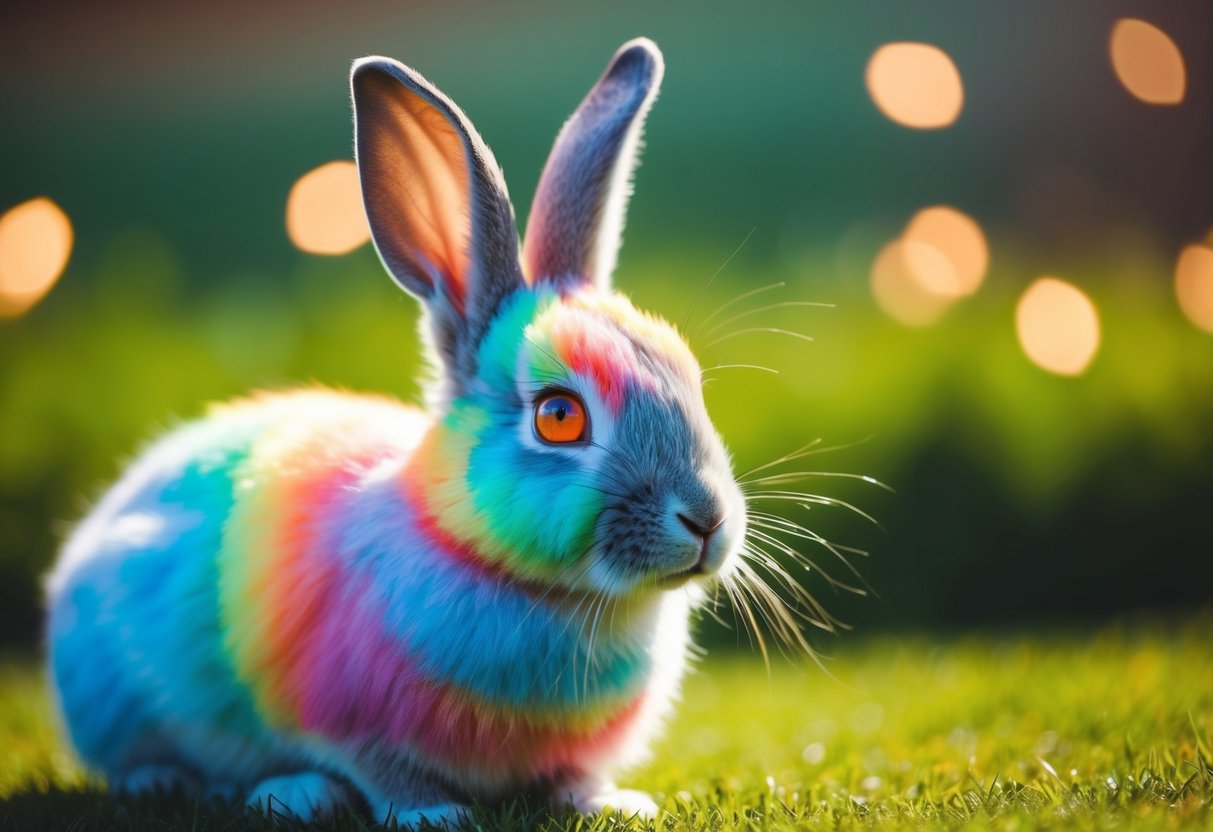
Another remarkable aspect of rabbits is their keen sense of smell. They have a great ability to detect scents, helping them sense danger before they even see it.
Did you know that rabbits are crepuscular? This means they are most active during dawn and dusk. This behavior helps them avoid harsh sunlight while taking advantage of slightly safer times to forage.
Lastly, rabbits belong to a group called lagomorphs, which includes hares and pikas. Their unique adaptations make them not just adorable pets but also highly skilled survivors in the wild. Exploring the unusual traits of rabbits can deepen your appreciation for these charming animals.
The Allure of Unique Rabbit Breeds

Unique rabbit breeds capture attention with their fascinating traits and appearances. From striking colors to unusual fur textures, these rabbits stand out in any setting. Let’s explore some of the most alluring breeds that rabbit lovers often seek.
Silver Fox and Sumatran Striped Rabbits
The Silver Fox rabbit is known for its luxurious, dense coat that resembles the fur of a silver fox. This breed is not only beautiful but also friendly and gentle, making it a great pet option. They typically weigh between 9 and 12 pounds and adapt well to various living situations.
On the other hand, the Sumatran Striped rabbit is a rare gem with distinctive black stripes along its back. This breed gets its name from its origin in Sumatra. Its unique coat pattern not only adds to its beauty but also makes it a conversation starter among rabbit enthusiasts.
Flemish Giants and Rex Rabbits
Flemish Giants are one of the largest rabbit breeds, often weighing over 14 pounds. Their size can be surprising, but they are gentle giants. These rabbits are known for their friendly demeanor and are often used for therapy. Their calm nature makes them excellent companions.
Rex rabbits are famous for their plush, velvety fur. Weighing around 8 to 10 pounds, they come in various colors and patterns. Their soft coats feel amazing to touch and make them a favorite among pet owners. Rex rabbits are also known for their playful personalities and can bond closely with their families.
American Sable and Belgian Hare
The American Sable rabbit features a stunning coat with rich, dark markings. This breed is friendly and thrives on social interaction, making them great pets for families. Their charming appearance and engaging personality make them a top choice for many rabbit lovers.
The Belgian Hare, known for its athletic build and grace, stands out with its rabbit-like appearance combined with a hare’s energy. They are active and require ample space to roam. Their playful and curious nature makes them entertaining and suitable for active owners who can provide engaging environments.
Distinguishing Features and Behaviors

Rabbits have unique features and behaviors that make them interesting pets and creatures. Their distinct physical traits and lively characteristics provide insight into their personalities and needs.
Physical Characteristics
Rabbits are easily recognized by their long ears, which can measure up to four inches in length. These ears help them detect sounds from far away, keeping them alert to potential dangers.
Their strong hind legs are another notable feature. These legs allow them to leap great distances and run quickly to escape predators.
Different breeds exhibit unique characteristics as well. For instance, the Harlequin rabbit has a colorful, patterned coat that stands out. The Chinchilla rabbits are known for their soft, plush fur, while the American Chinchilla rabbit has a larger size and a stunning gray coat.
Behavioral Traits
Rabbits are social animals with lively behaviors. They thrive on interaction, often forming strong bonds with their owners or other rabbits.
You might notice your rabbit displaying quirks, such as binkying, where they jump and twist in the air when happy. This signals contentment and excitement.
They may also engage in nose nudging or honking to communicate. These behaviors reflect their playful and curious nature.
Each breed has its own set of behaviors that can vary. Knowing the traits specific to rare breeds can enhance your understanding of your pet’s unique personality.
Rabbit Care and Domestication
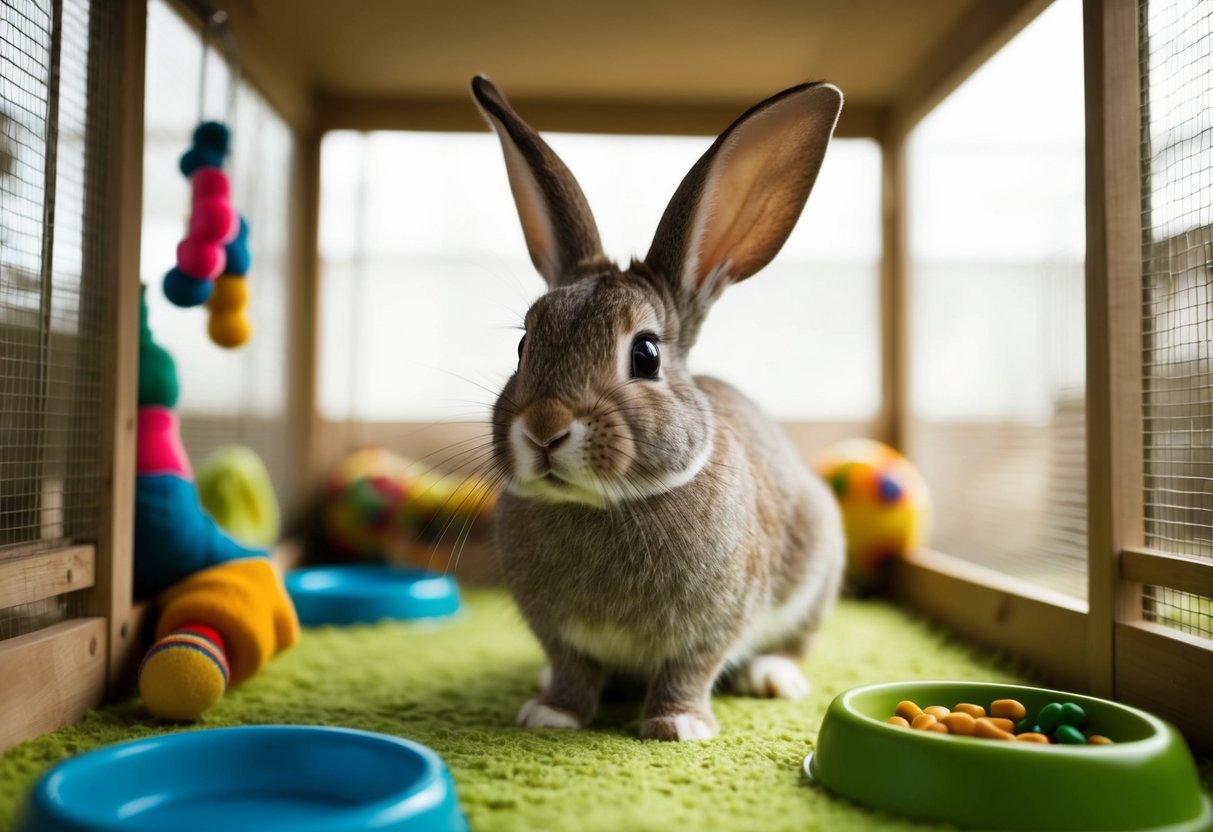
Caring for domestic rabbits requires attention to their specific needs. Understanding their habitat, diet, health, and grooming plays a significant role in ensuring your bunny thrives.
Habitat and Diet
Rabbits need a safe and comfortable space to live. You can use a large cage or a rabbit-proof room to give them room to hop around. A cozy bedding area with hay or straw helps them feel secure.
When it comes to diet, hay should be the main part of their meals. Fresh vegetables like carrots and leafy greens are also important. Treats, such as fruits, should only be given in small amounts. Drinking water is essential, and bowls or bottles are good options.
Keep in mind that different breeds, like Holland Lops or Angora Rabbits, may have specific dietary needs. Always consult with a vet for tailored advice.
Health and Grooming
Regular health check-ups are crucial for your rabbit’s well-being. Look for signs of illness, such as changes in appetite or behavior. Vaccinations and spaying or neutering help prevent health issues.
Grooming is especially important for long-haired breeds, like Angora or Satin Angora rabbits. Brush them regularly to prevent mats and reduce shedding. Dwarf Hotot rabbits also benefit from occasional grooming, but they require less maintenance.
Make sure to check your rabbit’s nails and trim them as needed. Dental health is vital, so provide chew toys to keep their teeth healthy. These care practices will help your rabbit live a happy and healthy life.
Conservation Status and Rare Breeds
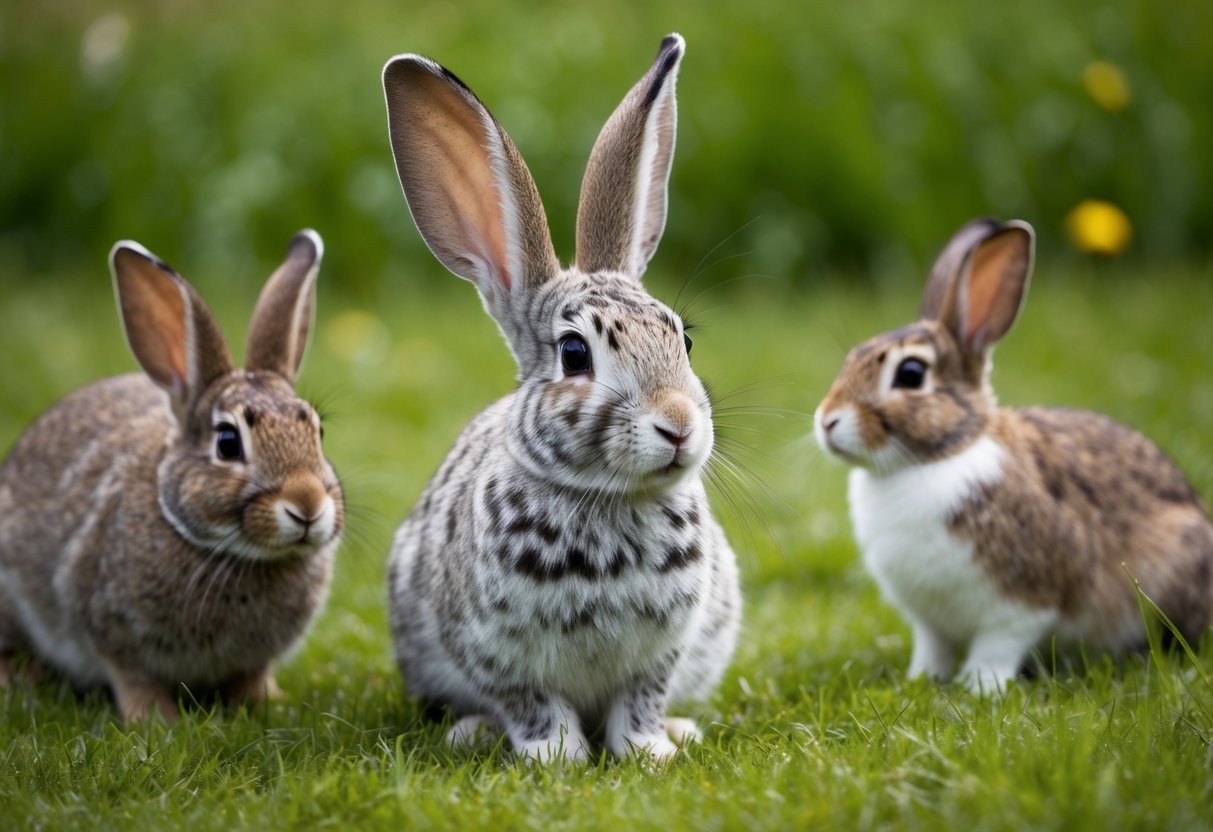
Many rabbit breeds face significant threats to their survival. Understanding the conservation status of these animals helps raise awareness of their needs and the importance of protecting them.
Endangered and Vulnerable Species
Several rabbit species are critically endangered. For example, the Volcano Rabbit is native to Mexico and is listed as endangered due to habitat loss. They thrive in high-altitude areas, which are being affected by environmental changes.
The Columbia Basin Pygmy Rabbit is another vulnerable species. Found in the U.S., its population has plummeted due to habitat destruction and predation. Efforts are underway to restore its habitat and bolster its numbers.
The Riverine Rabbit in South Africa is also at risk. With an estimated population of fewer than 250 individuals, this rabbit struggles against habitat loss and agricultural expansion.
Another unique breed, the Sumatran Striped Rabbit, is rare because it is not commonly kept as a pet. Its unusual appearance and specific habitat needs contribute to its conservation challenges.
Efforts in Rabbit Conservation
Many organizations are dedicated to rabbit conservation. They work on habitat restoration and population monitoring to help recover endangered species.
For example, the Columbia Basin Pygmy Rabbit has greatly benefited from captive breeding programs. These programs aim to increase the population and eventually reintroduce them into their natural habitat.
In South Africa, conservationists focus on the Riverine Rabbit by restoring riverine vegetation, which is vital for their survival. They also work to educate the public about the importance of protecting these unique animals.
Habitat protection and community involvement play essential roles in these efforts. By supporting conservation initiatives, you can help ensure that rare rabbit breeds continue to thrive for generations.


