
Snowshoe hares, or Lepus americanus, are fascinating animals known for their large, furry feet that help them navigate snowy landscapes. You might be wondering about their conservation status and if they face serious threats. The good news is that snowshoe hares are currently not considered endangered. Their populations are stable in many areas across North America, although they can fluctuate based on factors like food availability and predation.
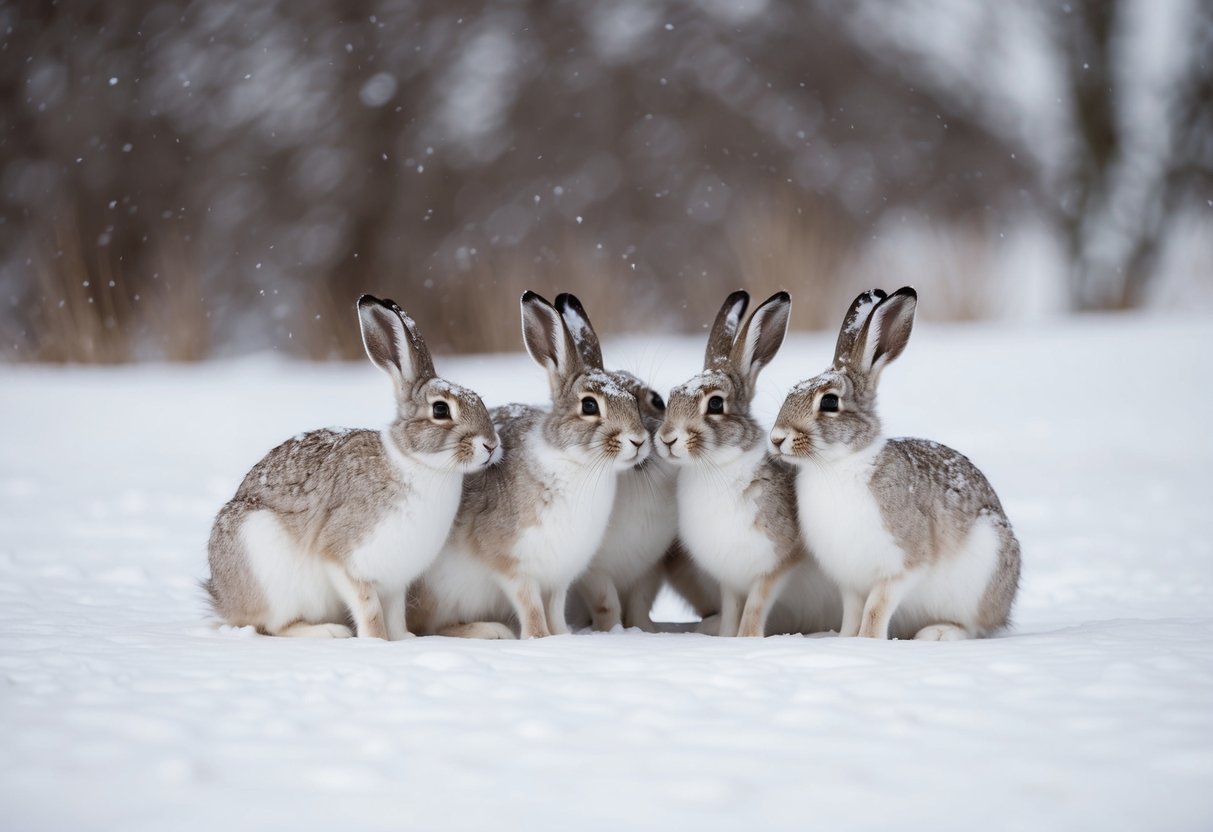
These hares play an important role in their ecosystem. They are a crucial food source for various predators, including lynx and owls. By understanding their habitat and lifestyle, you gain insight into how they interact with wildlife and contribute to ecological balance. Their changing populations can also reflect broader environmental changes, making them key indicators of ecosystem health.
As climate change impacts their environment, it’s essential to keep an eye on future developments. You’ll discover the intriguing ways in which these adorable animals adapt and thrive, bringing you deeper into the world of snowshoe hares.
The Biology and Behavior of Snowshoe Hares
Snowshoe hares have fascinating biology and behavior that help them adapt to their environment. Understanding their physical characteristics, diet, and reproduction gives you insight into these unique mammals.
Physical Characteristics
Snowshoe hares are recognizable by their large feet, which act like snowshoes. This helps them move easily over deep snow. Their fur changes with the seasons: in summer, they have a brown or grayish coat, while in winter, they grow a thicker white coat for camouflage against the snow.
Adults typically weigh between 1,200 to 1,800 grams. They have long ears and powerful hind legs, allowing for quick escapes from predators. Their eyes are located on the sides of their head, giving them a wide field of vision.
Diet and Foraging Behavior
These hares are herbivores, primarily feeding on plants. During the summer, they eat a variety of greens, including grasses and leaves. In winter, when food is scarce, they switch to bark, twigs, and the buds of shrubs.
Their foraging habits change with the seasons. You can find them actively searching for food in the early morning or late afternoon. They often use their strong front teeth to clip off branches and leaves. Snowshoe hares need to consume a lot of food each day to maintain their energy levels.
Reproduction and Development
Snowshoe hares breed in spring, with females producing multiple litters each year. Each litter can have 2 to 6 leverets. These young hares are born fully furred and with their eyes open, giving them a better chance to survive.
The female cares for them alone, often hiding them in shallow nests to protect them from predators. As the leverets grow, they gradually become more independent. They reach maturity in about a year and can start breeding shortly after.
Habitat and Distribution
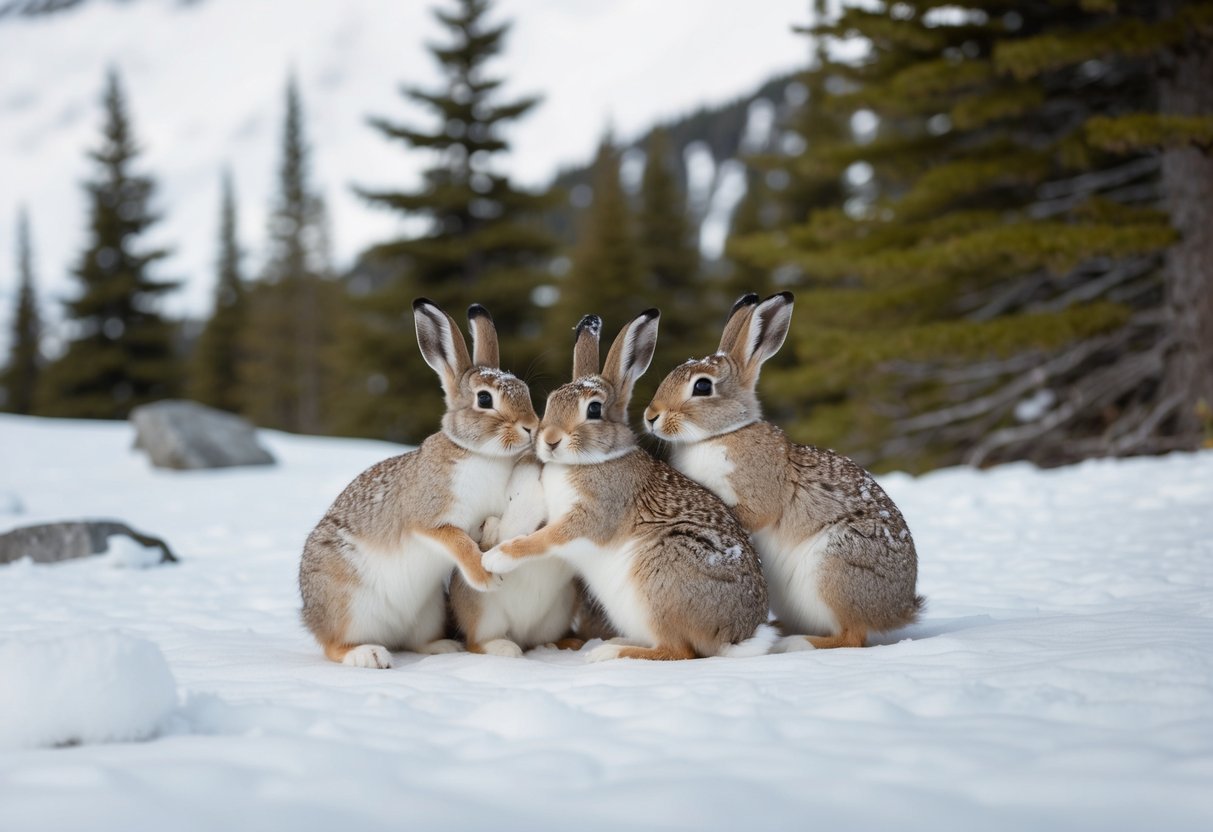
Snowshoe hares thrive in specific environments that are essential for their survival. Understanding their habitat preferences, geographical spread, and the impact of human activities like timber harvests can give you insight into their conservation needs.
Habitat Preferences
Snowshoe hares prefer areas that offer cover and resources. They are often found in boreal forests, where dense tree growth provides shelter from predators. These forests are rich in vegetation, which is crucial for their diet.
In the winter, their fur changes color to white, aiding camouflage in snowy settings. The hares utilize various plants, including willows and birches, especially in regions like Wisconsin, Pennsylvania, and West Virginia.
These habitats also need a mix of young shrubs and older trees to support their population. Areas lacking snow or with brief snow coverage may pose challenges for their survival.
Geographical Range
The snowshoe hare’s range includes parts of Canada and the northern United States, extending into regions like the Yukon and the Rockies. In the United States, their populations can be found in states such as West Virginia, Maryland, and parts of Virginia.
While their range covers cold environments, there are concerns about areas becoming unsuitable due to climate change. Hares depend on sufficient snowfall to protect them from predators. As you move south, their distribution becomes spotty, as they face habitat limitations.
Impact of Timber Harvest
Timber harvest can significantly affect snowshoe hare populations. Logging activities change their habitats, disrupting the dense cover they need for safety. In regions like the Rockies, the removal of trees may lead to habitat loss.
When logging occurs, it often removes important vegetation that hares rely on for food. This can leave them vulnerable to predators and reduce their population densities. Moreover, in places like Virginia and Pennsylvania, habitat fragmentation from timber operations can make it harder for hares to find mates and food, contributing to long-term decline.
Conservation and Threats
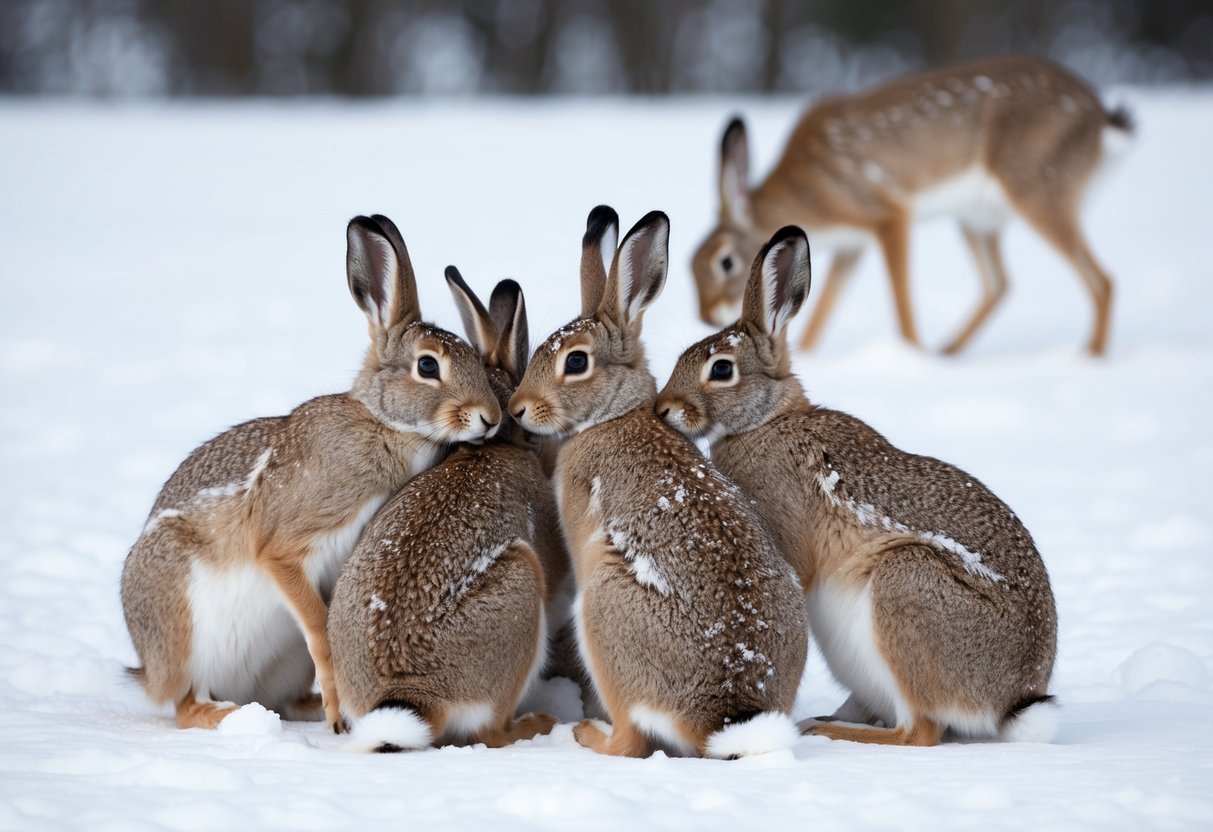
Snowshoe hares face several challenges that impact their survival. Key threats include climate change, which disrupts their natural camouflage and habitat, and increased predation pressures. Understanding these issues is essential to ensure their conservation.
Climate Change Impact
Climate change significantly affects snowshoe hares. As temperatures rise, snow cover duration decreases. This creates a mismatch between the hares’ white winter fur and the brown landscape, making them more visible to predators. When they cannot adapt quickly enough to changing conditions, their survival rate drops.
Reduced snow also influences their habitat and food sources. In areas with insufficient snow, hares struggle to find cover, increasing mortality costs from predation. If these trends continue, the risk of extirpation increases, especially in regions where deep snow is vital for their camouflage.
Predation and Survival
Predation is a major threat for snowshoe hares. Avian predators like barred owls find it easier to hunt hares when they stand out against the landscape. This camouflage mismatch can increase the mortality rate of hares during winter.
Natural selection plays a significant role in their survival. Hares that can blend seamlessly with their environment tend to have higher survival rates. As habitats change due to climate change, those that can’t adapt may see their populations dwindle. This struggle illustrates the delicate balance between survival and predation in the wild.
Conservation Strategies
To help protect snowshoe hares, several conservation strategies are essential. Habitat preservation is crucial. Maintaining areas with suitable snow cover can ensure that hares have the environment they need to thrive.
Additionally, research on adaptive management strategies is important. Understanding local populations’ molt timing may help in predicting how different groups react to climate changes. Fostering genetic diversity could also aid in evolutionary rescue, allowing some hares to survive and adapt in the face of environmental shifts. Engaging in public education about the importance of these efforts can strengthen support for conservation initiatives.
Predators and Prey Dynamics
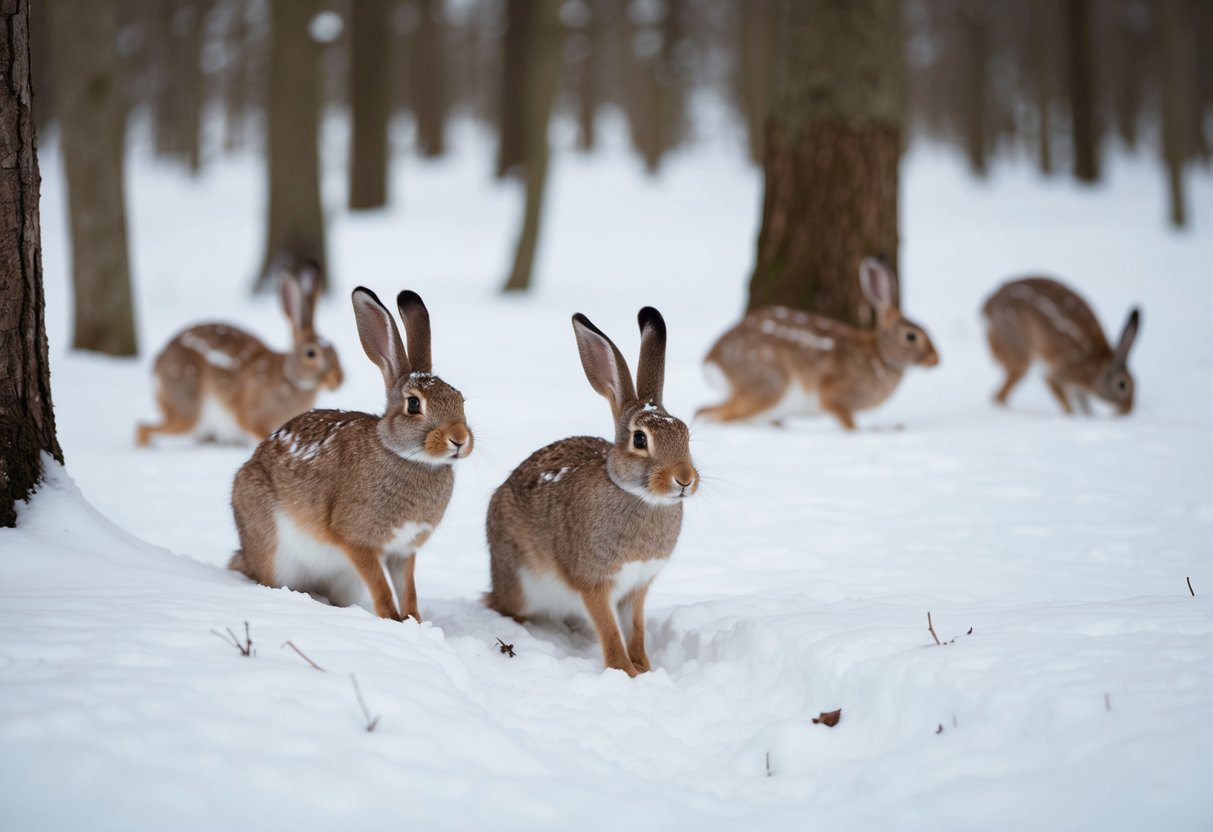
Understanding how predators interact with snowshoe hares is crucial for grasping their survival and role in ecosystems. Various predators hunt these hares, influencing their population cycles and dynamics significantly.
Predators of Snowshoe Hares
Snowshoe hares have several natural predators that impact their survival rates. The main predators include the Canada lynx, bobcats, and coyotes. Each of these mammals plays a key role in controlling hare populations.
- Lynx are perhaps the most well-known predators of snowshoe hares, relying on their keen senses and agility to catch them.
- Foxes, fishers, and weasels also hunt snowshoe hares, particularly in dense vegetation.
- Great horned owls and goshawks add to the predation pressure, especially from above.
Effects on Ecosystems and Prey
The predation of snowshoe hares affects not just their population but the entire ecosystem. When hare populations rise, predators such as lynx and bobcats increase as their food source becomes abundant. This is known as a population cycle, where predator and prey numbers fluctuate together.
As snowshoe hares consume vegetation, they impact plant communities. This, in turn, affects other species that rely on the same plants. The duration of snow cover also changes the dynamics. In areas with less snow, predators like coyotes can pursue hares more effectively.
The interactions between snowshoe hares and their predators are vital for maintaining healthy ecosystems. Your awareness of these dynamics helps in understanding conservation and environmental health.


