
Arctic hares are fascinating creatures that live in some of the coldest parts of the world. You might be curious about their reproduction and how many babies they have at once. The answer to that question provides insight into their survival in harsh environments.
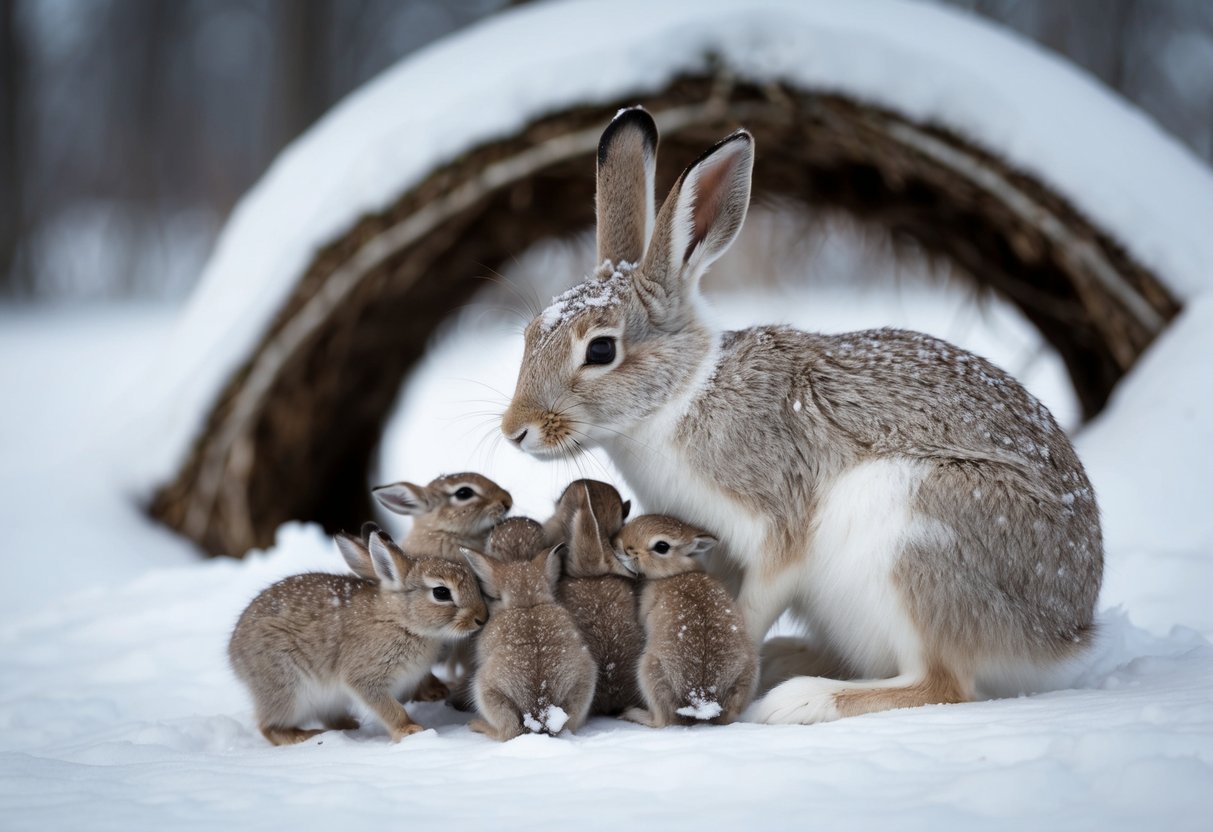
Arctic hares can have up to eight babies, called leverets, in a single litter. These little ones are born after a gestation period of about 53 days, usually around late spring and early summer. The mother hares care for them until they can venture out on their own, which is crucial for their survival in the wild.
Learning about arctic hares and their family dynamics can deepen your appreciation for these hardy animals. Understanding how they reproduce reveals a lot about their adaptation to the Arctic tundra and the challenges they face.
So, let’s explore more about their fascinating lives and the journey of their adorable leverets!
Reproduction and Litter Size

Arctic hares have a fascinating reproduction process. They usually breed from April to mid-September, with the peak during April and May.
During this time, females become ready to mate as daylight hours increase. Once they mate, the gestation period lasts about 50 to 60 days. After this time, it’s time for the babies to arrive.
A female can have up to eight leverets in one litter, although the average size is around four to six. These leverets are born fully furred and with their eyes open. It’s impressive how quickly they can start moving around after birth.
After giving birth, the leverets stay close to their mother. They rely on her for a few weeks until they can survive on their own.
Young Arctic hares grow fast and reach nearly full size by late July.
It’s important for the health and survival of the leverets that they stay within their mother’s range. This ensures they have enough food and protection during their first weeks of life.
Arctic hares typically start reproducing after reaching one year of age.
Arctic Hare Biology and Behavior
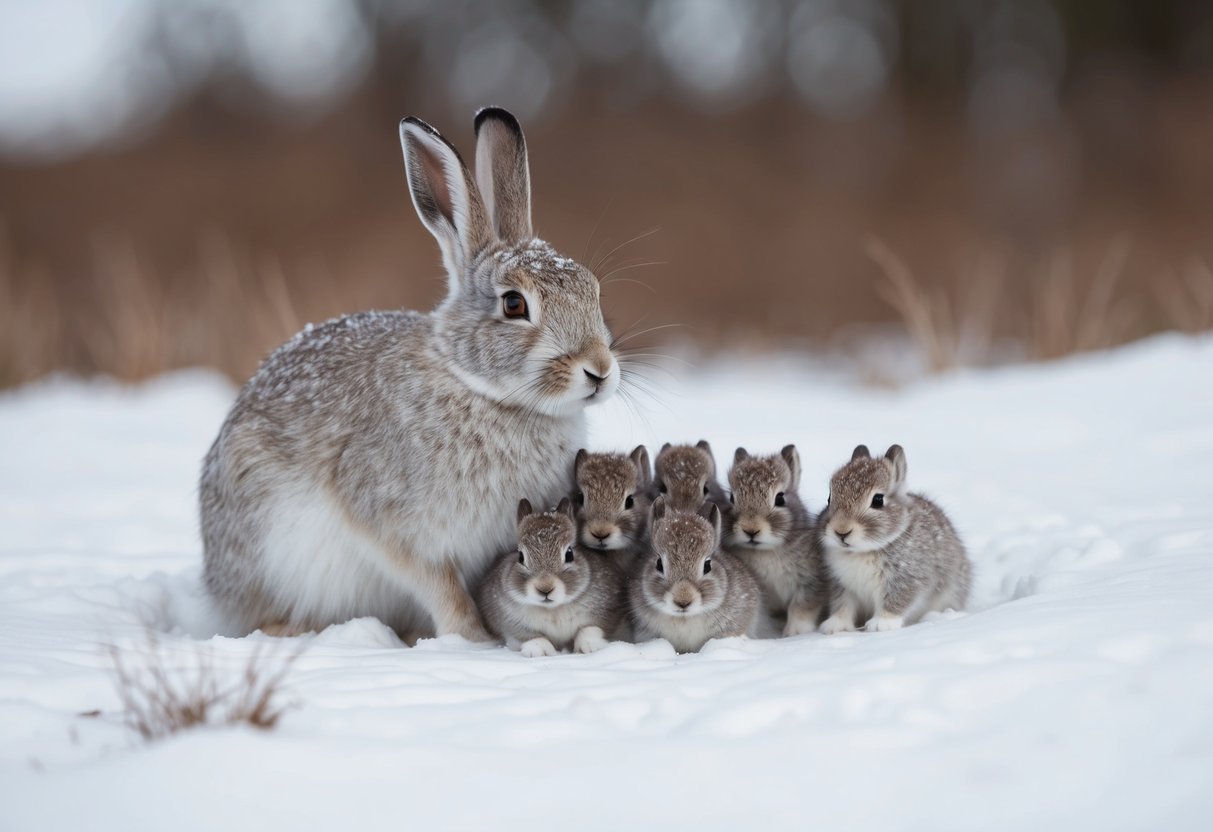
The Arctic hare is a remarkable creature, well-adapted to survive in harsh, cold environments. Their unique physical traits and behaviors help them find food and avoid being hunted.
Physical Characteristics
Arctic hares have several distinct features. They are typically larger than other hare species, with a body length ranging from 15 to 26 inches. Their powerful hind legs allow them to run at speeds of up to 40 mph.
In winter, their fur is pure white, providing excellent camouflage against the snow. This white coat helps keep them hidden from predators such as the Arctic fox and various birds of prey.
As spring arrives, some hares in southern areas will shed their white fur for a brown or gray coat, allowing better blending with the environment.
Their ears are shorter than those of other hares, which helps reduce heat loss in freezing temperatures. This adaptation is essential for maintaining body warmth.
Diet and Foraging
Arctic hares are herbivores, mainly feeding on a diet of woody plants, leaves, and buds. In summer, they enjoy green vegetation, while winter requires them to dig beneath the snow to find food.
You can find them foraging in tundra habitats, where they may travel in groups to browse for food. Their keen sense of smell helps them locate nourishment even when it’s buried under snow.
They have a high-fat diet to generate body heat and energy. This is crucial to withstand the extreme cold of their northern habitats.
Defense Mechanisms
When it comes to defense, Arctic hares have some interesting strategies. Their white fur provides excellent camouflage, helping them remain unseen by predators.
If threatened, they can sprint away swiftly or take sudden jumps to escape. Their ability to run fast and change direction makes it hard for predators to catch them.
In addition to their speed, Arctic hares also rely on their keen senses. They have excellent vision and acute hearing, which enable them to detect danger quickly. This combination of physical traits and behaviors helps ensure their survival in the wild.
Habitat and Distribution
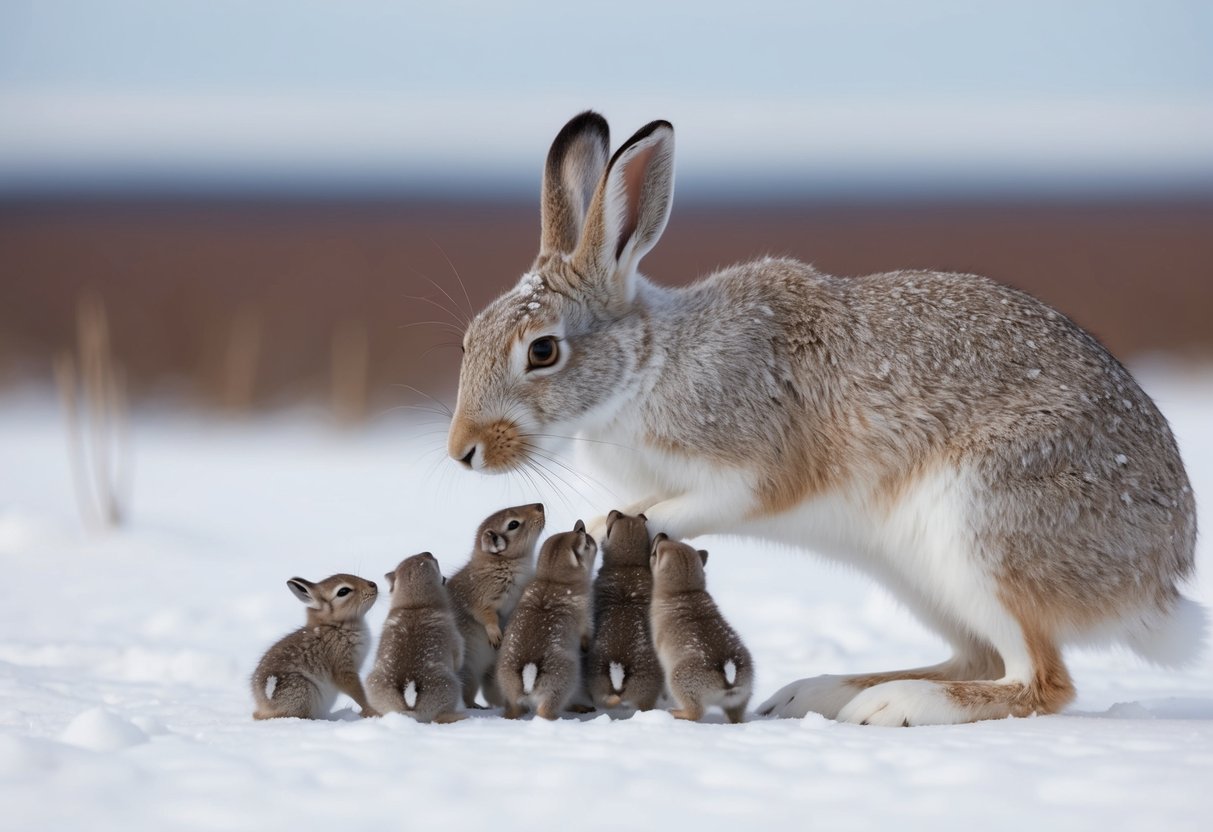
Arctic hares are specially adapted to thrive in some of the harshest environments on Earth. Their habitat plays a crucial role in their survival, offering the right conditions to find food and stay safe from predators.
Arctic Tundra Ecosystem
The Arctic tundra is a cold, treeless environment that hosts unique wildlife, including the Arctic hare. This ecosystem features low-growing vegetation such as mosses, lichens, and shrubs. The ground remains frozen in much of the tundra, creating a layer called permafrost.
In this stark landscape, Arctic hares create burrows in the snow. These burrows keep them warm and protect them from predators like wolves and foxes.
They are well-adapted to this cold climate, with thick fur and body fat that help them survive freezing temperatures.
Key Elements in the Arctic Tundra:
- Low temperatures
- Minimal tree cover
- Seasonal vegetation cycles
Distribution Range
You can find Arctic hares across a wide distribution range. Their primary habitats include northern Canada, Greenland, and Nunavut. These areas provide the open land and food sources necessary for their survival.
Arctic hares tend to occupy regions where snow cover is consistent, allowing them to dig into it for shelter. They also migrate seasonally based on food availability and environmental conditions. In summer, they venture to lower elevations, while in winter, they move to areas with deeper snow.
Key Locations:
- Greenland: A primary habitat offering ample snow.
- Northern Canada: Contains various environments essential for survival.
- Nunavut: Remote areas are ideal for these resilient hares.
Conservation and Threats
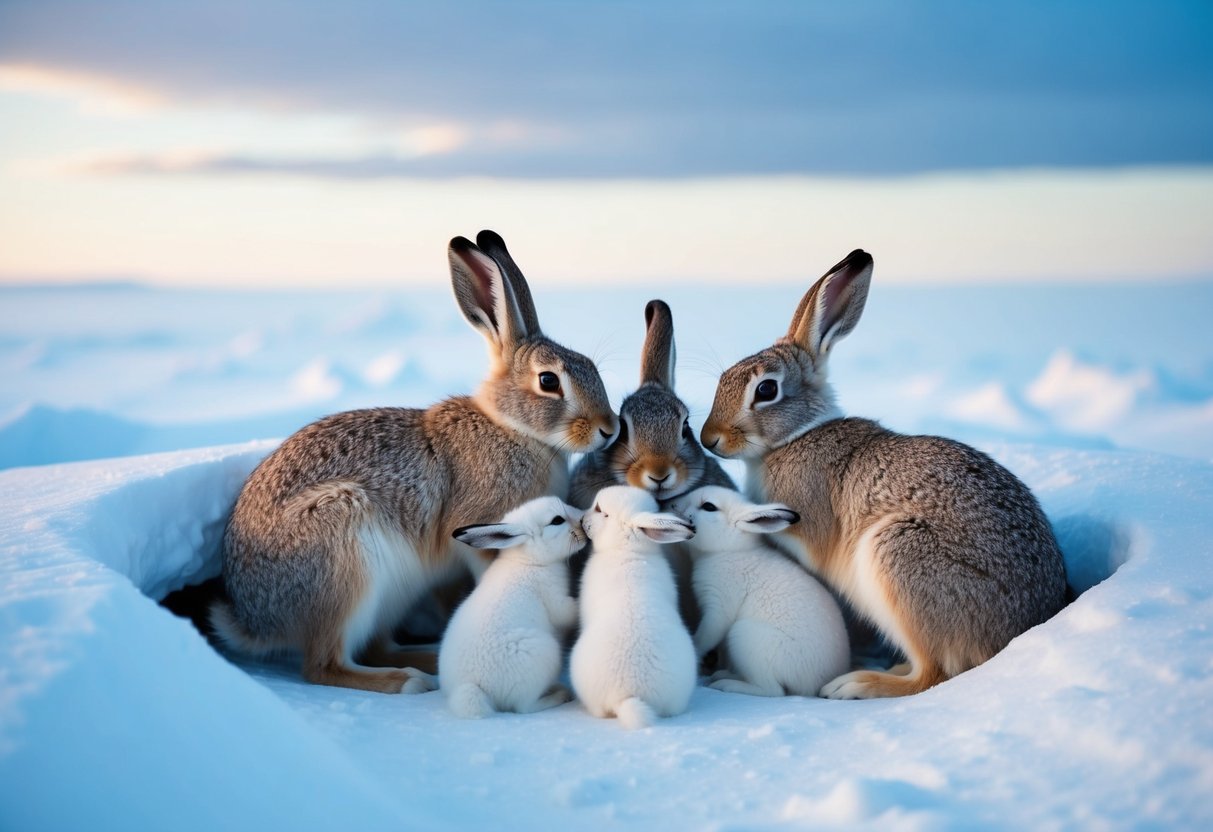
The IUCN currently classifies Arctic hares as least concern. This means their population is stable and not facing immediate extinction.
However, they do face several threats. One major threat is habitat loss, especially in warmer regions. This affects where they can live and find food.
Predators are also a challenge for Arctic hares. Their main enemies include:
- Arctic foxes
- Lynxes
- Snowy owls
- Wolves
- Red foxes
- Gyrfalcons
These predators can significantly impact hare populations, particularly in harsh weather conditions.
Despite these challenges, Arctic hares have adapted well to their environment. They have impressive jumping skills to evade predators and can quickly hide to avoid detection.
You can find Arctic hares in various habitats, from tundras to coastal regions. Their ability to thrive in different environments helps maintain their population.
The current conservation status is positive, but it’s important to keep monitoring their environment and threats. Humans can have an impact too, so awareness and protection of their habitats are key for the future of Arctic hares.


