
Arctic hares are fascinating creatures found in the icy expanses of the Arctic tundra. Known scientifically as Lepus arcticus, these hares are specially adapted to survive in the harsh conditions of tundra regions. Their thick fur not only keeps them warm but also helps them blend in with their snowy surroundings, making them elusive targets for predators.
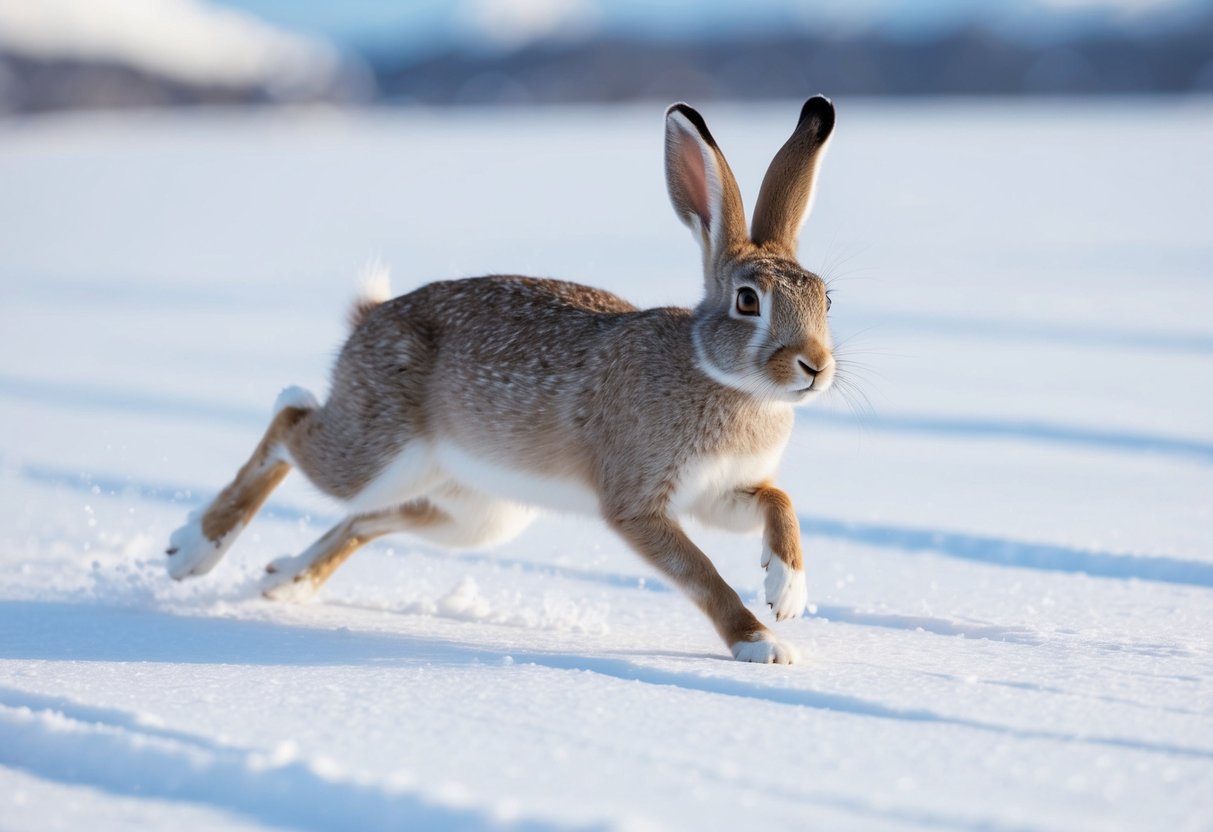
An Arctic hare can run at speeds of up to 40 miles per hour (64 kilometers per hour) over short distances, allowing them to escape threats in their challenging habitat. This impressive speed is crucial for their survival, as they face dangers from arctic foxes and birds of prey. By understanding the abilities of Arctic hares, you gain insight into the remarkable survival strategies of animals in extreme environments.
As you explore more about these swift mammals, you’ll discover how their speed and agility play a key role in their life on the tundra. From their social behaviors to their unique adaptations, the Arctic hare is a true marvel of nature.
Physical Characteristics and Adaptations

Arctic hares are specially built for survival in their cold environments. Their unique physical traits and adaptations help them stay warm and evade predators. Let’s look at their fur and camouflage, as well as their physiological adaptations.
Fur and Camouflage
The Arctic hare has thick, white fur that acts as excellent camouflage in snowy surroundings. This fur helps them blend into their environment, making it harder for predators to spot them.
In summer, their fur changes to a brownish or gray color to match the rocks and tundra. Their black eyelashes protect their eyes from snow glare and help maintain vision in bright conditions.
The fur is not just about color; it provides crucial insulation. The soft undercoat keeps them warm while their outer layer helps shed moisture. This combination is key for surviving extreme temperatures.
Physiological Adaptations
Arctic hares have several physiological features that support their speed and survival. One major adaptation is their shortened ears. Short ears reduce heat loss, which is vital for keeping warm in freezing temperatures.
These hares also possess powerful hind limbs. Their strong legs allow them to not only run quickly but also leap great distances—up to 10 feet at a time.
Their unique muscle structure provides bursts of speed, allowing them to reach up to 40 miles per hour. This speed is essential for escaping predators like arctic foxes.
Overall, these adaptations are perfect for living in the harsh Arctic climate.
Habitat and Distribution
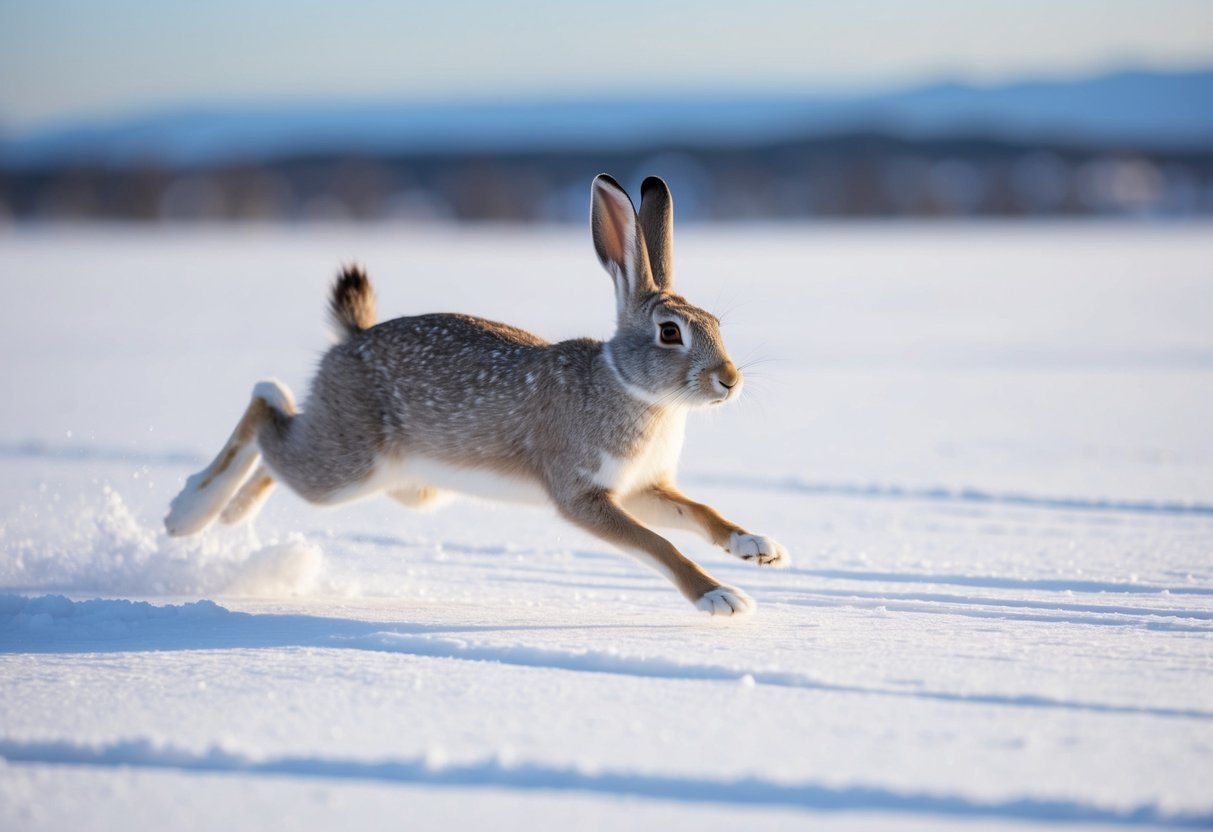
The Arctic hare lives in specific environments that shape its lifestyle and survival. Understanding where these hares thrive helps you appreciate their adaptations and the challenges they face in their natural habitat.
Arctic Regions
You can find Arctic hares in the cold and rugged landscapes of the Arctic regions of North America. They primarily inhabit the tundra, which is characterized by harsh weather, low vegetation, and permafrost.
In places like Greenland and the Canadian Arctic Islands, these hares have adapted to the severe climate. They often huddle together for warmth during harsh winters. This social behavior helps them survive against the chill and predators like Arctic foxes and snowy owls.
Their fur also provides insulation, changing color with the seasons to blend into the snowy landscape, making it easier to avoid detection.
Conservation Status
The IUCN classifies the Arctic hare as “Least Concern,” which means that its population is currently stable. However, this does not mean they are free from threats. Climate change poses significant dangers, altering their habitat and food sources.
While they adapt well to cold, changes like warmer temperatures and reduced snow cover impact their survival. Monitoring their populations is essential to ensure they remain a vital part of the Arctic ecosystem. You can help raise awareness and support conservation efforts focused on these remarkable creatures.
Diet and Foraging Behavior
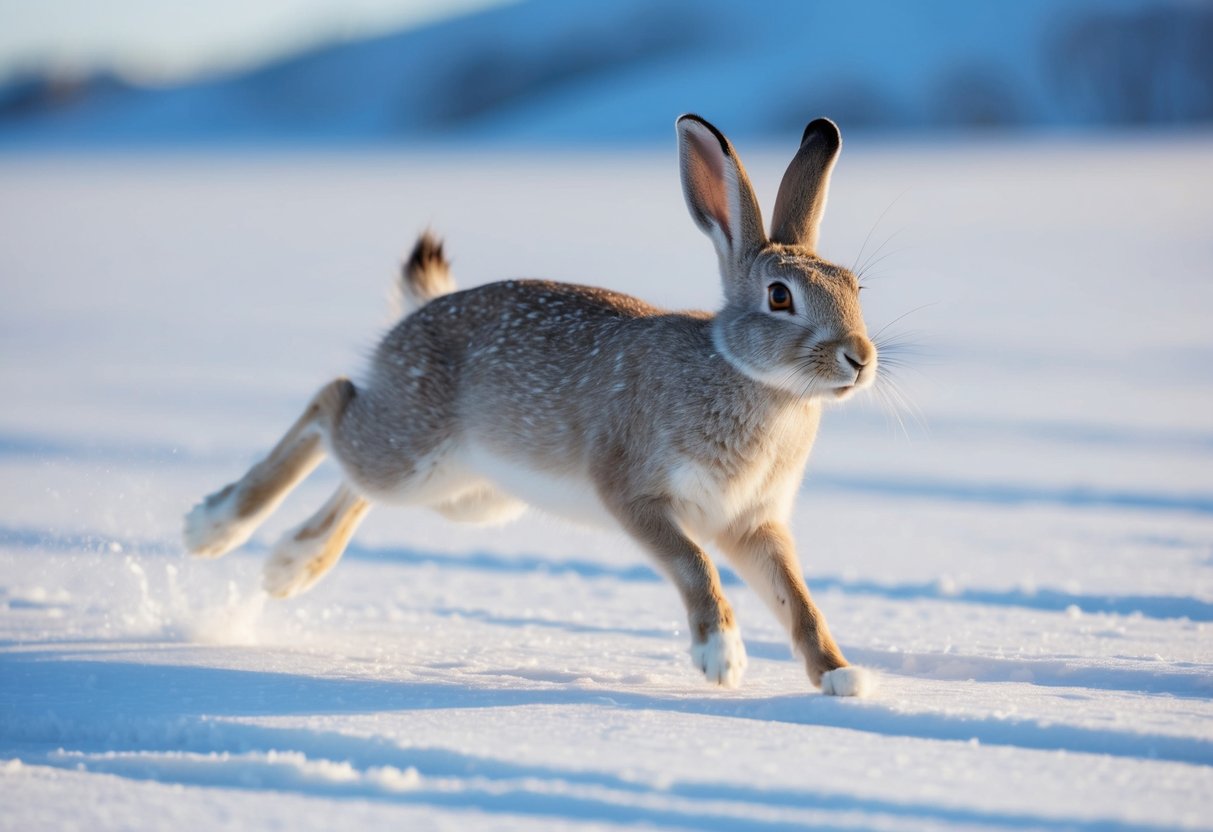
Arctic hares have a unique diet that helps them thrive in their cold habitat. They eat a variety of plants, using specialized foraging behaviors to find food amid snow and ice.
Food Sources
As herbivores, Arctic hares rely on diverse plant life. Their diet includes:
- Willow: A favorite food, providing essential nutrients.
- Mosses and Lichens: Available in winter, these are critical when other plants are buried.
- Woody Plants: They eat bark and buds, especially when food is limited.
- Berries and Leaves: During summer, berries are a delicious treat.
These food sources are important for their survival in harsh conditions. The variety allows them to adapt to seasonal changes.
Feeding Strategies
To find food, Arctic hares use clever techniques. In the winter, they dig through the snow to reach buried plants. This digging helps them access:
- Roots: Found deeper under the snow.
- Woody Plants: They can strip the bark or munch on branches.
During summer, they switch their focus to fresh leaves and berries. They often feed in groups, which can help keep an eye out for predators. By being adaptable, Arctic hares ensure they have enough to eat, even in tough situations.
Reproduction and Lifecycle
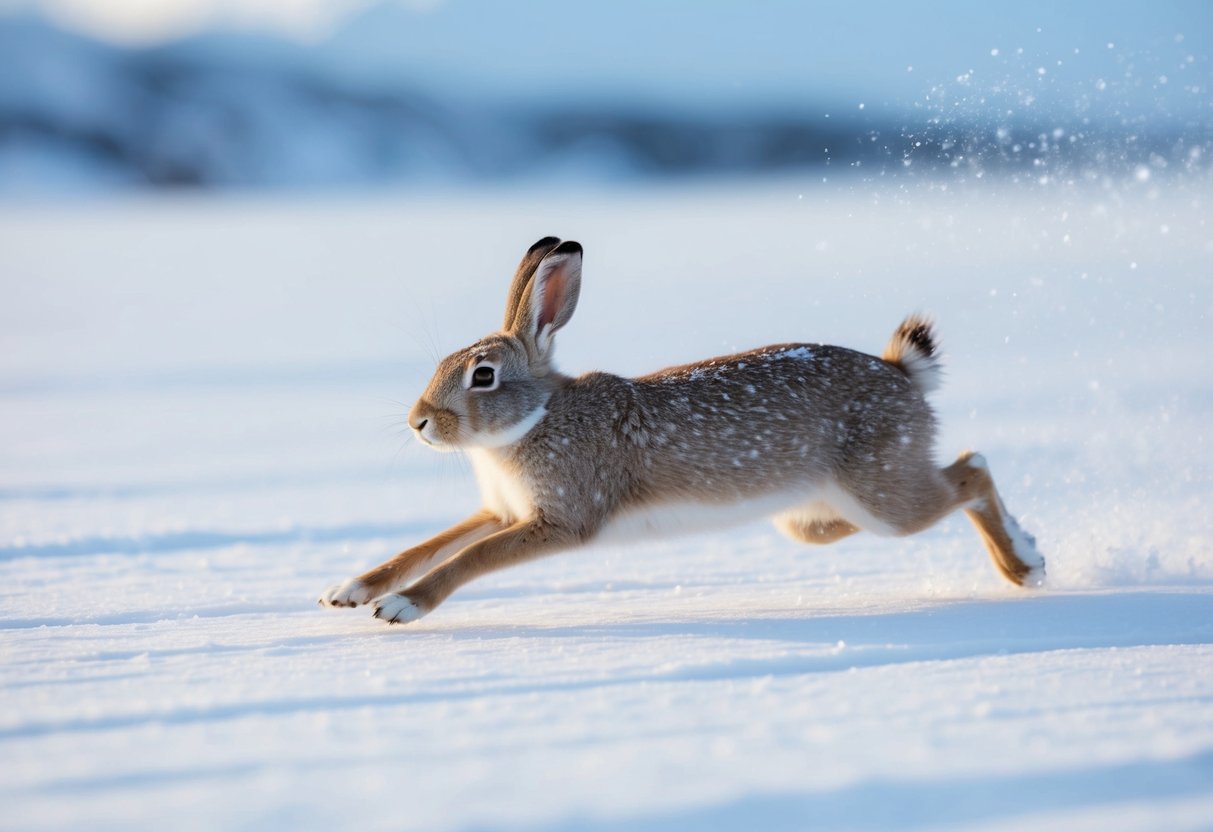
Arctic hares have a unique breeding schedule and lifecycle to adapt to their harsh environment. Their reproduction process involves specific timing and care for their young hares.
Breeding Season
The breeding season for Arctic hares typically occurs in April and May. During this time, male hares, known as bucks, actively seek out females, called does.
Bucks often compete for the attention of does, engaging in fights to show their strength. This competition can involve boxing matches, where they use their powerful legs.
Once a buck wins the attention of a doe, they mate quickly. After mating, the doe prepares for pregnancy, which lasts about 50 to 60 days. This ensures that the leverets, or young hares, are born when food and conditions are better.
Raising Offspring
After the gestation period, a female Arctic hare gives birth to a litter of 1 to 8 leverets. These young hares are born fully furred and with their eyes open, ready to adapt to the Arctic environment quickly.
The mother nurses them for about 4 to 6 weeks, providing essential nutrients. During this time, the leverets start to learn how to hop, eat grass, and survive in the wild.
Interestingly, mothers often leave their young in a nest to forage for food. They return frequently to nurse, ensuring that their young hares grow strong enough to thrive as independently and successfully as possible.


