
Arctic hares are fascinating creatures known for their ability to thrive in extreme cold. If you’ve ever wondered about their lifespan, you’re not alone. Many people are curious whether all Arctic hares live for at least five years.

The truth is that Arctic hares typically live between three to five years in the wild, although some can live up to eight years under the right conditions. Factors such as food availability and environmental conditions can greatly affect their longevity.
Understanding the lifespan of Arctic hares can deepen your appreciation for these resilient animals. As you explore this topic, you’ll discover intriguing insights about their habits and the challenges they face in their harsh Arctic habitat.
All About the Arctic Hare
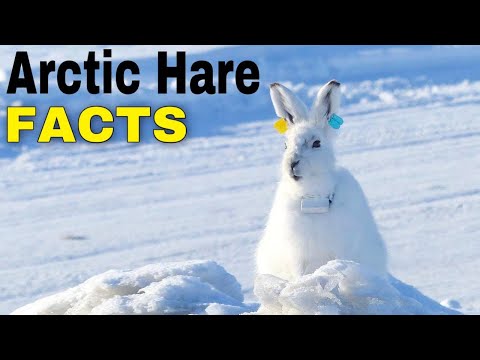
The Arctic hare, known scientifically as Lepus arcticus, is a fascinating animal. Its unique physical traits and adaptations help it thrive in harsh environments. You’ll find out more about these hares’ physical characteristics and the habitats they prefer.
Physical Characteristics
Arctic hares are easily recognizable due to their striking appearance. They have thick, dense white fur that provides insulation against extreme cold. This fur helps them stay warm in their frigid surroundings.
They possess shorter ears compared to other hare species, which reduces heat loss. In addition to their fur and ears, arctic hares have unique black eyelashes that protect their eyes from snow glare.
These hares typically weigh between 8 to 12 pounds, depending on the season and food availability. Their strong hind legs allow them to hop gracefully over snow and ice. You might also notice their small, fluffy tails that add to their charm.
Habitat and Range
Arctic hares are native to the Arctic tundra, where they roam wide-open spaces. This region covers parts of Greenland, Canada, and Alaska. They prefer areas with low vegetation, where they can easily dig for food beneath the snow.
These hares are well-known for their adaptability. They can survive in temperatures as low as -40°F. During winter, their fur changes to a brilliant white, providing camouflage against the snow.
In summer, their fur becomes brown or gray, blending with the rocky terrain. Arctic hares are also skilled swimmers and can cross rivers or lakes when needed. They use their powerful legs to quickly escape predators and navigate their challenging habitat.
Behavior and Diet

Arctic hares have unique feeding habits and reproduction practices that help them thrive in their harsh environment. Understanding these aspects can give you a better appreciation of their resilience.
Feeding Habits
You will find that Arctic hares primarily feed on a variety of plant materials. Their diet includes lichens, leaves, and roots, which they can dig for under the snow. During the summer months, they enjoy tender green plants and shrubs.
These hares use their white fur for camouflage, blending into the snowy landscape as they forage. This helps them avoid predators while searching for food. In winter, they can be found gnawing on woody plants and can even eat the bark of small trees.
Reproduction and Breeding
The mating season for Arctic hares typically starts in early spring. During this time, males engage in various mating rituals to attract females. This includes chasing, hopping, and showcasing their strength.
After mating, the female has a gestation period of about 50 to 60 days. She usually gives birth to leverets, which are well-developed and can move quickly. This rapid development is crucial for survival in their cold habitat. After birth, the mother often hides her young to protect them from predators.
Survival and Longevity

Arctic hares face many challenges in their harsh environment. Their ability to survive greatly influences their lifespan, which typically ranges from 3 to 5 years in the wild. Predators and threats are common, while their adaptations help them navigate these dangers.
Predators and Threats
Arctic hares have a range of natural predators. These include arctic foxes, wolves, and various birds of prey like peregrine falcons, gyrfalcons, snowy owls, and rough-legged hawks. Even red foxes and Canadian lynx can pose a threat.
Due to their size and habitat, Arctic hares must be vigilant. Young hares are particularly vulnerable, as they are often at risk from these predators. Their average lifespan can decrease significantly if they cannot avoid being hunted. Predation is a major factor affecting their longevity.
Adaptations to the Arctic
To survive, Arctic hares have developed several effective adaptations. Their fur changes color with the seasons, allowing for better camouflage against the snowy environment. This helps them hide from predators.
Their large hind legs enable fast running, helping them escape danger. Arctic hares also have a keen sense of smell, which aids them in locating food and detecting threats. Their ability to remain agile in the snow is crucial for survival.
While Arctic hares are listed as least concern in terms of conservation status, habitat changes and predation still affect their population.
Conservation and the Future

You might wonder about the future of Arctic hares. Currently, their conservation status is listed as Least Concern. This means their populations are stable in many areas, including parts of Canada and Greenland.
However, challenges do exist. Habitat loss poses a significant threat. As human activities expand, the hares’ natural habitats, especially the fragile Arctic tundra, can be disturbed.
Another major concern is climate change. As temperatures rise, the tundra ecosystem is changing. This affects food availability and the hares’ ability to survive. Changes in their populations might occur if these trends continue.
Arctic hares can be found in various locations, such as Newfoundland, Labrador, and Ellesmere Island. Their ability to adapt to different environments helps them cope, but constant changes can be hard for them.
Protection efforts are essential. By focusing on habitat preservation and monitoring population levels, you can help ensure the Arctic hares thrive in their natural homes. Supporting conservation initiatives can make a difference in maintaining the delicate balance of life in the polar regions.


