
Arctic hares, known scientifically as Lepus arcticus, are fascinating creatures that change their fur color to adapt to the changing seasons. They turn brown in the summer to help them blend into their environment and stay safe from predators. This seasonal camouflage is a clever survival strategy that allows them to thrive in their natural habitat.

As the days grow longer and warmer, the Arctic hare’s brain responds to the changing light by triggering the transformation from white winter fur to grayish-brown. This adaptation is not only essential for survival but also showcases the remarkable ability of these hares to respond to their surroundings. With climate change affecting habitats, understanding these adaptations takes on new importance.
These stunning creatures have long been a subject of intrigue, especially as their fur changes in relation to seasonal shifts. Join me as we explore the incredible world of the Arctic hare, how they adapt, and what their changing colors reveal about the impact of climate change on their survival.
Understanding the Arctic Hare

The Arctic hare is a fascinating creature with unique characteristics that help it thrive in the harsh polar regions. This section will explore its physical traits, habitat, diet, and reproductive habits.
Physical Characteristics
The Arctic hare has several notable physical features. Its body measures about 22 to 28 inches long and weighs between 9 to 12 pounds. Its long hind legs allow for quick jumps, reaching speeds of up to 40 miles per hour, which helps it escape predators.
In winter, the hare grows a thick, white coat to blend in with the snow. In the summer, it changes to a grey-brown color, helping it blend in with rocky tundra and vegetation. This seasonal change in fur color is a vital adaptation for survival.
Additionally, the Arctic hare has long claws that help it dig through snow and ice to find food. Its strong incisors enable it to gnaw on tough plant materials.
Habitat and Distribution
You can find the Arctic hare primarily in the Arctic tundra of Northern Canada and other polar regions. This environment is harsh, with cold temperatures and long winters. The hare has adapted to these conditions by developing a thick coat and burrowing behavior.
These hares often live in groups, which helps them stay warm and safe from predators. They prefer open areas where they can find food easily and escape threats quickly.
The North Slope of Alaska and areas around the Canadian Arctic are also home to significant populations of Arctic hares. Their ability to thrive in extreme conditions makes them a resilient species.
Diet and Foraging Behavior
As herbivores, Arctic hares primarily eat woody plants and shrubs. Their diet includes willow twigs, dwarf birch, grasses, sedges, and even lichens. During winter, they dig through the snow to reach their food sources.
In the summer months, they have a more diverse diet, taking advantage of the abundant plant life. You might see them foraging alone or in groups, which can help them find more food.
Their strong incisors help them efficiently strip leaves from branches. This foraging behavior plays a critical role in their survival during harsh winters, where food can be scarce.
Reproductive Habits
The mating season for Arctic hares usually occurs in spring. Males engage in chasing and fighting to win over females. After mating, the female has a relatively short gestation period of around 50 days.
She typically gives birth to 1 to 8 young, known as leverets, in a simple nest made in the ground. These young are born fully furred and with their eyes open, which helps them survive in a challenging environment.
The Arctic hare’s ability to reproduce quickly during the short Arctic summer ensures that their population can grow despite the strict challenges posed by their habitat.
Adaptive Strategies for Survival

Arctic hares use several clever strategies to survive in their harsh environments. Their ability to change fur color helps them blend in with the seasons. They also have adaptations in their digestive system and behavior that support their survival against environmental challenges.
Seasonal Colour Change
In summer, Arctic hares display a grey-brown coat. This coloration helps them stay hidden among the rocks and plants of their tundra habitat. In autumn, they undergo a process called seasonal moulting, where they shed their summer fur and grow a pure white winter coat. This change is essential for winter survival, as the snowy landscape makes it easier to avoid predators.
The timing of the molt is influenced by photoperiod, the amount of daylight. As days get shorter, hares prepare for winter by transitioning to their white fur. This camouflage offers protection from predators like the snowshoe hare. The seasonal change is a perfect example of how adaptation helps animals thrive in their specific environments.
Environmental Challenges and Adaptations
Arctic hares face extreme weather and changing climates. Their thick fur keeps them warm in freezing temperatures. They also have powerful legs that allow them to escape from danger quickly. When necessary, they can reach speeds of up to 60 km/h in short bursts.
Their digestive system is specially adapted to process the tough vegetation available during summer. They eat a variety of plants, which helps fuel their energy needs. In winter, they rely on the bark and twigs of shrubs to stay nourished.
Climate change poses challenges for Arctic hares, altering their habitats and food sources. As temperatures rise, adapting to these changes becomes critical for their survival.
Interactions with Predators and Ecosystem
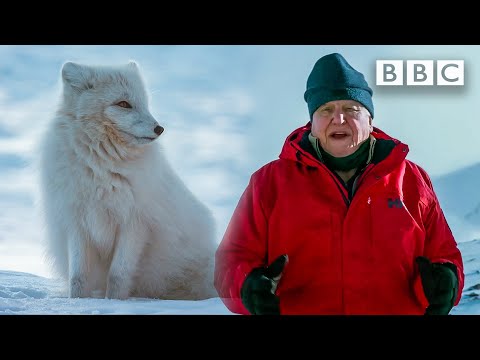
Arctic hares play a vital role in their environment, facing various predators while also serving as a key food source. You can observe how their adaptations help them survive and thrive amid these challenges.
Predation and Defense
Arctic hares have many natural predators, including Arctic foxes, Snowy owls, and even polar bears. To avoid becoming a meal, young hares rely on their camouflage. In summer, their brown fur helps them blend into the landscape, while in winter, their white coat matches the snow.
These hares have unique defenses. They use speed and agility to escape threats. When alarmed, they may dash away in zigzag patterns to confuse their pursuers. In addition to fleeing, hares may also freeze in place, relying on their fur color for cover. This clever strategy helps them evade detection, especially in the tundra.
Role in the Tundra Ecosystem
Arctic hares are important herbivores in their habitat. They primarily feed on grasses, flowers, and twigs. By grazing on plants, they help maintain the balance of the tundra ecosystem.
Their presence supports other wildlife. Predators like Arctic foxes and Snowy owls depend on hares for food. Fluctuations in hare populations directly affect these predator species. This dynamic helps keep the ecosystem healthy.
It’s essential to consider their conservation status. Protecting Arctic hares ensures the stability of the entire tundra ecosystem. As you learn more about these fascinating creatures, you gain insight into the intricate relationships within their world.


