
Arctic hares have a fascinating way of adapting to their environment, especially when it comes to their fur color. As seasons change, these hares transform from a greyish-brown in the summer to a pure white in winter. This change helps them blend into their snowy surroundings, making it much harder for predators to spot them.
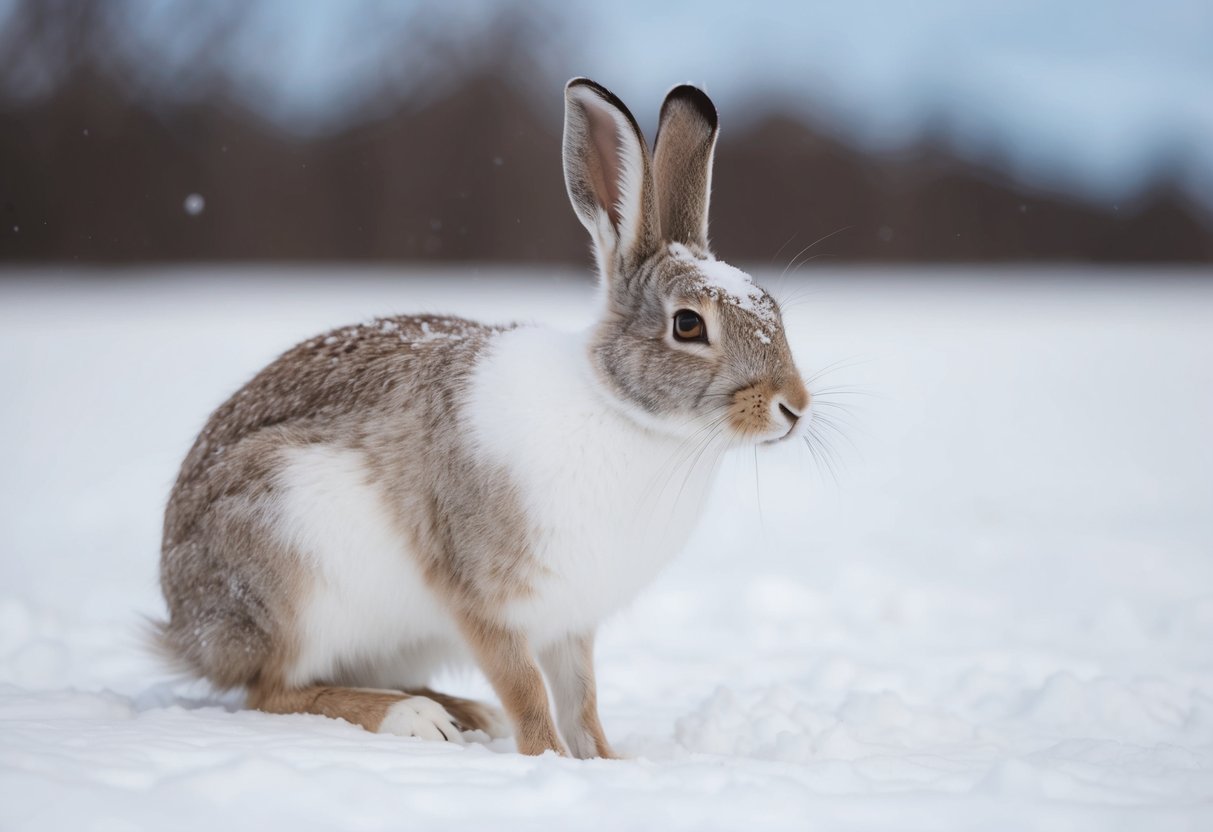
You might wonder why this clever adaptation matters. By changing color, Arctic hares improve their chances of survival in a harsh climate where food can be scarce, and danger lurks. This ability to camouflage is crucial not just for hiding from predators but also for thriving in their icy homes.
Curious about how this process works and what triggers these color changes? Stay tuned as we explore the science behind this incredible survival technique and how the Arctic hare perfectly showcases nature’s ingenuity.
Understanding the Arctic Hare

The Arctic hare is a fascinating mammal known for its unique adaptations to the cold tundra. This section covers the hare’s physical traits, diet, and reproduction. You’ll discover how these elements help the Arctic hare survive in its harsh environment.
Physical Characteristics and Habitat
The Arctic hare is a large hare species, often weighing between 4 to 6.5 kilograms (9 to 14 pounds). It has thick fur that changes color with the seasons—white in winter for camouflage against snow, and gray-brown during summer.
Its body is compact, helping it retain heat. Arctic hares have long hind legs that allow them to sprint quickly—up to 60 km/h (37 mph)—to escape predators like foxes and snowy owls. These hares typically inhabit the cold tundras of North America, Greenland, and parts of Europe, where they dig shelters in snow to stay warm.
Diet and Foraging Behavior
Arctic hares are herbivores, primarily feeding on a variety of plant materials. In summer, they munch on grasses, flowers, and leaves. During winter, they rely on twigs and bark when snow covers the ground.
To stay healthy, these hares forage in different areas, sometimes moving in social groups. This not only helps in locating food but also offers protection against predators. They have strong front teeth for gnawing on tough plant materials, which is essential for their survival in the Arctic environment.
Reproduction and Lifecycle
Arctic hares have a breeding season that typically begins in early spring. Females can have multiple litters throughout the summer, with each litter containing 2 to 8 young.
The young hares, called leverets, are born with fur and open eyes, allowing them to be more independent from birth. After a few weeks, they start to forage for food. The young stay with their mother for about 4 to 5 months, learning necessary survival skills. The Arctic hare usually lives around 3 to 5 years in the wild, though some may live longer in protected areas.
Mechanisms of Color Change
Arctic hares have developed fascinating ways to change their coat color. This change helps them blend into their surroundings, which is crucial for survival. Understanding how this color change occurs reveals the intricate mechanisms behind their seasonal adaptations.
Seasonal Camouflage and Molting
Arctic hares undergo a process called molting, where they shed their fur and grow a new coat. In winter, they develop a thick, white coat that matches the snowy environment. This camouflage helps them avoid predators.
During summer, their coat shifts to a brown or gray color, blending with rocky terrains and vegetation. This seasonal transition usually happens in response to changes in light and temperature. The timing of this molting is vital for effective camouflage.
Genetic and Pigmentation Factors
The color change in Arctic hares is controlled by specific genes that influence pigmentation. A key factor is the pigmentation gene, which determines whether the coat appears brown or white.
Research shows that these genes respond to environmental cues, such as daylight length. When days get shorter in fall, the gene signals the hare to grow a winter coat.
This genetic regulation ensures hares have the right color at the right time, enhancing their ability to hide from threats.
Adaptations for Survival
Arctic hares have special traits that help them survive in their cold environment. Their unique color-changing fur and quick movements are key to keeping them safe from predators.
Evading Predators through Camouflage
One of the most interesting adaptations of Arctic hares is their ability to change color with the seasons. In winter, their fur turns white, blending in with the snow. This camouflage is vital for hiding from predators like foxes and birds of prey. In summer, their coat changes to a grayish-brown shade, helping them blend into the tundra’s rocky and grassy landscapes.
This seasonal color change not only aids in hiding but also affects their survival rate. When you see an Arctic hare, notice how well it matches its surroundings. The better they can hide, the less likely they are to be caught.
Speed and Behavior as Defensive Mechanisms
Arctic hares are built for speed, reaching up to 40 miles per hour. This quickness helps them escape when predators get too close. Their long, powerful hind legs allow for quick sprints and sharp turns, making them hard to catch.
Besides physical speed, their behavior also plays a role in their survival. They often stay in small groups, which makes it easier to spot danger. When threatened, they may also use distraction techniques, like freezing in place to avoid detection. Your understanding of these behaviors can give you a deeper appreciation for how Arctic hares manage to thrive in a challenging environment.
Impact of Environmental Changes
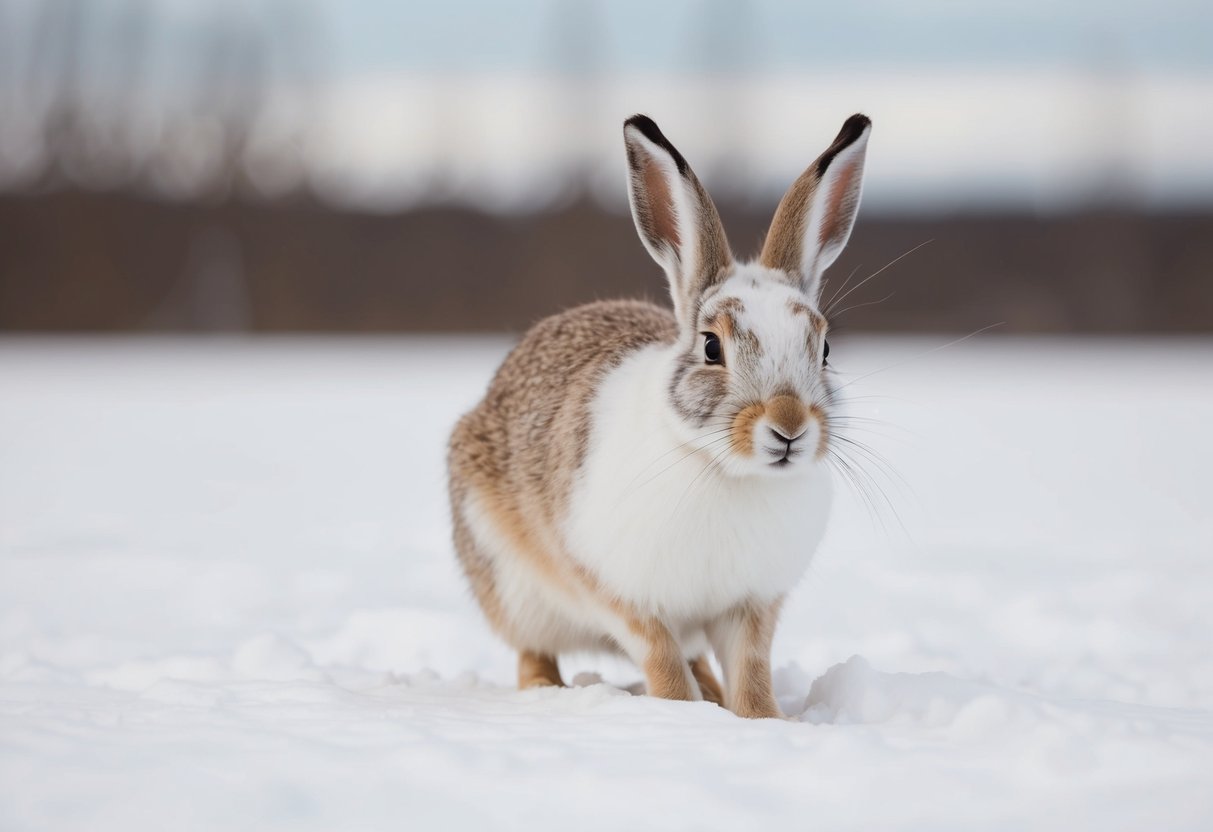
Environmental changes greatly affect the Arctic hares and their ability to adapt. Climate change has shifted snow cover patterns, impacting how these hares survive in their habitats. This section highlights how these changes create challenges and opportunities for resilience.
Climate Change and Its Effects
Climate change leads to a shorter winter duration in many areas. This change results in less snow cover during winter, which Arctic hares rely on for camouflage. As a result, their natural color molt from brown to white may no longer align with their surroundings.
In the last few decades, the inconsistency in snow patterns has forced hares to adapt quickly. Some studies show that Arctic hares are struggling to adjust their timing for changing colors. This mismatch can increase their vulnerability to predators, making survival more difficult.
Camouflage Mismatch and Survival Implications
Camouflage is crucial for the survival of Arctic hares. When their coat color does not match the environment, predators can easily spot them. Research indicates that hares are considered mismatched if their coat color differs from their surroundings by more than 60%.
This mismatch can lead to higher predation rates, threatening the hare population. In regions with rapid environmental change, hares face difficulty in finding the right balance between camouflage and their natural coat color.
The challenges posed by thinner snow cover can also lead to a change in distribution. Some hares may need to migrate to areas with more suitable conditions. This evolution can be seen as a form of evolutionary rescue, but it may not be enough to prevent extinction in the long run.


