
The Arctic is home to many unique creatures, but you might wonder if snow hares, also known as Arctic hares, are among them. Yes, snow hares live in the Arctic. These remarkable animals have adapted beautifully to their cold, harsh environment, thriving where few others can.

As you explore the life of the Arctic hare, you’ll discover their incredible adaptations that help them survive freezing temperatures and limited food sources. From their thick fur to their strong hind legs, there’s so much to learn about how they navigate the challenging conditions of the tundra.
Join me as we dive deeper into the habits, characteristics, and habitats of these amazing animals, and see what makes them a true symbol of resilience in the Arctic.
Understanding the Arctic Hare
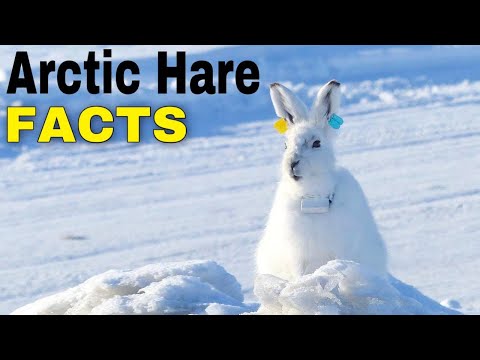
The Arctic hare is a unique creature adapted to the cold environments of the Arctic. It has interesting features and a fascinating habitat that you will find intriguing.
Taxonomy and Appearance
The Arctic hare, known scientifically as Lepus arcticus, is a member of the Leporidae family. It shares similarities with rabbits but has distinct characteristics.
You will notice its white coat, which helps it blend into the snowy surroundings during winter. In summer, this coat can turn a blue-gray color. The hare’s shortened ears and thick fur are also adaptations to the harsh climate, providing insulation against the cold.
Adult Arctic hares can weigh between 4 to 11 kilograms, depending on their habitat. Their long hind legs allow them to run very fast, reaching speeds up to 40 miles per hour to escape predators.
Habitat and Geography
The Arctic hare thrives in the Arctic tundra, where the environment is rugged and cold. You can find them in regions such as Ellesmere Island, northern Greenland, and parts of Newfoundland.
They inhabit areas where snow cover is consistent. This environment includes rocky outcrops and ice plains, perfect for making their shelters. In the Canadian Arctic islands and northern Canada, Arctic hares are commonly seen.
Their habitat provides them with food resources like woody plants and grasses, which they depend on during the growing season. These hares are well-adapted to survive in extreme cold, maintaining a body temperature of around 38.5°C (101.3°F).
Dietary Habits and Predation

Snow hares have adapted to their cold environment by developing unique dietary habits and facing various natural predators. Understanding what they eat and who preys on them can give you a better picture of their survival in the Arctic.
Feeding Patterns
As herbivores, snow hares primarily enjoy a plant-based diet. They are classified as folivores, which means they eat leaves and other green plant materials.
During the summer months, you might find them munching on soft grasses, herbs, and a variety of plants like saxifrage and crowberry.
In winter, when resources are scarce, snow hares dig through snow to access woody plants, buds, and roots. Their diet includes tender twigs from the dwarf willow and other shrubs. They also consume lichens and mosses, which provide essential nutrients. This diverse diet allows them to adapt to the seasonal changes in their habitat.
Natural Predators
Snow hares face various predators in the Arctic. Their main threats include arctic foxes, red foxes, and birds of prey like snowy owls and gyrfalcons. These predators rely on their hunting skills to catch snow hares, who must stay alert.
You might also see larger predators like the Canadian lynx and rough-legged hawks stalking these hares. Ermines are smaller but agile enough to catch young hares. Snow hares rely on their speed and ability to blend into the snowy environment to evade these predators. Keeping an eye on their surroundings is crucial for their survival.
Reproduction and Lifespan

Snow hares have fascinating breeding habits, with specific timing and care for their young. Understanding their reproduction and lifespan offers insight into how they thrive in harsh Arctic environments.
Breeding Behaviors
The breeding season for Arctic hares typically starts in late winter to early spring. During this time, males actively seek out females, establishing small mating territories.
Males will often engage in displays of strength, such as boxing, to impress potential mates. This helps establish hierarchy and attracts females. When a female is ready to mate, she may choose a male based on his displays during these encounters.
After mating, the female prepares for the arrival of her young. She looks for a safe spot where she can give birth and care for her offspring.
Development of Offspring
Once a female Arctic hare is pregnant, the gestation period lasts about 50 days. This timeframe allows the mother to prepare for the arrival of her litter, which typically ranges from 2 to 8 leverets.
When the leverets are born, they are fully furred and have their eyes open, making them relatively independent right from the start. They stay with their mother for several weeks while learning to forage for food.
Arctic hares usually reach maturity and can breed for the first time at about one year of age. In the wild, their lifespan generally ranges from 3 to 5 years, though survival can be lower in harsh conditions.
Conservation and Adaptation

Snow hares, also known as Arctic hares, showcase remarkable ways to survive in the icy tundra. Their adaptations enable them to thrive in their harsh environment, while their conservation status reflects their ability to maintain healthy populations despite the challenges they face.
Physical Adaptations
Snow hares have developed several physical adaptations to cope with the freezing temperatures and snowy landscapes. Their thick coat provides insulation, keeping them warm in extreme cold. In winter, their fur turns pure white, offering camouflage against the snow.
The hares are also built for speed. They can run up to 40 mph, using their powerful hind legs to jump far and fast. This ability is essential for escaping predators. Their large paws help them navigate snow with ease and reduce their low surface area exposure to cold. Additionally, some hares dig burrows for shelter, which provides extra warmth and safety.
Conservation Status
The IUCN classifies the conservation status of snow hares as Least Concern. This means their populations are stable, and they are not currently at risk of extinction.
These hares are adaptable and can thrive in various tundra habitats, where they primarily feed on plants.
While they are generally solitary and do not form large groups, the lack of significant threats helps sustain their numbers. However, climate change and habitat loss could impact their future.
Keeping an eye on environmental changes is vital for ensuring their continued survival.


