
When you think about Arctic hares, you might wonder about their stunning white fur during the winter months. Yes, Arctic hares do have white fur in the winter, which serves as vital camouflage against the snow. This adaptation not only helps them hide from predators but also keeps them warmer in the harsh Arctic environment.

The Arctic hare, known scientifically as Lepus Arcticus, has developed this white coat as a key survival strategy. In summer, their fur changes to a grayish-brown color, blending in with the rocky tundra landscape. This ability to adapt their fur color according to the seasons is essential for thermoregulation and insulation against freezing temperatures.
Understanding these fascinating adaptations can help you appreciate the Arctic hare’s role in its ecosystem. Their changes in fur color illustrate how these creatures have evolved to thrive in extreme conditions, making them truly remarkable animals of the frozen north.
Physical Characteristics of the Arctic Hare
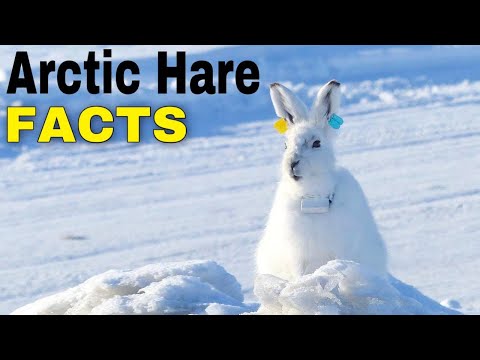
The Arctic hare has special features that help it survive in its cold environment. This includes its unique fur color and size that aid in insulation and camouflage against snow.
Fur and Color Change
In winter, the Arctic hare sports a thick, fluffy coat that turns a brilliant white. This white fur provides excellent camouflage in the snow, helping it hide from predators.
As the seasons change, so does their fur. In summer, the coat shifts to a blue-gray color, blending in with the tundra’s rocky terrain. This color change is vital for survival, as it allows the hare to adapt to different environments. Fur also helps with insulation, keeping them warm during frigid temperatures.
Size and Body Adaptations
The Arctic hare has several physical adaptations. They typically weigh between 8 to 12 pounds, providing a good amount of body fat for warmth.
One of their key features is their shortened ears compared to other hares. This reduces heat loss in cold conditions. Their large, fluffy feet act like snowshoes, making it easier to move across deep snow.
With a low surface area to volume ratio, Arctic hares retain heat more effectively. These adaptations ensure the hare thrives in harsh Arctic habitats, showcasing nature’s clever design.
Habitat and Range

Arctic hares thrive in unique environments that shape their behavior and adaptations. They are well-suited to cold areas and have a specific range that influences their lifestyle.
Arctic Tundra Environment
The Arctic tundra is a cold, treeless biome characterized by short growing seasons and permafrost. This environment has a harsh climate with long, icy winters and limited vegetation, which includes mosses, lichens, and small shrubs.
In winter, temperatures can drop significantly, creating a landscape covered in snow. Arctic hares have adapted to this environment, using their white fur as camouflage against the snowy backdrop. Their strong legs help them move easily through deep snow, and they often dig shelters to stay warm.
The tundra ecosystem supports various wildlife, including the snowy owl and caribou. Each species plays a role in maintaining the balance of this unique habitat.
Geographical Distribution
Arctic hares are found across vast regions of the Arctic tundra. Their range includes parts of northern Canada, Greenland, Alaska, and the Arctic Islands.
You can find them in areas like Labrador and Nunavut, where they adapt to local conditions. They live in colonies, often near snow and ice, which helps them evade predators.
These hares prefer open spaces, making it easier to escape threats. Their specific classification places them among other tundra dwellers, showing how they fit into the larger ecosystem.
Behavior and Diet

Arctic hares are fascinating creatures with unique behaviors and dietary habits. They have adapted well to their cold environment and have interesting ways of finding food and avoiding predators.
Foraging Habits and Food Sources
When foraging, Arctic hares rely on a diet that includes a variety of plants. Their primary food sources are woody plants, grasses, and mosses. In summer, they eat more leaves, buds, and even berries. During the harsh winter months, they dig through snow to reach roots and lichens.
Their thick fur helps them stay warm while they search for food. The Arctic Willow is a favorite, providing essential nutrients. Arctic hares are mostly nocturnal, meaning they are active at night when it’s safer to forage. Their large hind legs enable them to hop quickly, helping them escape from potential threats.
Social Behavior and Predation
Arctic hares are known for their solitary lifestyle. They usually prefer to be alone, but sometimes they can be seen in small groups. Despite this, they remain cautious, as they have many predators. Common threats include arctic wolves, arctic foxes, and red foxes.
When it comes to safety, they often seek shelter in dense shrubs or among rocks to hide from predators. Their white winter coat acts as great camouflage against the snow, helping them evade detection. You may see them freezing in place, waiting for danger to pass, or making swift jumps to escape.
Conservation Status and Human Impact
Arctic hares are currently listed as Least Concern by the IUCN, indicating that their populations are relatively stable. However, climate change and habitat loss due to human activities pose threats to them. Changes in vegetation affect their food supply.
Also, harsh climates can impact their survival and reproduction rates. In some areas, increased hunting and habitat destruction pose risks. Effective conservation efforts focus on protecting their natural environments. Working to preserve the Arctic ecosystem ensures that these unique hares can thrive in the wild.


