
Rabbits are charming and delicate creatures that you might find hopping around in gardens or farms. Their cute appearance often makes people overlook the real dangers they face. Especially in urban settings, predatory pets like cats and dogs pose the biggest threat to rabbits. Understanding what endangers rabbits is essential for ensuring their safety, whether you keep them as pets or admire them in the wild.
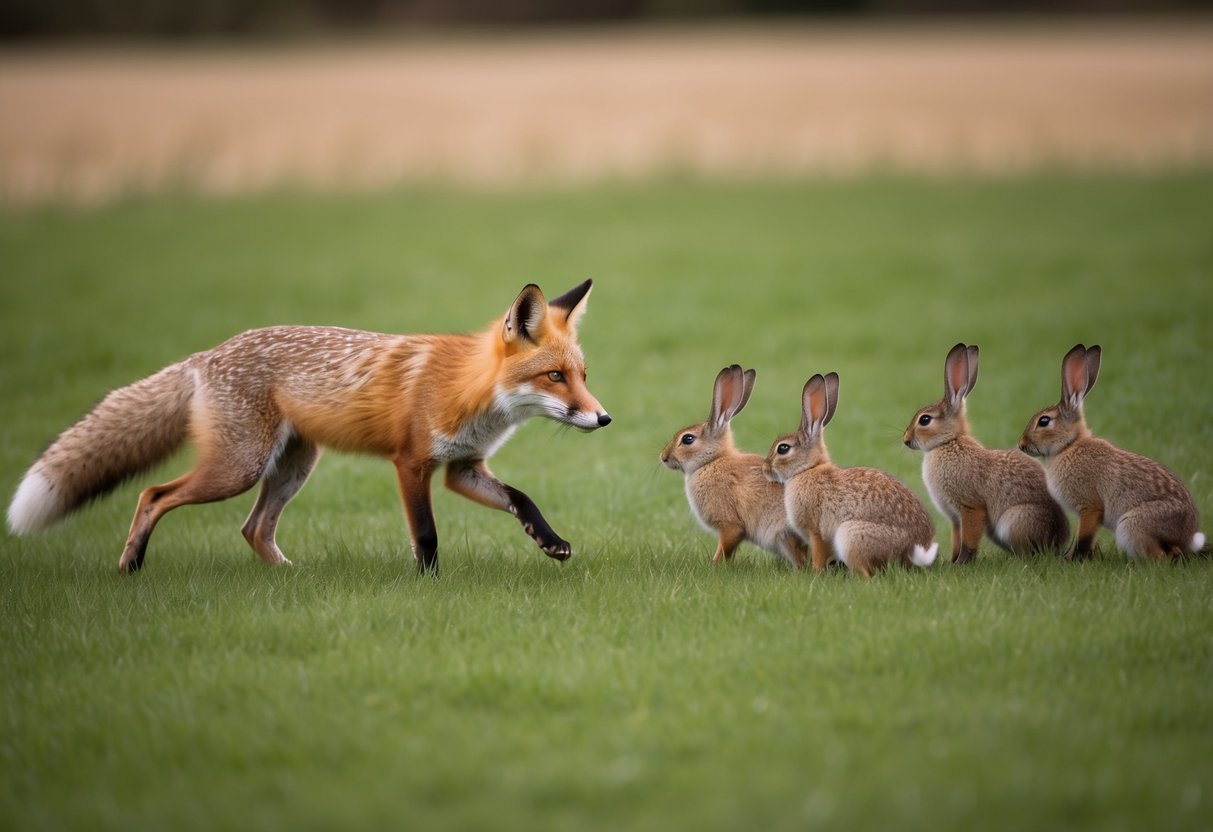
Outdoor rabbits are also significantly affected by wild predators such as hawks and coyotes. These animals see rabbits as a primary food source, especially at dawn and dusk when rabbits are most active. By learning about these threats, you can take steps to protect rabbits from potential harm and contribute to their well-being in your area.
In this article, you will discover more about the various dangers facing rabbits and how you can help keep them safe. Whether you are a rabbit owner or simply a fan of these adorable animals, this information will provide valuable insights into their protection and care.
Predation and Rabbits

Predation plays a major role in the lives of rabbits, affecting their populations and behavior. Understanding the common predators, the impact of predation on wild populations, and how to protect pet rabbits can help you appreciate these fascinating animals.
Common Predators of Rabbits
Rabbits face threats from various predators, both in the wild and urban settings. Some common predators include:
- Foxes: Known for their cunning and stealth.
- Coyotes: Fast and adaptable hunters that can chase down rabbits.
- Birds of Prey: Eagles, hawks, and owls rely on vision to spot rabbits from above.
- Cats and Dogs: Domestic pets can pose a danger, especially when roaming outdoors.
- Raccoons and Weasels: These smaller mammals also hunt rabbits, particularly the young.
Baby rabbits are especially vulnerable, as they are less able to escape danger.
Impact of Predation on Wild Rabbit Populations
Predation has a significant impact on wild rabbit populations. It helps maintain a balance in ecosystems. When rabbit populations grow too large, predators increase in number, which controls the rabbit population naturally.
This dynamic means that if rabbit numbers fall due to other pressures, like habitat loss or disease, predators may decrease as well. Nocturnal predators, like raccoons and foxes, tend to hunt at night, making rabbits more cautious during twilight hours.
High predation levels can lead to lower survival rates for baby rabbits, affecting future generations.
Protection Against Predators for Pet Rabbits
If you have pet rabbits, safeguarding them from predators is crucial. Here’s how you can protect your furry friends:
- Secure Enclosures: Ensure their habitats are strong and safe from larger animals.
- Indoors is Best: Keep your rabbits inside to avoid threats from outdoor predators like coyotes or owls.
- Supervised Playtime: When playing outside, supervise your rabbits closely to prevent them from escaping or encountering predators.
- Cover Open Areas: Use plants and shelters to provide hiding spots if they are outside.
By taking these precautions, you can help keep your rabbits safe and secure from the many predators they might face.
Health Threats to Rabbits

Rabbits can face serious health threats from various diseases and injuries. It’s essential to be aware of these issues to keep your furry friend safe and healthy.
Deadly Diseases for Rabbits
Rabbits are susceptible to several deadly diseases. Two of the most concerning ones are Myxomatosis and Rabbit Haemorrhagic Disease (RHD). Myxomatosis is spread by insects and can cause swelling, skin lesions, and often leads to death within days. RHD is caused by the Rabbit Haemorrhagic Disease virus (RHDV) and can rapidly kill rabbits, even those that seem healthy.
Additionally, RHD has a variant known as RHDV2 that affects even vaccinated rabbits. Other diseases to watch for include tularemia, which can be transmitted through contact with infected animals. Keeping your rabbit indoors and avoiding risky environmental factors can help protect them. Regular vaccinations are vital as well.
Treating and Preventing Injuries
Injuries are another major health risk. Bite injuries from other pets or aggressive encounters can lead to infections. Check your rabbit for any wounds and clean them with mild antiseptics. Contact a veterinarian for serious injuries.
Preventative care is crucial. Keeping your rabbit’s space clean and free from sharp objects can reduce injury risks. Be cautious with food, too. For instance, avoid giving your rabbit iceberg lettuce as it can cause digestive problems. Instead, provide a balanced diet of hay and safe greens. Regular check-ups can help spot potential issues early, ensuring your rabbit remains a happy and healthy companion.
Habitat and Environmental Concerns
Rabbits face significant threats from habitat loss and degradation, impacting their overall populations. It’s vital to understand these concerns to appreciate the challenges rabbits and their ecosystems encounter.
Habitat Loss and Degradation
Habitat loss occurs when natural environments are altered or destroyed. This can happen due to urban development, agriculture, and deforestation. In places like Australia, European rabbits have contributed to the decline of native species by overgrazing.
Degradation, on the other hand, refers to the decline in the quality of habitats. Pollution and invasive species also lead to unhealthy environments for rabbits. These changes threaten not just rabbit populations but the biodiversity of entire ecosystems.
Effective management is needed to combat these trends. Preserving undisturbed land can help restore natural habitats for wild rabbit species.
Conservation Efforts for Rabbit Habitats
Conservation plays a crucial role in protecting rabbit habitats. Various organizations work to restore ecosystems where rabbits live. They implement strategies like creating protected areas and encouraging sustainable land use.
A key approach involves habitat restoration, such as replanting native vegetation. This helps improve the living conditions for lagomorphs and other wildlife. Efforts also focus on controlling invasive species that damage natural habitats.
Awareness campaigns are essential to educate the public about these issues. You can participate by supporting local conservation initiatives that focus on maintaining biodiversity and promoting healthy ecosystems for rabbits and other animals.
Human Influences on Rabbit Welfare
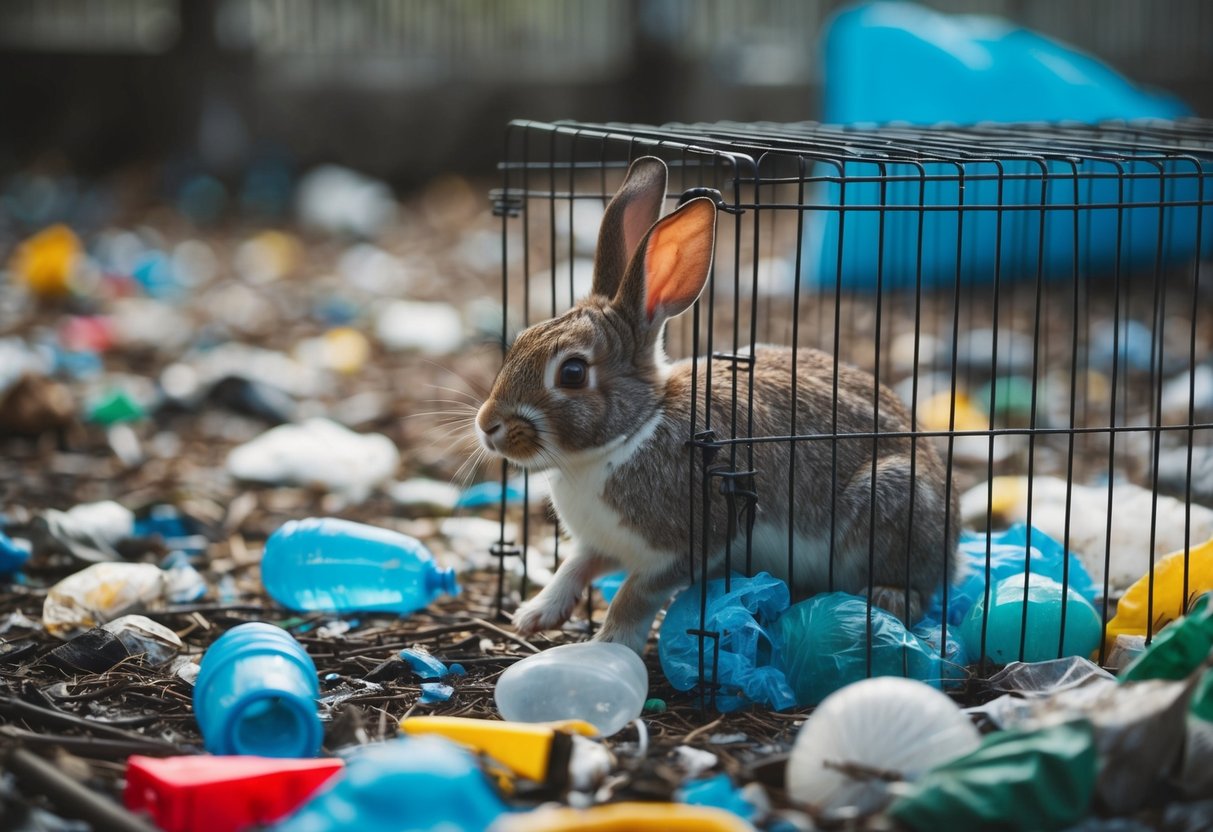
Human activities greatly affect rabbit welfare, whether through pet ownership or industries like fur production. Understanding these influences can help you know what challenges rabbits face in their lives.
The Role of the Pet Trade
The pet trade plays a significant role in rabbit welfare. Many people adopt pet rabbits without fully understanding their needs. This can lead to neglect if rabbits are not given enough space, social interaction, or proper care.
Many rabbits end up in shelters when owners realize they can’t meet these needs. Additionally, the overbreeding of rabbits for the pet trade can lead to health problems. Responsible ownership is vital to ensuring happy, healthy lives for pet rabbits.
Rabbits and the Fur Industry
The fur industry also poses serious risks to rabbit welfare. Many rabbits, like the riverine rabbit, are bred for their fur in harsh conditions that prioritize profit over well-being.
These rabbits often live in cramped cages with little to no enrichment. This limits their natural behaviors and can lead to stress and health issues. Furthermore, practices in this industry can result in inhumane treatment during their lives and at the time of slaughter.


