
If you’re considering adding a pet rabbit to your home, you might wonder about the challenges involved. Rabbits can be delightful companions, but they need more care and commitment than many people realize. They are not just cute and cuddly; they can be mischievous and need a lot of attention.

Owning a pet rabbit means understanding their unique needs, like a specific diet and a safe environment. You’ll also have to think about the time it takes to bond with your bunny and handle behaviors that may surprise you.
It’s important to weigh these factors before deciding if a rabbit is the right pet for you.
By exploring what it means to care for a rabbit, you can make an informed choice. Whether you’re a first-time pet owner or looking to expand your furry family, knowing what to expect can lead to a happy life for both you and your new friend.
Understanding Rabbits as Pets

Rabbits can be delightful companions, but they have unique needs and social behaviors. It’s essential to recognize their personality traits and how they fit into your home before bringing one into your life.
Rabbits as Social Animals
Rabbits are naturally social creatures. In the wild, they live in groups called warrens, which helps them feel safe from predators. Because of this instinct, your pet rabbit will thrive better with companionship, either from you or another rabbit.
Rabbits enjoy interacting through gentle play and can bond closely with their human caretakers. Regular handling, gentle petting, and interactive toys help build trust. They also communicate with body language, such as thumping when they feel threatened or binkying when they’re happy.
Keep in mind, social interaction is not just a luxury for rabbits; it’s a necessity. A lonely rabbit may become depressed or develop behavioral issues, so consider adopting a pair if you want a happy, healthy pet.
The Mistaken ‘Starter Pet’ Myth
Many people think of rabbits as easy starter pets. This belief is misleading. While rabbits tend to be gentle creatures, they require a lot of care and attention.
They need a proper diet, which includes hay, fresh veggies, and limited pellets. Creating a safe environment is crucial too. Pet rabbits are prey animals, which means they can get stressed easily by loud noises or unfamiliar situations.
Rabbits also need regular exercise and mental stimulation. A lack of these can lead to health problems and destructive behavior. So, if you’re considering a rabbit, be prepared for responsibility. They are not just cute fluffballs; they need a committed caretaker.
Basic Care Requirements
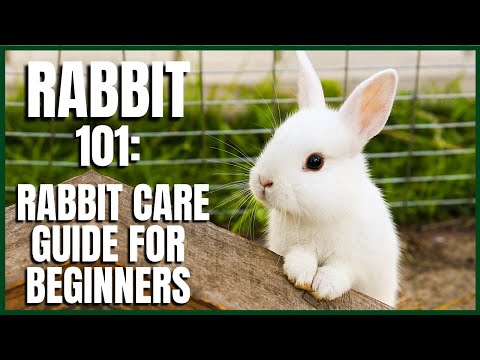
Caring for a rabbit requires attention to their housing, diet, and mental needs. Each aspect is vital for keeping your rabbit healthy and happy. Here are important details to consider.
Housing and Comfort
Your rabbit needs a safe and comfortable living space. Ideally, this means a large cage or pen where they can move around freely. The floor should be lined with soft bedding, like hay or straw, to keep them cozy.
Make sure the environment is quiet and free from drafts. Rabbits also need room to hop and play. A general guideline is to provide at least four times their body size in living space.
Regular cleaning is crucial to avoid odors and maintain hygiene. Remove waste daily and change bedding weekly. Personalize their space with hiding spots and chew toys to create a comforting environment.
Diet and Health
A balanced diet is essential for your rabbit’s health. Rabbits require a variety of foods, including hay, fresh vegetables, and a small amount of pellets. Hay should make up about 80% of their diet, providing fiber for digestion.
Fresh greens like romaine lettuce, cilantro, or parsley can be added daily. Avoid iceberg lettuce and starchy vegetables, as they can upset their stomach.
Water should always be fresh and available. Monitor their eating habits; changes can indicate health issues. Regular veterinary care, including spaying or neutering, is also important for their wellbeing.
Importance of Mental Stimulation
Rabbits are intelligent animals and need mental engagement. Without proper mental stimulation, they can become bored and develop behavioral issues. Providing toys, tunnels, and safe items to chew on can keep them entertained.
Rotate their toys regularly to maintain interest. Spend time with your rabbit daily; interacting with them is crucial. Simple activities, like hiding treats or teaching tricks, can make a big difference in their happiness.
Social Interaction and Behavior

Rabbits are social creatures that thrive on interaction. Building a strong bond with your pet rabbit and understanding their behavior is crucial to ensuring they remain happy and healthy.
Bonding with Your Pet Rabbit
To create a strong bond with your rabbit, spend quality time together. Sit on the floor where your rabbit feels safe and let them come to you. Offer treats and allow them to explore your presence at their own pace.
Consistent handling is essential. Gently pick them up, pet them, and provide a safe space for them to retreat to when needed. Remember, rabbits often groom each other as a sign of affection, so if your rabbit grooms you, it’s a good sign they view you as family.
Understanding Rabbit Behavior
Each rabbit has its own personality, but some behaviors are common among them. For instance, rabbits may thump their hind legs to signal danger or excitement. They also enjoy digging and chewing, which can be instinctual behaviors from the wild.
Observe their body language as well. Ears held high indicate curiosity, while flattened ears can mean fear or aggression. Providing your rabbit with toys can help satisfy their need for both mental and physical stimulation.
Adoption and Rabbit Rescue

Adoption is a great way to bring a rabbit into your home. Many shelters have rabbits looking for loving families. By choosing to adopt, you give a rabbit a second chance at life.
Rabbit rescues are dedicated organizations that focus on helping rabbits in need. These groups often take in abandoned or neglected rabbits. They provide shelter, care, and love until the rabbits find new homes.
As a potential owner, it’s important to consider what rabbit ownership involves. Rabbits can be wonderful house pets. They are social, playful, and can bond closely with you. However, they also need proper care, space, and attention.
Here are some key points about adopting a rabbit:
- Health Considerations: Make sure to adopt a rabbit that has been checked by a vet.
- Fostering: Some rescues allow you to foster before adopting. This helps you see if a rabbit is a good fit for your home.
- Education: Learn about rabbit care before bringing one home. This helps you understand their needs better.


