
As a rabbit owner, you want to make sure your furry friend gets the best diet possible. Many pet parents wonder about the safety of different foods. Rabbits can eat broccoli, but their sensitive digestive systems mean you should give it in moderation.

Broccoli is a popular vegetable, and many rabbits enjoy its taste. While it can be a healthy addition to your rabbit’s diet, it’s essential to know which parts are best to offer.
The leaves and small stems are great choices, while the thicker stalks and florets may cause gas in some rabbits.
Knowing how to incorporate broccoli into your rabbit’s meals can enhance their diet and keep them happy. By understanding both the benefits and risks, you can make informed choices for your beloved pet.
Nutritional Benefits of Broccoli for Rabbits

Broccoli offers several important nutritional benefits for rabbits. These benefits mainly come from its rich vitamin and mineral content, along with its fiber that supports digestive health. Understanding these aspects can help you make informed choices about your rabbit’s diet.
Vitamins and Minerals in Broccoli
Broccoli is packed with essential vitamins that support your rabbit’s health. It contains vitamin A, which promotes good vision and skin health.
Vitamin C is another key nutrient that helps strengthen the immune system, keeping your furry friend healthy.
Minerals like calcium and iron are also found in broccoli. Calcium is crucial for maintaining strong bones and teeth in rabbits. Iron plays a significant role in producing red blood cells, ensuring that your rabbit gets enough oxygen throughout its body. Incorporating broccoli into your pet’s diet can provide these vital nutrients in a tasty way.
Fiber Content and Digestive Health
Fiber is essential for a rabbit’s digestive system. It helps ensure regular bowel movements and prevents gastrointestinal issues.
Broccoli is a great source of fiber, which can aid in keeping your rabbit’s gut healthy and functioning well.
The fiber in broccoli supports the natural wear of the teeth, as chewing can help with dental health. A high-fiber diet can also help prevent obesity, a common concern in house rabbits. Including broccoli in moderation can contribute to a balanced diet that keeps your rabbit happy and healthy.
Guidelines for Feeding Broccoli to Rabbits
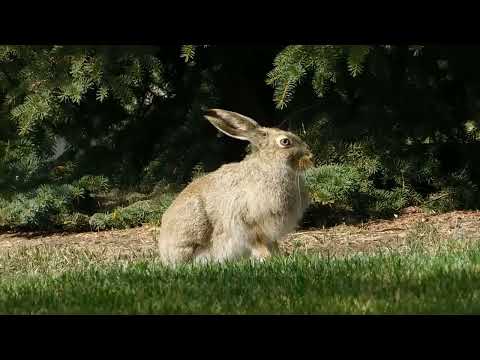
Feeding broccoli to your rabbits can be a nutritious treat when done correctly. Understanding proper portion sizes and how to prepare broccoli is key to keeping your rabbits healthy.
Portion Size and Frequency
When offering broccoli to your rabbits, portion size matters. For adult rabbits, a small piece about the size of your hand is enough. You can give this amount 1-2 times a week.
Baby rabbits should avoid broccoli until they are about 6 months old due to their sensitive digestive systems. Start with very small portions once they are older.
Too much broccoli can cause gas and acidity issues in your rabbit’s tummy. Always watch for signs of discomfort to ensure they are responding well.
Preparing Broccoli for Your Rabbit
Before serving broccoli, make sure to wash it thoroughly to remove any pesticides or dirt. You want to keep your rabbit safe and healthy.
Use only the broccoli florets for feeding. While broccoli leaves can be given, they should not make up the main part of the meal. Avoid tough stems, as they can be hard for rabbits to digest.
Chop the broccoli into small, bite-sized pieces. This makes it easier for your rabbit to chew and enjoy. Always introduce new foods gradually to see how your rabbit reacts.
Possible Health Concerns and Alternatives
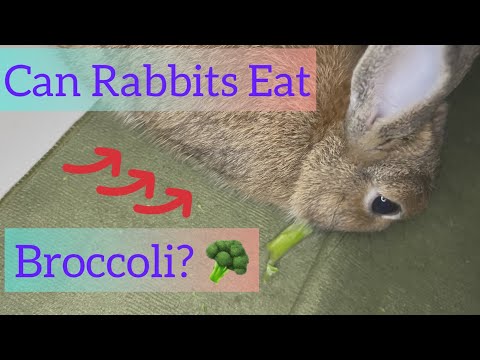
Feeding your rabbit broccoli can pose certain health risks if not done correctly. Understanding these concerns is essential for keeping your furry friend happy and healthy. You can also explore nutritious alternatives to provide variety in their diet.
Risks of Overfeeding Broccoli
Excessive broccoli can lead to significant digestive issues for rabbits. One common problem is gas, which can cause bloating and discomfort.
Rabbits have sensitive stomachs, and too much broccoli disrupts their gut balance. If your rabbit consumes more than a small amount, you may notice signs of digestive upset like changes in their droppings or behavior.
It’s best to limit broccoli to small portions. Consider giving it as an occasional treat. A few florets once or twice a week is a good guideline. Always watch for any signs of discomfort after feeding. If your rabbit shows any symptoms, it’s wise to cut back on broccoli.
Healthy Alternatives to Broccoli
There are many safe and nutritious alternatives to broccoli that your rabbit will enjoy. Leafy greens are great options. You can offer kale, dandelion greens, or romaine lettuce.
These greens provide essential vitamins without the risk of digestive upset.
Other vegetables like bell pepper and cabbage are also healthy choices. They are high in fiber and low in calories. You can also introduce Brussels sprouts or cauliflower in moderation.
Remember to introduce new foods gradually. This will help your rabbit get used to different flavors and textures. Offering a variety of vegetables ensures a balanced diet and keeps mealtime exciting.
Creating a Balanced Diet for Rabbits
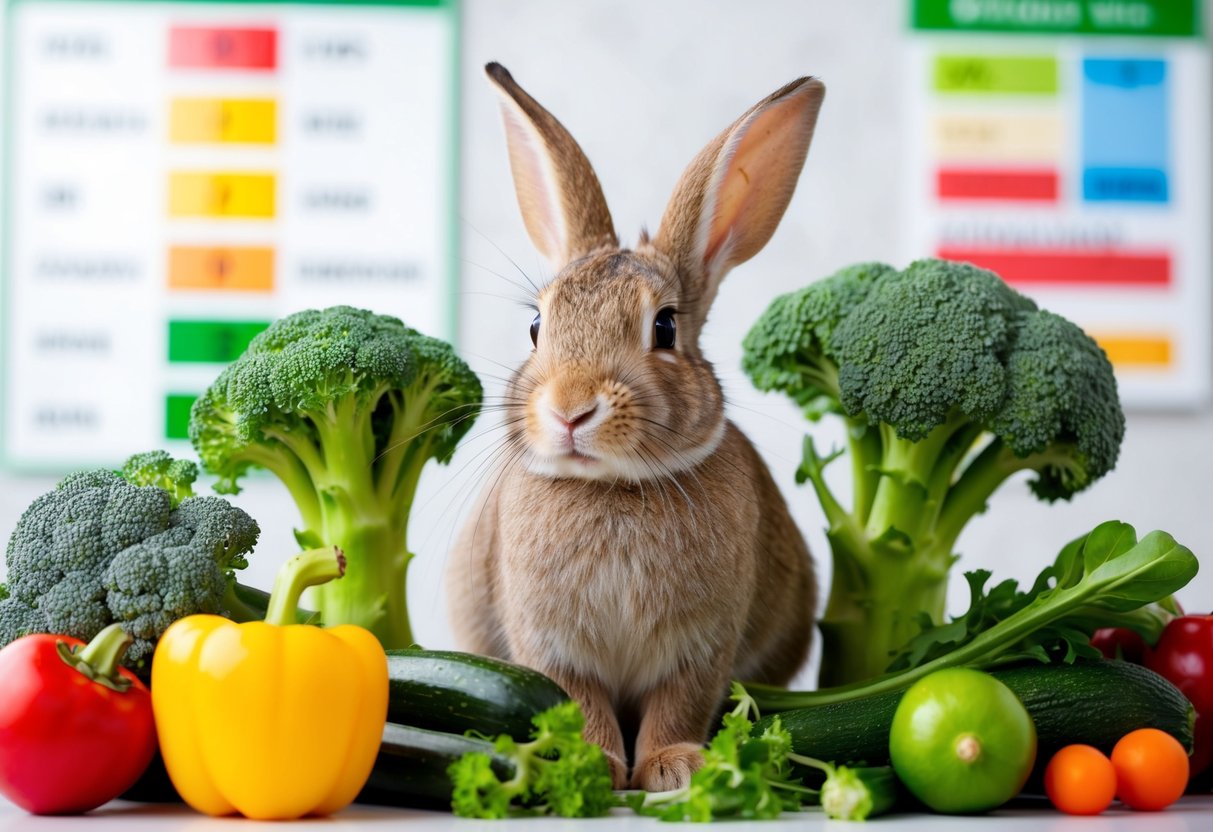
A balanced diet is crucial for your rabbit’s health. It should include fresh hay, a variety of vegetables, and occasional treats. Paying attention to their nutritional needs helps keep them happy and healthy.
The Role of Hay and Vegetables
Hay is the most important part of your rabbit’s diet. Fresh hay, like timothy or meadow hay, provides essential fiber for proper digestion. Fiber helps prevent obesity and dental issues in herbivores.
Along with hay, you should offer fresh vegetables daily. Aim for about two cups of vegetables per rabbit. Include a variety of greens such as romaine lettuce, cilantro, and parsley.
Cruciferous vegetables, like broccoli, can be included but in limited amounts. Cut back on these veggies to avoid digestive upset. Rotate different vegetables to keep meals interesting and balanced.
Consulting with a Veterinarian
Always consult with a veterinarian for personalized advice on your rabbit’s diet. They can help you determine the best food choices based on your pet’s specific needs. Your vet may suggest adjustments based on age, health status, or weight.
When you bring new foods into your rabbit’s diet, your vet can provide guidance on introducing them safely. Look out for signs of digestive issues, like diarrhea or gas, and report them to your veterinarian.
Consulting with a professional ensures your rabbit gets all the vital nutrients they need to thrive. Making informed choices with help from a vet keeps your furry friend happy and healthy.


