
Rabbits are one of the most beloved pets and creatures in the wild. Many people enjoy calling them by different names, such as bunny, but what is the correct name for a rabbit? The proper term for a rabbit is simply “rabbit.” You might also hear the word “bunny” used, especially when referring to young rabbits or in a more affectionate way.

These mammals come in various breeds, each with its unique traits and characteristics. Whether you’re thinking of adopting one or just want to know more about these delightful animals, understanding their correct name can help you connect better with them.
As you dive into this article, you’ll discover more about the fascinating world of rabbits and how these charming creatures have earned their many names.
Understanding Rabbit Taxonomy
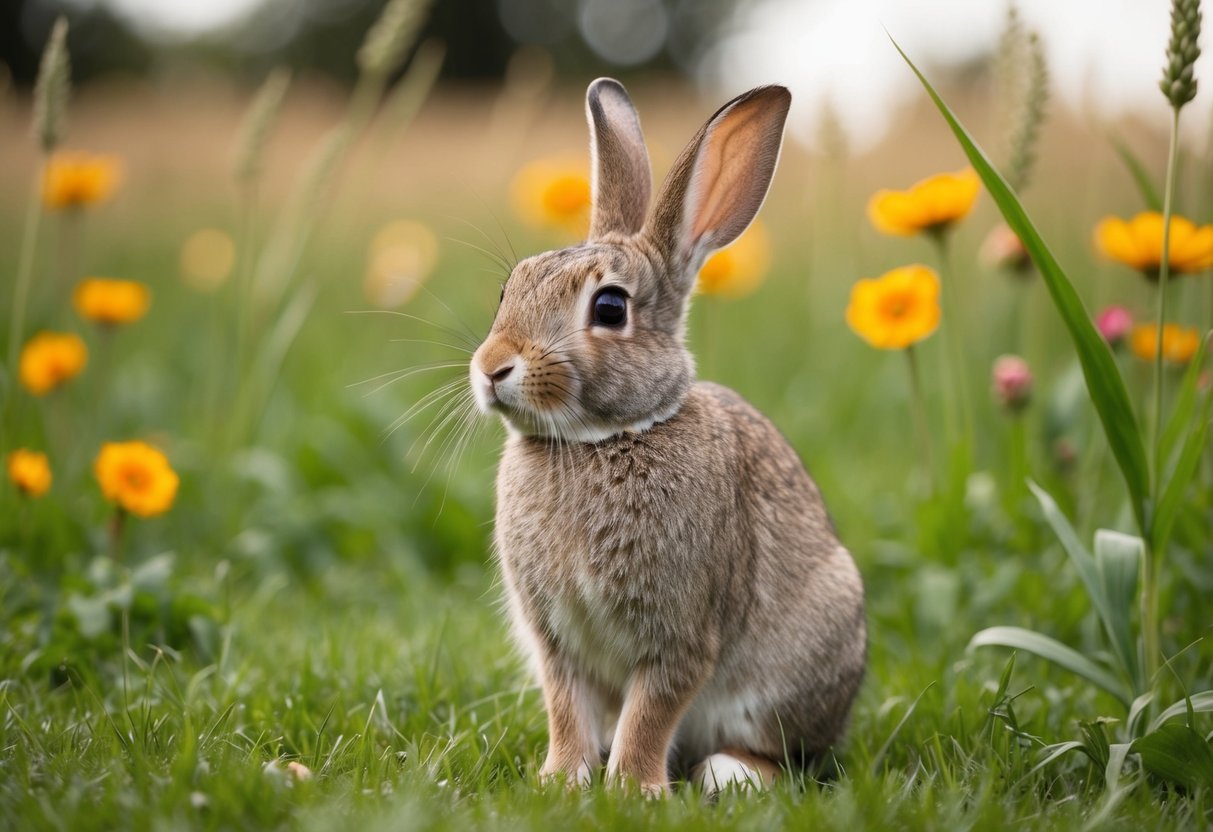
Rabbits belong to a fascinating classification system in biology. This system helps you understand not just what rabbits are, but also how they relate to other animals. Here, you’ll learn about the order Lagomorpha and the family Leporidae, which include all rabbits.
Order Lagomorpha
The Order Lagomorpha consists of two main groups: rabbits and hares, along with pikas. This group is known for having distinct characteristics.
-
Unique Features: Lagomorphs have four incisors in the upper jaw, while most rodents have only two. This difference is important for their feeding habits.
-
Habitat: Members of this order can be found in a variety of environments, from forests to grasslands.
The study of Lagomorpha helps you see how rabbits adapt and survive in many places around the world.
Family Leporidae
The Family Leporidae is where you’ll find the different species of rabbits, including the well-known European rabbit, scientifically named Oryctolagus cuniculus.
-
Species Variety: Leporidae includes over 60 species divided into different genera.
-
Behavior: Rabbits in this family are often social and live in groups, which helps with protection from predators.
Understanding the Leporidae family enhances your appreciation for the diversity among rabbits, showing how they thrive despite challenges.
Comparing Rabbits, Hares, and Other Relatives

Rabbits and hares are similar but have distinct features. You will learn how they differ and also discover some unique species of rabbits, including the pygmy rabbit and others.
Differences Between Rabbits and Hares
Rabbits and hares belong to the same family, Leporidae, but they are different species. Hares are generally larger and have longer legs. Their ears are also longer than those of rabbits.
Key Differences:
- Size: Hares can weigh up to 10 pounds, while most rabbits are smaller, usually around 2-6 pounds.
- Behavior: Hares are more independent and live above ground, while rabbits often create burrows for shelter.
- Young: Baby hares, called leverets, are born with fur and open eyes. Baby rabbits, known as kits, are born hairless and blind.
This makes their early life stages quite different.
Understanding the Pygmy Rabbit and Other Species
The pygmy rabbit is the smallest rabbit species, weighing about 1-2 pounds. It is unique because it makes its home in dense sagebrush areas.
Other Notable Rabbits:
- Sumatran Striped Rabbit: This rabbit has distinctive stripes and is native to Indonesia.
- Amami Rabbit: Found in Japan, it lives in forested areas and is endangered.
- Jackrabbit: Not a true rabbit, this hare is known for its long ears and fast running.
- Volcano Rabbit: Found in Mexico, this tiny rabbit lives close to volcanic areas.
Each of these species has adapted to its environment, showcasing the diversity within the rabbit family.
Rabbit Reproduction and Lifecycle

Rabbits are known for their rapid reproduction. Understanding how they mate and raise their young is important for any rabbit owner or enthusiast. Here’s what you need to know about the journey from mating to raising a litter.
From Mating to Birth
When it comes to rabbit reproduction, the female rabbit is called a doe, and the male is known as a buck. Mating can occur at any time, but does are most receptive during their estrous cycle.
After successful mating, the average gestation period for a doe is about 30 to 33 days. During this time, she prepares a cozy nest for her litter.
Once the time arrives, the doe gives birth to a group of baby rabbits, known as a litter. The size of the litter can vary, usually containing 3 to 12 kits (baby rabbits). Newborn rabbits are called kittens and are born hairless and blind.
Raising the Litter
After giving birth, the doe, also referred to as the dam, takes special care of her litter. She feeds her kits with her milk, which is rich in nutrients. This care continues for about 4 to 6 weeks.
Kits grow quickly, starting to develop fur and open their eyes at around 10 to 14 days. Around three weeks old, they begin to nibble on solid food, but continue to nurse until they are weaned.
The doe may create multiple nests for her kits if she feels threatened, ensuring their safety. This nurturing period is crucial for the healthy development of your baby rabbits, making it essential to provide a safe environment for them to thrive.
Rabbit Habitats and Behavior
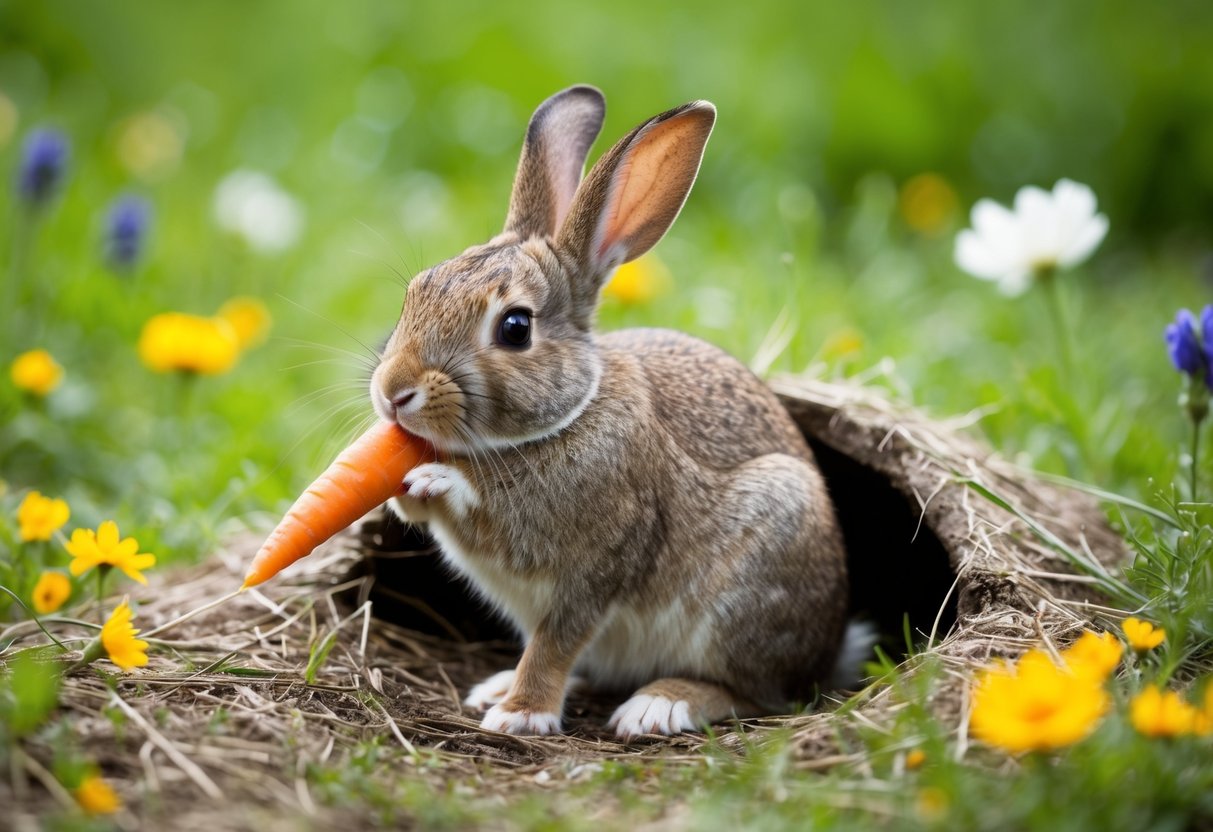
Rabbits thrive in various environments, both in the wild and as pets. Understanding where they live and how they behave is essential for their care and well-being.
Wild Versus Domestic Habitats
Wild rabbits often live in areas like meadows, grasslands, and forests. They usually create homes in burrows or warrens. These burrows are networks of tunnels that protect them from predators.
In contrast, domestic rabbits have a different habitat. They are typically kept in homes or yards with safe enclosures.
Domesticated rabbits require a controlled space that allows them to feel secure and explore. You should provide plenty of room for them to hop around and play. In both cases, ensuring a safe environment helps keep your rabbit healthy and happy.
Social Structures and Burrowing
Rabbits are social creatures. They live in groups and form strong bonds with their companions. This social behavior influences their interactions and needs.
When it comes to burrowing, rabbits are expert diggers. They build intricate burrows for shelter and to raise their young. These burrows help them communicate and stay connected with other rabbits.
In a domestic setting, it’s important to provide your pet with opportunities for social interaction, too. You should consider spending time with your rabbit or getting them a friend. This can help reduce loneliness and encourage natural behaviors.


