
Understanding your pet rabbit’s feelings about being petted can make a big difference in your bond with them. Most rabbits actually enjoy being petted, especially when you pet them in a way that makes them feel safe and comfortable. This simple act can calm an anxious bunny and strengthen the love between you and your furry friend.
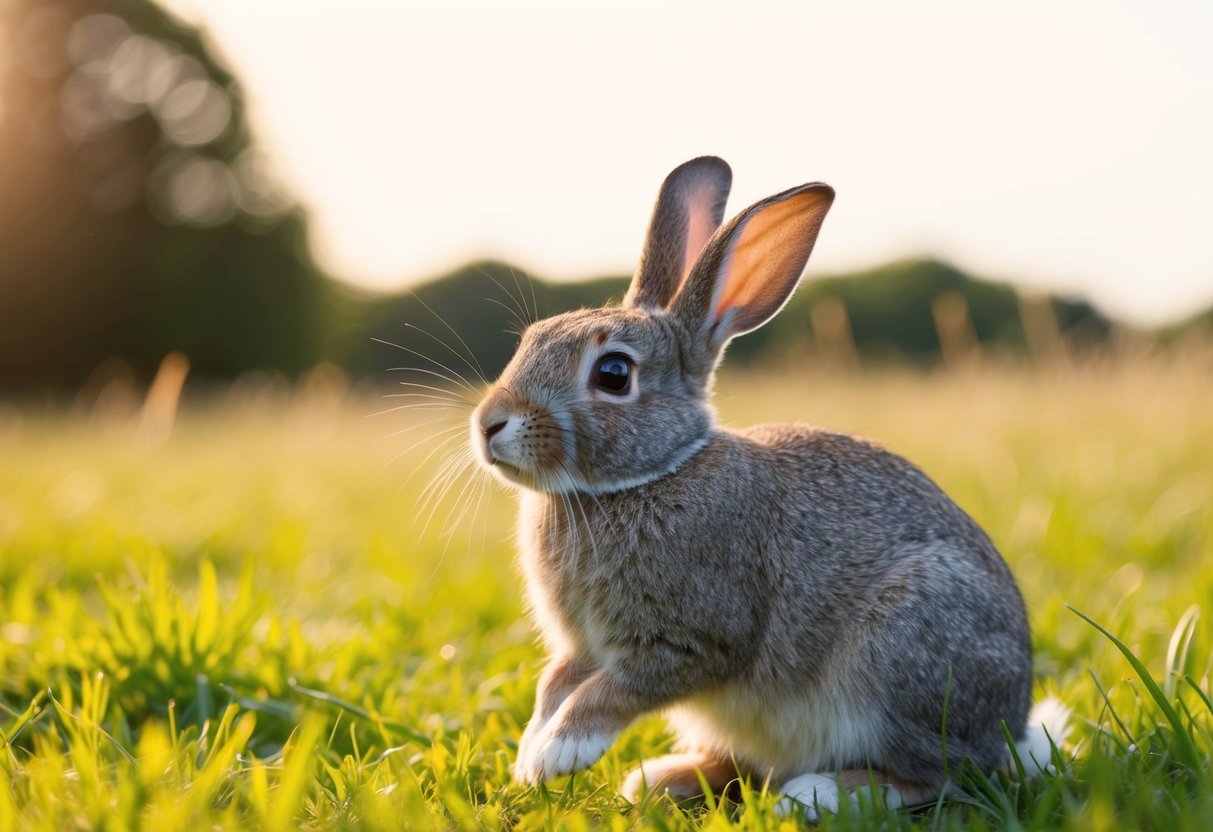
As you explore your rabbit’s preferences, you’ll find that they have specific spots they like to be touched. Learning these can help you connect more deeply with your pet. With patience and care, you can create a loving environment that encourages your rabbit to seek out your affection.
Bonding with your rabbit can be a rewarding experience. By reading on, you will learn the best techniques for petting and where your bunny prefers to be touched, ensuring that your interactions are enjoyable for both of you.
Understanding Rabbit Behavior
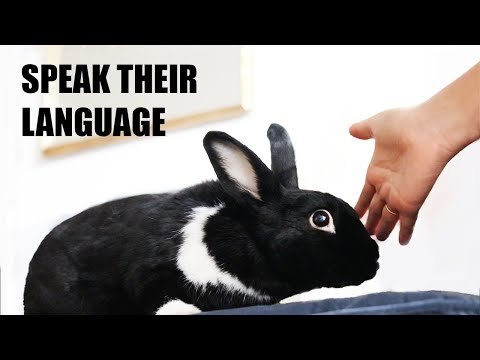
Rabbit behavior can tell you a lot about how they feel about being petted. Understanding these signals helps you bond better with your pet. From affectionate gestures to the importance of grooming, recognizing their body language will improve your interaction with your rabbit.
Recognizing Affectionate Gestures
Rabbits show affection in unique ways. One common gesture is the “binky,” where a rabbit jumps in the air while twisting its body. This playful movement means your rabbit is happy.
Another sign of affection is when your rabbit nudges you. This behavior indicates that your furry friend wants your attention.
You might also notice your rabbit flopping over. This means they feel safe and comfortable around you. Pay attention to these signals; they help you understand what makes your rabbit happy.
Significance of Grooming
Grooming is a vital part of rabbit care. It’s not just about keeping their fur clean; it’s also a way for you to bond. When you pet your rabbit softly, you mimic how they groom each other.
Rabbits love being petted on their forehead and chin. This helps them feel secure and loved. Always approach slowly to avoid startling them.
Regular grooming sessions can help you check for any health issues, like skin problems or mats in their fur. Making grooming a part of your routine strengthens your connection with your rabbit.
How to Pet Your Rabbit

Petting your rabbit can be a positive experience for both of you. Knowing where to pet your rabbit can help build trust and strengthen your bond. Read on to discover the best spots to pet and areas to approach with caution.
Preferred Petting Spots
Rabbits have specific areas where they enjoy being petted. Focus on these spots to make petting a joyful experience:
-
Head and Cheeks: Most rabbits love gentle strokes on their heads and cheeks. Use your fingers to scratch lightly behind their ears. This can help them relax and feel safe.
-
Under the Chin: Many rabbits have a special liking for being petted under the chin. This spot can be comforting and is often a preferred area for them.
-
Back: Lightly stroking your rabbit’s back can be soothing. Make sure to pet in the direction of their fur growth.
These areas can help your rabbit feel at ease and allow them to enjoy your touch.
Areas to Avoid
While some spots are favorites, there are areas to be cautious about when petting rabbits. Avoid these to maintain trust:
-
Feet: Rabbits can be sensitive about their feet. They may not like being touched in this area, as it can make them feel vulnerable.
-
Tail: The tail is another area that most rabbits prefer to avoid. Avoid reaching for it, as this might startle them.
-
Stomach: Many rabbits do not appreciate being petted on their stomachs. Touching this area can be uncomfortable for them and may even lead to defensive behavior.
Creating a Comfortable Environment
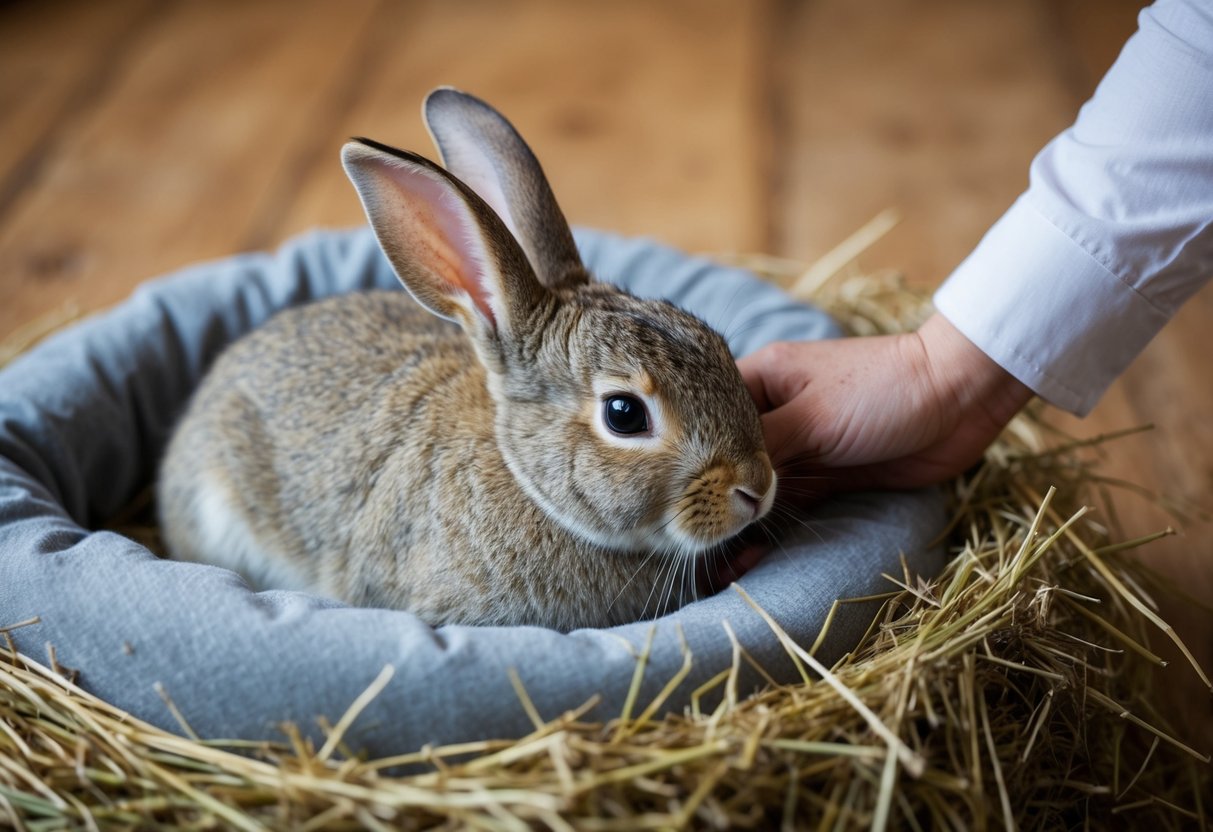
A comfortable environment is essential for keeping your rabbit happy. It influences their behavior and overall well-being. By providing a safe and cozy habitat, you can help your pet feel secure and content.
Safe and Cozy Habitat
Your rabbit needs a space where they can relax and feel safe. Start by setting up a spacious area with soft, non-slip flooring. This protects their delicate feet and allows them to hop around freely. Avoid using cages, as rabbits prefer larger, open spaces.
Make sure their habitat includes hiding spots like tunnels or boxes. These areas give your rabbit a chance to retreat when feeling stressed. Adding some soft bedding material can also make the space more inviting.
Consider using safe toys and chew items to keep your rabbit engaged. A stimulating environment helps prevent boredom and encourages natural behaviors. This way, you’re promoting better rabbit care and a happier pet.


