
As your rabbit grows older, you might notice changes in its behavior and energy levels. Most rabbits start to slow down between the ages of 6 and 8 years. This can mean less jumping around and more time spent resting. Understanding when this slowdown occurs can help you provide the best care for your furry friend.
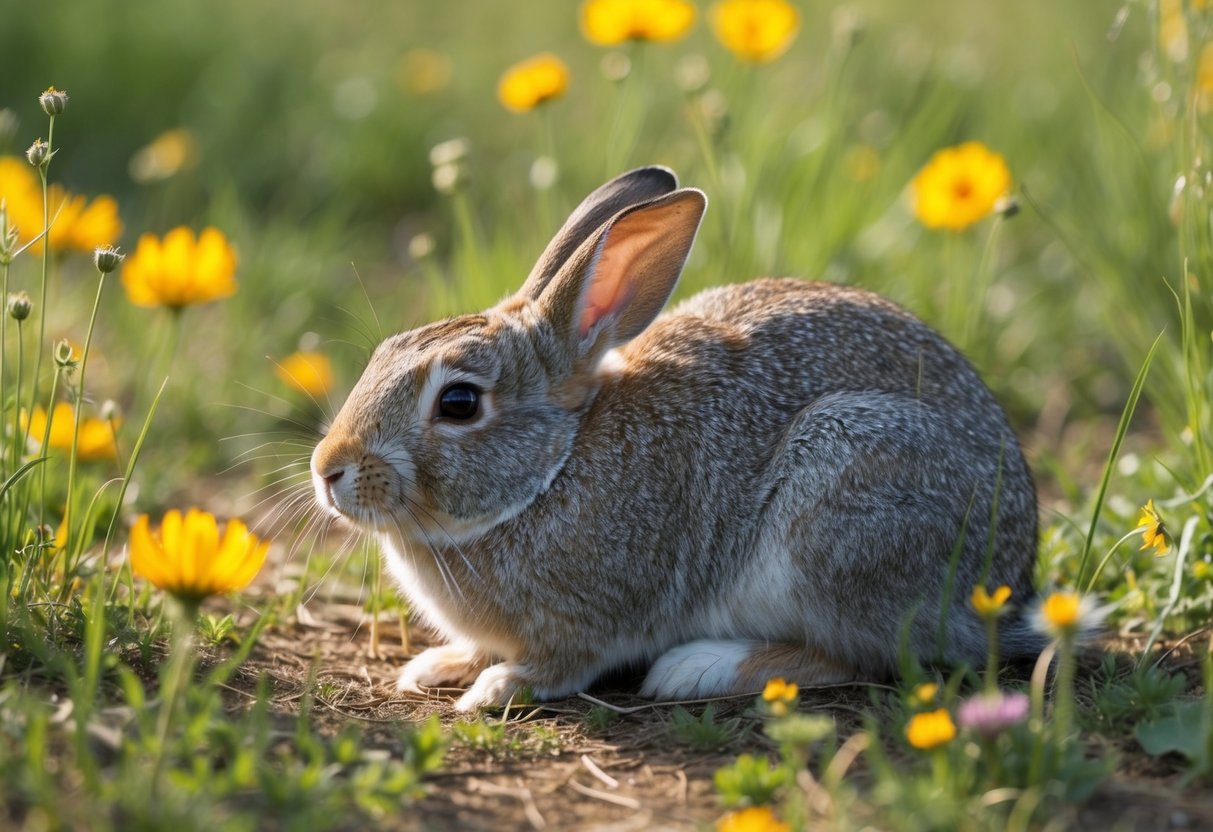
Every rabbit is unique, and some may begin to show signs of aging earlier or later than others, depending on their breed and health. Keeping an eye on their activity levels and making adjustments to their living space will ensure they are comfortable and happy as they enter their senior years.
By learning about the aging process of rabbits, you can better prepare for their needs during this time. The right care can enhance their quality of life, allowing you to enjoy many more years together.
Understanding Rabbit Life Stages
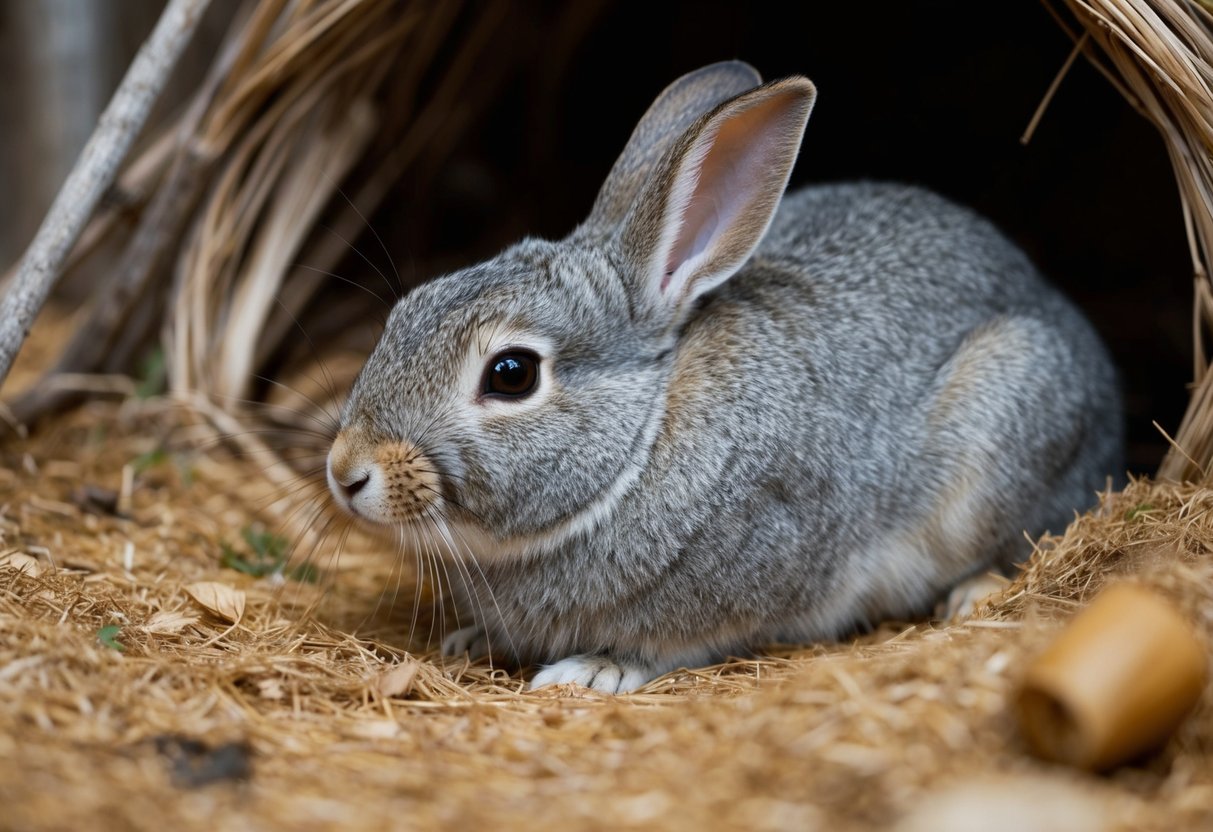
Rabbits go through several distinct life stages that affect their behavior and health. Knowing these stages helps you provide better care for your furry friend.
From Birth to Adulthood
Baby rabbits are called kits. They are born blind and hairless, relying fully on their mother for warmth and nutrition. During the first few weeks, you will notice rapid growth and development.
At around 4 weeks, your kits will start to nibble on solid food. They’re considered young rabbits until about 6 months old. This is when they become more playful and curious.
As they reach adolescence, which lasts from about 6 months to 1 year, they may show more energy and even some stubbornness. Training can be effective during this time. When your rabbit hits adulthood, usually between 1 to 5 years old, they are more settled. Adult rabbits require regular exercise and social interaction to stay healthy.
Recognizing Senior Rabbits
A rabbit’s senior years typically start around 6 years of age. At this stage, you might see changes in their behavior and health.
Senior rabbits tend to be less active. They may sleep more, enjoy quiet time, and become less playful. You should watch for signs of aging like reduced appetite or difficulty grooming themselves.
Rabbits can live to be around 10 to 12 years old with proper care. Regular vet check-ups become essential during these years. Keeping your senior rabbit comfortable and addressing any health issues quickly will help improve their quality of life.
Nutritional Needs Through the Ages
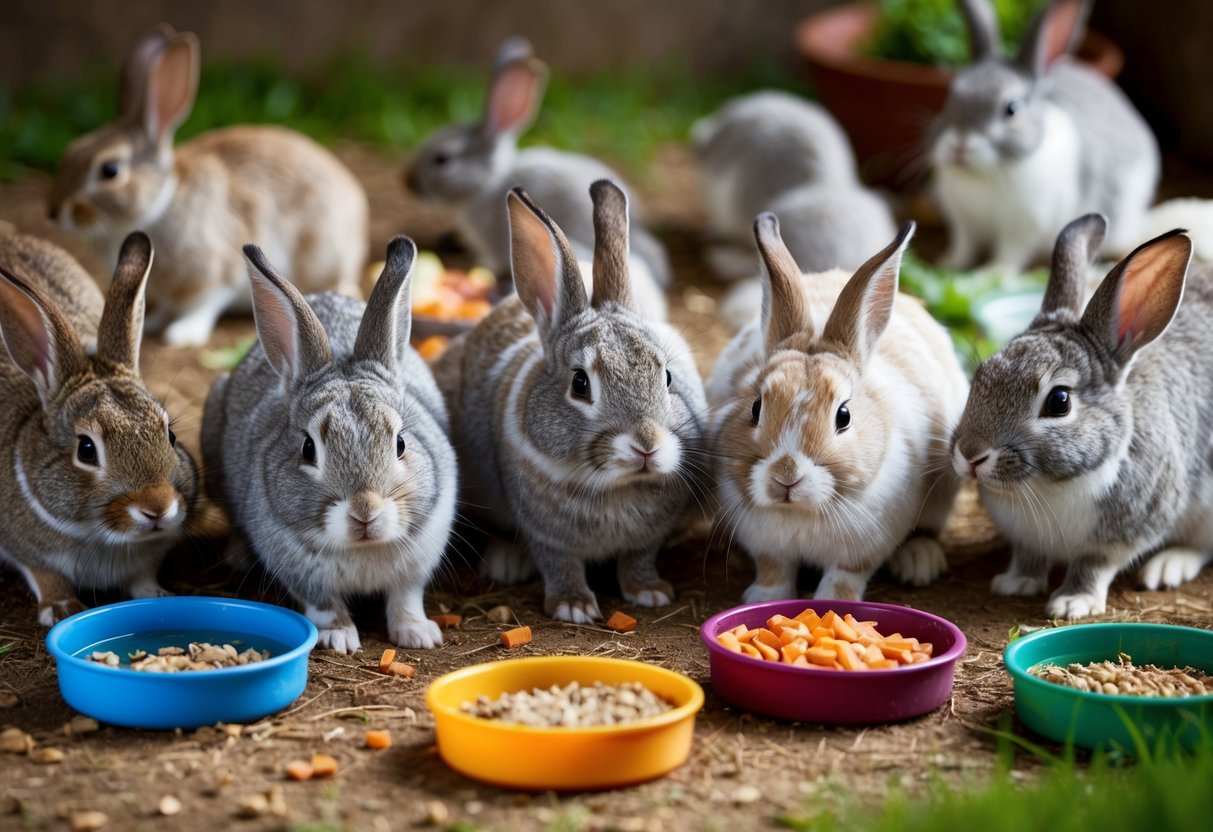
Feeding your rabbit properly is important at every stage of their life. As your bunny grows, their nutritional needs will change. Understanding these needs helps you provide the best diet for their health.
Diet for Young and Adult Rabbits
For young rabbits, especially those between weaning and 7 months, you should offer unlimited alfalfa hay and high-quality alfalfa pellets. This diet supports their rapid growth. At around 3 months, start introducing small amounts of fresh vegetables. Introduce one vegetable at a time to monitor for any digestive issues.
As your rabbit matures, around 6 months to adulthood, their dietary needs shift. Adult rabbits thrive on a high-fiber diet mainly from timothy hay. This hay should be the main component, with pellets limited to avoid overfeeding. Fresh greens, like romaine lettuce or parsley, are excellent supplements to keep your adult rabbit healthy.
Special Diets for Senior Bunnies
Senior rabbits, usually 7 years and older, may require dietary adjustments. Their digestive systems can be more sensitive, so focus on high-quality timothy hay for fiber. This promotes healthy digestion and prevents obesity.
You might need to reduce pellet portions since seniors won’t need as many calories. If they have dental issues, consider softer foods like hay cubes or soaked pellets. Adding leafy greens can keep their diet balanced. Always consult a vet if you’re unsure about changes to their diet to ensure optimal health.
Age-Related Changes in Rabbit Behavior

As rabbits age, you will notice various changes in their behavior. These changes can affect their activity levels and overall demeanor. Understanding these shifts helps you provide better care for your furry friend.
Activity Levels in Rabbit Life Stages
Young rabbits are often very energetic and curious, exploring their environment with enthusiasm. Their playful nature allows them to run, jump, and play for extended periods. You may notice your young bunny is quite active during the day.
As rabbits reach middle age, their energy may start to wane. They will still enjoy playtime but will likely take more breaks. You might see them lounging more often than before.
Once rabbits become senior bunnies, significant changes in activity levels can occur. They might move slower and spend more time resting. Some may even develop health issues that affect their mobility, making gentle interactions important for their well-being.
Health and Care for Aging Rabbits

As your rabbit ages, you need to pay close attention to its health and comfort. Aging rabbits can face several health challenges, and knowing how to support them is essential for their quality of life.
Common Health Concerns
Senior rabbits are prone to various health issues. Some common concerns include:
-
Dental Problems: Rabbits’ teeth can become overgrown, leading to pain and difficulty eating. Regular dental check-ups are crucial.
-
Arthritis: Many older rabbits develop arthritis, which can affect mobility. Providing a soft resting area can help.
-
Weight Changes: Some rabbits may lose weight while others become overweight. Monitor their diet closely. A balanced diet with hay, veggies, and limited pellets is essential.
-
Digestive Issues: Pay attention to changes in eating habits or litter box use. Older rabbits can develop gastrointestinal stasis, which needs immediate attention.
Providing Comfort for Elderly Rabbits
Creating a comfortable environment is vital for your aging rabbit. Consider the following:
-
Soft Bedding: Your rabbit needs soft, clean bedding to support its joints. Choose materials that are easy to clean.
-
Gentle Handling: Be gentle when picking up or moving your rabbit to avoid pain or injury. Make sure to support its body properly.
-
Easy Access to Food and Water: Make sure food and water bowls are accessible. Consider using shallow dishes for easier access.
-
Regular Vet Visits: Schedule regular check-ups to catch any health issues early. Discuss a care plan with your vet tailored to senior rabbit needs.


