
Keeping rabbits may seem like a fun idea, but there are important reasons to think twice. Rabbits are delicate creatures that thrive in safe, controlled environments. They can face serious risks when kept outside or improperly cared for.
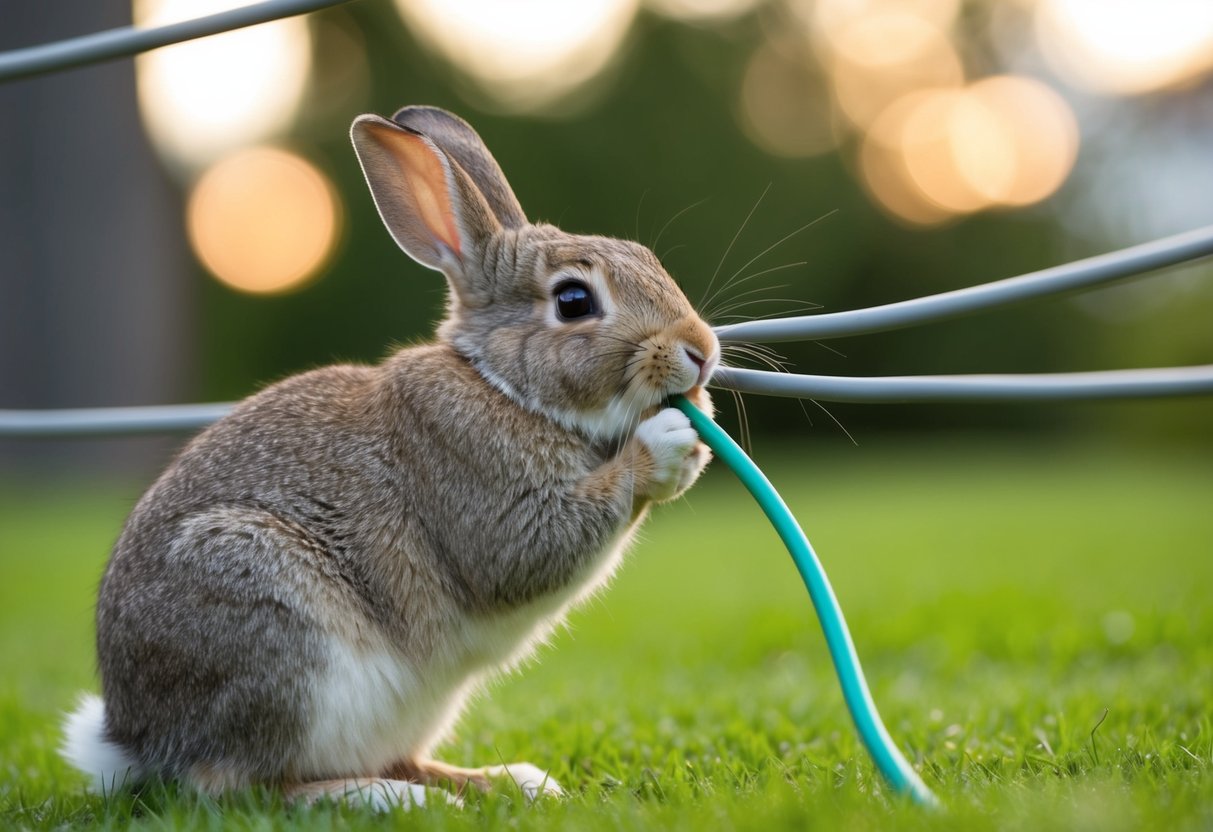
Many people don’t realize that rabbits are prey animals, which means they are vulnerable to predators like dogs and birds of prey. This constant threat can cause them extreme stress. Additionally, rabbits need specific care, such as a proper diet, social interaction, and mental stimulation. These needs can be hard to provide in less than ideal conditions.
Understanding the true needs of rabbits is crucial for their well-being. By exploring why rabbits should not be kept in certain situations, you can better appreciate how to provide a loving and safe home for these charming creatures.
Understanding Rabbit Behavior and Needs
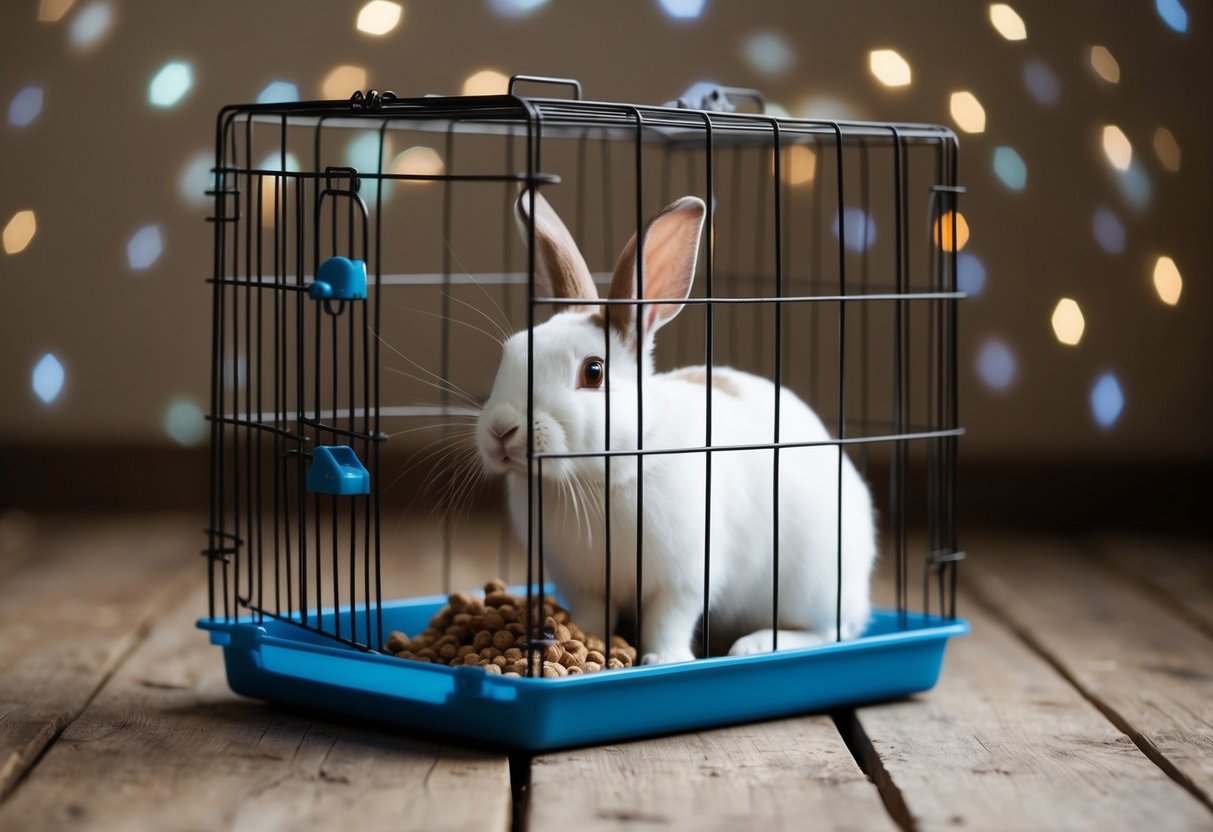
Rabbits have unique behaviors and needs that are important to understand for anyone considering them as pets. Their social nature plays a significant role in their overall happiness, while their instincts as prey animals influence how they interact with their environment.
Social Animals and Companionship
Pet rabbits are naturally social creatures. In the wild, they live in groups, relying on each other for safety and companionship. This means that when you keep a domestic rabbit, it thrives on interaction, not just with humans, but ideally with another rabbit too.
If you choose to have a single rabbit, plan to spend a lot of time with it each day. Playtime, gentle petting, and even talking to your rabbit can help satisfy its social needs. Boredom can lead to destructive behaviors, so offer toys and activities that encourage play and exploration.
The Instincts of Prey Animals
As prey animals, rabbits have strong instincts that affect their behavior. They are always on alert for potential threats. This can make them shy or nervous, especially if their environment is unfamiliar or noisy.
A safe and cozy space is essential for your rabbit. Provide an area where they can hide, chew, and relax without disturbance. When they feel secure, they will be more likely to show their true personalities. Recognizing signs of stress, like thumping or hiding, helps you create a better environment for them.
Health and Wellness Challenges
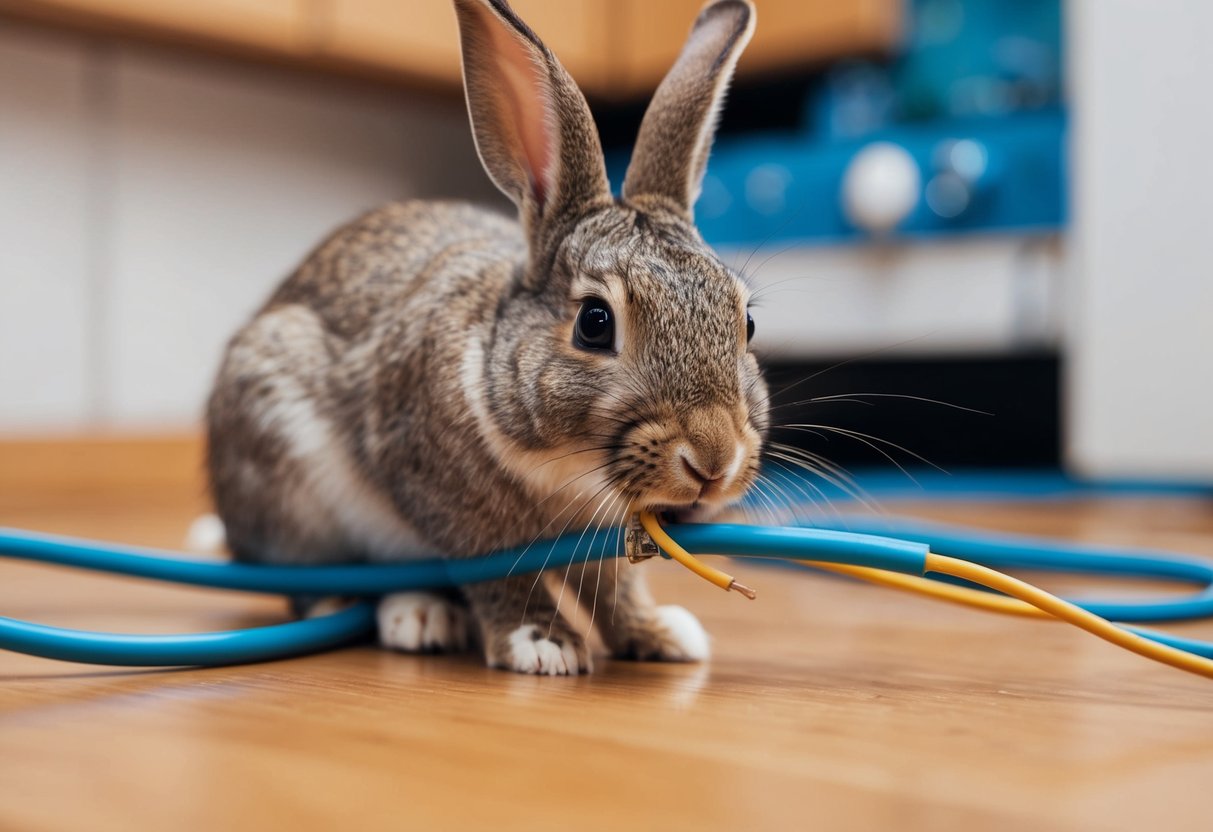
Caring for rabbits involves specific challenges that impact their health and well-being. You need to consider the importance of spaying or neutering your rabbits and the risks that outdoor living presents.
Importance of Spaying and Neutering
Spaying and neutering are essential for your rabbits’ health. These procedures help prevent unwanted litters, which can overwhelm you and your resources.
Additionally, spaying females reduces the risk of uterine infections and certain cancers, while neutering males can prevent testicular cancer and reduce aggressive behaviors.
Benefits include:
- Reduced aggression
- Lower risk of certain health issues
- Better behavior with other pets
This not only improves your rabbits’ quality of life but also makes them easier to manage in your home. Always consult with a veterinarian to get these important procedures done.
Risks for Outdoor Rabbits
If you let your rabbits live outdoors, they face unique challenges. Outdoor rabbits are at risk from large predators, including hawks, foxes, and neighborhood pets.
You need to ensure they have a secure environment to stay safe. Even with a safe setup, outdoor rabbits can encounter other issues, such as extreme weather conditions and parasites.
Consider these risks:
- Exposure to predators
- Potential for diseases from other animals
- Weather-related dangers
If you decide on outdoor living, regular health checks and protective measures are crucial for keeping your rabbits safe and healthy.
Housing and Habitat Considerations
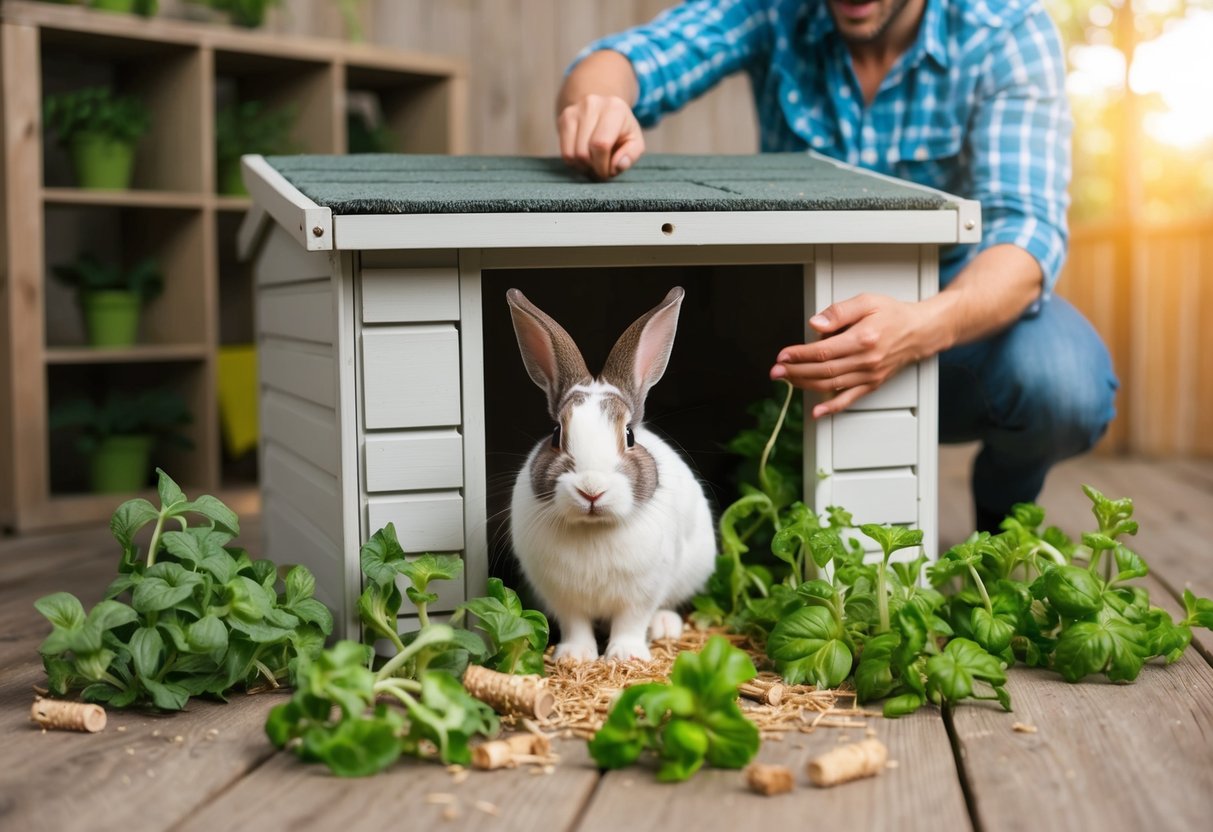
When caring for rabbits, proper housing and habitat are crucial for their well-being. Let’s explore the drawbacks of traditional rabbit cages and how to create a better living space for your pet.
The Drawbacks of Rabbit Cages
Many pet owners choose rabbit cages for convenience. However, these cages often restrict movement and can lead to health problems.
Rabbits are active and social animals that require room to hop and explore. Cages can become cramped, leaving little space for exercise. This lack of movement can lead to obesity and boredom. They may also develop behavior issues from loneliness.
If you use a cage, ensure it is large enough and includes areas for litter training. Daily time outside the cage is essential to keep your rabbit happy and healthy.
Creating an Appropriate Rabbit Enclosure
Instead of a traditional cage, consider a rabbit enclosure that offers more space. A good enclosure allows your rabbit to move freely and engage in natural behaviors.
Your enclosure should have solid flooring and protection from harsh weather. It should also include hiding spots and toys to keep your rabbit entertained. Make sure to use materials that are safe and chew-proof.
Rabbits can be messy, so make sure the enclosure is easy to clean. You’ll also want to have a designated litter area, making litter training simpler.


