
Rabbits have a special place in many hearts, whether as pets or symbols in stories and culture. Their playful nature and gentle personalities make them delightful companions. Rabbits are special because they captivate people of all ages with their unique blend of charm, affection, and intelligence.
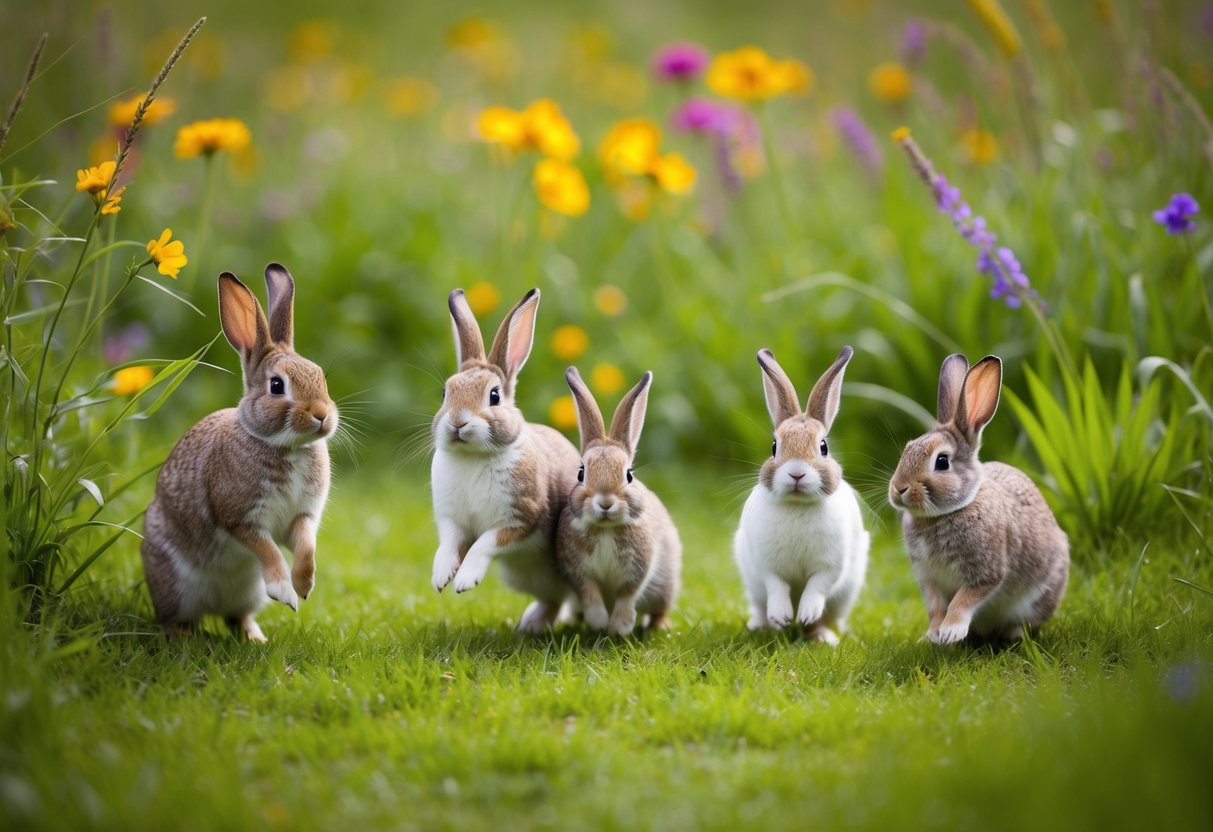
Watching a rabbit hop around or interact with you can bring smiles and joy. They have quirky behaviors and distinct personalities that make them fun to be around. You might be surprised at how much these little creatures can express love and happiness in their own special ways.
As you explore the fascinating characteristics of rabbits, you’ll discover why they are cherished by so many and why they hold such a significant place in our lives. Join in to learn more about the adorable traits that set rabbits apart.
Unique Traits of Rabbits

Rabbits are remarkable creatures known for their charming physical features and engaging behaviors. These traits make them delightful pets and fascinating animals to observe.
Physical Attributes
Rabbits have several distinct physical features that contribute to their adorable appearance. Their big eyes are wide and expressive, allowing them to spot potential dangers quickly. This keen vision helps them stay safe in the wild.
Their soft fur not only feels pleasant to touch but also comes in various colors and patterns, adding to their visual appeal. Many people find cuddling with a bunny comforting due to this softness.
Floppy ears are another standout trait. They can move separately, helping rabbits detect sounds from different directions. This ability is crucial for their survival.
Additionally, their small size makes them perfect for indoor living. Their compact nature means they require less space than larger pets, making them great companions for families or individuals.
Behavioral Characteristics
Rabbits are social creatures that thrive on interaction. You may notice them twitching their noses as they explore their surroundings. This habit helps them pick up different scents, keeping their environment interesting.
These animals often display playful behavior, such as binkying, where they leap and twist in the air. This action shows their happiness and adds to their endearing nature.
Rabbits also communicate with each other and their owners through body language. You will see them nudge or head-butt to show affection. Their playful antics and engaging personalities make them truly special companions, filled with charm and joy.
Rabbit Care and Wellness

Taking care of rabbits involves more than just love and affection. Proper care includes a balanced diet and regular grooming to keep them happy and healthy.
Dietary Needs
Rabbits require a well-rounded diet for optimal health. Their main food source should be hay, which provides necessary fiber. Timothy hay is a great choice as it helps with digestion and dental health.
Fresh vegetables, like leafy greens, can be given daily. Aim for a mix of romaine, kale, and parsley. Limit sugary fruits to a few times a week. Avoid starchy foods, such as carrots and grains.
It’s important to provide fresh water daily. Ensure it’s clean and easily accessible. Regularly monitor their eating habits to catch any changes that could signal health issues. A balanced diet is key to your rabbit’s well-being.
Grooming and Hygiene
Rabbits are generally clean animals, but they still require regular grooming. Brushing them at least once a week helps remove loose fur and prevents matting. During shedding season, increase brushing to several times a week.
Pay attention to your rabbit’s nails. Nail trimming should be done every few weeks to prevent overgrowth, which can lead to discomfort. Use a sharp nail clipper and take care not to cut too close to the quick.
Check their ears and teeth regularly for any signs of health concerns. Clean their living area often to reduce odors and germs. Keeping your rabbit well-groomed and clean contributes to their overall happiness and health.
Social and Emotional Aspects
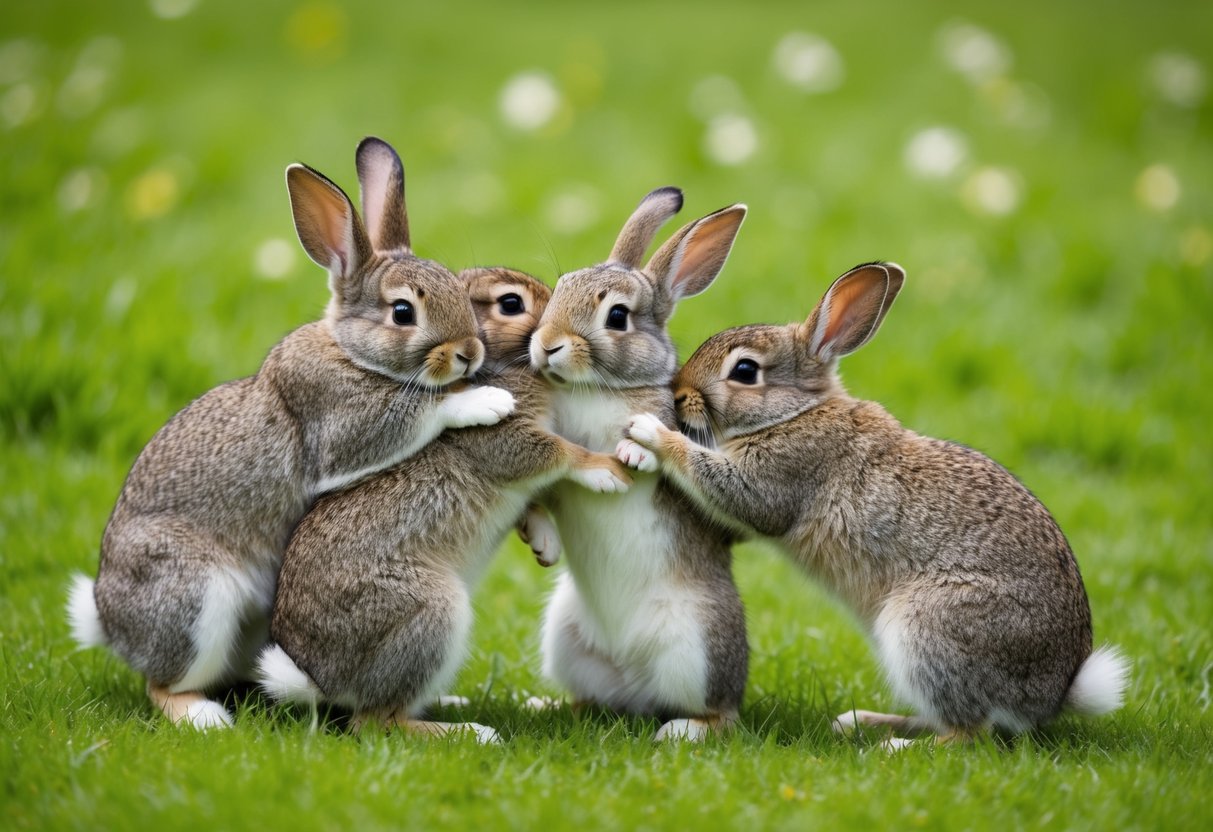
Rabbits are social creatures with rich emotional lives. Understanding how they communicate and their emotional needs helps build strong bonds with them. These connections enhance their happiness and well-being.
Communication and Social Bonds
Rabbits express themselves in many ways. They use body language, sounds, and behaviors to communicate. For example, when a rabbit is happy, it might show playful antics like binkying—a joyful leap and twist in the air.
Another common behavior is floppling, where rabbits flop onto their sides, showing they feel safe and relaxed. These actions help you understand your rabbit’s feelings and build trust.
Forming a strong bond takes time and patience. Spend time interacting with your rabbit through gentle petting and playtime. This connection fosters loyalty and acceptance.
Understanding Rabbit Emotions
Rabbits experience a range of emotions. They can feel joy, fear, and even loneliness. Understanding these feelings is essential for their care. If your rabbit seems withdrawn or anxious, check their environment and routines.
When rabbits feel loved and secure, they thrive. You might notice your rabbit seeking out your company or showing affection through nuzzling. It’s these little acts that reveal their emotional state and deepen your bond.
Incorporating social play not only makes them happy but also strengthens your relationship. Providing toys and opportunities for exercise is key. A happy rabbit will often express its joy through playful antics.
Rabbits in Culture
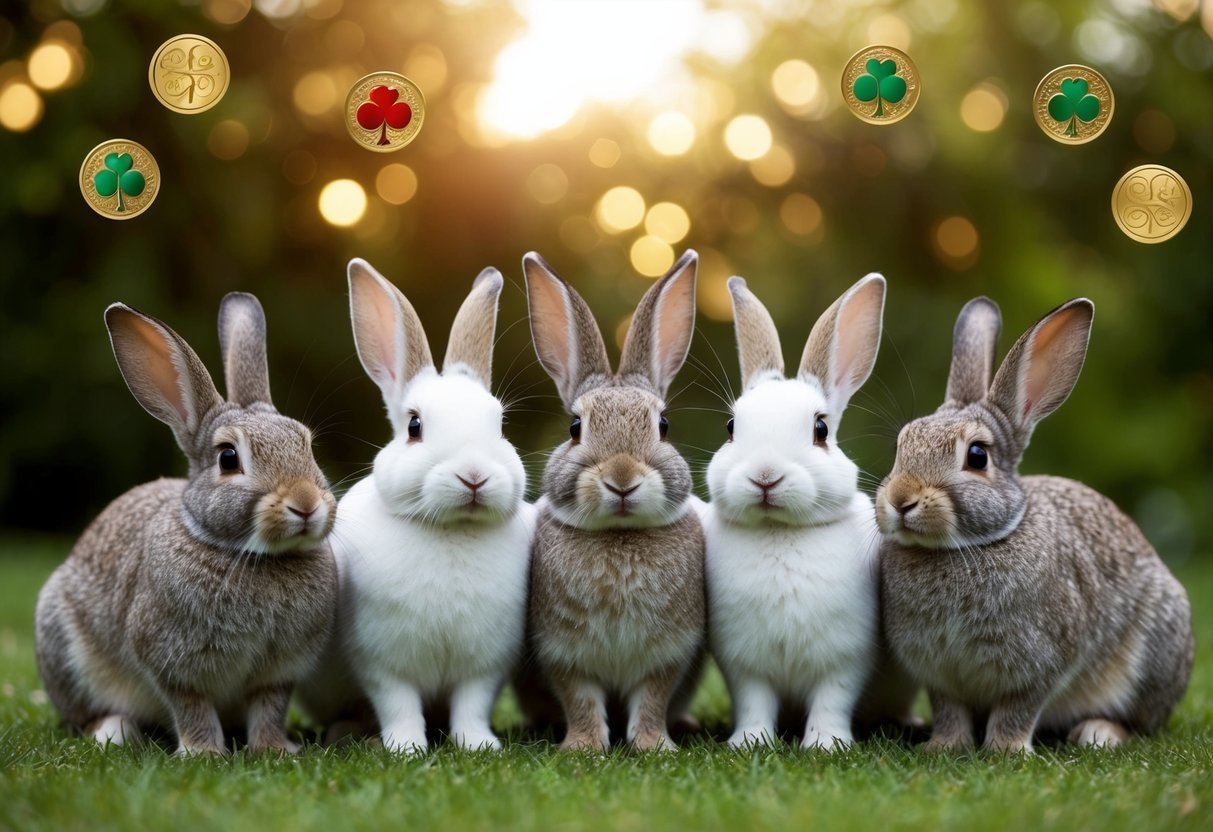
Rabbits hold a unique and significant place in various cultures around the world. Their symbolism often connects to ideas of fertility, luck, and cunning. In folklore and mythology, rabbits represent a range of traits, which makes them intriguing figures for storytelling.
Rabbits in Folklore and Mythology
In many cultures, people see rabbits as symbols of fertility and abundance. For example, several Asian myths feature the Rabbit in the Moon. People often view it as a symbol of prosperity.
In Native American folklore, the trickster rabbit appears frequently in stories. This clever character uses its wits to outsmart foes. You might find this delightful in tales that teach lessons about being resourceful.
In European traditions, the Easter Bunny is a playful character. It brings eggs during Easter, symbolizing new life and rebirth. This idea connects well with the natural breeding habits of rabbits, making them a fitting choice for celebrating spring.
The diverse roles of rabbits in folklore and mythology showcase their importance across different societies. Whether as symbols of luck or cleverness, rabbits continue to enchant people everywhere.


