
Rabbits are often adored for their cute and fluffy appearance, leading many people to wonder if these little creatures enjoy being held. Most bunnies do not like being held, as they can feel scared or uncomfortable when restrained. Understanding their behavior can help you build a better bond with your furry friend.
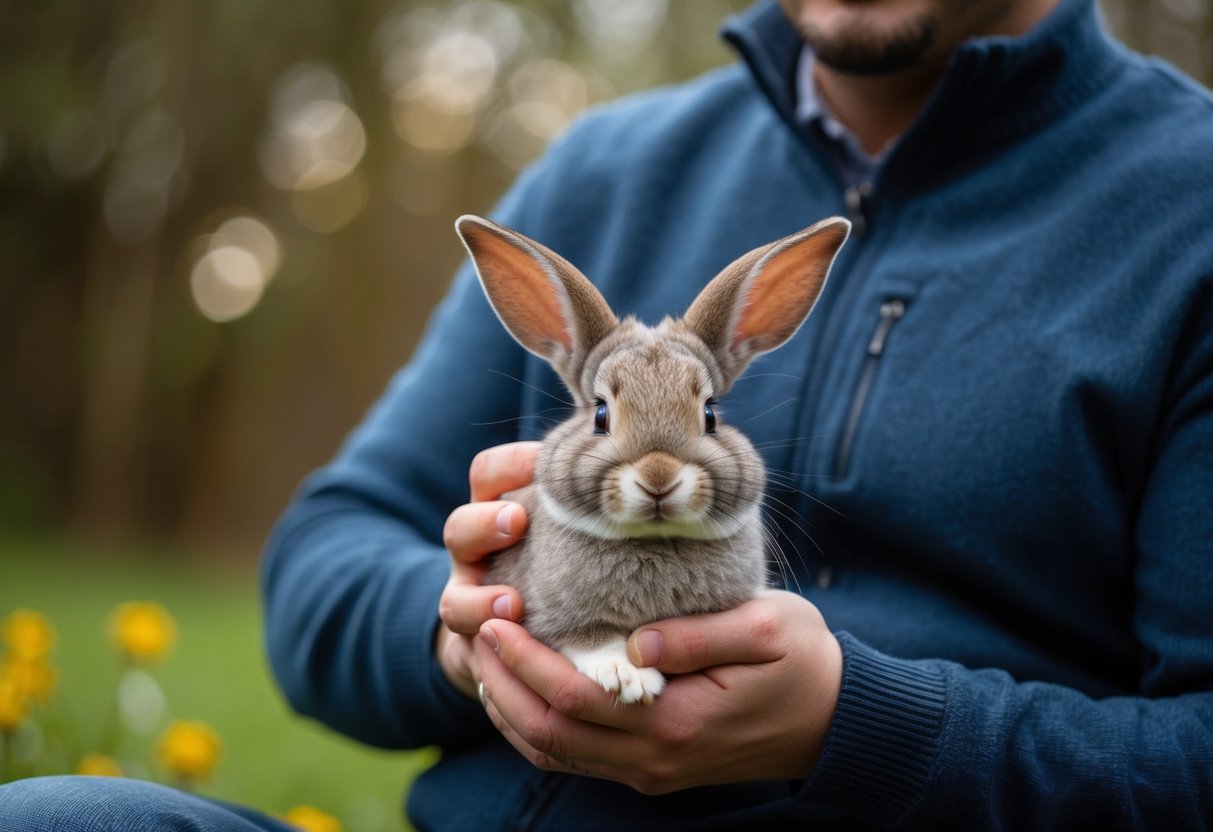
As prey animals, rabbits have strong instincts that make them wary of being picked up. They prefer to have their feet on solid ground and the ability to escape if they sense danger. This doesn’t mean that rabbits aren’t affectionate; they may just show their love in different ways.
If you’re looking to make your bunny more comfortable with handling, patience and positive reinforcement are key. By learning how to approach your rabbit and recognizing their unique personality, you can create a safer environment and encourage trust.
Understanding Rabbit Behavior

Getting to know your rabbit’s behavior is key to building a strong bond. Recognizing signs of stress versus contentment will help you understand how your bunny feels. Learning about their body language will also guide you in creating a loving environment.
Signs of Stress and Contentment
Rabbits can be vocal and expressive about their feelings. You need to pay attention to both stress and contentment signals.
Signs of Stress:
- Thumping: This is a warning sign. Your bunny might feel threatened.
- Hiding: If they retreat to their hideout, they feel insecure.
- Lack of appetite: Not eating could mean they’re stressed.
Signs of Contentment:
- Purring or grunting: Soft sounds indicate comfort.
- Flopping: When your bunny lies on its side, it’s relaxed.
- Nudging: This is a way to say “Pet me!”
Understanding these signs helps you know when your rabbit is happy or unhappy.
Rabbit Body Language Basics
Your rabbit’s body language offers insights into their feelings.
Key Behaviors to Observe:
- Ears: Ears perked up mean curiosity or alertness. If they flatten, your bunny may be scared or annoyed.
- Eyes: Wide-open eyes indicate surprise or fear, while relaxed, half-closed eyes show contentment.
- Tail: A twitching tail means excitement. A still tail signals calmness.
Cuddling Tips:
- If you want to hold your bunny, approach slowly.
- Use gentle support to make them feel secure.
By paying attention to these signals, you can respond better to your bunny’s needs and create a joyful bond.
Rabbit Handling Techniques

When you want to engage with your bunny, understanding the right handling techniques is essential. This ensures both you and your rabbit feel comfortable and safe during interactions. Here are some effective methods for handling rabbits.
Proper Ways to Hold Your Bunny
To hold your rabbit safely, always start by placing one hand under its chest. This provides stability and support. Use your other hand to gently support its hind legs. This position helps your bunny feel secure and prevents any injury.
Make sure to lift slowly and calmly. Rapid movements can scare your pet. Hold your bunny close to your body to give it a sense of safety. Avoid holding your rabbit too high off the ground. If your rabbit jumps, it could get hurt. Always maintain a gentle grip while giving your bunny freedom to move.
Common Mistakes in Handling
Many people make mistakes when handling rabbits, often unintentionally. One common error is picking them up without proper support. This can cause fear and may lead to injury if they struggle to escape.
Another common mistake is holding them for too long. Rabbits may feel trapped, leading to stress. It’s important to watch your bunny’s body language. If it appears tense or tries to escape, it’s best to set it down. Also, avoid loud noises or sudden movements, as these can frighten your bunny.
Teaching Your Bunny to Enjoy Being Held
To help your bunny enjoy being held, start with gradual exposure. Begin by petting it while it’s on the floor. This builds trust and helps your bunny feel more comfortable being close to you.
Use treats or gentle praise when your bunny responds positively to handling. You can lift it for short periods, gradually increasing the time as it becomes more accustomed. Always be gentle and patient.
Creating a calm environment will help your bunny relax during handling. Make sure you are in a quiet room free of distractions. With time, your bunny will learn to associate being held with positive experiences.
Creating a Cuddling Environment

To help your bunny feel comfortable with cuddling, you need to create a safe and inviting space. This involves designing a cozy environment and timing your cuddling sessions to suit your bunny’s mood.
Safe Spaces for Interaction
Start by providing safe spaces where your rabbit feels secure. Create a cozy area using soft blankets or cushions in a quiet spot. Use items like tunnels or hideaways that allow your bunny to explore and retreat when needed.
Important tips:
- Ensure the space is free from hazards like wires or small objects.
- Always supervise your bunny during cuddle time to keep them safe.
By making your bunny feel at ease, they are more likely to enjoy being petted or held for short periods. Remember, respect your bunny’s boundaries; some may prefer to cuddle near you instead of on your lap.
Timely Cuddling Sessions
Timing is crucial when it comes to cuddling your rabbit. Watch for signs that show your bunny is in a relaxed mood, like flopping down or nibbling on treats.
Aim for short, gentle cuddling sessions, ideally 5 to 10 minutes, especially in the beginning. This way, your bunny won’t feel overwhelmed.
Cuddling tips:
- Always approach gently. Avoid sudden movements that might startle them.
- Use soft strokes and speak calmly to help your rabbit feel relaxed.
With patience and practice, you can build trust with your bunny. This makes them more likely to enjoy your time together and look forward to cuddling.
Optimizing Comfort for Various Rabbit Breeds

Understanding how to handle different breeds of rabbits is essential for their comfort. Each breed may have unique traits that affect how they enjoy being held. Adjusting your approach based on these traits can help create a positive experience for both you and your bunny.
Breed-Specific Handling Tips
Different rabbit breeds have varying temperaments. For instance, Holland Lops are known for their affectionate nature. They often enjoy being held and cuddled. Use gentle, calm movements to pick them up.
On the other hand, Belgian Hares can be more skittish. They may not enjoy being held at all. If you have a Belgian Hare, opt for petting them on the ground instead of lifting them.
For breeds like the Mini Rex, they appreciate stability. Always support their hindquarters when lifting. This support makes them feel secure and comfortable.
Adapting to Your Rabbit’s Preferences
Each rabbit has its own likes and dislikes when it comes to being held. Pay attention to your rabbit’s body language. Signs of comfort include relaxed ears and gentle breathing.
If your rabbit shows signs of stress, like thumping or trying to escape, you need to rethink your approach. Try cuddling on the floor instead of lifting them.
You may also find that your rabbit enjoys being wrapped in a soft blanket while you hold them. This method can make them feel safe and cozy.


