
If you have a rabbit or are thinking about getting one, you might wonder what the best diet is for these adorable pets. Rabbits primarily thrive on a diet of hay, fresh greens, and a small amount of pellets. Understanding their nutritional needs is vital for keeping your furry friend healthy and happy.
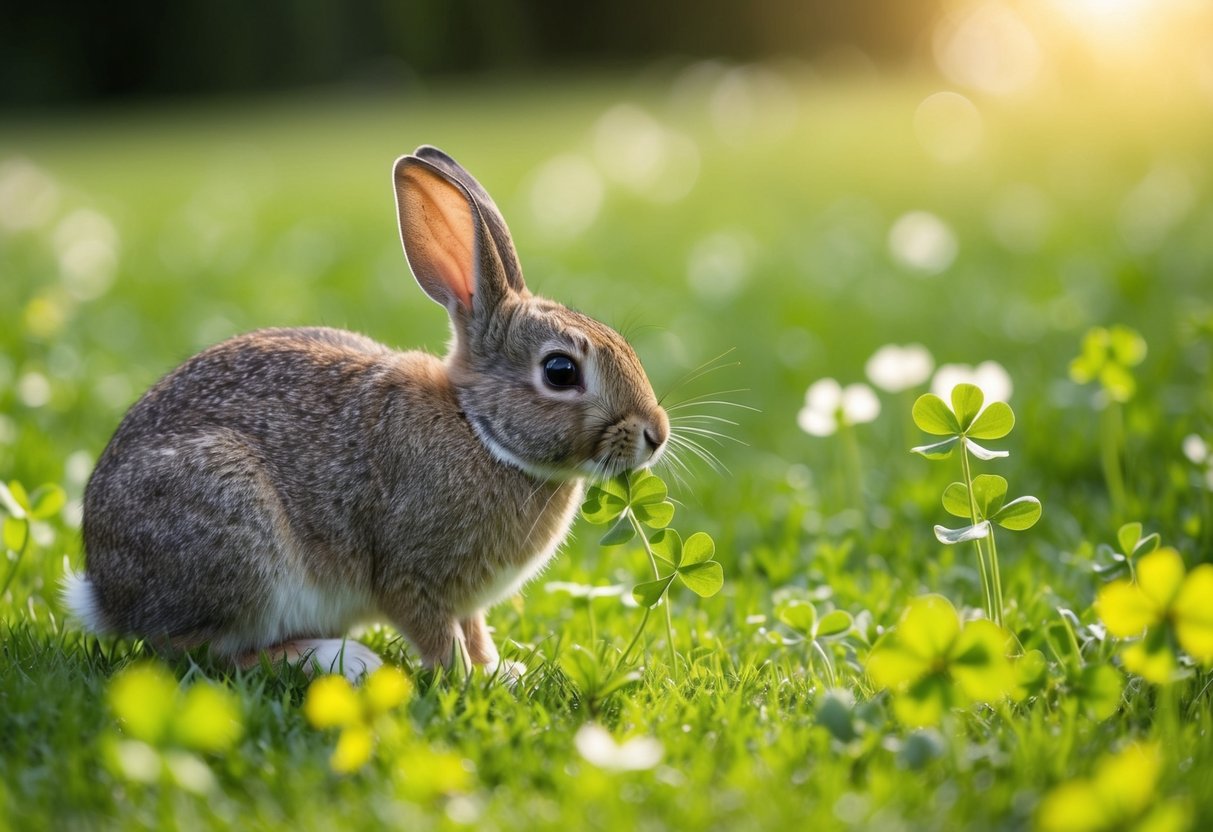
Rabbit diets are not just about what they eat. They rely on a unique digestive system that requires high fiber intake to function properly. By providing the right food, you can support their digestion and prevent health issues.
Exploring the varieties of vegetables and safe treats can help you create a balanced meal plan.
With the right knowledge, you can ensure your rabbit enjoys a variety of tasty options while meeting their dietary needs. Let’s dive deeper into what foods your rabbit can enjoy for a vibrant and healthy life!
Basic Dietary Needs of Rabbits
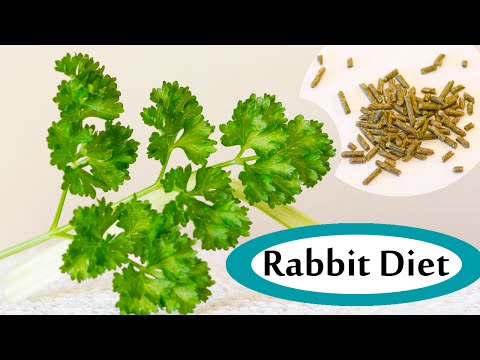
Rabbits have specific dietary needs that help them stay healthy and happy. It is important to provide them with the right balance of hay, grass, and fresh vegetables. Each part of their diet plays a vital role in their overall well-being.
Importance of Hay and Grass
Hay and grass are essential to a rabbit‘s diet. They need a steady supply of fiber to support their digestive health. Timothy hay, grass hay, and other types offer this fiber. Aim for hay to make up about 80-90% of their daily intake.
Fresh grass can also be a great addition. It provides important nutrients and keeps their teeth healthy. Avoid hays high in calcium, like alfalfa hay, for adult rabbits, as too much calcium can lead to health issues.
Make sure your rabbit always has access to fresh hay. This helps prevent obesity and promotes healthy gut function. A healthy rabbit diet largely depends on these fiber-rich foods.
Vegetables as a Vital Component
In addition to hay, fresh vegetables are important. Leafy greens like kale, spinach, and romaine lettuce offer vitamins and nutrients. You can also feed them broccoli, carrot tops, celery, and bok choy for variety.
Introduce vegetables slowly to avoid digestive problems. Aim for a mix of 2-4 cups of vegetables daily, adjusting based on your rabbit’s size. Avoid starchy or high-sugar veggies, like corn and peas.
Fresh vegetables not only supply essential nutrients but also keep your rabbit interested in its meals. A balanced diet is key. Always provide fresh water to keep your rabbit hydrated and healthy.
Fruits and Treats in Moderation

Giving your rabbit treats can be fun, but it’s important to understand how to do it safely. Many fruits and other treats should be given in moderation to avoid health problems like obesity and digestive issues.
The Role of Treats
Treats can enhance your rabbit’s diet and make them happy, but they should not replace their main food. Rabbits primarily need hay, which is high in fiber and essential for their digestive health.
Treats like fruits, vegetables, and certain herbs can be enjoyable for your rabbit. Some popular choices include parsley, basil, and dandelion greens. Always monitor your rabbit’s reaction to new treats, as some may cause gas or soft stools.
Safe Fruit Choices for Rabbits
When it comes to fruits, remember that sugary options can lead to obesity and other health issues. Stick to occasional fruits like apples, blueberries, and strawberries. It’s best to cut these into small pieces and offer them in very limited amounts—no more than 1-2 tablespoons per day.
Avoid high-sugar fruits like bananas and rhubarb, as they can upset your rabbit’s digestive system. Always remove any seeds or pits from fruits, as they can be harmful. Be cautious with treats that aren’t fresh, like dried fruits, which can be too high in sugar. Focus on maintaining a balanced diet for your rabbit while providing occasional fun snacks!
Risks and Foods to Avoid for Rabbits

It’s important to be aware of what foods can harm your rabbit. Avoiding certain foods will help you prevent health issues, especially with their delicate digestive systems.
Toxic Foods for Rabbits
Some foods can be very harmful or even fatal to rabbits. Here’s a list to keep in mind:
- Iceberg Lettuce: This type of lettuce has little nutritional value and can cause digestive issues.
- Rhubarb: Contains oxalic acid, which is toxic to rabbits.
- Beans and Peas: These can create gas and lead to a painful condition called bloating.
- Brassicas (like broccoli or cabbage): These can cause gas and digestive upset when fed in large amounts.
Always check food labels and avoid giving your rabbit any processed foods like muesli or corn, as these can disrupt their digestive balance. Keep an eye on your rabbit’s droppings for signs of trouble; healthy droppings are a sign of a healthy diet.
Preventing Digestive Troubles
A rabbit’s digestive system requires a high-fiber diet to function properly. Fiber is crucial for preventing obesity and issues like gas. To help your rabbit stay healthy:
- Timothy Hay: Make sure this is the primary part of their diet. It keeps their digestive system moving.
- Vegetables: Offer small amounts of safe greens like celery or parsley, but avoid those with high calcium or oxalic acid. Too much calcium can lead to bladder stones.
- Monitor Portions: Stick to recommended serving sizes, especially for treats. Overfeeding can lead to obesity and other digestive problems.
Encouraging your rabbit to produce cecotropes can also help. This is a natural process where they re-digest their droppings for extra nutrients. Providing the right foods ensures your furry friend stays fit and healthy.
Feeding Practices for Optimal Health
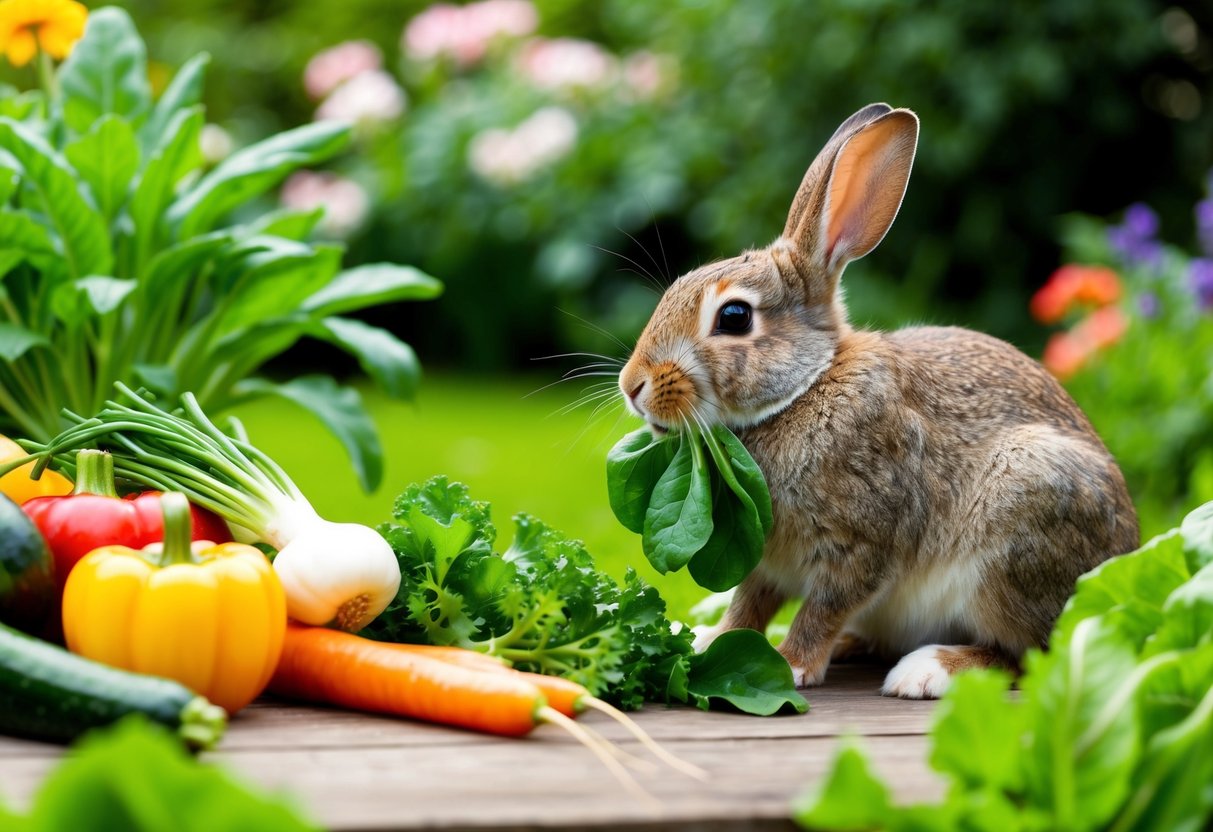
Keeping your rabbit healthy involves more than just what they eat. It’s essential to focus on hydration and offer fresh foods, while also supporting their dental health through proper chewing practices. Each aspect plays a crucial role in ensuring your bunny stays happy and vibrant.
Hydration and Fresh Foods
Fresh water should always be available for your rabbit. It’s important to change the water daily to keep it clean.
Your bunny’s diet should mainly consist of Timothy hay, which promotes digestion and healthy gut function. Aim for 80-90% of their diet to be hay.
In addition to hay, introduce fresh vegetables. Leafy greens like romaine lettuce and cilantro are excellent choices. Offer 1-2 cups of fresh veggies per 4 pounds of your rabbit’s weight daily. Limit fruits and avoid starchy or high-sugar options.
Consider incorporating rabbit pellets in moderation. Pellets can provide essential nutrients but shouldn’t exceed 10% of their diet. Be sure to select high-fiber pellets to support their overall diet.
Chewing for Dental Health
Rabbits have continuously growing teeth, so chewing is vital for their dental care. Providing hay encourages natural gnawing, which helps wear down their teeth.
Chew toys made from safe materials like untreated wood or twigs can be great additions to their environment. Incorporate various chew toys to keep your rabbit engaged.
Offer them regularly to ensure your bunny has enough to chew on. This will not only help keep their teeth healthy but also prevent boredom.
Keeping a close eye on your rabbit’s dental health is essential. Check their teeth regularly for signs of overgrowth or issues, as dental problems can affect their overall well-being.


