
If you’ve ever wondered if your rabbit has a favorite person, you’re not alone. Many rabbit owners have noticed their pets bonding closely with certain family members. Rabbits can and often do develop strong attachments to a favorite person, based on how much care and attention they receive.
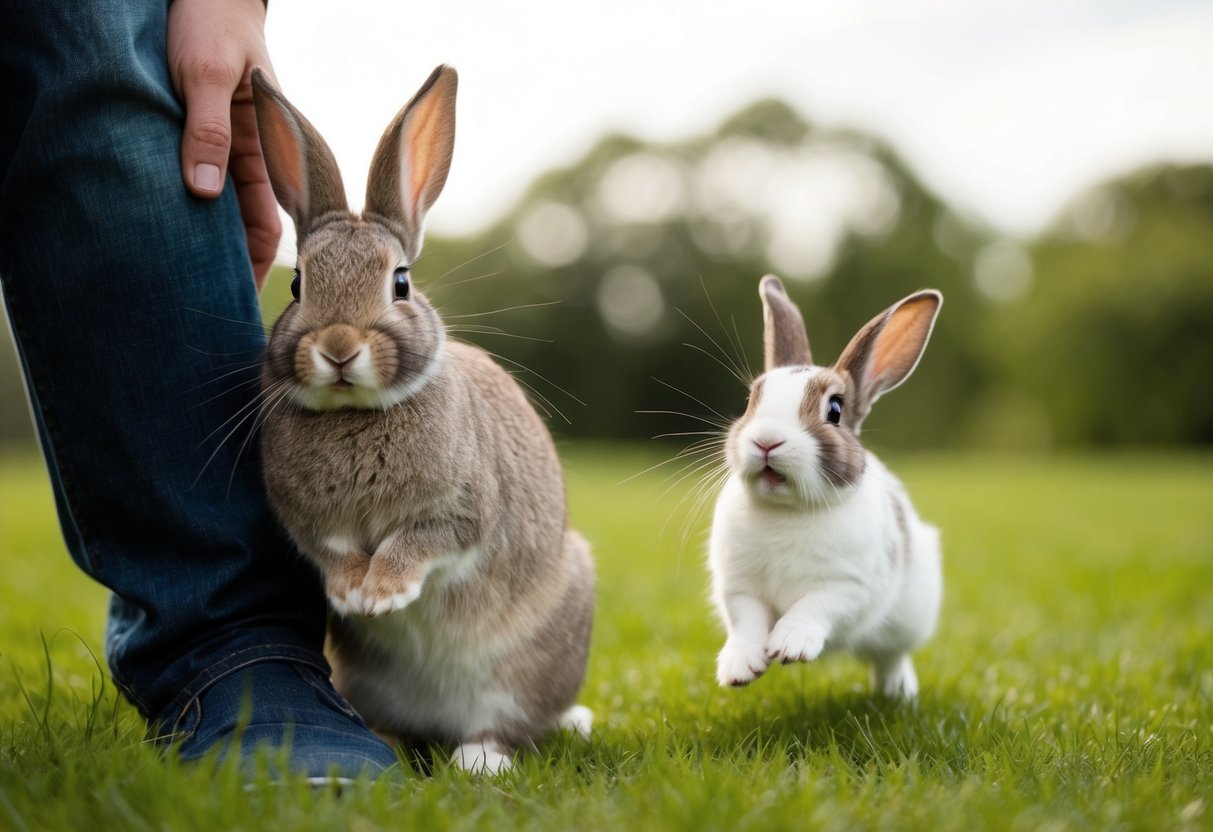
Understanding how rabbits show their preferences can be fascinating. These social creatures form unique connections with humans, influenced by the time spent together and the activities shared.
You might notice your rabbit getting more excited when you walk into the room, or allowing you to pick them up more easily than others.
Exploring this topic can help you strengthen your bond with your furry friend. Discovering whether your rabbit prefers you can lead to more enjoyable interactions, from playtime to cuddling.
Let’s dive deeper into what makes a rabbit choose a favorite and how you can become that special person in their life.
Understanding Rabbit Behavior
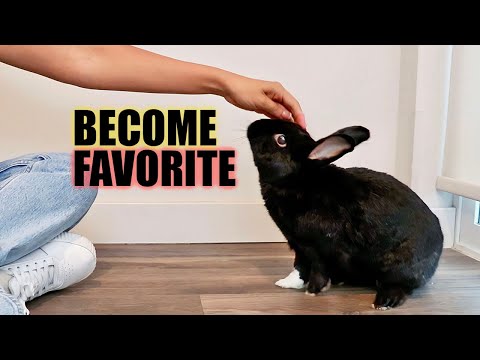
Rabbits are social creatures that thrive on interaction, both with other rabbits and with humans. Understanding their behavior can help you build a stronger bond with your pet. This knowledge is key to recognizing the signs of affection and interpreting their body language.
Social Creatures and Human Interaction
Rabbits are naturally social animals. They often form close relationships with their human caregivers.
Spending quality time with your rabbit can encourage them to trust and feel safe around you.
When you engage in positive interactions, such as playing or grooming, your rabbit can develop a preference for you. Daily routines help strengthen this bond. Rabbits that feel secure are more likely to express their affection openly.
Signs of Affection in Rabbits
Rabbits show their love in various ways. One of the most common signs is licking. If your rabbit licks you, it’s a sign of trust and affection.
Other behaviors include nuzzling, where they rub against you, and binkying, which is a joyful leap that shows they are happy. You may also notice your rabbit flopping down next to you, signaling that they feel safe and relaxed in your presence.
Rabbit Body Language
Understanding rabbit body language is essential for interpreting their feelings. Ears can tell you a lot; if they are perked up, your rabbit is alert and curious. If they lay flat against their back, it may indicate fear or submission.
Additionally, when rabbits thump their hind legs, it can be a warning sign to alert you. Noticing these movements helps in understanding your rabbit’s needs and emotions.
By observing and responding to these subtle signals, you can enhance your relationship with your rabbit and ensure they feel loved and cared for.
Forming a Bond with Your Rabbit
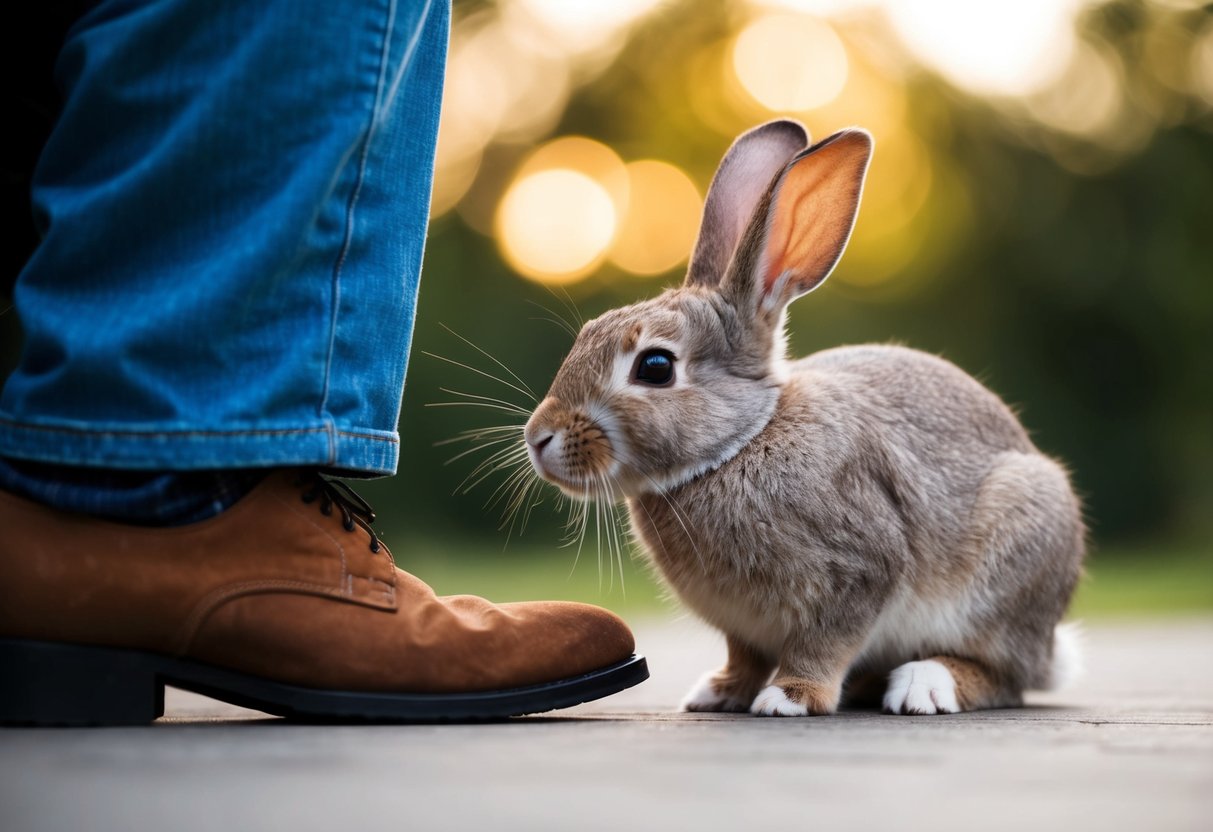
Forming a strong bond with your rabbit is important for their happiness and your connection. By building trust, spending quality time together, and using positive training techniques, you can strengthen your relationship.
Building Trust with Your Pet Rabbit
To build trust, you need to create a safe environment for your rabbit. Allow them to explore their space without feeling trapped.
Sit quietly near them and let them approach you at their own pace.
Use gentle movements and soft voices to avoid startling them. Offer treats from your hand to encourage closeness. Gradually, your rabbit will learn to trust you, signaling their comfort through relaxed body language.
Quality Time and Consistent Care
Spending quality time with your rabbit is essential. Spend at least 30 minutes each day interacting with them. Engage in activities they enjoy, like playing with toys or exploring new spaces.
Consistency is key. Keep their feeding schedule regular and ensure their living area is clean. This stability helps your rabbit feel secure. When they know they can count on you, they are more likely to bond with you.
Training and Positive Reinforcement
Training is another effective way to deepen your bond.
Use positive reinforcement, such as treats or praise, to encourage good behavior. Start with simple commands, like “come” or “sit,” and be patient.
Keep training sessions brief and fun, lasting no more than 5-10 minutes. This approach maintains their interest and builds confidence. Over time, your rabbit will associate you with positive experiences, further strengthening your bond.
Do Rabbits Have a Favorite Person?

Rabbits are social animals, and they can form strong bonds with their humans. Many owners wonder, “Do rabbits have a favorite person?” The answer is yes, but it can vary from one rabbit to another.
Your rabbit may show affection toward you through various actions. Look for signs like gentle nudges, purring sounds, and even playful binkies. These behaviors indicate your rabbit loves and trusts you.
Interaction is key. Spending time with your rabbit through play or grooming helps build this bond. The more you engage in activities like cuddling or offering treats, the more likely your rabbit will choose you as its favorite.
Rabbits can be particular about who they connect with. Some may prefer owners who are calm and gentle, while others enjoy more playful and energetic interactions.
Each rabbit has a unique personality, so their choice of favorite person can differ. You may notice your rabbit is more relaxed and happy around certain individuals.
In addition to bonds with humans, rabbits can also connect with others in their environment. They thrive on companionship, whether it’s with other rabbits or humans. Building a strong connection can lead to a rewarding relationship, filled with joy and love.
Creating a Rabbit-Safe Environment
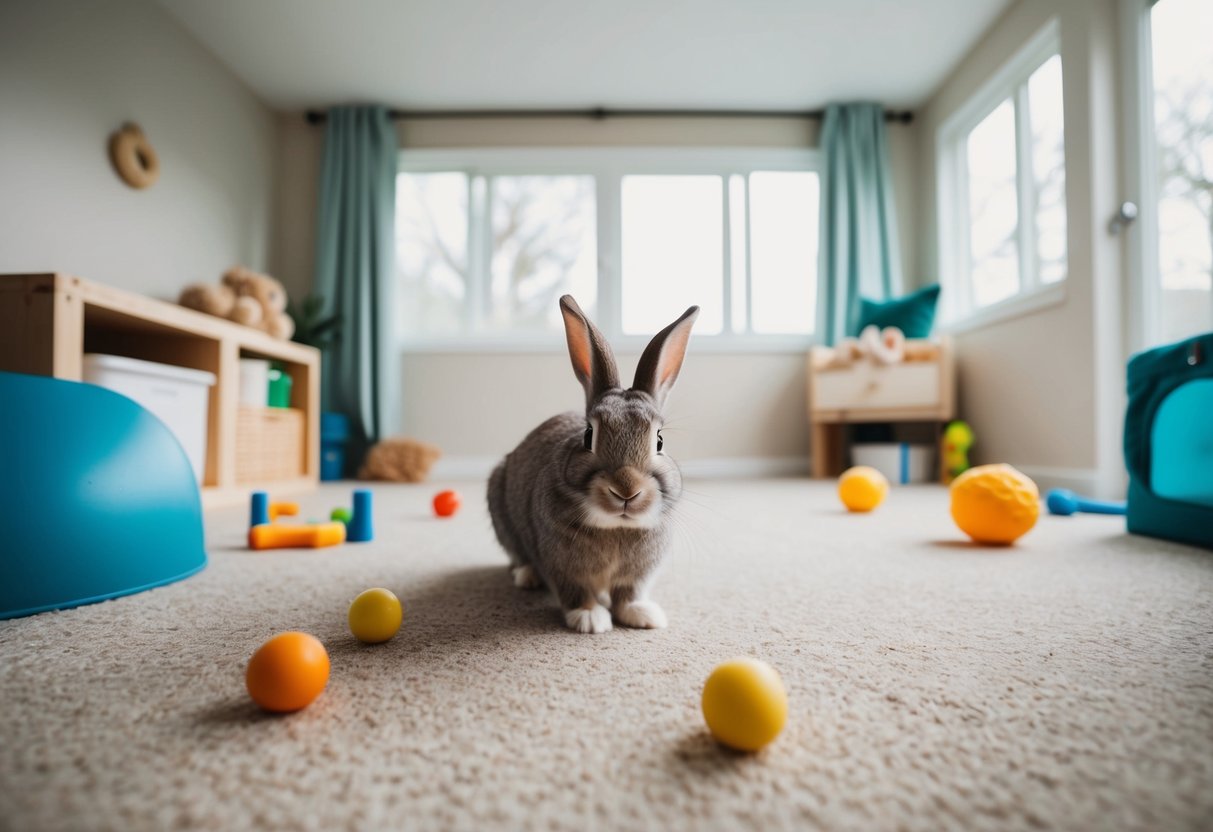
A safe environment is crucial for your rabbit’s well-being. You can create this space by focusing on the right toys and stimulation. This will help keep your rabbit happy and healthy.
Toys and Stimulation for Rabbits
Your rabbit needs engaging toys to avoid boredom. Look for rabbit-safe toys that are free from harmful chemicals. Natural materials like wood or grass are great options.
Consider items like untreated wicker baskets or cardboard boxes. These can provide hours of fun.
Chew toys are especially important. Rabbits need to gnaw to keep their teeth from growing too long. Offer items like hay cubes or wooden chew sticks.
Make sure to rotate toys every few weeks. This way, your rabbit stays curious and active in their surroundings. Always supervise playtime to ensure safety. If a toy becomes damaged, replace it immediately.


