
You may have noticed that your dog seems to favor one person in the household more than others. Dogs often bond more closely with one person due to time spent together, shared experiences, and the unique connection that develops between them. This bond can create a special relationship where your dog feels safest and most comfortable.
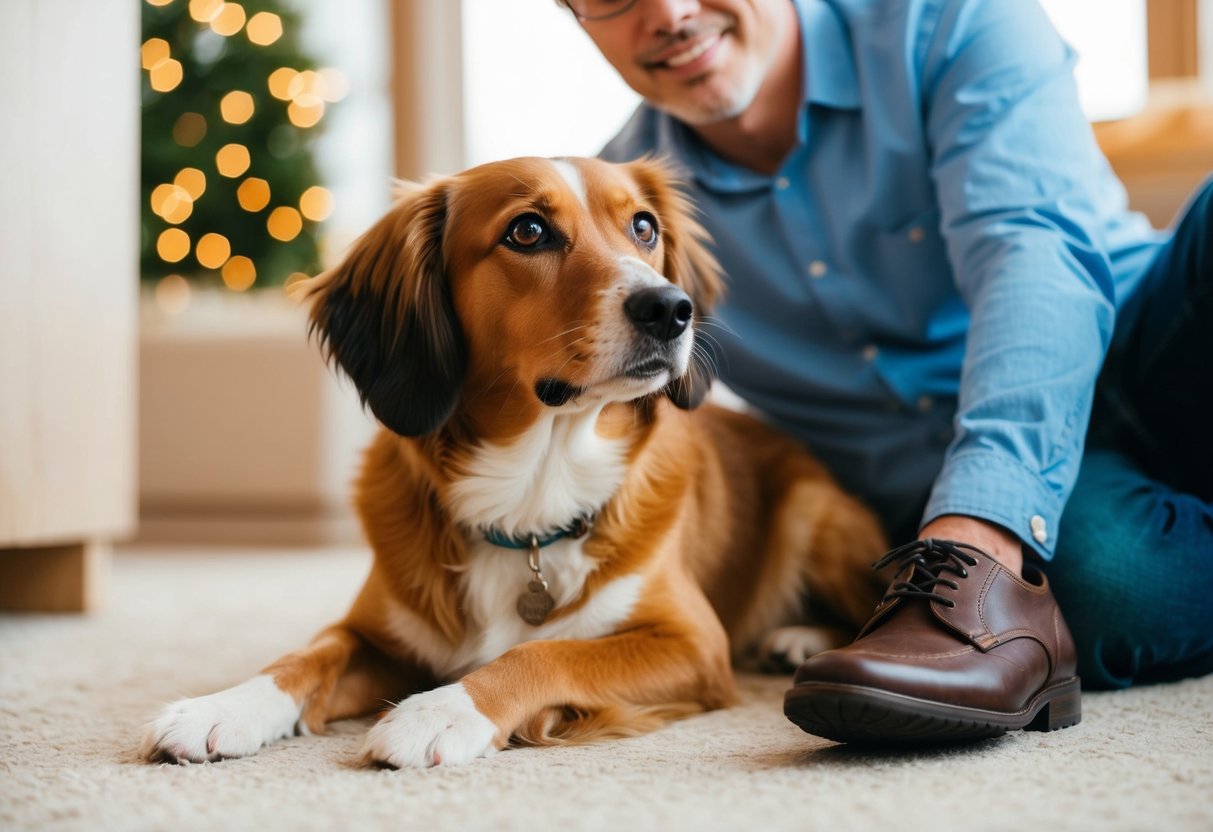
Understanding why your dog attaches to one person can help you strengthen your bond with them.
It’s common for dogs to show a preference for the person who provides care, attention, and affection. Whether it’s cuddling on the couch or taking them for walks, those moments create lasting memories and reinforce their attachment.
As you explore this topic further, you’ll learn about the factors that contribute to this phenomenon and how it affects both dogs and their families. This insight can help enhance the connection you share with your furry friend!
Understanding the Dog-Human Bond

Dogs form strong emotional connections with humans, often leading to a unique bond with one particular person. This bond is rooted in science, behaviors, and experiences that shape the way dogs interact with their owners.
The Science of Attachment
The bond between dogs and humans can be explained through attachment theory. This theory looks at how relationships develop over time. Just like with infants and caregivers, dogs also need close relationships.
When you interact with your dog, your attention fosters trust and security. This is essential for building a strong bond.
Activities like petting and playing release oxytocin, also known as the “love hormone.” This chemical promotes feelings of attachment and affection.
Studies show that dogs who receive consistent care and attention form deeper emotional connections. They may also follow you closely or seek your company more than others. This demonstrates their desire for social bonding and reinforces the trust in your relationship.
Factors Affecting Dog-Human Relationships
Several factors influence how dogs bond with one person.
One key factor is attention. If you spend more time engaging with your dog, they are likely to form a stronger attachment to you. This can include playtime, training, and one-on-one interactions that enhance your emotional connection.
Another factor is your dog’s personality. Some dogs are naturally more social and eager to bond, while others may be more independent. Your dog’s early experiences, especially during their critical development stages, can also play a big role.
Consistency in your interactions helps solidify trust and affection. Dogs thrive on routine, so your reliability can significantly impact the strength of your bond.
Cultivating a Strong Bond with Your Dog
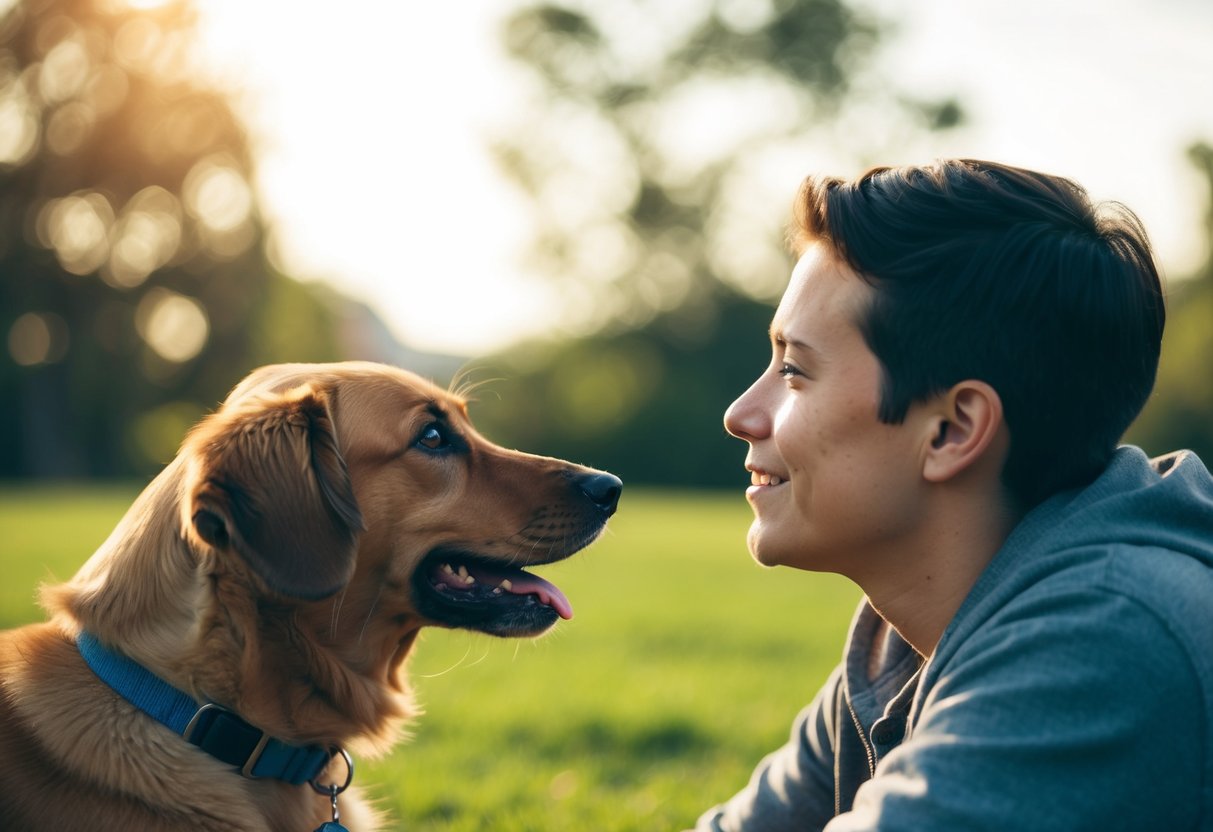
Building a strong relationship with your dog revolves around trust, communication, and enjoyment. By focusing on positive interactions and shared activities, you can deepen your bond and create a lasting partnership.
Essentials of a Healthy Relationship
A healthy relationship starts with understanding your dog’s needs.
Pay attention to their body language and feelings. This will help you respond appropriately during any encounter.
Establish a routine that includes feeding, walking, and playtime. Dogs thrive on structure and knowing what to expect. Consistency in your care reinforces your role as a reliable caregiver.
Physical affection is essential. Simple gestures, like petting or cuddling, can greatly enhance your dog’s sense of security. Make sure to show your love frequently to strengthen your connection.
Training and Positive Reinforcement
Training sessions are vital for building trust and communication.
Use positive reinforcement methods to encourage good behavior. This can include tasty treats, praise, or a favorite toy.
Keep training sessions short and fun. Aim for 5-10 minutes to match your dog’s attention span. You can practice commands like “sit,” “stay,” and “come” while making it enjoyable.
Remember, positive association is key. Celebrate small achievements and always end on a high note. This will help your dog look forward to training, linking it with fun and rewards.
Quality Time and Bonding Activities
Spending quality time together helps deepen your bond.
Activities like hiking, playing fetch, or simply relaxing in the backyard are great for connection.
Consider fun bonding activities tailored to your dog’s preferences. Some dogs enjoy puzzle toys or agility courses. Others may prefer a leisurely walk around the neighborhood.
Remember to incorporate physical activities that challenge them mentally and physically. It can be as simple as teaching a new trick or exploring a new route during your walks. Engaging your dog in these ways builds trust and enriches your relationship.
Recognizing Over-Attachment Signs
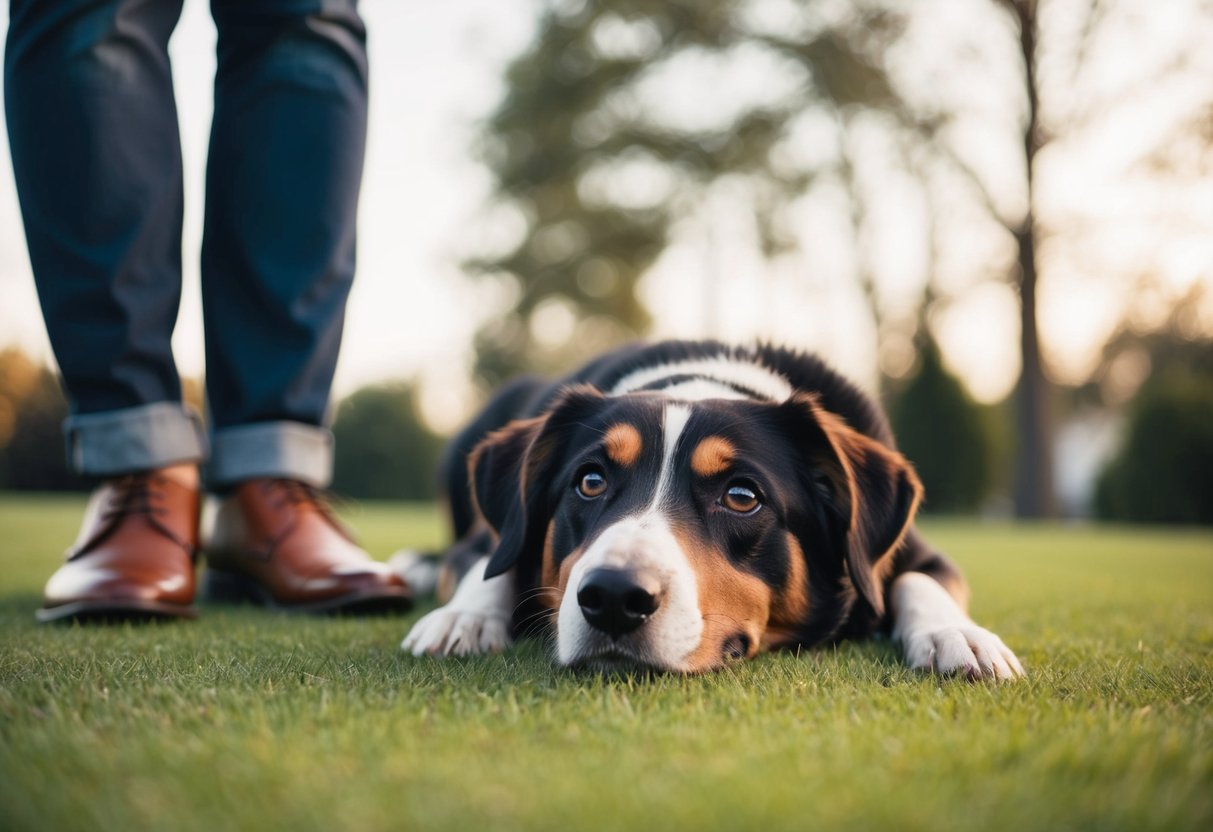
It’s important to know the signs of over-attachment in dogs. Understanding these signs helps you ensure your dog is happy and healthy. Look for signs of separation anxiety and the behavior of “velcro dogs” to gauge your dog’s emotional state.
Separation Anxiety and Its Causes
Separation anxiety is a common issue in dogs that can lead to distress when you leave.
Signs include excessive barking, destruction of furniture, or inappropriate elimination.
This often happens when your dog has a very strong bond with you and feels insecure when you’re not around. Factors like previous abandonment or sudden changes in your routine can make it worse.
To help, practice short departures and returns to make leaving less stressful for your pet. Make sure to provide stimulating toys to keep them occupied while you’re away.
Understanding ‘Velcro Dogs’
The term “velcro dog” refers to dogs that stick close to their owners, wanting constant companionship. This behavior can be endearing, but it may also indicate over-attachment.
Signs include following you from room to room, whining when you’re out of sight, or showing distress when you leave. While some dogs naturally prefer being near their owners, check for other signs of anxiety.
If your dog is too clingy, gradually encourage them to spend time alone. Use positive reinforcement, like treats for staying calm and independent.
Breed-Specific Tendencies and Socialization
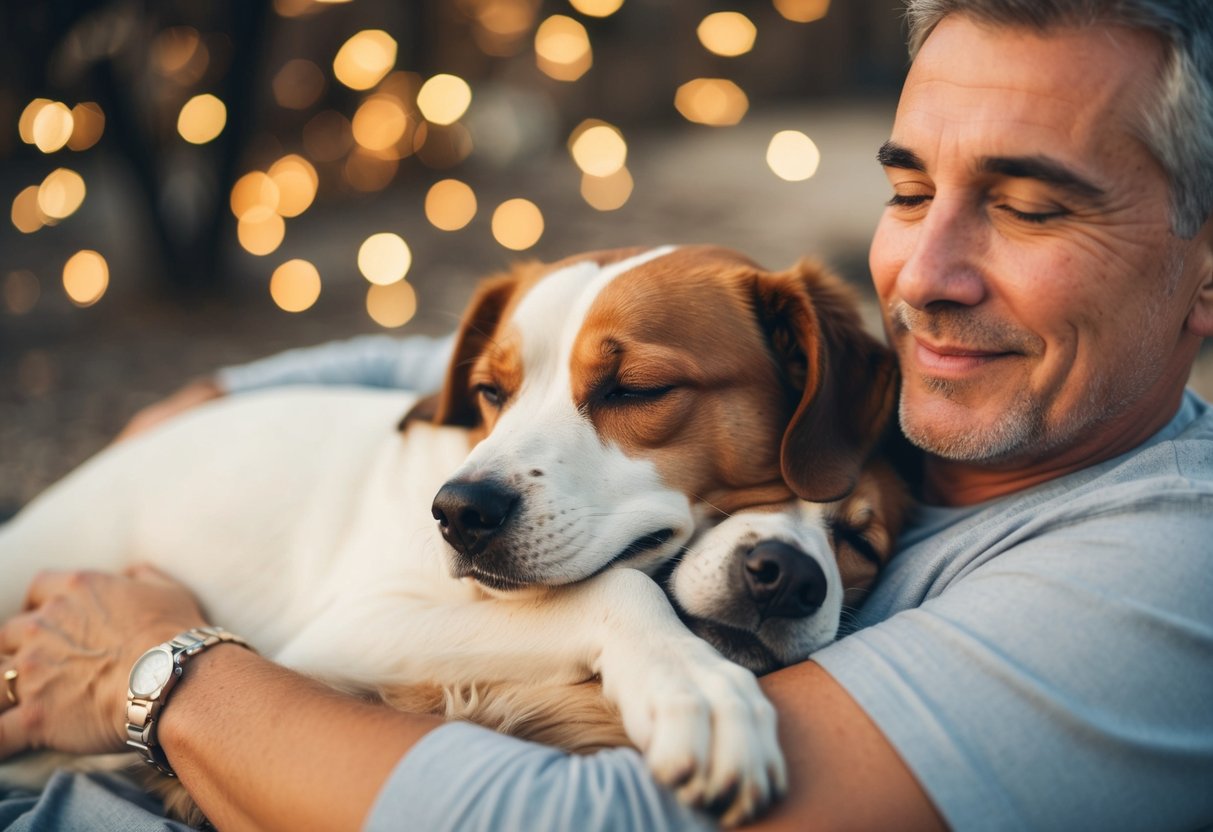
Understanding how certain breeds connect with people can help you strengthen your bond with your dog. Some breeds have unique tendencies, while socialization plays a critical role in creating a loyal companion who chooses you as their favorite person.
Importance of Early Socialization
Early socialization is crucial for developing a well-adjusted dog.
During the key socialization period, usually between 3 to 14 weeks, puppies should be exposed to various people, environments, and situations. This exposure helps them learn to feel comfortable and secure around different stimuli.
For example, if you have a German Shepherd, socializing them with various experiences will help them form a healthy bond with you and others.
Neglecting socialization may lead to anxiety or fearfulness, making it harder for your dog to open up. Proper socialization ensures that your dog becomes a confident adult, ready to form strong attachments.
Breed Differences in Companion Preferences
Different breeds exhibit varying tendencies when forming bonds with their humans. For instance, breeds like Chihuahuas and Akitas often choose one person to connect with deeply. In contrast, breeds like Labradors may become friends with the entire family.
When considering adult rescue dogs, bond preferences can vary depending on their past experiences. A dog may have been raised to connect closely with one person, leading them to seek out a similar bond in their new home.
Understanding these breed differences helps you tailor your approach to your dog’s unique needs and personality, ensuring a loyal, loving relationship.


