
Have you ever wondered if dogs like the person who feeds them? It’s a common question among dog owners.
Research suggests that while food does play a role in a dog’s affection, their bond with you goes much deeper. Dogs exhibit love and trust not only through meals but also through the interactions and experiences you share together.
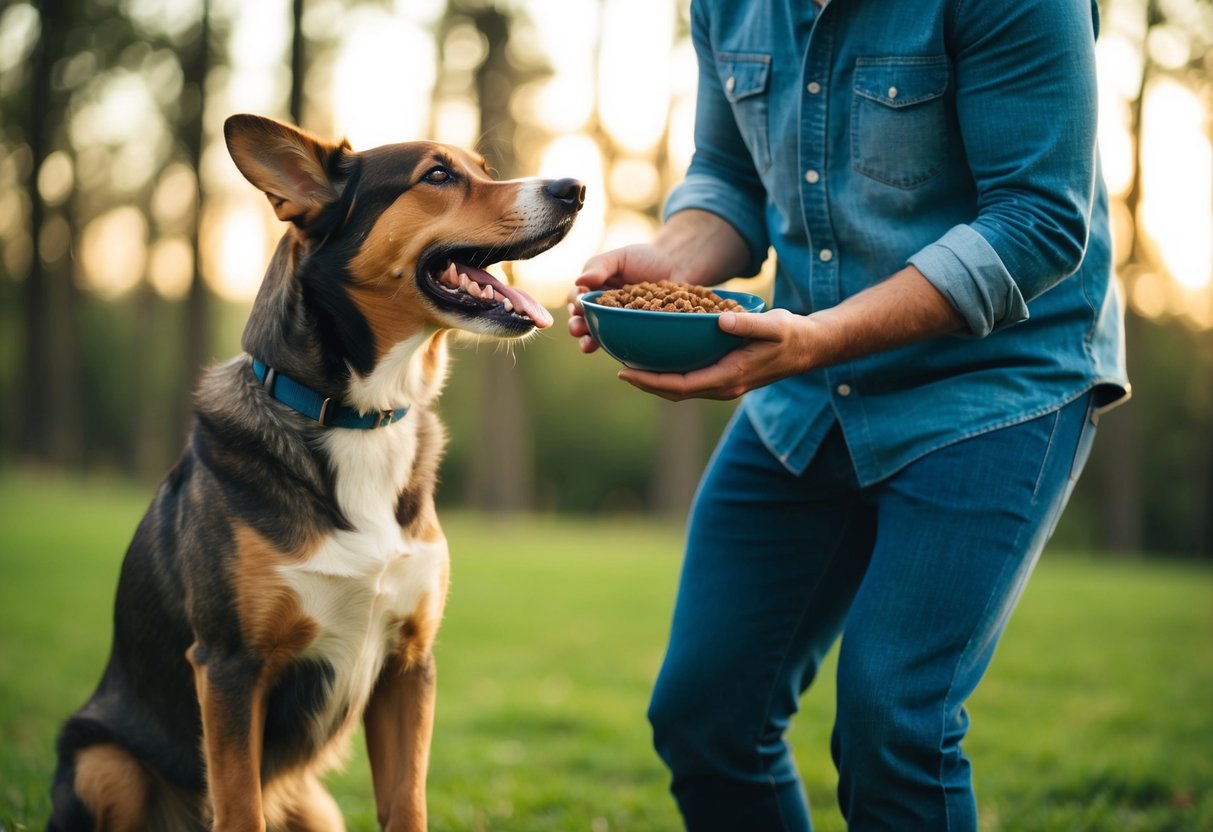
Your dog sees you as a caretaker and companion. This relationship is built on trust, shaped by the way you provide food, play, and attention. As they became domesticated, dogs learned to connect with humans in unique ways, which enhances their loyalty and love for you as their owner.
When your furry friend wags their tail with excitement at your arrival, it’s likely a mix of joy for your presence and appreciation for the care you provide. Feeding your dog is just one part of a bigger picture filled with love, play, and trust.
Understanding Canine Affection

Dogs often form strong bonds with their owners. The affection they show can come from various experiences and positive interactions. Understanding how your dog expresses love can help strengthen your relationship.
The Nature of Dog’s Favorite Person
Dogs tend to choose a favorite person based on who cares for them the most. This includes feeding, walking, and providing affection. You may notice they become a “velcro dog,” sticking close to you when you are around.
Your actions create positive associations. For instance, if you regularly give treats or play together, your dog learns to connect you with happiness. A dog’s attachment can also stem from routines, such as regular feeding times and play sessions. These habits help to reduce feelings of separation anxiety when they are away from you.
Signs of Affection in Dogs
Dogs express their affection in various ways. Here are some common signs to look out for:
- Licking: This is a way dogs show love. They may lick your hands, face, or feet to bond with you.
- Tail wagging: A wagging tail usually indicates excitement and happiness to see you.
- Seeking proximity: Dogs love to stay close to their owners. If they follow you around the house, it’s a sign they enjoy your company.
- Cuddling and leaning: Physical affection, like leaning against you or resting their head on your lap, shows they feel safe with you.
Understanding these body language cues can deepen your connection with your dog and enhance the bond you share.
The Role of a Caregiver
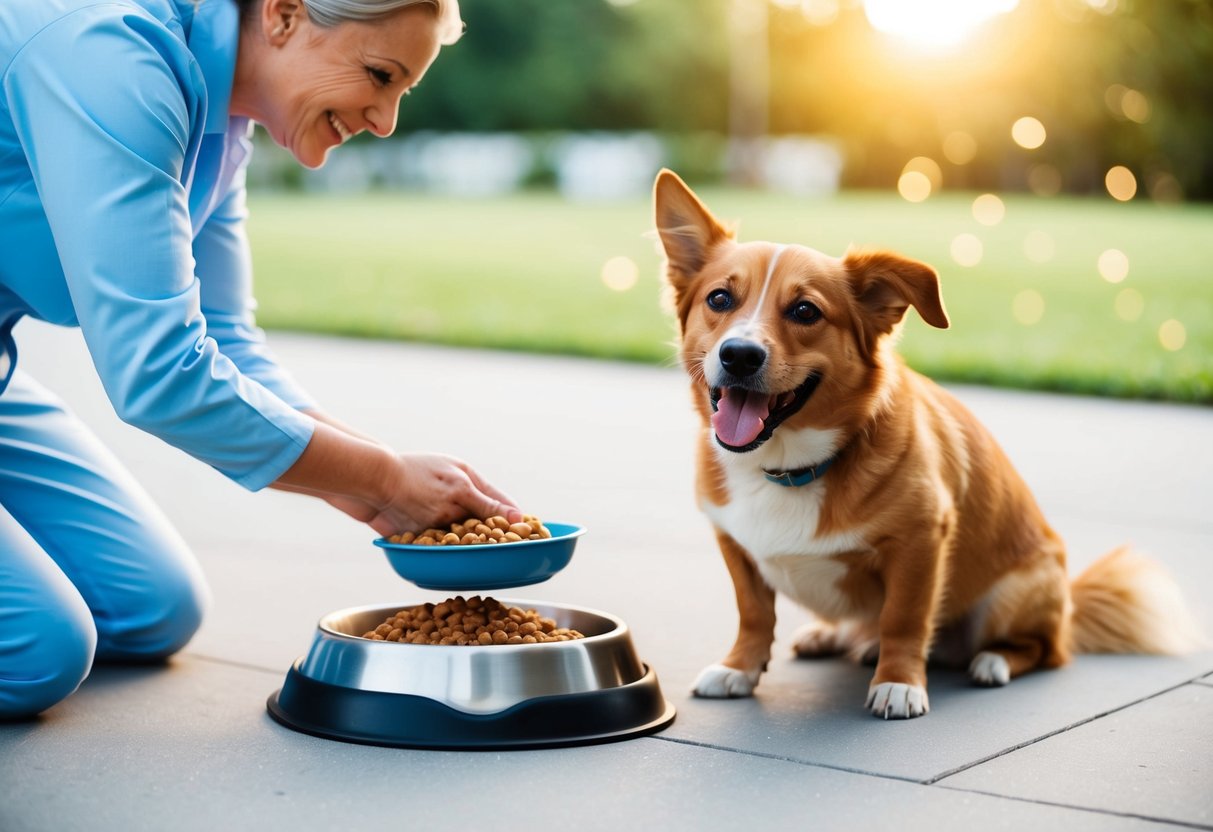
Your role as a pet parent is vital in shaping your dog’s happiness and attachments. Dogs form strong bonds with their primary caregivers, and various activities contribute to this relationship. Understanding how feeding and other caregiving tasks influence these connections can help you nurture that special bond.
Importance of the Primary Caregiver
As the primary caregiver, you often provide daily needs like food, exercise, and comfort. This consistent support helps create a sense of security for your dog. When you are the one who regularly feeds, walks, and spends time with your pet, it strengthens your connection.
Your dog can recognize you as a trusted figure, which leads to loyalty. Being attentive to their needs reinforces positive feelings toward you. For example, when you respond to their barks or whines, it shows that you care. This builds a deep sense of trust and attachment.
How Feeding Influences Bonding
Feeding your dog is more than just providing meals; it’s a key bonding activity. When you prepare their food and present it, your dog associates you with positive experiences. Mealtime can become a joyful occasion that they look forward to.
In addition, the way you serve their food matters. Using a friendly tone or even treating them to the occasional snack makes them feel loved. Regular feeding schedules also help your dog feel more secure, as they know when to expect you. This routine strengthens your relationship and builds bonds through mutual trust.
Beyond Food: Other Caregiving Activities
Other caregiving tasks also play a major role in your dog’s life. Activities like grooming and playtime create opportunities for positive interactions. Regular grooming sessions can be particularly relaxing, fostering closeness.
Engaging in bonding activities such as walks or training sessions boosts your connection. These moments help your dog associate you with happiness and care. The time spent together, regardless of the activity, strengthens your overall relationship. Each interaction is a chance to build trust and affection in your dog’s world.
Interaction and Training
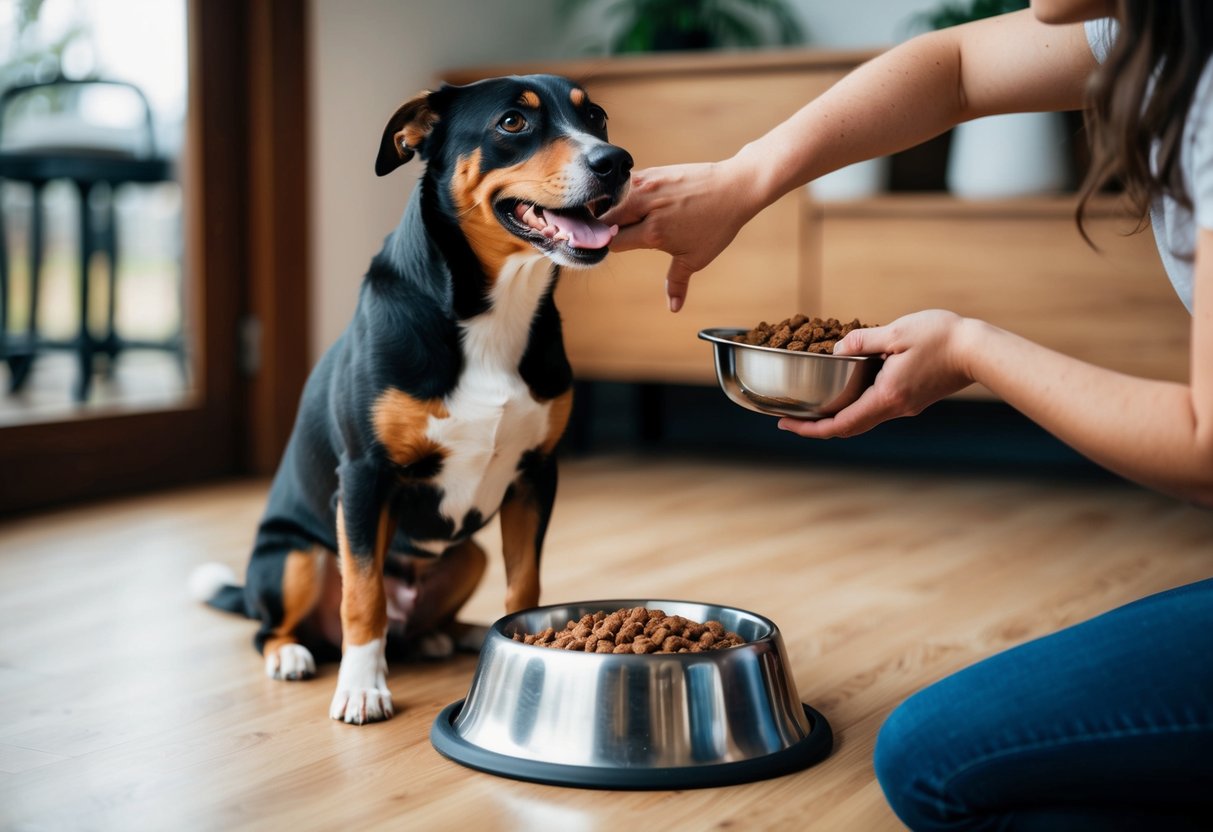
Your relationship with your dog grows stronger through interaction and training. Positive experiences during training sessions and fun games are key to building a bond. The more you engage with your dog, the more they feel loved and secure.
Training Session Dynamics
Training sessions are an excellent opportunity for you to connect with your dog. When you teach commands like “sit” or “stay,” use treats to encourage good behavior. Dogs learn quickly when rewarded, making the training process enjoyable.
Try to keep sessions short, around 5 to 10 minutes, so your dog stays focused. It’s helpful to use different activities like agility courses or tug games. This way, your dog stays engaged while learning. Clear communication is vital; use a calm voice to give commands and praise their achievements.
Bond-Building Through Play
Playing games is a fun way to strengthen your bond. Activities like fetch, frisbee, or tug of war not only burn energy but also build trust. When you toss a ball, your dog eagerly runs after it, ready to return to you—that’s a great sign of bonding!
Incorporate new games like dock diving or agility training to keep things exciting. Regular play helps you learn your dog’s preferences and personality. Dogs are social animals who thrive on interaction, so your time together matters immensely. Keep it positive, and your dog will likely see you as the favorite person in their life.
Breed-Specific Attachment Trends
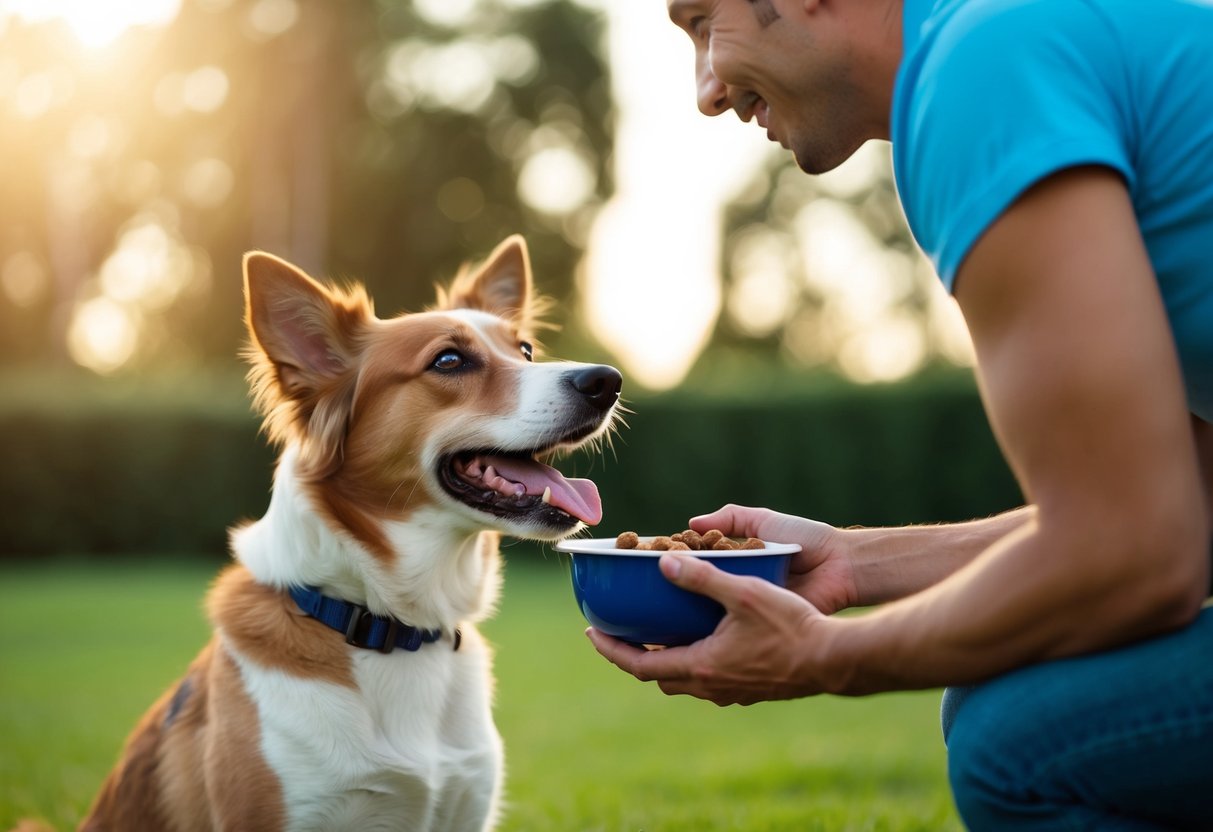
Different dog breeds show unique patterns in forming attachments. Understanding these trends can help you nurture stronger bonds with your dog based on their breed characteristics.
Breeds That Bond Strongly
Some breeds are known for forming intense attachments to their owners. For example, Labrador Retrievers and Golden Retrievers tend to be very affectionate and often choose their primary caregiver as their favorite person.
These dogs thrive in environments with consistent routines and affection. Breeds like German Shepherds also display loyalty and attachment, often favoring those who spend quality time with them.
Moreover, specialized breeds, like Border Collies, bond with individuals who provide mental stimulation and engage in activities such as training, creating a deeper connection. Your daily interactions, whether feeding, walking, or playing, play a significant role in revealing whom your dog favors the most.
Understanding Rottweilers’ Loyalty
Rottweilers are known for their strong loyalty and protective nature. They often develop a close bond with the person who feeds and trains them. Rottweilers thrive on predictable routines.
As a result, they may prefer those who provide structure in their lives. If you establish consistent feeding times and engage regularly in play or training, your Rottweiler will see you as their favorite person.
Unlike some breeds that enjoy socializing with many, Rottweilers typically lean toward one or two people. They need reassurance from their special person to feel secure and valued in their environment. Emphasizing these bonds will help your Rottweiler feel loved and understood.


