
Leaving your dog alone for long periods can be a tough decision for any pet owner. Some people might consider it cruel to leave a dog alone for 10 hours a day. After all, dogs are social animals that thrive on companionship and interaction. Understanding your dog’s needs is crucial for their welfare and happiness.

Many dogs can experience anxiety and stress when left alone for too long. If you have to be away, it’s important to consider alternatives, like a dog walker or a pet sitter, to ensure your pup feels secure and comfortable. Taking these steps can help you maintain a happy and healthy relationship with your furry friend.
Ultimately, your dog’s well-being should come first. Making adjustments to your routine can lead to a happier dog and a more fulfilling bond between you and your pet.
Understanding Dog Behavior and Needs
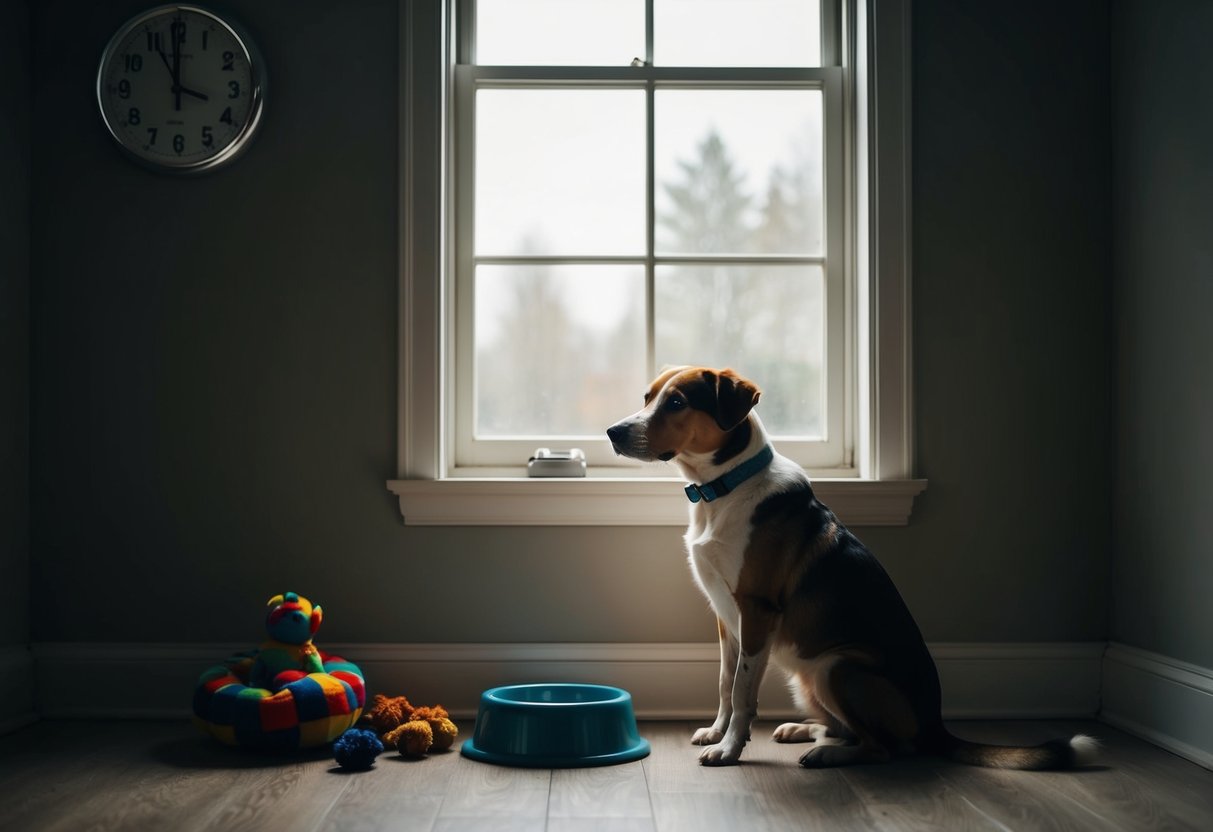
Dogs are social animals that thrive on companionship and engagement. Recognizing their needs for social interaction and mental stimulation is important for their well-being. When considering leaving a dog alone for long periods, understanding their behavior helps ensure a happier and healthier pet.
Social Needs and Companionship
Your dog’s social needs are significant. Dogs, whether puppies or adult dogs, form strong bonds with their families. They can experience loneliness and anxiety when left alone for extended times.
To meet their social needs, try these tips:
- Interactive Toys: Provide toys that encourage play even when you’re away.
- Regular Visits: Arrange for a friend or pet sitter to visit during long absences.
- Doggy Daycare: Consider doggy daycare where they can socialize with other dogs.
By addressing these companionship needs, you can help prevent negative behaviors linked to loneliness.
Physical and Mental Stimulation
Physical and mental stimulation are vital for your dog’s happiness. Without enough activity, dogs can become bored and frustrated.
Here are ways to keep them engaged:
- Daily Walks: Ensure your dog gets regular exercise through daily walks.
- Training Sessions: Spend time teaching tricks or commands to stimulate their mind.
- Puzzle Toys: Invest in toys that require problem-solving, which can keep your dog entertained.
By incorporating these activities into their routine, you can enrich their lives and reduce the chances of destructive behavior when left alone.
Effects of Extended Alone Time on Dogs

Leaving your dog alone for long periods can lead to various issues. It’s important to recognize the signs of stress and understand how it can affect your dog’s health and behavior.
Potential Signs of Stress and Anxiety
When dogs are left alone for too long, they may show signs of separation anxiety. This can include whining, pacing, or avoiding food.
You might notice excessive barking or howling as they try to communicate their discomfort.
Destructive behavior is another common reaction. Your dog may chew furniture, dig at doors, or try to escape. This behavior often stems from stress and frustration. Keeping an eye on your dog’s behavior can help you spot these signs early.
If you notice these issues, consider adjusting your routine to spend more time with your furry friend or looking into training options.
Impact on Health and Behavior
Extended alone time can lead to serious health issues for your dog. Stress can weaken their immune system, making them more prone to illness.
Behaviorally, dogs may develop habits like excessive barking or irrational aggression towards other pets or people.
Your dog’s ability to socialize may also decline. Consistent isolation can make it harder for them to interact positively with others.
Long-term separation can even lead to depression in dogs. Ensuring your dog gets enough exercise and mental stimulation is key to their well-being. Regular interaction and playtime can help alleviate their stress.
Providing Care for Your Dog While You’re Away
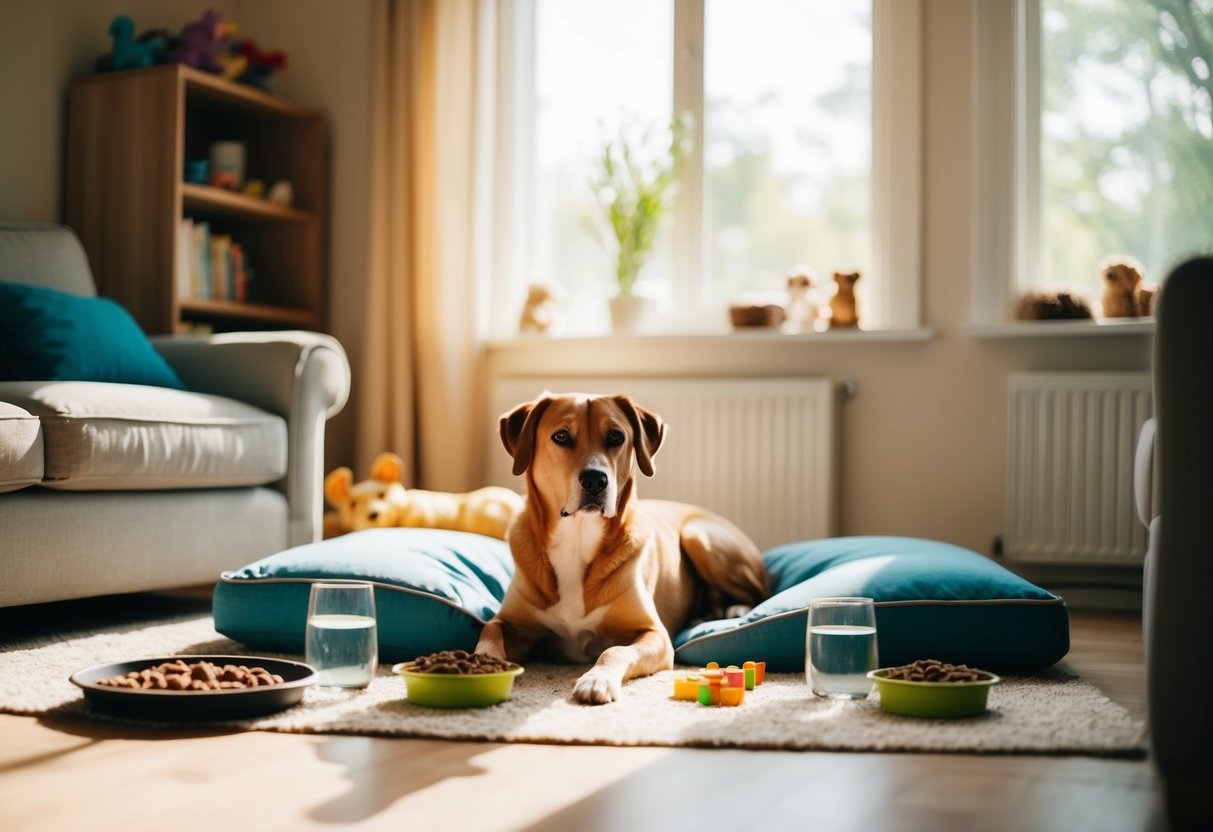
Leaving your dog alone for long stretches of time can be stressful for both you and your pet. To help ease this worry, consider several options to provide care and companionship while you’re gone.
Hiring a Dog Walker or Sitter
A dog walker or sitter can make a big difference in your dog’s day. Hiring someone to come in during your absence provides exercise and breaks. Look for a qualified person who has experience with pets.
You can schedule visits a few times a week or daily, depending on your needs. These services usually involve walks, playtime, and a chance to relieve themselves. Check local services, read reviews, and ask for recommendations from friends.
Hiring a dog sitter means your dog stays in a familiar environment, lowering stress levels. This option works well if your dog is not used to being alone for too long.
Doggy Daycare Options
Doggy daycare can be a fun solution for your pet. These facilities offer socialization with other dogs in a safe setting. Your dog will enjoy playtime, interaction, and structured activities throughout the day.
Choose a reputable daycare by visiting in person. Check for cleanliness, safety measures, and staff experience. Make sure they cater to your dog’s specific needs like age and temperament.
This option can greatly reduce anxiety and boredom. It ensures that your dog gets plenty of exercise and makes new friends while you’re away.
At-Home Solutions for Safety and Comfort
If you prefer to keep your dog at home, you can take several steps to ensure their well-being. First, create a safe space where your dog can relax. Remove any hazards and provide comfy spots for resting.
Consider setting up a doggy door to let them go outside when needed. This allows for bathroom breaks and some fresh air while you’re gone.
Leave stimulating toys to keep their minds busy. Treat puzzles and chew toys can help keep your pet entertained. You could also turn on the TV or radio to provide some comforting background noise.
Taking these steps can help your dog feel safe and cared for while you are away.


