
When it comes to your furry friend, understanding their feelings can be a bit tricky. If you’re wondering how to tell if a dog has imprinted on you, there are several signs that offer clear answers.
A dog that has imprinted on you will show strong loyalty, affection, and a desire to be close to you.

Pay attention to their behavior. Do they follow you around the house or seem to always know when you’re not feeling well?
These small yet significant actions can indicate that your dog sees you as their primary companion. Observing these moments helps you gauge the bond you share and enhances your connection with them.
Learning to recognize the signs of imprinting not only deepens your bond but also improves communication with your pet. Dogs can be incredibly intuitive, picking up on your emotions and routine.
Keep reading to discover the key signs that show your dog has truly imprinted on you.
Understanding Canine Imprinting

Canine imprinting is an important process that shapes the bond between you and your dog. It involves stages that influence how your dog views and reacts to you and the world around them. Recognizing these stages can enhance your relationship and help you respond better to your dog’s needs.
What is Imprinting?
Imprinting is a crucial learning process that occurs in young animals, including dogs. It involves forming strong attachments during a specific period, typically in the early weeks of life. For dogs, this attachment often happens with their mother and can extend to humans.
When a dog imprints on you, they look to you for guidance, comfort, and companionship. This means they might follow you around, seek your attention, and respond to your emotions. It’s a sign of trust and a necessary part of their social development. Imprinting can vary among different dogs based on their experiences and breed characteristics.
Stages of Canine Imprinting
Canine imprinting generally occurs in several stages. During the first few weeks, puppies learn about their environment and begin to bond with their mother. As they grow, they start to recognize humans.
The stages include:
- Neonatal Stage (0-2 weeks): Puppies are blind, deaf, and rely solely on their mother.
- Transitional Stage (2-4 weeks): Senses develop, and puppies begin to explore their surroundings.
- Socialization Stage (4-12 weeks): Key for bonding with humans and other animals. This is when imprinting is most effective.
If a dog misses this critical stage, they may have trouble forming bonds later on.
Human Versus Dog Imprinting
Imprinting can happen differently between dogs and humans. For dogs, their attachment to you often relies on your interactions. If a dog has positive experiences with you, they are more likely to imprint strongly.
Human imprinting involves recognizing you as a source of comfort and security. In contrast, dogs also undergo fear imprinting. This occurs when they experience trauma or negative interactions, leading to anxiety and distrust.
Being aware of these differences can help you support your dog’s growth and confidence, leading to a stronger bond. Understanding your dog’s early experiences and responding to their needs is key in fostering a loving relationship.
Signs of Imprinting

Recognizing when your dog has imprinted on you is important for building a strong bond. There are specific behavioral and physical signs to look for that show this deep connection.
Behavioral Indicators
One of the strongest signs of imprinting is when your dog follows you closely. You may notice them tailing you from room to room. This shows they want to be near you.
Another sign is their response to your commands. If your dog quickly obeys, it means they trust you.
Dogs that have imprinted tend to mimic your actions. For example, if you sit, they may sit down too. This mirroring behavior highlights their bond with you.
You might also see your dog making more eye contact. This is a big part of communication between you and your pet. Maintaining eye contact is a sign of trust and affection.
Additionally, if your dog seems to sense your mood, like comforting you when you’re sad, that’s another indicator of a strong bond.
Physical Expressions
Physical signs of imprinting often include affection gestures. When your dog licks you, it’s a form of showing love. These gentle licks can indicate trust and attachment.
Tail wagging is another common sign. If your dog wags their tail when they see you, it usually means they’re excited and happy to be around you. A relaxed body posture can also show they feel safe with you.
Pay attention to how your dog positions themselves. If they lean against you or cuddle close, it shows they seek comfort from you. These physical gestures, including maintaining eye contact, help cement the bond you share.
Imprinting and Attachment
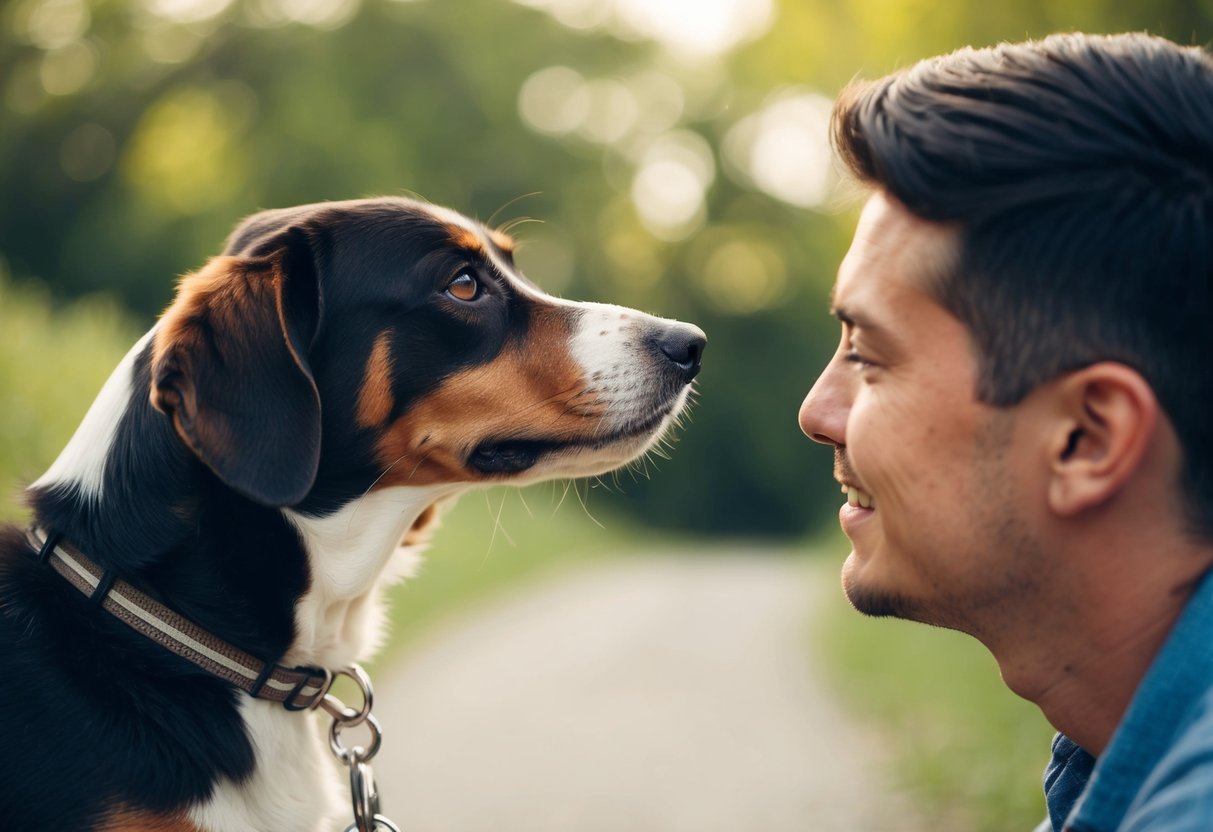
Your dog can form a special bond with you through imprinting and attachment. Recognizing these behaviors helps you understand your dog’s feelings and needs better. The connection can manifest in various ways, including protective behavior and signs of canine insecurity.
Building Bonds with Your Dog
When your dog sees you as their favorite human, they often show affectionate behaviors. They may follow you around the house or seek your attention at playtime. These actions indicate that you are their primary caregiver and that they feel safe with you.
Dogs have a strong sense of smell, which helps them identify familiar scents. If your dog lingers close to where you often are or sniffs your belongings, it shows they seek comfort and reassurance from you. They trust you, which strengthens your bond even more.
Separation Anxiety as an Imprinting Signal
Your dog’s separation anxiety shows they rely on you for security. If your dog becomes anxious or distressed when you leave, it is a clear sign that your dog has strongly imprinted on you. You may notice them whining, barking, or trying to follow you.
This anxiety stems from their attachment. Dogs often have protective behaviors to keep their favorite human nearby. If you notice signs of canine insecurity, like pacing or hiding when you’re gone, it reinforces the need for your presence in their life.
Recognizing these signals is essential in building a supportive relationship.


