
Have you noticed that your dog has started growling when you pick him up? This behavior may be a sign of discomfort, fear, or a need for personal space. Understanding why your dog growls is important for building trust and ensuring his comfort during interactions.
Dogs communicate in many ways, and growling is one of them. It might seem alarming when your furry friend reacts this way, but addressing growling behavior is key to a happy relationship.
Approaching your dog gently and paying attention to his body language can help you navigate these moments more smoothly.
In this article, you’ll discover what might be causing your dog’s growling and how to address it effectively. By learning more about his feelings and needs, you can create a safer and more enjoyable environment for both of you.
Understanding Growling Behavior in Dogs
Growling is a natural form of communication for dogs. Understanding the context can help you respond appropriately when your dog growls, especially when you’re picking him up. Different growls can indicate various feelings, from playfulness to fear or discomfort.
Different Types of Growls
Dogs produce different kinds of growls that convey unique messages. A playful growl is often higher in pitch and sounds more like a playful bark. It usually happens when your dog is excited and wants to engage in play.
In contrast, a low, deep growl often signals warning or discomfort. This type of growl indicates your dog may feel threatened or anxious.
By observing the situation and your dog’s body language, you can determine what type of growl it is. Look for other cues, like tail position and ear movement, to help identify his feelings.
Signs of Discomfort or Pain
If your dog growls when picked up, it could mean he is experiencing discomfort or pain. Watch for signs like tense muscles, tucked tails, or flinching when you touch certain areas.
Older dogs may have aches from conditions like arthritis, while younger dogs might experience discomfort from rough handling. Pay attention to their growling as a warning that something isn’t right.
Adjust your handling techniques to make your dog feel more comfortable. You might need to support his body better or avoid picking him up when he shows signs of distress.
The Role of Fear or Anxiety
Fear or anxiety can significantly impact your dog’s behavior. If your dog growls in certain situations, like meeting new people or being in crowded areas, he may feel scared.
Common triggers include loud noises, unfamiliar environments, or even certain handling techniques that might startle him.
To help your dog feel safer, create a calm environment. Gradually introduce him to new experiences and give him plenty of time to adjust. Your goal is to build his confidence and reassure him that he is safe with you.
Factors Contributing to a Dog’s Growling
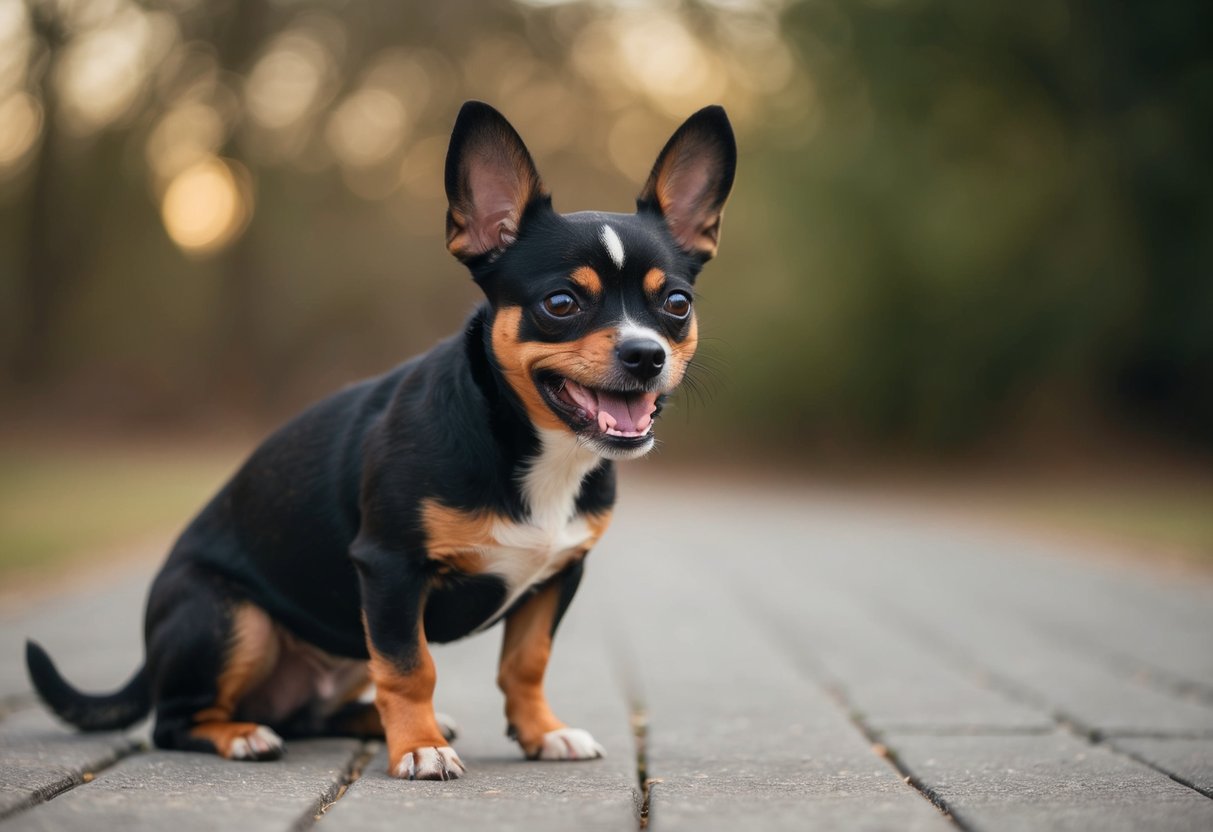
Understanding why your dog growls when you pick him up can help you address the behavior effectively. Several factors can influence this reaction, often rooted in social experiences and past interactions.
Lack of Socialization
If your dog hasn’t been well-socialized, he may feel unsure when being handled. Dogs that miss early socialization often struggle with new or unfamiliar situations. This can lead to anxiety when you pick him up, resulting in growling.
Tip: Gradually introduce your dog to being touched and lifted. Start by gently petting him in safe spaces. Treats can help him associate handling with positive experiences.
Negative Past Experiences
Your dog might growl due to negative associations from past experiences. If he was mishandled or frightened during a lift before, he may react defensively now. This behavior can serve as a warning to you.
Tip: Try to identify and lessen any triggers that cause stress. Consider any past incidents that might have scared him. Training and patience can help rebuild his confidence.
The Need for Setting Boundaries
Setting boundaries is vital for your dog’s comfort. If your dog feels he has no control, growling may be his way of communicating discomfort. It’s important to understand that growling is often a dog’s way of saying, “I need space.”
Tip: Create routines that involve gentle handling. Teach your dog cues that indicate when it’s okay to be picked up. This can help him feel more secure and reduce growling over time.
Training Strategies to Reduce Growling
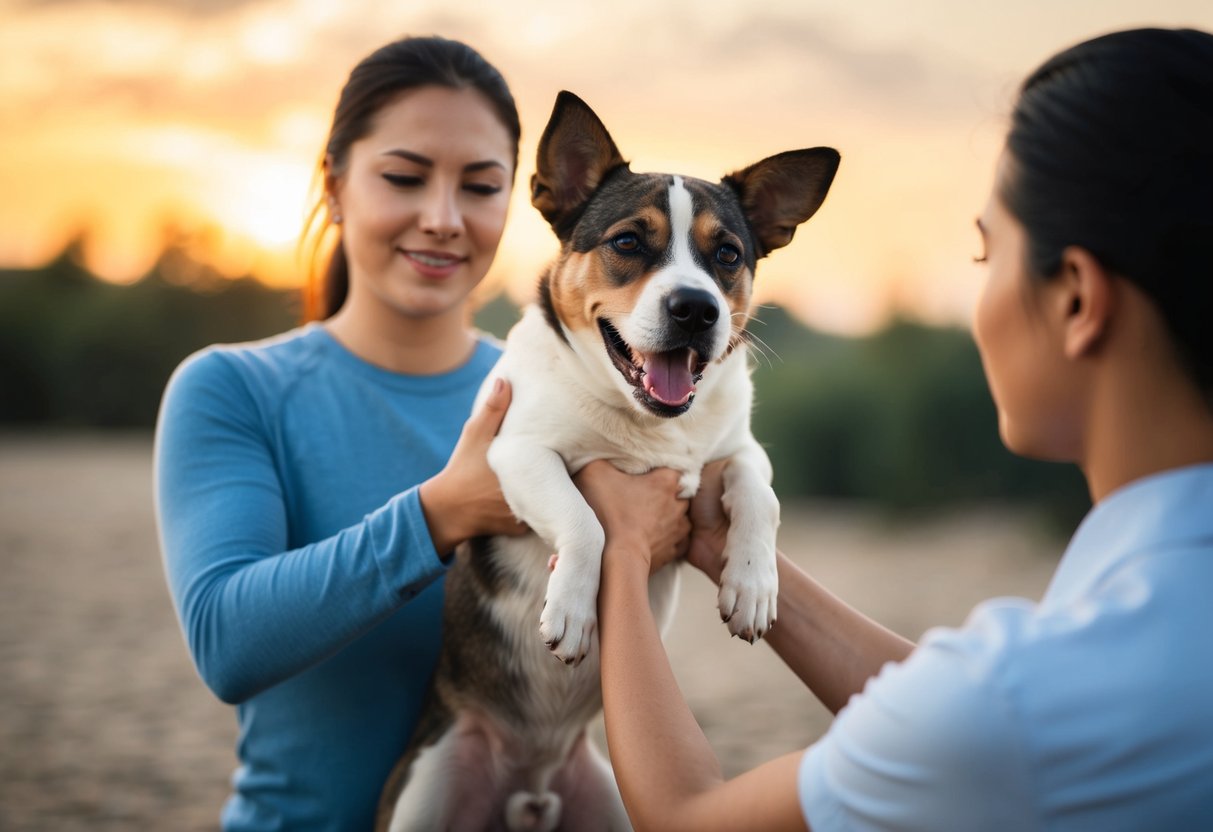
Understanding why your dog growls when you pick him up is crucial. Implementing effective training strategies can help change this behavior while building trust between you and your furry friend.
Positive Reinforcement Training
Positive reinforcement is a powerful tool in shaping your dog’s behavior. Start by rewarding your dog for calm behavior when you approach him to pick him up. Use treats, praise, or playtime as rewards.
Begin with short pickups. When you lift him and he remains calm, immediately reward him. This teaches him that being picked up can lead to good things.
Consistency is key in this approach. Repeat this several times a day, gradually increasing the time he stays calm before you reward him.
If your dog growls, do not punish him. Instead, keep the atmosphere relaxed and give him space for now.
Behavior Modification Techniques
Addressing behavioral issues often requires modification techniques. Identify the triggers that cause growling. Is it your approach or how you hold him?
Once you know the triggers, work to change your dog’s reaction to them. For instance, approach slowly and allow your dog to see you coming. You can call him over or show a favorite toy to distract him.
Introduce gentle handling. Instead of instantly lifting him, start by petting him where he feels comfortable. This helps him associate your touch with positive experiences.
Keep sessions short and fun. If your dog shows signs of stress, stop and give him time to relax.
Gradual Desensitization
Gradual desensitization works well to minimize your dog’s growling. This method helps him get used to being picked up slowly and positively.
Begin by picking him up for only a few seconds at a time. While holding him, offer treats and speak softly to reassure him.
Over time, increase the duration you hold him. Always ensure he remains calm before you extend the time.
This strategy teaches your dog that being lifted is a safe and enjoyable experience. Be patient, as it may take several sessions to see progress.
When to Seek Professional Help
If your dog growls when you pick him up, it may be time to seek help. Here are some signs to look for:
-
Persistent Growling: A dog that continues to growl despite your efforts to comfort him might be feeling insecure or frightened.
-
Aggressive Behavior: If growling is accompanied by snapping or biting, you should definitely reach out for help. This behavior can indicate fear or stress.
-
Fearful Reactions: If your dog seems frightened or cowers when you approach, a professional can help you understand his emotions better.
-
Changes in Behavior: If you notice other changes in your dog’s behavior, like avoiding interaction or changes in appetite, this could signal a deeper issue.
It’s best to consult a professional dog trainer or a dog behaviorist. They can assess your dog’s behavior and help you understand what’s going on. Then, they will also provide strategies to improve your dog’s comfort level with human touch.
Puppies growling when picked up may need early intervention. Addressing these behaviors early can lead to better outcomes as they grow.
Don’t hesitate to seek help if you feel unsure about your dog’s behavior. Getting professional guidance can make a difference for you and your pet.


