
Rabbits are gentle creatures, but they can be easily frightened. Understanding what makes your rabbit scared is key to helping them feel safe and comfortable in their environment.
Common fears for rabbits include loud noises, sudden movements, and the presence of predators like dogs or birds of prey.

Your rabbit’s natural instinct is to evade threats, which can lead to anxiety and stress if they frequently encounter things that scare them. This fear response can manifest in various ways, from hiding to aggression when they feel cornered. By recognizing these triggers, you can create a peaceful space for your furry friend.
If you’re a rabbit owner, it’s essential to know what causes your pet’s fear. By learning more, you can help reduce their anxiety and improve their overall happiness.
Continue reading to discover the specific fears rabbits experience and how you can support them in feeling safe.
Understanding Rabbit Fear

Rabbits are naturally skittish creatures due to their instincts as prey animals. This section covers their characteristics and the common signs of fear you might notice in your pet.
Characteristics of Prey Animals
As prey animals, rabbits have evolved to be alert and cautious. Their survival depends on sensing danger quickly. This instinct makes them appear very sensitive to changes in their environment.
You may find your rabbit easily startled by sudden movements or loud sounds. They prefer to hide in safe spaces when they feel threatened. Rabbits often stay still and listen carefully, scanning their surroundings for any potential danger.
Being aware of what makes your rabbit feel afraid is essential. Their instincts can lead them to see ordinary things like new people or pets as threats. Understanding their nature helps you create a calm and safe environment for them.
Common Signs of Fear in Rabbits
It’s important to recognize the signs of fear in your rabbit to provide comfort. When your rabbit is scared, you might see specific behaviors. Here are some common signs:
- Freezing: They may stop moving and appear tense.
- Hiding: Your rabbit might retreat to a dark corner or under furniture.
- Thumping: They can thump their hind legs to warn you or express fear.
- Nervous sounds: Whining or squeaking can indicate stress.
Rabbits may also avoid you or dart away when approached. If you notice these signs, it’s crucial to offer reassurance and a safe space to calm them down. Creating a quiet and stable environment significantly reduces their anxiety.
Typical Fears and Stressors for Rabbits
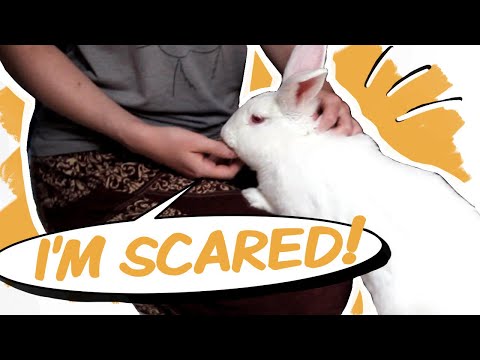
Rabbits can be sensitive creatures with specific fears that can cause them stress. Understanding these fears can help you provide a safe environment for your pet.
Natural Predators and Pets
Rabbits instinctively fear natural predators. This includes animals like foxes and birds of prey. You might notice your rabbit becoming anxious when they see or hear a dog or cat. Predatory behaviors from your pets can trigger fear responses.
You’ll see signs like shaking or hiding when your rabbit feels threatened. Creating a safe space where your rabbit can retreat is essential. Covering their habitat with solid walls or barriers can help them feel protected from potential threats.
Loud Noises and Sudden Movements
Loud noises can startle your rabbit. This includes sounds like thunder, fireworks, or electrical appliances. Sudden movements can also scare them. If you move quickly or make abrupt motions near your rabbit, it may flee or freeze.
It’s helpful to keep their environment calm. Try to minimize loud disruptions. Use soft voices and slow movements around them. This approach can help your rabbit feel more secure and less stressed.
Unfamiliar People and New Objects
Rabbits are cautious about unfamiliar people. When someone new enters your home, your rabbit might hide or act nervous. This is their natural instinct to stay safe from potential threats.
Similarly, new objects can cause stress. This includes items like boxes, furniture, or decorations. Your rabbit may be curious but might also be wary. Allow your rabbit time to explore these new things at their own pace.
You can help by introducing new items slowly. Give your rabbit a chance to sniff and investigate. This can ease their fears and help them adjust to changes in their environment.
Building Trust With Your Rabbit

Developing trust with your rabbit is essential for a happy relationship. Take your time and be patient as you help your pet feel more secure. Your gentleness and understanding will go a long way in reducing their fears.
Approaching Skittish or Scared Rabbits
When approaching a scared rabbit, always move slowly and softly. Rapid movements or loud noises can increase their anxiety.
Here are some tips for better interactions:
- Lower yourself: Get down to their level. This reduces the threat they might feel from your height.
- Use gentle words: Speak softly to reassure them. Your voice can be calming.
- Let them come to you: Avoid reaching out immediately. Allow your rabbit to approach you on their own terms.
Using treats can also help. Offer small, healthy snacks to encourage them to come closer. This method builds a positive association with you.
Creating a Safe Environment
A safe environment is key for building trust. Your rabbit needs a space where they can feel comfortable and secure.
Consider these factors for a better setup:
- Quiet area: You should choose a calm room away from loud noises. Make sure to avoid busy areas like the kitchen or living room.
- Hiding spots: Provide boxes or tunnels where your rabbit can hide. These spaces give them a sense of security.
- Safe space: Make sure they have room to hop and explore without feeling trapped. Too small an area can add to their fear.
Remember to check their surroundings regularly. New objects or changes in the environment can be alarming. Keeping things familiar helps your rabbit feel safe and fosters trust.


