
When you think about pets, rabbits might not be the first animals that come to mind. Yet, these small creatures have a special way of connecting with their owners. Yes, rabbits do care about humans, and they can form strong bonds with their companions.
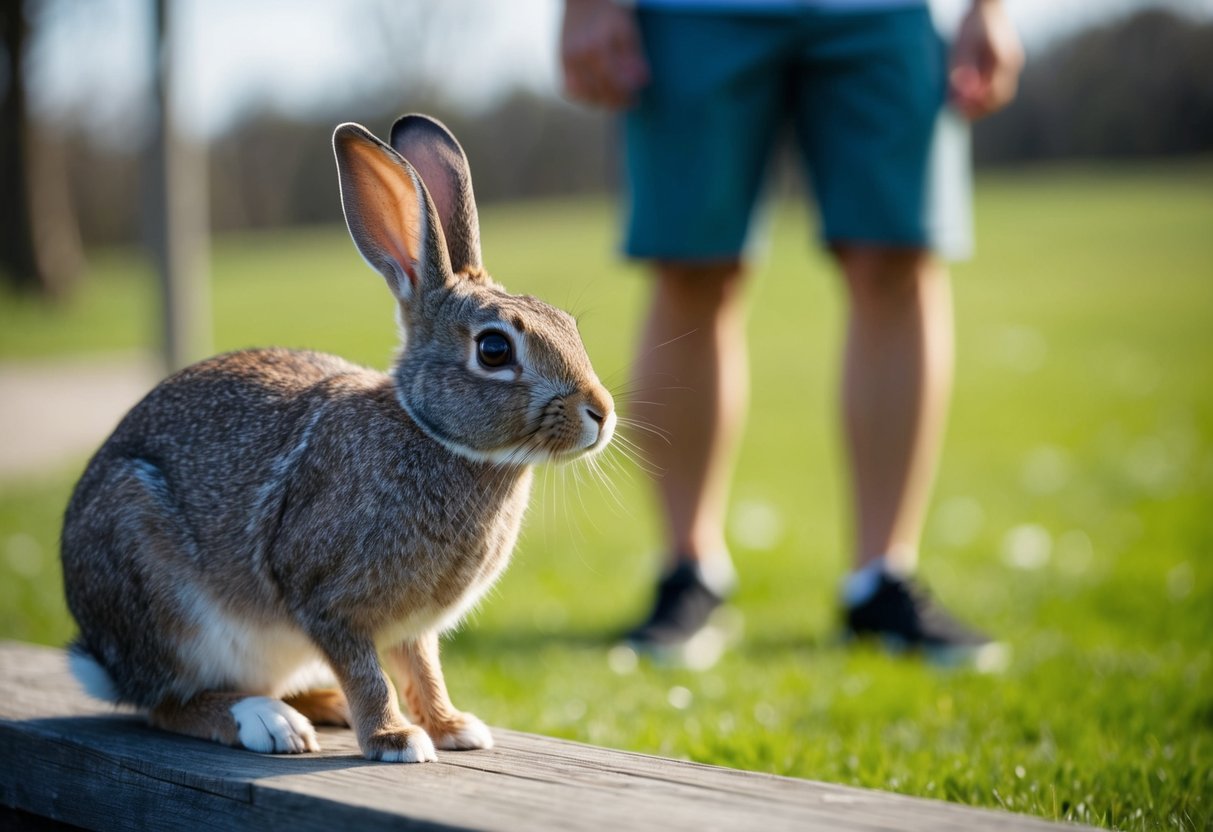
As a pet owner, you may notice your rabbit showing affection in unique ways. From grooming you to cuddling up for warmth, these signs of affection reveal how much your furry friend values your presence.
Rabbits can bring joy and love into your life as they thrive on interaction and companionship.
Understanding how your pet rabbit communicates can deepen your relationship, making your bond even stronger. The more you learn about their behavior, the better you can appreciate the love they have for you.
Understanding Rabbit Behavior

Rabbits are social creatures with unique ways of showing their feelings. Understanding their behavior helps you connect with your rabbit and strengthen your bond.
This section explores their social dynamics, communication methods, and how they form attachments with humans.
Social Dynamics
Rabbits usually live in groups in the wild, forming complex social structures. They thrive on companionship. When you have a pet rabbit, you’re stepping into that role.
Your rabbit may follow you around, showing interest and curiosity. In a household, rabbits may establish a hierarchy, especially if you have more than one.
They often groom each other, which is a sign of affection and trust. If your rabbit nuzzles you or tries to groom you, it’s a sign they consider you part of their family.
Communication and Affection
Rabbits communicate using various methods. They may thump their hind legs to signal danger or show excitement through binkying—joyful jumps in the air.
Grooming is another key aspect; when your rabbit licks or grooms you, it’s a clear sign of affection. They also express love through cuddling and nuzzling.
If your rabbit flops over next to you, it indicates they feel safe. Listening to their subtle body language is essential. Your rabbit may show they care by being close to you or following you around the house.
Bonding with Humans
Building a strong bond with your rabbit takes time and patience. Regular interaction is important.
Spend time petting them and allowing them to explore their space safely. Encourage your rabbit to approach you on their terms by offering treats.
This helps them associate you with positive experiences. Over time, you may notice them seeking your company or even sitting close to you without hesitation.
Show them love and care, and they will likely respond with love of their own. Your companionship is vital for their happiness and well-being.
Benefits of Rabbit Companionship
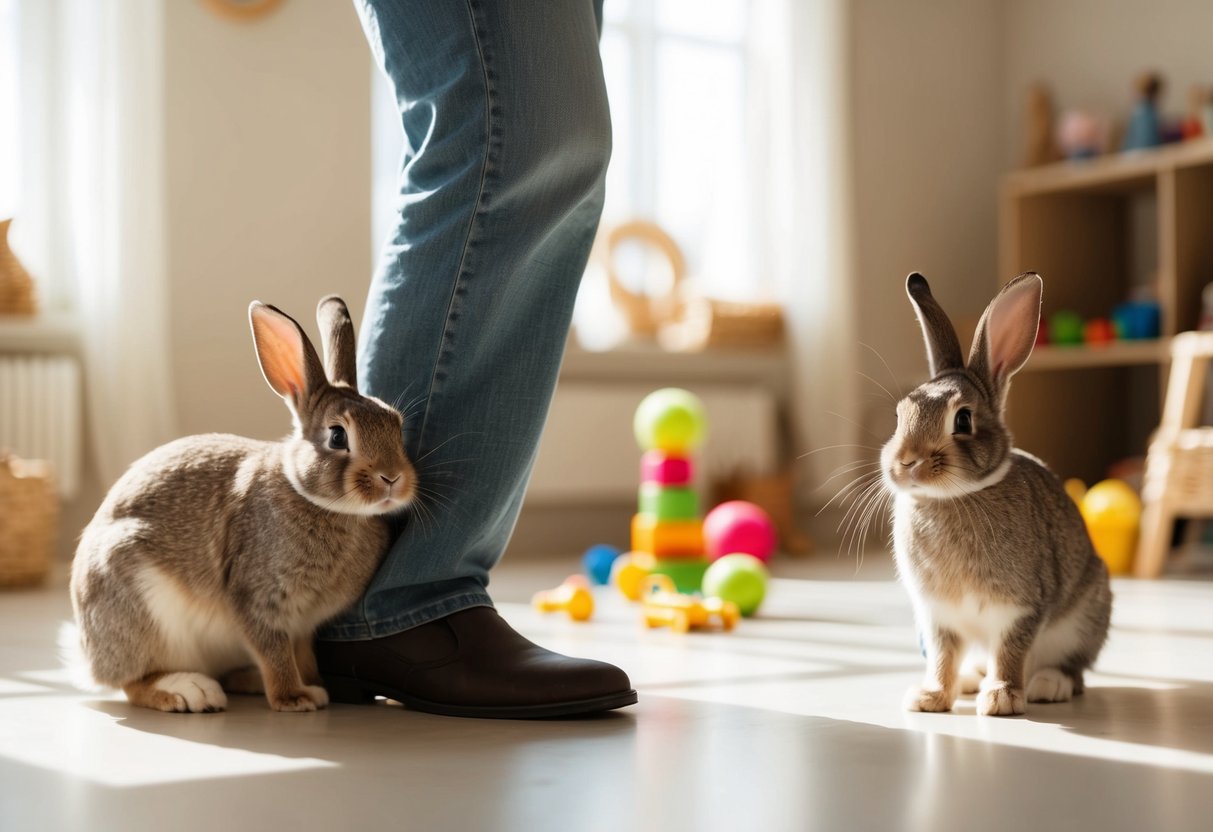
Having a pet rabbit can provide numerous benefits for your emotional, mental, and physical well-being. These furry friends offer companionship and play a vital role in enhancing your health.
Emotional and Mental Health
Rabbits are known for their affectionate nature. Spending time with your rabbit can help reduce feelings of loneliness and anxiety. Their gentle demeanor can lift your spirits after a long day.
You may find joy in the simple acts of petting or playing with them. This interaction can promote relaxation and boost your mood.
Moreover, rabbits can support mental health through pet therapy. These programs use animals to help people cope with stress and emotional challenges.
For children, bonding with a rabbit can even decrease nervousness and improve social skills.
Physical Health Advantages
Keeping a rabbit can also offer physical health benefits. Their playful energy encourages you to engage in more activity.
Through caring for them, you may find yourself more active, which supports a healthier lifestyle. Additionally, research shows that having pets can lower blood pressure and reduce symptoms of chronic conditions like eczema and allergies.
Spending time with your rabbit may alleviate some of these health issues, making them a great companion for families.
Rabbit Care and Habitat

Proper care and a suitable habitat are crucial for rabbits. Understanding their dietary needs and their impact on the local ecosystem helps you appreciate their role in nature and as pets.
Diet and Environment
Rabbits are herbivores, meaning their diet consists mostly of plants. They need a variety of fresh hay, vegetables, and a small amount of pellets. Good options include:
- Timothy hay
- Romaine lettuce
- Carrots (in moderation)
In your care, provide fresh water daily. A balanced diet keeps them healthy and helps prevent issues like obesity.
Their environment should be spacious, with plenty of room to hop and explore. A safe outdoor area can also give them a chance to fulfill their natural instincts. Make sure this area is free from chemicals and threats.
Impact on Local Ecosystems
Rabbits play a significant role in the ecosystem. They help control invasive plants by keeping their growth in check. This can encourage the health of other plant species.
As prey species, they are vital in the food chain. Many animals depend on rabbits for nourishment. A healthy rabbit population supports biodiversity in your area.
However, too many rabbits can lead to overgrazing, causing soil erosion and damaging plant life. Therefore, maintaining a balance is essential for your local ecosystem.


