
Rabbits are known for their unique eating habits, often seeming like they eat non-stop. This behavior stems from their natural instincts as grazing animals.
Rabbits have a high metabolism, which means they need to consume a lot of fiber to keep their digestive system healthy and functioning properly.
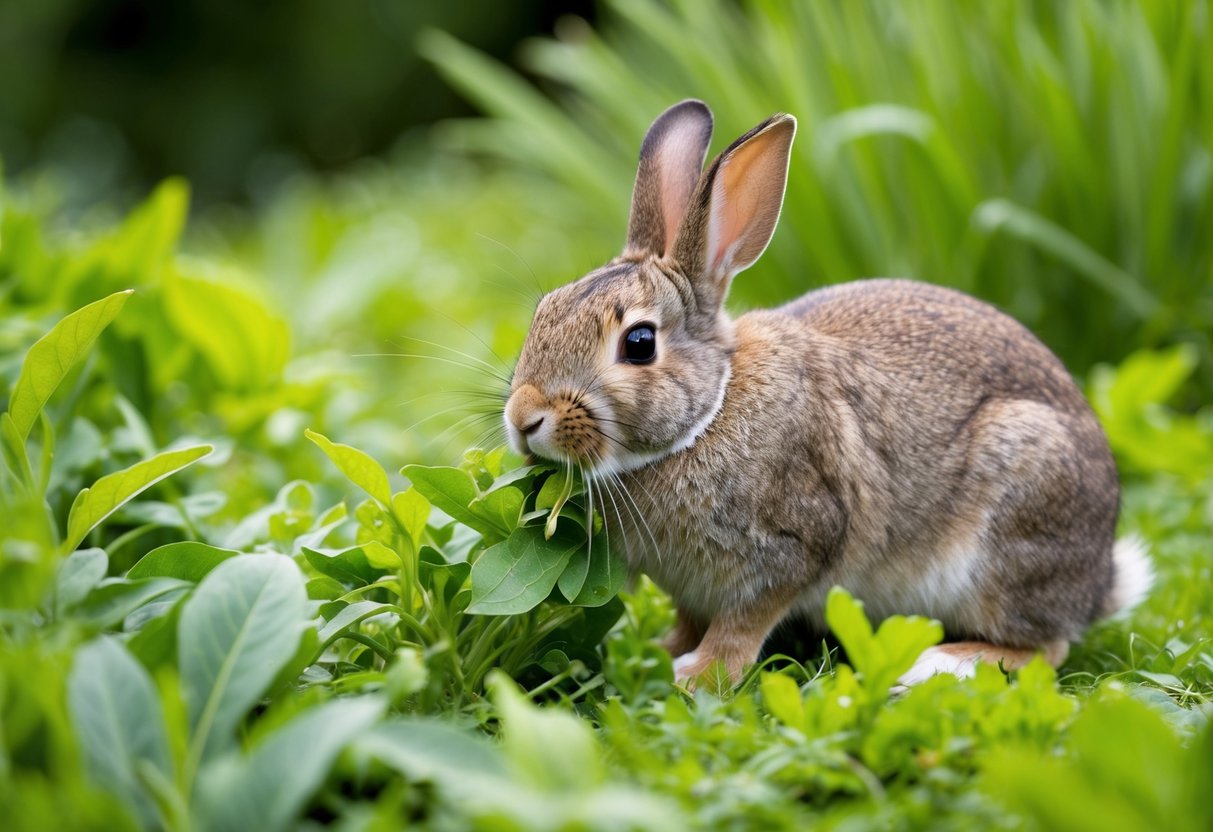
Their diet mostly consists of hay, fresh vegetables, and some pellets, all of which help maintain their well-being.
As you observe your rabbit, you might notice that they nibble throughout the day, which is entirely normal and essential for their health.
Understanding why your rabbit eats continuously can help you provide the best care for them.
By knowing more about their eating habits, you can ensure they have a balanced diet and avoid health issues. This article will dive deeper into the reasons behind your rabbit’s constant munching and offer tips on how to support their needs effectively.
Understanding Rabbit Eating Behavior

Rabbits have unique eating habits shaped by their biology and natural instincts. They are designed to graze continuously on a high-fiber diet, which is crucial for their digestive health and dental care.
Rabbits as Natural Grazers
Rabbits are natural grazers. In the wild, they eat a variety of grasses and plants throughout the day. This constant foraging helps them manage their digestive processes. A high-fiber diet is essential for their wellbeing.
Your pet rabbit benefits from a diet rich in hay, leafy greens, and small amounts of pellets. Such foods provide digestible material that keeps their digestive system running smoothly. If you remember to offer fresh options regularly, your rabbit will feel more satisfied.
Because rabbits have a unique digestive system, they need to eat frequently. Skipping meals can lead to digestive issues like stasis. Make sure to keep hay available at all times.
Importance of Constant Chewing
Chewing is vital for your rabbit’s dental health. Their teeth grow continuously, so they need to gnaw on fibrous foods to keep them worn down. Without proper chewing material, rabbits can face problems like overgrown teeth.
Foods like hay and crunchy vegetables encourage this necessary chewing behavior. A diet lacking in high-fiber material may lead to dental issues. This can cause pain and difficulty eating, impacting your rabbit’s happiness.
Establishing healthy eating habits with your rabbit ensures they stay active and healthy. Providing chew toys along with their meals can also help satisfy their natural instincts. Your rabbit will thank you for the attention to their needs!
Health Implications of Non-Stop Eating
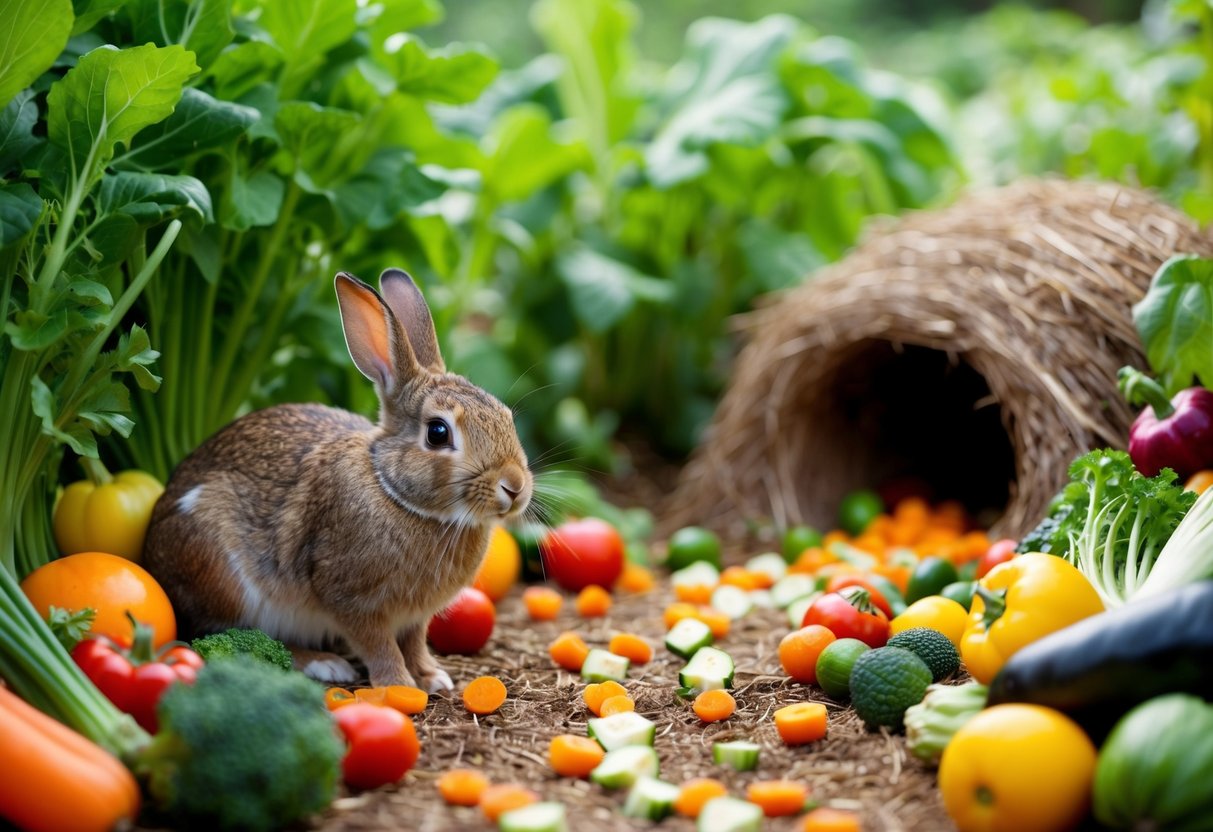
Rabbits are known for their constant nibbling, but this behavior can lead to serious health issues. Understanding how continuous eating affects their gastrointestinal and dental health is essential for keeping your pet healthy.
Gastrointestinal Health in Rabbits
Your rabbit’s gastrointestinal tract requires a balanced diet to function well. When rabbits eat too much, they risk developing gastrointestinal stasis. This condition can occur when the digestive system slows down, causing discomfort and pain.
Signs of gastrointestinal issues can include a lack of appetite, bloating, and a decrease in droppings. Quick treatment is crucial to prevent serious problems. A proper diagnosis often involves a vet examining your rabbit and may include diagnostic tests.
To maintain good gastrointestinal health, ensure your rabbit has unlimited access to hay and fresh vegetables. Avoid high-sugar treats that can disrupt their digestion and lead to health complications.
Dental Diseases and Complications
Continuous eating can also lead to dental problems in rabbits. Their teeth grow constantly, and proper wear is necessary. If they don’t chew enough or their diet lacks the right texture, it can result in uneven wear and sharp spurs.
Dental diseases can cause pain, making it hard for your rabbit to eat. Symptoms include drooling, chewing oddly, or a reluctance to eat. Regular vet check-ups will help in the early diagnosis of any dental issues.
To promote dental health, provide your rabbit with hay, chews, and safe wooden toys. These will help wear down their teeth naturally and keep them healthy.
Dietary Requirements for Optimal Health
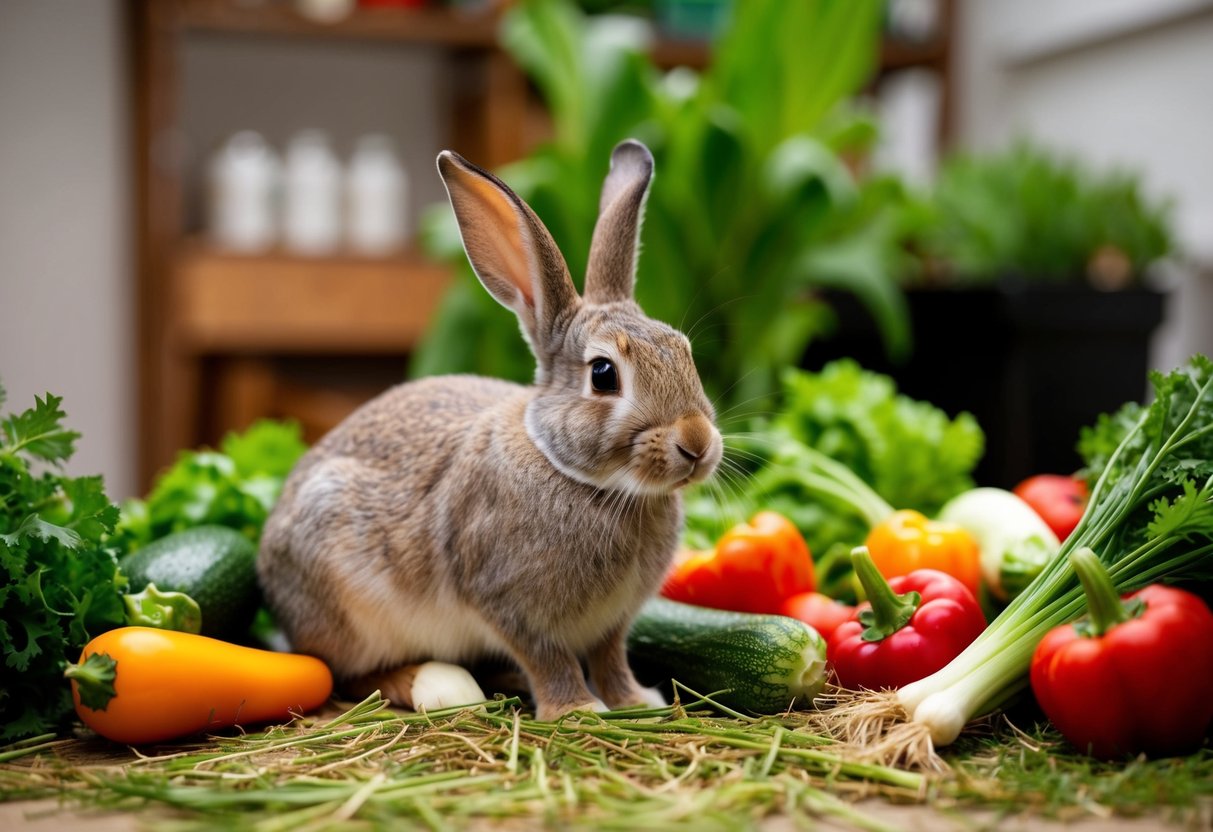
Rabbits have unique dietary needs to stay healthy and happy. Providing the right balance of nutrients is key for their well-being. Focus on fiber, hydration, and a mix of fresh foods.
Balancing the Rabbit Diet
A balanced diet is essential for your rabbit’s health. It should consist mainly of high-fiber foods.
Hay should make up about 80% of their diet. Timothy hay or other grass hays are great choices.
In addition to hay, leafy greens are important. Offer a variety, like romaine lettuce, kale, and parsley. Fresh vegetables, such as bell peppers and carrots, can be given in moderation.
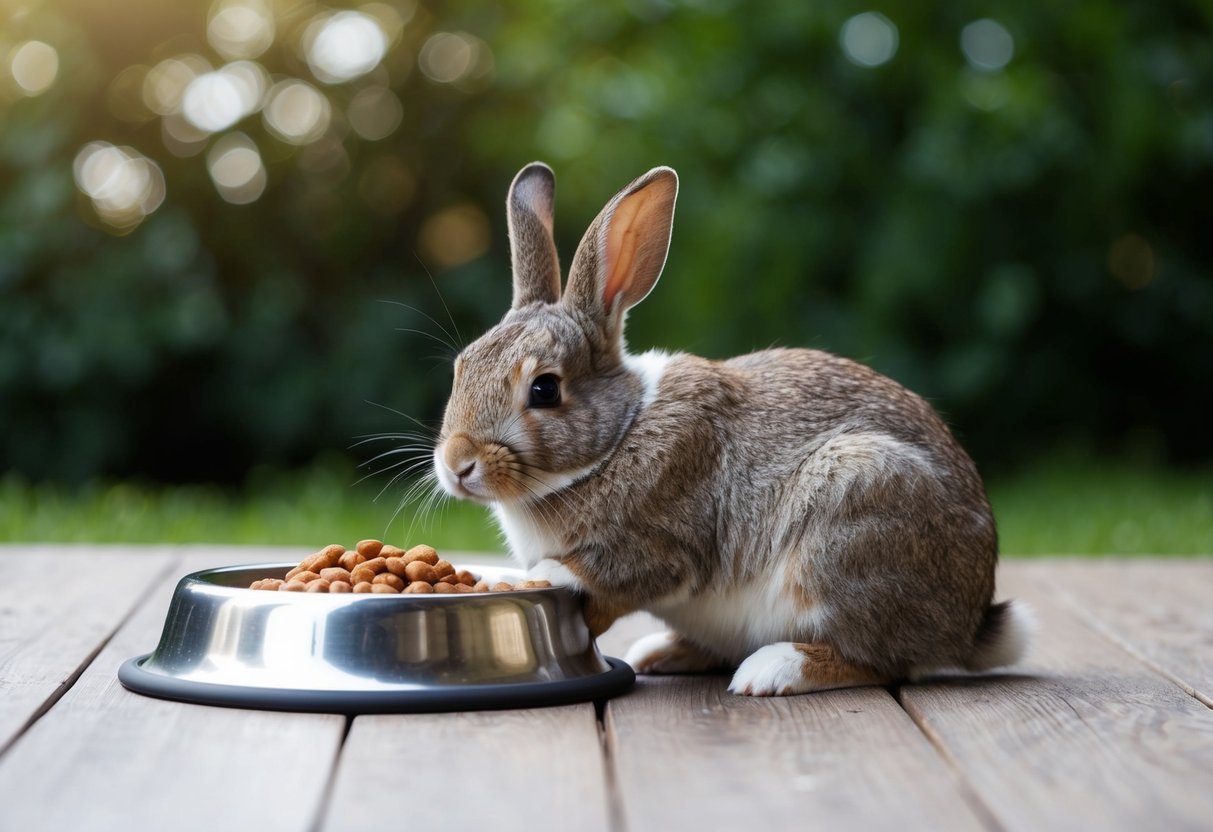
Pellets can play a role but should be limited. Look for high-quality pellets that are high in fiber and low in fat. Avoid sugary treats, as they can lead to health issues.
Hydration and Its Role
Hydration is very important for your rabbit’s health. Fresh, clean water should always be available. This helps prevent urinary problems and supports digestion.
You can offer water in a bowl or a water bottle. Some rabbits prefer one method over the other. Monitor their intake to make sure they are drinking enough.
In addition to water, fresh greens can help with hydration. Foods like cucumber and celery contain a lot of water. Keeping your rabbit well-hydrated is key to preventing health problems and promoting a happy life.
When Rabbits Stop Eating: Recognizing the Signs
It’s important to watch for signs that your rabbit has stopped eating. This behavior can indicate serious health issues. Recognizing these signs early can help you take action to address potential problems.
Identifying and Addressing Illness
If your rabbit isn’t eating, look for symptoms like lethargy, weight loss, or a noticeable decrease in activity. These can signal underlying illness.
For example, gastrointestinal stasis is a common issue when food moves slowly or stops in the intestines. This can lead to pain and even require immediate veterinary care.
Watch for other signs such as dehydration or dental issues. If you notice your rabbit drooling, it might have tooth problems that make eating painful. Always check their water intake and food consumption closely. If your rabbit shows any of these signs, you should consult your veterinarian quickly.
Prevention and Early Intervention
To help prevent your rabbit from stopping eating, provide a balanced diet rich in hay, fresh vegetables, and limited pellets. Changing their environment, such as reducing stressors, can also help maintain their appetite.
Make sure to schedule regular veterinary check-ups. They can catch health problems early, especially dental issues or infections.
Keep an eye on your rabbit’s behavior. If you notice anything out of the ordinary, getting veterinary advice can help you act before a minor issue becomes serious.


