
When it comes to keeping your rabbit happy and healthy, you need to know what to feed them. The best vegetables for rabbits include leafy greens like romaine lettuce, dandelion greens, and parsley. These should make up about 10% of their daily diet. These fresh options not only add variety but also provide important nutrients to support their overall health.
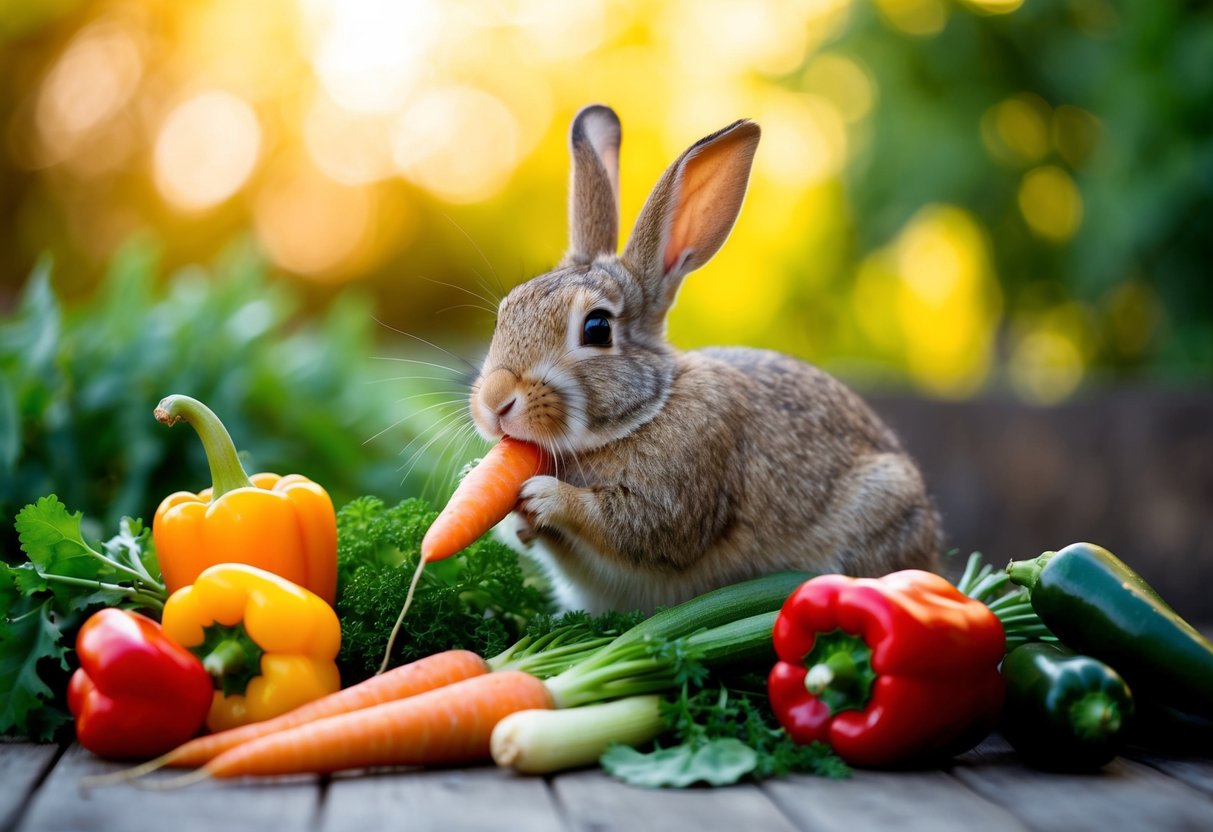
It’s important to introduce new vegetables slowly, ensuring your rabbit’s digestive system can handle them. Avoid feeding your bunny harmful foods like onions or potatoes, which can be toxic. By choosing safe and healthy vegetables, you’ll help your furry friend thrive and enjoy mealtime.
Creating a balanced rabbit diet can be simple and fun. Adding the right vegetables will keep your rabbit engaged and excited about their meals. This guide will help you explore the best options to keep your rabbit well-fed and happy.
Understanding Rabbit Nutrition
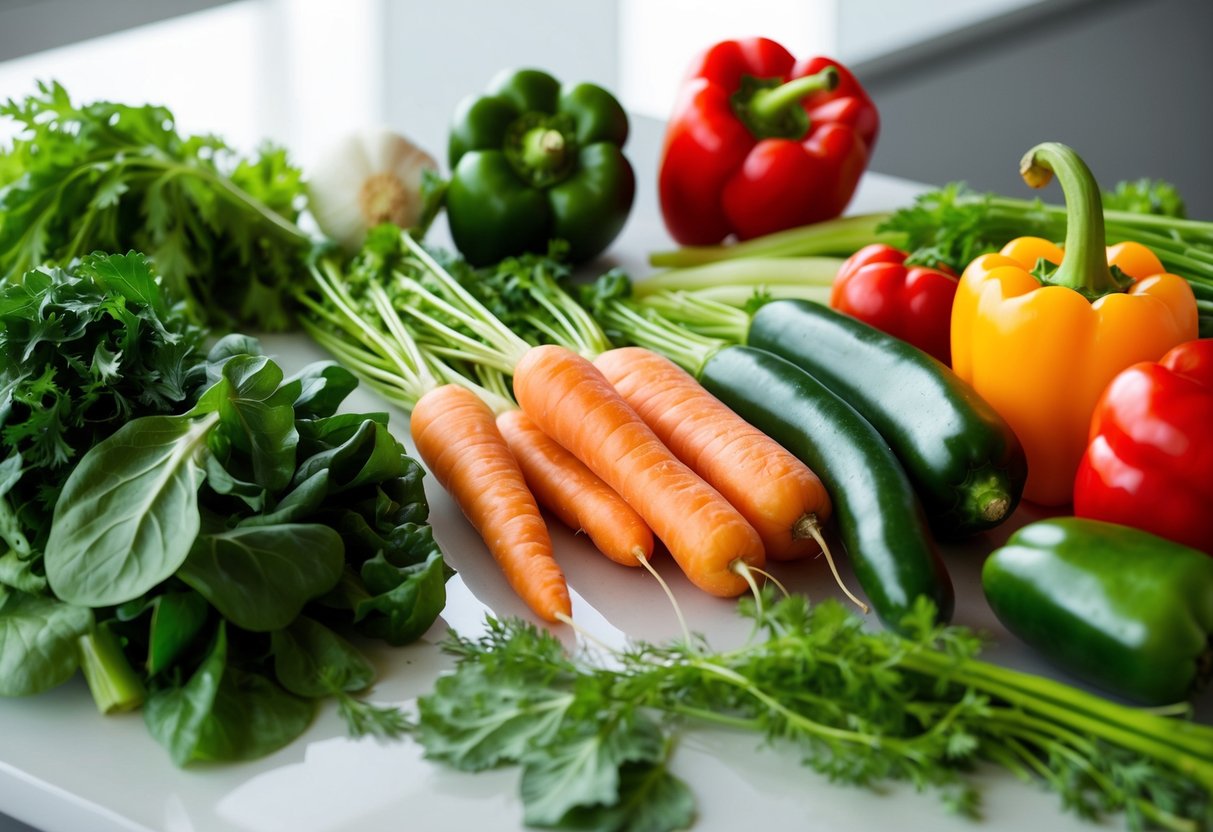
A well-balanced diet is essential for your rabbit’s health. Feeding your rabbit the right combination of fiber, vitamins, and fresh foods helps promote good digestion and overall wellness.
The Role of Fiber in a Rabbit’s Diet
Fiber is crucial for a rabbit’s digestive health. It helps keep their gut moving and prevents issues like obesity and dental problems. High-fiber foods include hay and fresh vegetables.
Timothy hay, orchard grass, and oat hay are excellent choices to ensure your rabbit gets enough fiber. Aim to provide a variety of hays to keep your bunny engaged and healthy.
Remember, if your rabbit doesn’t get enough fiber, it can lead to serious health problems. Always prioritize fiber in your rabbit’s daily meals.
Vitamins and Minerals Essentials
Rabbits need various vitamins and minerals for their health. One of the most important is vitamin C. This vitamin helps with immunity and overall vitality. While rabbits can produce some vitamin C on their own, adding fresh vegetables boosts their intake.
Leafy greens like dandelion greens and dark lettuces are rich in essential vitamins. Including these in your rabbit’s diet helps to meet their nutritional needs.
Don’t forget about minerals like calcium and phosphorus, which are vital for bone health. A good mix of fresh veggies can provide these essential nutrients.
Balancing the Diet with Hay and Fresh Foods
A balanced diet for your rabbit requires a mix of hay and fresh foods. Hay should make up most of your rabbit’s daily intake. It’s the best source of fiber and helps keep their teeth healthy.
You can introduce fresh vegetables gradually. Start with small amounts of safe veggies, like carrots and leafy greens. When introducing new foods, do it one at a time to monitor how your rabbit reacts.
Be cautious with high-calcium hays like alfalfa. It’s great for young rabbits but may lead to health issues in adults if overfed. Always ensure your rabbit enjoys a mix of hays, plenty of fresh veggies, and a little fruit as a treat.
Recommended Vegetables for Rabbits

Feeding your rabbit a variety of vegetables is essential for maintaining its health. Leafy greens, herbs, and some non-leafy vegetables can be excellent choices. Let’s explore some specific options that your furry friend will enjoy.
Leafy Greens: A Rabbit Favorite
Leafy greens are a must in your rabbit’s diet. They provide important vitamins and minerals. Some great choices include:
- Romaine Lettuce: This is a favorite among many rabbits. It’s crunchy and hydrating.
- Kale and Spinach: These greens are full of vitamins but should be fed in moderation.
- Bok Choy and Swiss Chard: Both are nutritious and can add variety to meals.
Always wash greens thoroughly to remove any pesticides. Introduce new greens slowly to see how your rabbit reacts. A mix of different greens can keep mealtime exciting while ensuring a healthy diet.
The Goodness of Herbs
Herbs can enhance your rabbit’s meals and come packed with flavor. Here are some flavorful options:
- Cilantro: Many rabbits love this herb. It’s aromatic and adds a fresh taste.
- Basil and Mint: These are other tasty choices that can excite your pet’s palate.
- Parsley: Full of vitamins, it’s another great option that many rabbits enjoy.
You can offer herbs as a treat or mix them in with their favorite greens. Just be cautious with the quantities, as some rabbits may have sensitivities to certain herbs.
Non-Leafy Vegetables: A Treat in Moderation
Non-leafy vegetables can make great occasional treats. Here are some safe veggies to include:
- Cucumber: Light and refreshing, it’s a fun snack for your rabbit.
- Zucchini and Summer Squash: These can be served raw and sliced. They’re crunchy and enjoyable.
- Sweet Peppers: These add color and a bit of sweetness to your rabbit’s meals.
Feed these vegetables less frequently, as they can be higher in sugar compared to leafy greens. Always chop them into small, manageable pieces for easy eating.
Vegetables to Avoid in a Rabbit’s Diet
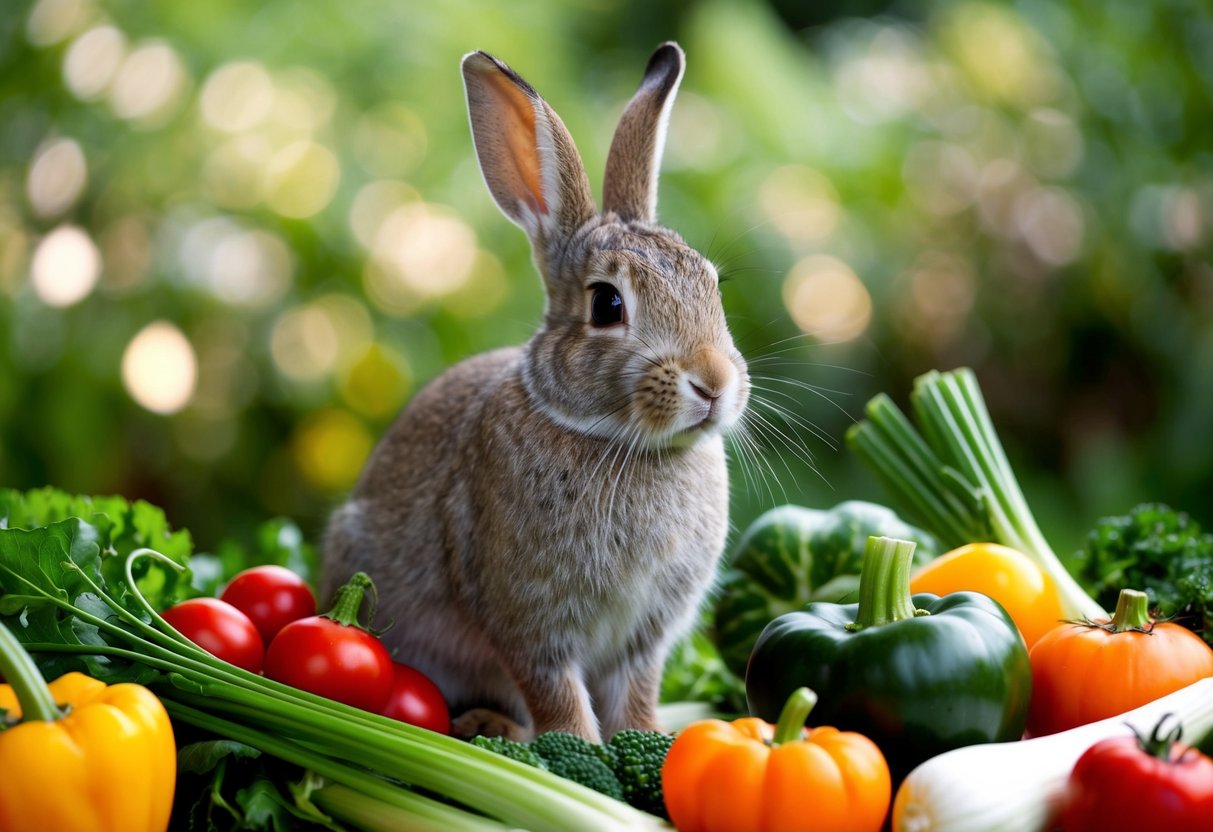
It’s important to know which vegetables can be harmful to your rabbit. Feeding the wrong veggies can lead to health problems, so here’s what to watch out for.
Why Some Vegetables Can Be Harmful
Certain vegetables may seem healthy but can pose risks to your rabbit. For instance, onions and garlic are toxic and can cause serious health issues. Always steer clear of any food that contains these ingredients.
Avocado is another no-go. It contains a substance called persin, which can be harmful to rabbits. You should also avoid iceberg lettuce. While it may not be toxic, it has very little nutritional value and can cause diarrhea.
Additionally, rhubarb is dangerous and can lead to kidney failure if consumed. Always check what you offer your bunny to keep it safe and healthy.
High-Oxalate Foods to Limit or Avoid
Some vegetables contain oxalic acid, which can lead to kidney stones and other health issues in rabbits. These include spinach, kale, and beet greens. While high in nutrients, their oxalate levels can be harmful, so it’s best to give them sparingly.
If you introduce high-oxalate veggies, do it in small amounts and monitor your rabbit for any signs of distress.
Feeding Baby and Adult Rabbits
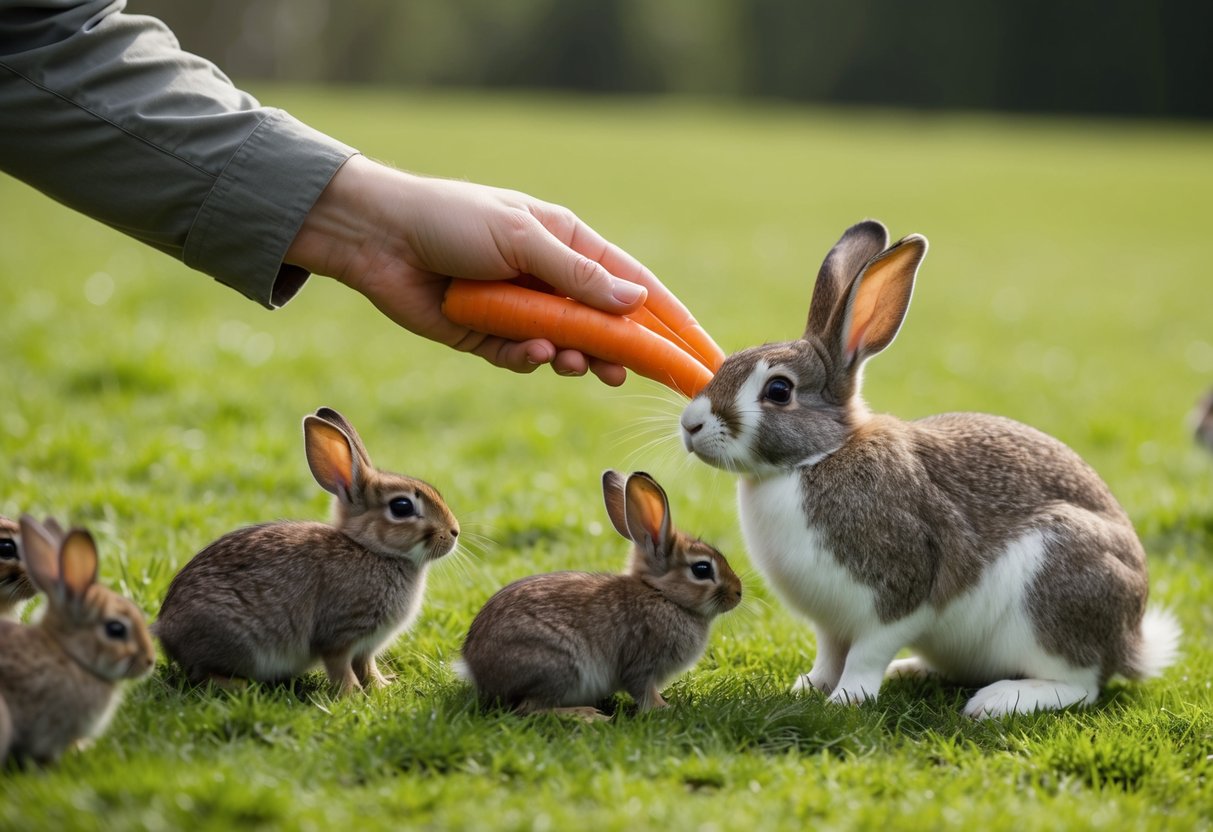
Feeding your rabbits properly is crucial for their health. Baby rabbits have different needs compared to adult rabbits. Understanding these differences helps you provide the right diet for each stage of their growth.
Special Considerations for Young Rabbits
For baby rabbits, proper nutrition is essential. They should stay on their mother’s milk for the first few weeks. After about 4 weeks old, you can start introducing fresh vegetables slowly. Good options include romaine lettuce, dandelion greens, and parsley.
Important Tips:
- Introduce one new vegetable every few days.
- Start with small amounts, about 1/2 ounce for each new vegetable.
- Avoid starchy vegetables like carrots in large amounts, as they can cause digestive issues.
Alfalfa sprouts can be offered as a treat, but they should not replace hay and greens. Ensure your baby rabbit has access to hay, which is vital for promoting healthy digestion.
Transitioning to Adult Rabbit Foods
As your rabbit grows, you will need to change its diet. At around 12 weeks, you can start transitioning to adult foods. Adult rabbits need a diet that includes more fiber to maintain good health.
Here is a simple breakdown of what’s needed:
-
Greens: Offer at least 1-2 cups of leafy greens per 4 pounds of body weight each day. Include a mix like kale, mustard greens, and rocket.
-
Pellets: Choose high-fiber pellets specifically made for adult rabbits.
-
Treats: Limit treats to small amounts and ensure they are healthy options.
Keep monitoring your rabbit’s reactions to new foods. Adjust the diet to their preferences while maintaining balanced nutrition for their growing needs.


