
Keeping a rabbit indoors can raise many questions among pet owners. Some worry that confining these lively animals to a small space might be cruel.
The reality is that indoor rabbits can lead happy, healthy lives when they are given the right care and environment.
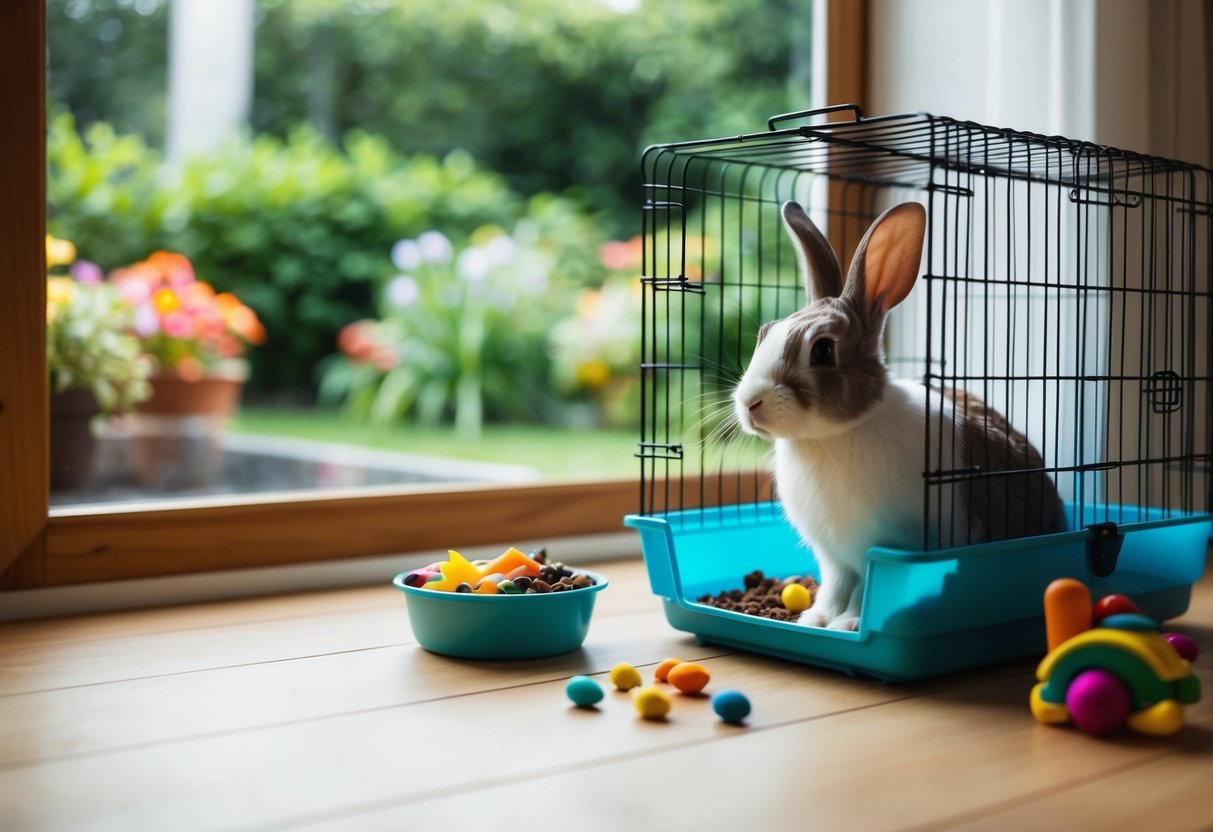
Rabbits are social creatures that thrive on interaction, which can be more accessible when they live inside. By keeping your bunny indoors, you can form a strong bond with them and ensure they are safe from outdoor dangers. Many indoor rabbits enjoy longer lives and are often more sociable than those kept outside.
As you explore this topic, you’ll discover the benefits of indoor living for rabbits, as well as tips on how to make their home comfortable and enriching. Understanding their needs can help you provide the best care possible for your furry friend.
Understanding Rabbit Welfare

Caring for your indoor rabbit means understanding their unique needs. This involves ensuring they have enough space, a proper diet, and social interaction to thrive.
Let’s explore these key areas that affect your pet’s happiness and health.
The Importance of Space
Rabbits need adequate space to move around and play. An ideal setup allows them to hop, stretch, and explore.
You should provide a safe area, using a pen or a rabbit-proof room. Make sure your rabbit has a designated space with enrichment items like toys and tunnels.
The more they can interact with their environment, the happier they will be. Small enclosures can lead to stress and boredom.
Consider letting your rabbit roam safely when you are available, giving them more freedom to move. This space encourages exercise, which is essential for their physical health.
Diet and Nutrition
A proper diet is crucial for your rabbit’s well-being. Fresh hay should make up the majority of their daily food intake. Hay provides essential fiber, promoting good digestion and dental health.
In addition to hay, offer a variety of fresh vegetables. Leafy greens like romaine lettuce, parsley, and cilantro are great choices. Avoid starchy or high-sugar options.
Limit pellets to a small amount. Remember to introduce any new food gradually to avoid upsetting their stomach. Clean, fresh water must always be available for hydration.
Social Needs and Companionship
Rabbits are social animals and thrive on companionship. Like you, they can become lonely and stressed if left alone for long periods.
Consider having more than one rabbit to provide social interaction. If you have only one rabbit, spend quality time with them daily.
Engage in playtime, petting, and gentle interaction. This bond enhances their emotional health.
Monitor their behavior. Signs of loneliness include excessive chewing or digging. Keeping your rabbit mentally stimulated will also help them feel secure and loved.
Creating a Safe Indoor Environment

To ensure your indoor rabbit feels safe and happy, it’s important to create a space that meets their needs. This includes proper bunny-proofing to avoid accidents and the right type of rabbit enclosure to give them a secure area to relax and play.
The Basics of Bunny-Proofing
Bunny-proofing your home is essential for your rabbit’s safety. Start by identifying potential hazards like electrical cords, small objects, and toxic plants.
Use cord protectors or hide cords behind furniture to prevent chewing. Next, secure items like trash cans and cleaning supplies out of reach.
You might also consider using baby gates to block off areas that are not rabbit-friendly. This creates a safe zone where your bunny can explore without danger.
Finally, keep an eye out for furniture that may fall over. Heavy items should be stable and secure. The more you prepare, the happier and safer your bunny will be.
Choosing the Right Rabbit Enclosure
Selecting a rabbit enclosure is a big part of keeping your pet safe indoors. Look for a spacious and secure setup that offers plenty of room for your rabbit to hop and play.
Aim for an enclosure that is at least 24 square feet for a single rabbit. Enclosures should have solid flooring, as wire bottoms can hurt your rabbit’s feet.
Adding bedding and soft materials can make it cozy. Also, consider getting an enclosure with multiple levels or platforms. This can add enrichment and make playtime exciting.
Make sure the enclosure is easy to clean. Removable trays or liners help maintain hygiene effortlessly. Lastly, create a routine of regular interaction to bond with your pet while they are in their space.
Enrichment for Indoor Rabbits
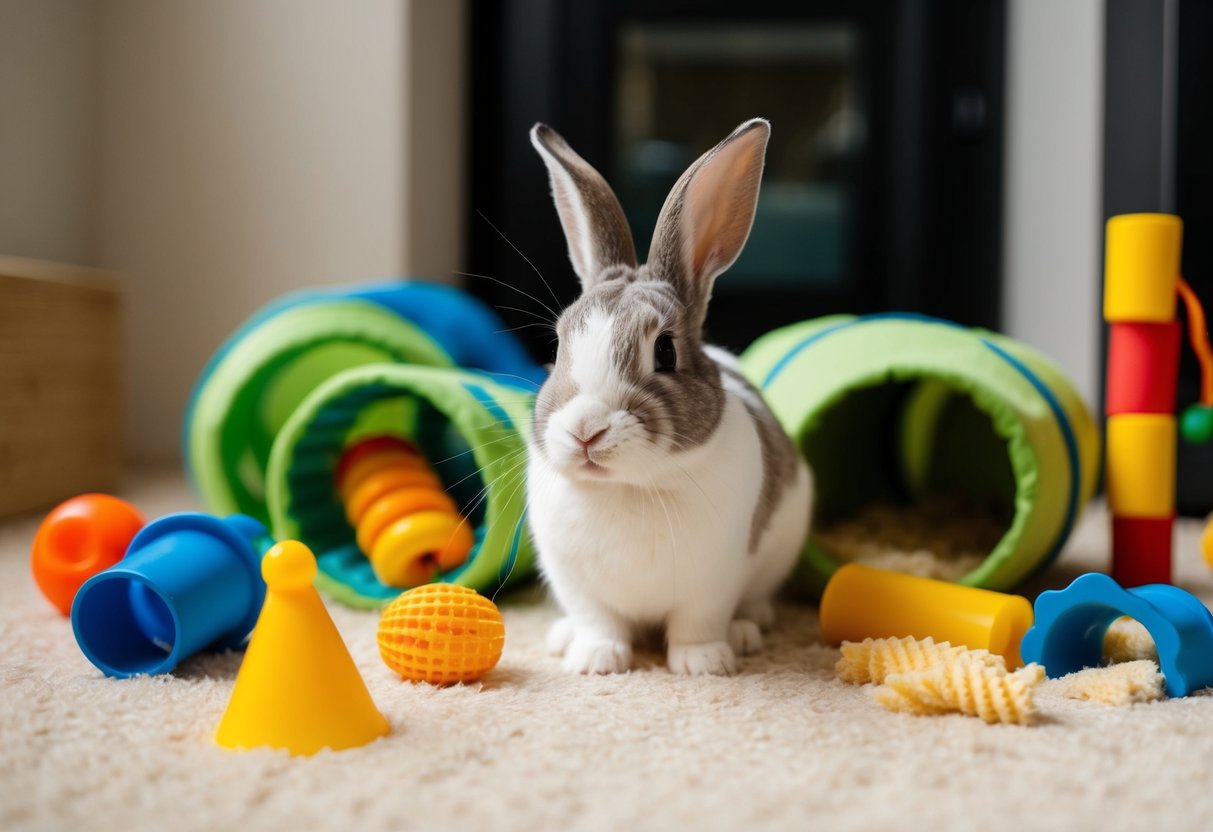
Providing enrichment for your indoor rabbit is essential for their happiness and well-being. This includes offering a variety of toys and ensuring they have plenty of exercise and playtime.
Let’s look at how both of these aspects are crucial for keeping your rabbit healthy and engaged.
The Role of Toys in a Rabbit’s Life
Toys are vital for indoor rabbits. They not only provide entertainment but also stimulate your rabbit’s mind.
Look for toys made from safe, non-toxic materials. Here are some popular options:
- Chew Toys: Help keep their teeth healthy and prevent boredom.
- Hiding Spots: Boxes or tunnels can give your rabbit a sense of security.
- Interactive Toys: Those that dispense treats can encourage problem-solving skills.
Rotate your rabbit’s toys regularly to keep things fresh. Avoid toys with small parts that could be swallowed.
Keeping your rabbit engaged with a variety of toys helps reduce stress and encourages natural behaviors.
Exercise and Playtime
Regular exercise is crucial for indoor rabbits. It helps maintain a healthy weight and promotes good muscle development.
Allocate time each day for your rabbit to stretch and play. Here are a few ways to encourage exercise:
- Free Roaming: If safe, allow your rabbit to explore different parts of your home.
- Obstacle Courses: Set up a small course using boxes and safe items for your rabbit to navigate.
Interactive play is important too. Spend time with your rabbit using toys to engage in games. A mix of playtime and exploration will help your rabbit stay active and happy while living indoors.
Health Considerations for Indoor Rabbits
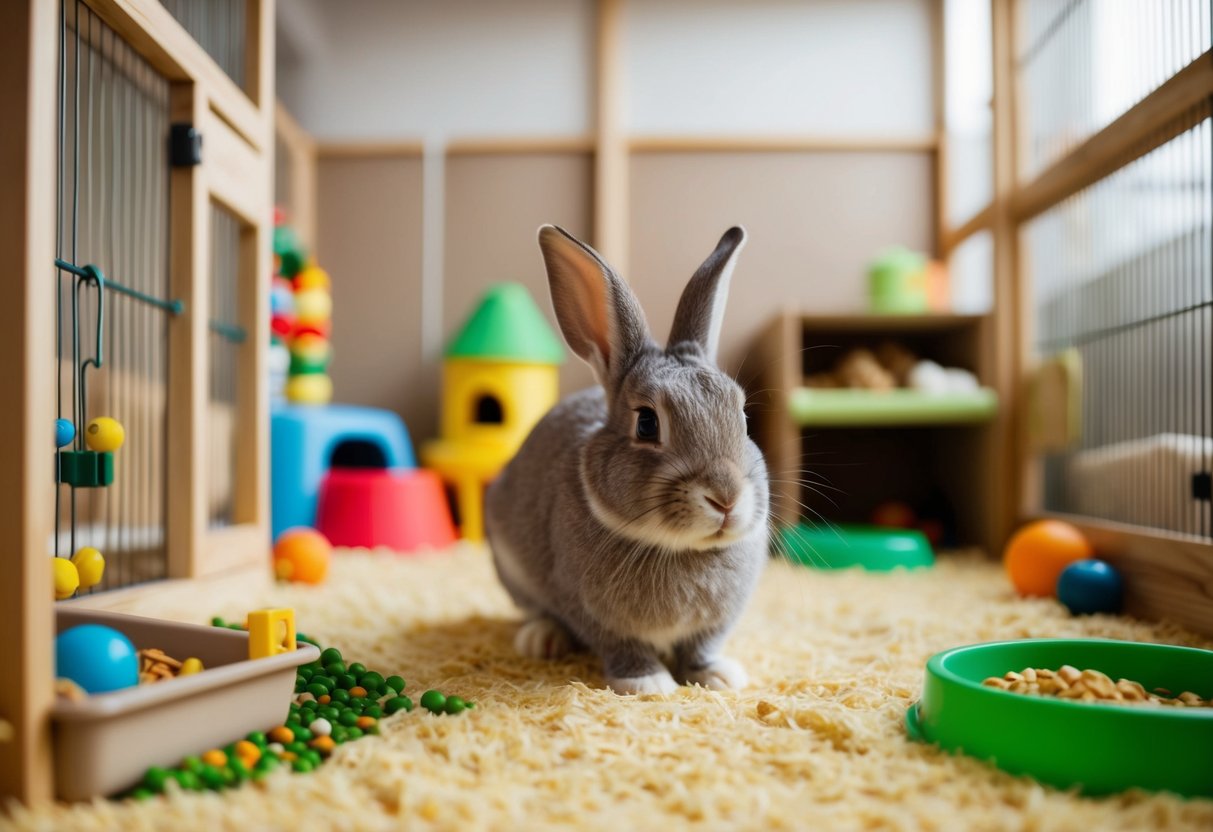
Keeping your rabbit indoors can be great for their health, but there are some important factors to consider.
Space: Make sure your indoor rabbits have enough space to move around. A larger area helps them exercise and stay fit.
Temperature: Maintain a comfortable environment. Rabbits are sensitive to extreme heat or cold, so keep the room at a steady temperature.
Social Interaction: Pet rabbits thrive on companionship. Spend time playing and bonding with your bunny to prevent loneliness.
Diet: Provide a balanced diet. Fresh hay, fresh vegetables, and a small amount of pellets are essential for indoor rabbits.
Health Monitoring: Regularly check your rabbit’s health. Keep an eye on their weight, fur, and behavior for any signs of illness.
Safety: Remove hazards from their space. Indoor rabbits can chew cords or get into other dangerous items, so secure or remove anything they might harm themselves with.
Exercise: Encourage regular exercise. You can create a safe play area with toys to keep your rabbit active and happy.


