
When considering your rabbit’s diet, you might wonder if they can thrive on just hay. However, hay alone does not provide everything your rabbit needs to stay healthy. Rabbits are herbivores with unique nutritional requirements that go beyond just roughage.
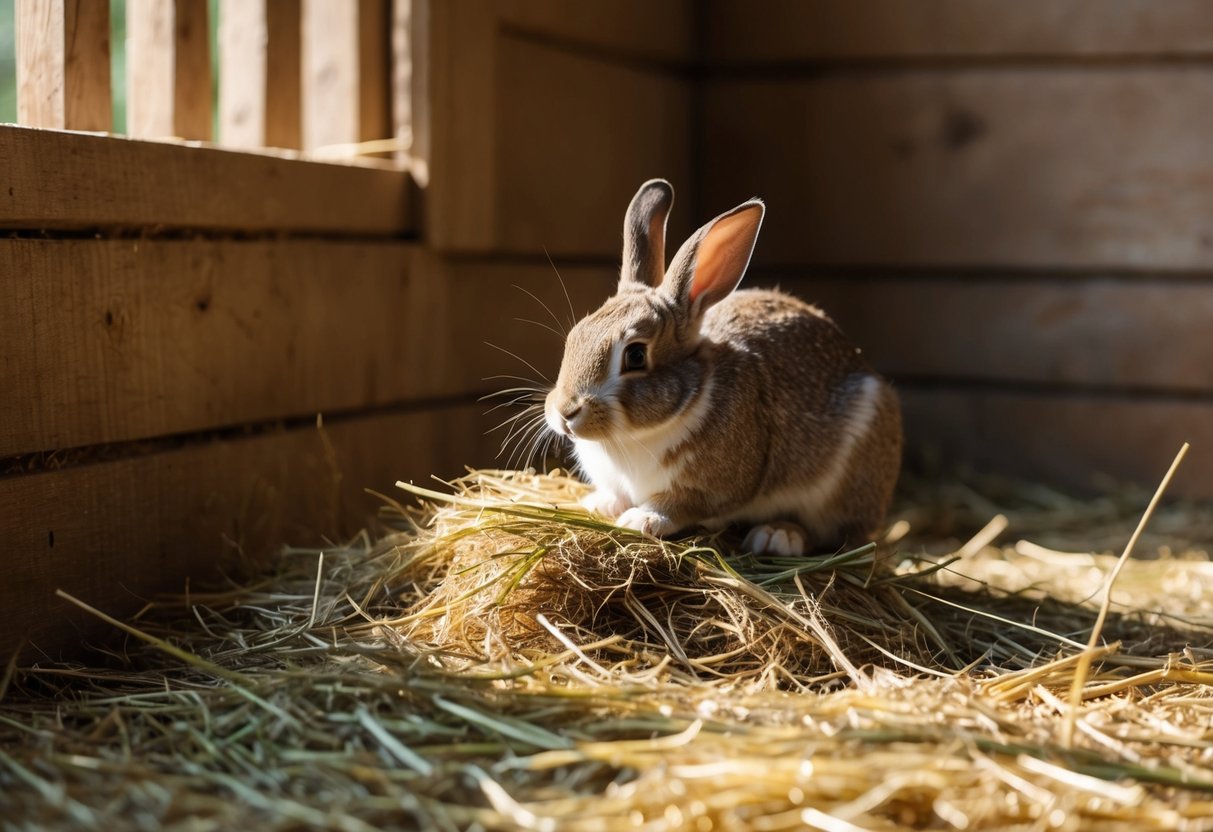
Hay is a crucial component for maintaining your rabbit’s digestive health and dental care. However, they also need fresh vegetables and other nutrients to ensure they are getting a balanced diet. Understanding what your bunny requires will help you keep them healthy and happy.
As you explore this topic further, you’ll discover the best practices for feeding your rabbit. It’s important to provide a varied diet while ensuring hay remains a key part of their meals.
Understanding Rabbit Nutrition
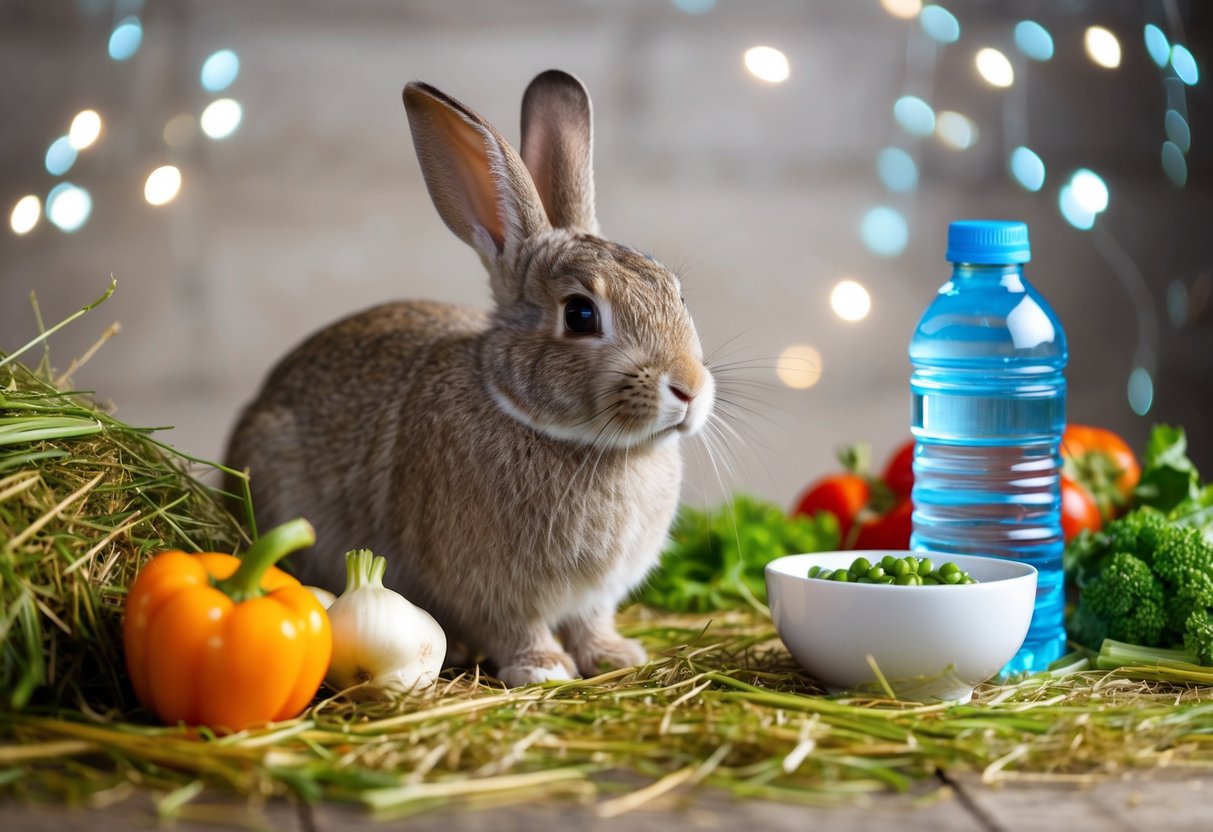
Rabbit nutrition is crucial for their health and well-being. It’s important to know what they need in their diet for growth, energy, and a healthy digestive system.
Essential Nutrients and Their Roles
Rabbits require a balanced diet full of essential nutrients. These include fiber, protein, vitamins, and minerals.
- Fiber is key for digestion and helps prevent gastrointestinal issues.
- Protein supports growth and maintenance of body tissues.
- Vitamins, like A, D, and E, help with various bodily functions, including vision and immunity.
- Minerals such as calcium are crucial for strong bones and teeth.
Understanding these nutrients will help you provide a balanced diet for your bunny. Remember, each nutrient plays a specific role in keeping your rabbit healthy.
The Importance of Fiber
Fiber is perhaps the most important part of a rabbit’s diet. It keeps their digestive system working properly. A high-fiber diet helps prevent serious health problems, like gastrointestinal stasis.
When rabbits eat fiber, it encourages chewing and grinding, which wears down their continuously growing teeth. This is vital to prevent dental issues.
Hay, made mainly of grass, is an excellent source of fiber. Aim for unlimited access to hay, ensuring your rabbit gets the right amount every day.
Varieties of Hay and Their Benefits
Not all hay is the same. Different types offer various benefits. Common types of hay include:
- Timothy Hay: High in fiber, great for adult rabbits.
- Orchard Grass: Soft and sweet-smelling, often preferred by picky eaters.
- Bermudagrass Hay: Low in calcium, suitable for rabbits prone to urinary issues.
Each type of hay provides essential nutrients. Choose a variety that suits your rabbit’s needs to ensure they get the best nutrition possible. This helps keep them happy and healthy.
The Role of Hay in a Rabbit’s Diet

Hay plays a crucial role in keeping your rabbit healthy. It provides the necessary fiber for digestion and helps prevent dental problems. Understanding the types of hay available and how to balance them with other foods can help ensure your rabbit gets the nutrients they need.
Types of Hay for Optimal Health
When it comes to hay, not all types are created equal. The best hay for rabbits is timothy hay. It is high in fiber and low in protein, making it perfect for adults. Other good options include meadow hay and orchard grass, which also support digestive health.
Alfalfa hay, though nutritious, is too high in protein and calcium for adult rabbits. It is best reserved for young bunnies or those needing extra weight. Offering a mix of hay types not only adds variety but also encourages your rabbit to eat more.
Hay vs. Pellets: Finding the Balance
While hay is essential, rabbit pellets can also be part of a balanced diet. Pellets should make up only a small portion of your rabbit’s daily intake. Look for high-fiber pellets with no added sugars.
A common rule is to provide about 1-2 tablespoons of pellets per 5 pounds of body weight. This ensures your rabbit gets enough nutrients without overdoing it on pellets. Always prioritize hay, as it should comprise around 70-80% of their diet.
When Fresh Vegetables Come into Play
Fresh vegetables are a great addition to your rabbit’s diet but should not replace hay. You can introduce a variety of leafy greens, such as romaine lettuce, parsley, or cilantro. Aim for 1 cup of veggies per 2 pounds of body weight.
Introduce new vegetables gradually to avoid digestive issues. Remember that fresh vegetables should complement hay, not substitute it. This balance helps to prevent malnutrition.
Risks of Hay-Only Diets
Feeding your rabbit only hay can lead to serious health issues. While hay is vital, a diet lacking in variety can result in malnutrition. Rabbits require a mix of hay, pellets, and fresh vegetables for optimal health.
Without sufficient nutrients, your rabbit may suffer from digestive problems, weakness, and dental issues. An all-hay diet does not provide the necessary vitamins and minerals. It’s essential to ensure a balanced diet to keep your furry friend thriving.
Health Considerations for Rabbits
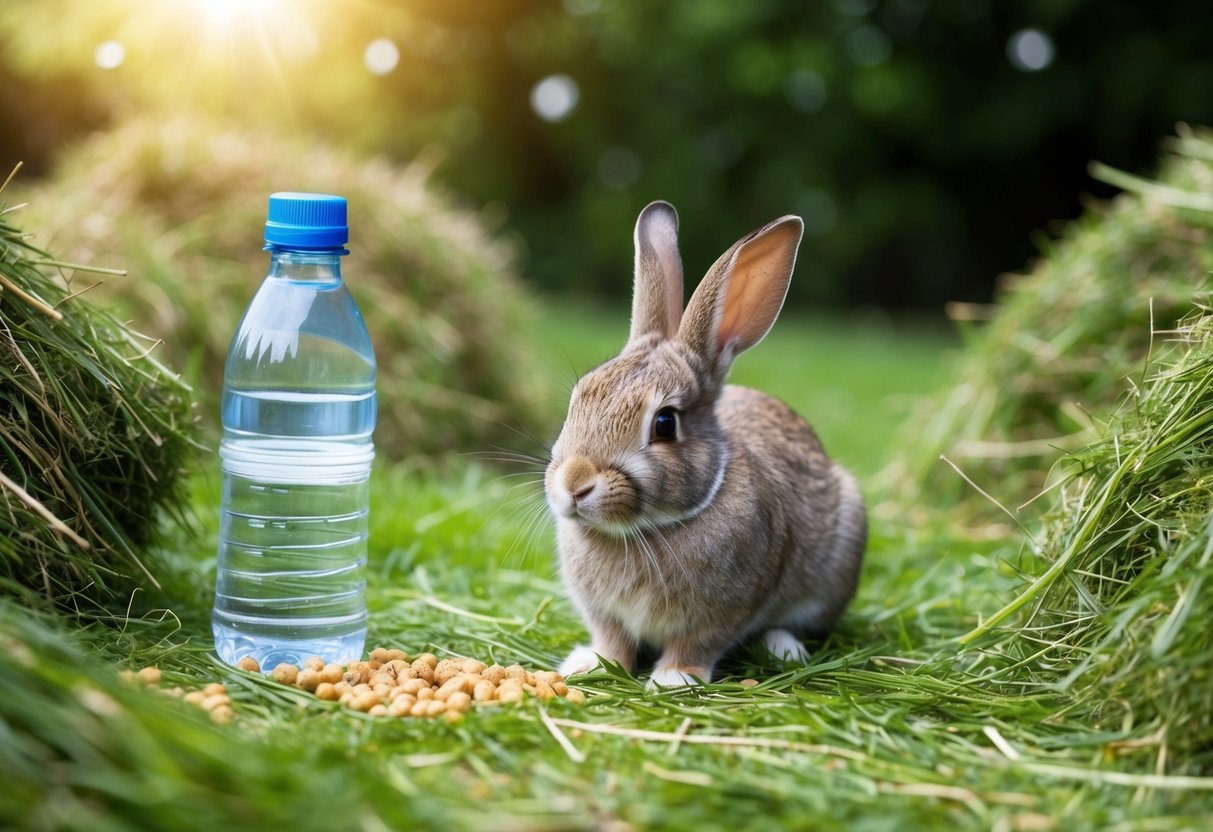
Taking care of your rabbit’s health involves understanding their dietary needs and the common health issues they may face. Proper nutrition is key to preventing problems like digestive and dental issues. Let’s look at how you can support your rabbit’s well-being.
Preventing Digestive and Dental Problems
A rabbit’s diet must be high in fiber to maintain good digestive health. Hay is essential since it promotes gastrointestinal motility. Without enough hay, your rabbit may suffer from gastrointestinal stasis, which is a serious condition where their digestion slows down or stops.
Dental health is equally important for rabbits. Their teeth grow continuously, and hay helps wear them down. If you notice signs of dental issues, such as drooling or trouble eating, consult your vet. Providing unlimited access to quality hay, like timothy hay, helps keep your rabbit healthy and prevents both digestive and dental problems.
Recognizing and Addressing Health Issues
You should regularly check your rabbit for any signs of health problems. Keep an eye out for weight loss or changes in appetite. If your rabbit seems lethargic or is not eating, these can be signs of health issues. Healthy rabbits should be playful and active.
In addition, weight management is crucial. Obesity can lead to other health problems, like heart disease or arthritis. Monitor your rabbit’s weight and adjust their diet if needed. If you notice changes in behavior or appearance, don’t hesitate to reach out to your veterinarian for advice.
Weight Management and Proper Feeding
Managing your rabbit’s weight involves providing the right balance of food. Hay should form the bulk of their diet. Limit pellets and treats, as these can contribute to weight gain. Use fresh greens and small amounts of pellets for variety, but ensure they are safe for rabbits.
Regularly measuring servings can help prevent obesity. Consider creating a feeding schedule that includes hay twice a day and fresh veggies. This not only helps maintain a healthy weight but also keeps your rabbit engaged and happy. Remember, a balanced diet supports all aspects of your rabbit’s health so they can thrive.
Enrichment and Well-Being for Rabbits
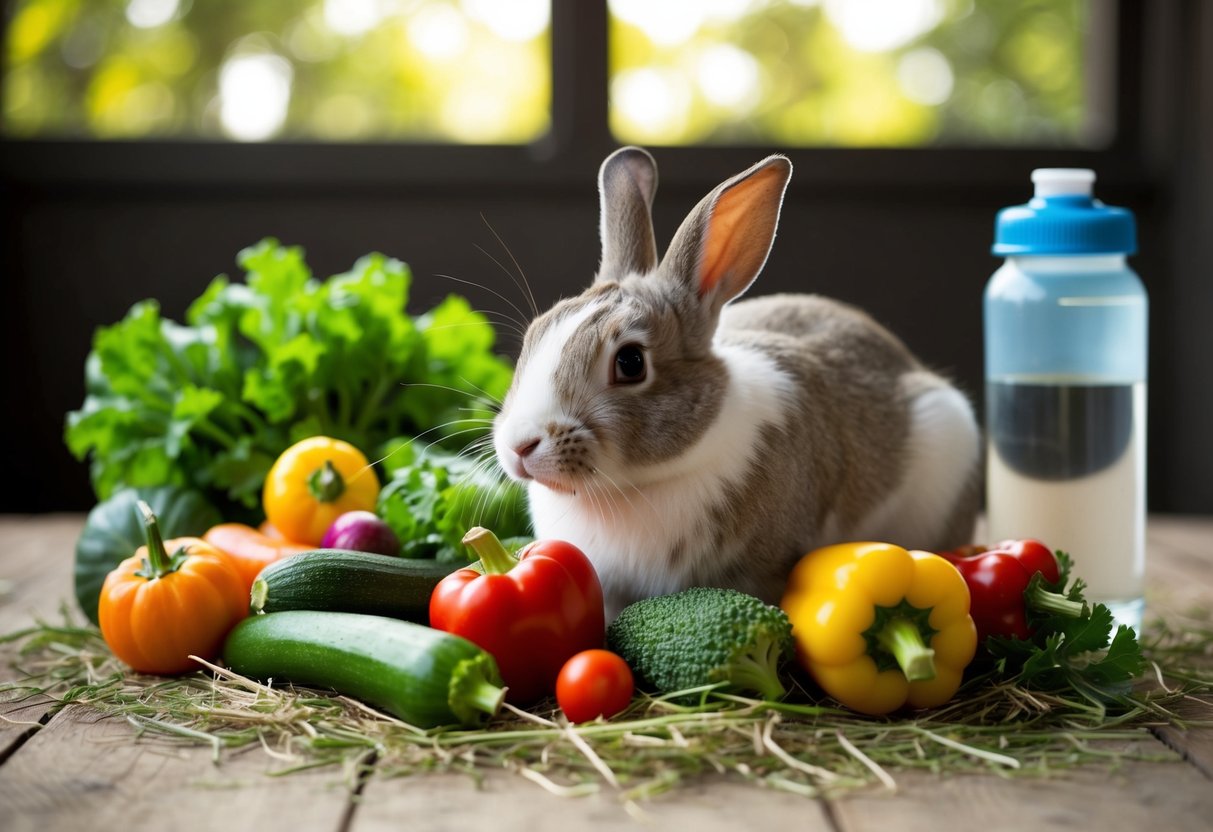
Creating a stimulating environment for your rabbit is essential for their happiness and health. A well-rounded approach to enrichment includes providing healthy treats, interactive toys, and a safe space for them to explore. This helps prevent boredom and stress, which can negatively impact their well-being.
The Benefits of a Stimulating Environment
A stimulating environment is crucial for your rabbit’s mental and physical health. Rabbits need to explore and engage with their surroundings to avoid boredom. Boredom can lead to stress and behavioral problems, like chewing on furniture or becoming withdrawn.
You can create this environment by offering toys made from safe materials, like untreated wood or cardboard. Hiding treats around their space encourages natural foraging behavior.
Consider adding leafy greens and small amounts of alfalfa as occasional treats. These not only improve their nutritional intake but also provide variety. Remember, fresh grass and high-quality hay should be their main diet, but treats should be given in moderation.
Healthy Treats and Supplements
Healthy treats can enhance your rabbit’s diet while meeting their nutritional requirements. It’s important to choose treats that are high in fiber and low in sugar.
Fresh vegetables, such as kale and romaine lettuce, are great options. They offer necessary vitamins, like vitamin C, which is essential for your rabbit’s immune health.
You might want to include a small amount of fruit, like apple slices or berries, but keep it limited to avoid excess sugar. Always ensure your rabbit has fresh water available.
Using hay as bedding can also encourage natural behaviors. Rabbits love to dig and burrow, so providing a cozy area filled with hay can improve their comfort and happiness.
This blend of stimulation and healthy treats contributes to a well-rounded diet and a happy rabbit!


