
Rabbits are fascinating creatures that make popular pets around the world. As mammals in the family Leporidae, they are known for their unique traits and social behaviors. The seven characteristics of rabbits include their long ears, strong hind legs, ever-growing teeth, social nature, remarkable agility, diverse colors and sizes, and their ability to communicate through body language. Understanding these traits can help you provide better care for your pet or simply enjoy learning about these charming animals.
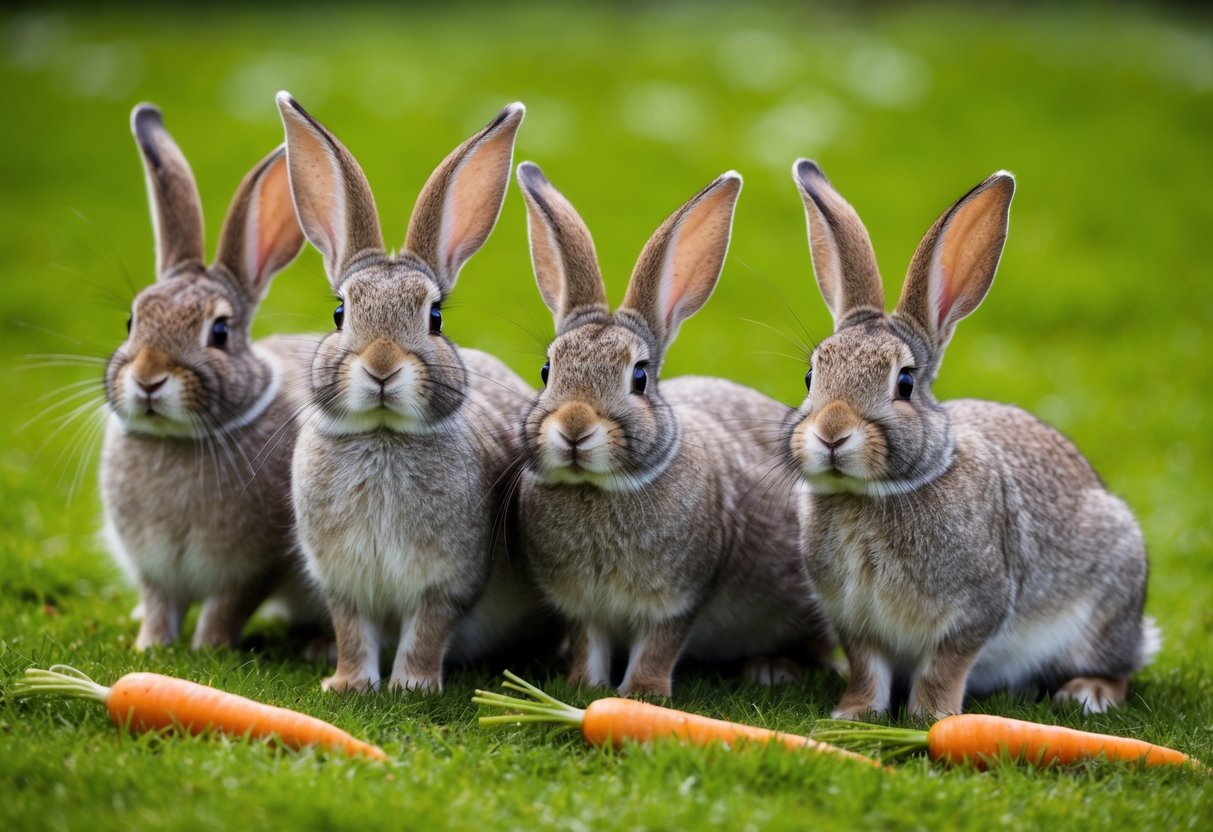
Aside from their well-known features, rabbits are also part of the order Lagomorpha. They can adapt to various environments, making them a joy to observe in both wild and domestic settings.
Whether you’re thinking about adopting a rabbit or just want to know more about them, these characteristics highlight why they capture so many hearts.
As you dive deeper into this topic, you’ll discover just how special these little mammals truly are. Knowing their traits enhances your appreciation for rabbits and can improve the bond you share with them if you’re a pet owner.
Physical Characteristics
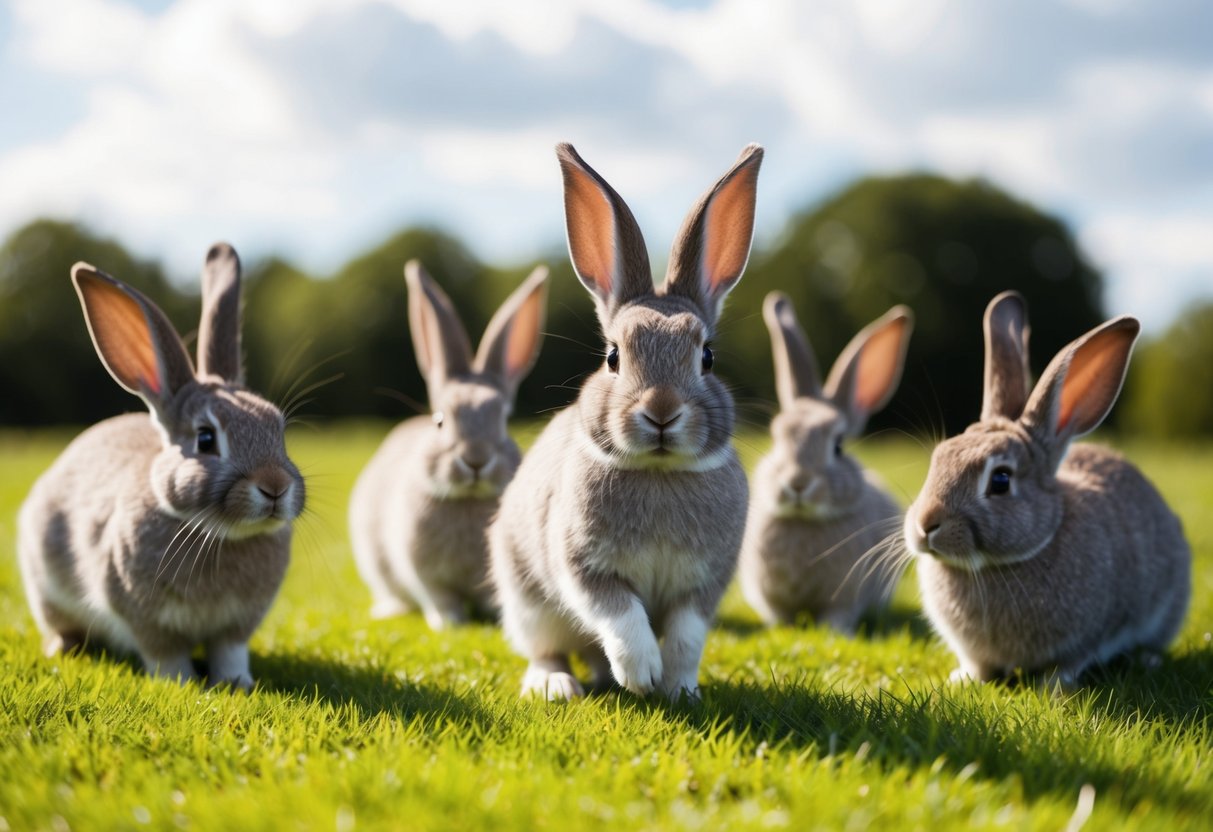
Rabbits have some unique features that make them stand out. Their physical traits include their distinctive ears and strong hind legs. They also vary in fur color, size, and tail length. Here’s a closer look at these characteristics.
Distinctive Ears and Powerful Hind Legs
One of the most noticeable features of rabbits is their long ears. These ears can be up to 4 inches long and help them detect sounds from far away. This ability is crucial for spotting predators.
Rabbits also have powerful hind legs that allow them to make quick escapes. These legs are designed for hopping, and they can leap up to 10 feet in one bound. This agility helps them navigate through their environment and stay safe from danger.
Fur, Size, and Tail Variations
Rabbits come in various colors, including brown, gray, and more. Their fur is soft and can be short or long, depending on the breed. The texture and color can also change with the seasons, providing natural camouflage.
Size is another important characteristic. Most pet rabbits weigh between 2 to 16 pounds. Some breeds are small enough to fit in your lap, while others are larger and require more space. The tail of a rabbit is typically very short, adding to their charming appearance.
Behavior and Social Structure

Rabbits have unique behaviors and a defined social structure that are essential for their well-being. Understanding how these traits work will help you enjoy a better relationship with your pet rabbit.
Social Animals and Hierarchical Groups
Rabbits are social animals that thrive in groups. In the wild, they often live in large colonies called warrens. Each rabbit has a place in a social hierarchy, which can help reduce stress and aggression.
You may notice that your pet establishes a rank when it interacts with other rabbits. The dominant rabbit may lead the group, while others know their places. This structure helps promote harmony and stability within the group.
Rabbits are territorial, and they may mark their spaces by rubbing scents from their scent glands. It’s important to provide ample space if you have multiple rabbits, so they can interact without feeling crowded.
Communication and Grooming
Rabbits communicate in various ways, and understanding these signals is vital. They use body language, sounds, and even grooming to express themselves.
For example, thumping is a common signal of alarm. Your rabbit might thump to alert others of potential danger.
Grooming is another key behavior among rabbits. This social activity not only keeps them clean but also strengthens bonds between them. When one rabbit grooms another, it shows affection and trust.
Encouraging your pet to engage in social grooming can help promote a calm and happy environment. Remember, by observing these behaviors, you can create a supportive space for your furry friend.
Habitat and Diet
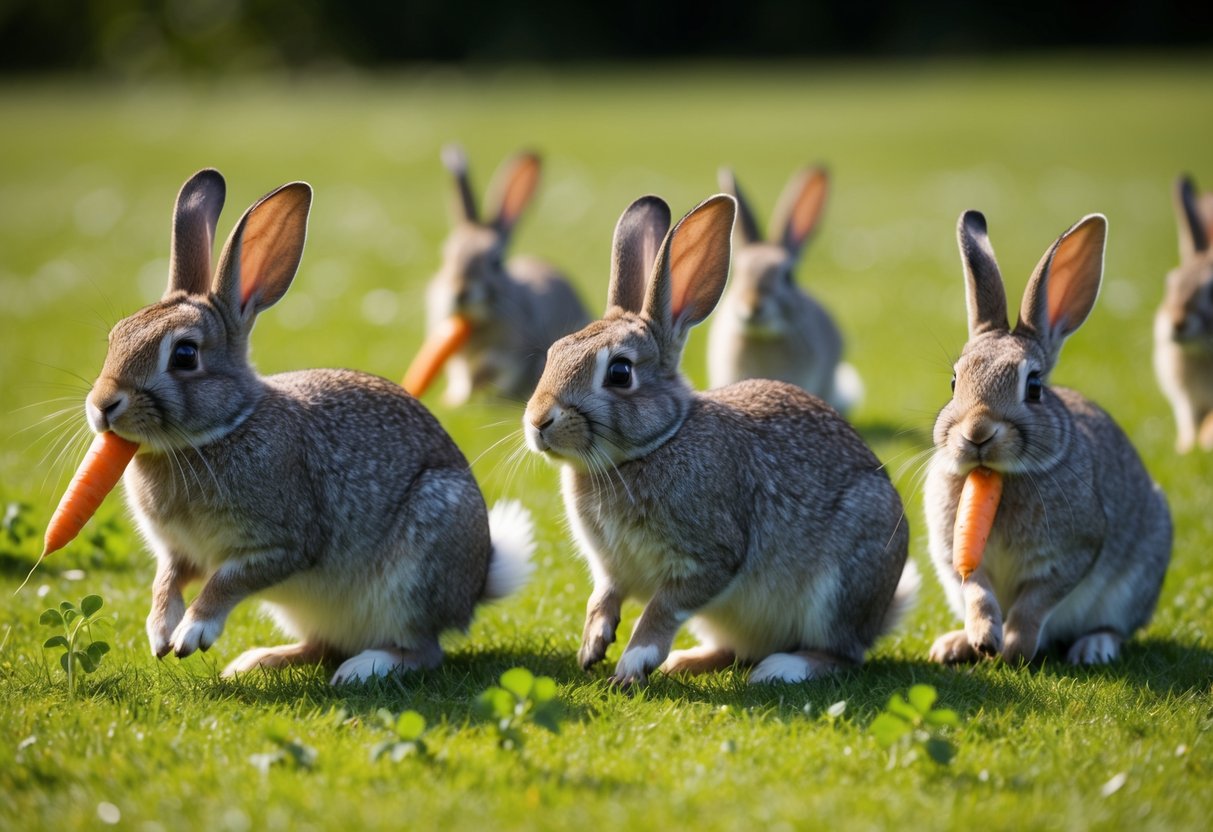
Rabbits are adaptable creatures that thrive in various environments. Their diet mainly consists of plant materials, and they have specific foraging behaviors that help them find food. Understanding these aspects can help you care better for your pet rabbit or appreciate wild rabbits more.
Adaptation to Various Ecosystems
Rabbits can live in many habitats, including meadows, grasslands, woodlands, and even urban areas like parks and farms. They often create burrows to protect themselves from predators and extreme weather. These burrows can be complex, providing shelter not just for rabbits but also for other creatures like toads and snakes.
Different species of rabbits have unique habitat needs. For example, the European rabbit prefers more open areas, while the Amami rabbit, an endangered species, thrives in specific ecosystems on Amami Oshima, Japan. Their ability to adapt to different environments helps rabbits survive despite challenges like habitat loss.
Foraging Behavior and Diet
Rabbits are herbivores, meaning they primarily eat plants. Their diet includes grasses, leafy greens, and vegetables.
Foraging behavior plays a crucial role in their survival. You may notice that rabbits tend to graze actively during the first part of their eating time and become more selective as they continue.
In addition to eating a variety of plants, rabbits rely on their cecum, an organ that helps them break down tough plant materials. This is important for their digestion and helps them extract nutrients effectively. Whether for wild rabbits or pet rabbits, a proper diet ensures they stay healthy and energetic.
Breeding and Lifespan
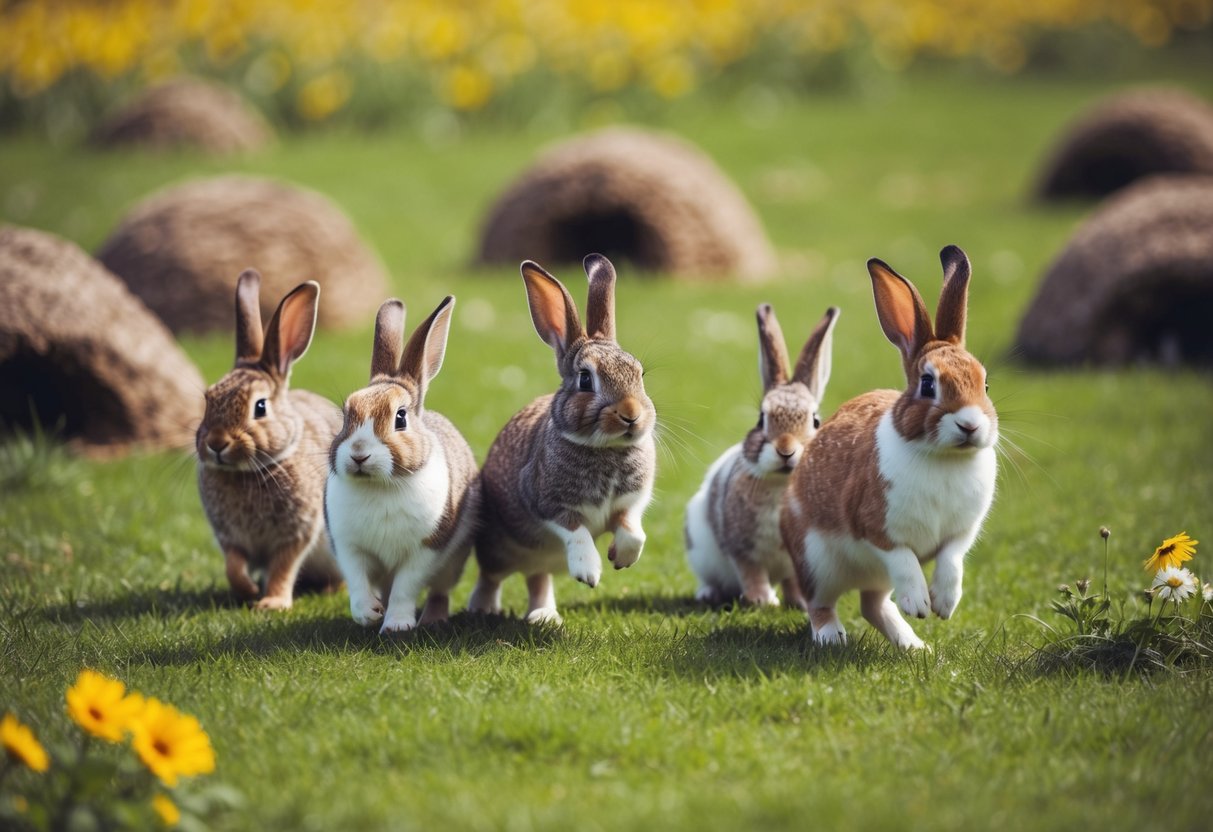
Rabbits have unique reproductive habits and lifespans that are important for any rabbit owner to know. Understanding these aspects can help ensure your furry friends live long, healthy lives.
Reproductive Habits and Lifespan
Rabbits are known for their high reproductive rate. A female rabbit, called a doe, can reproduce as early as six months old. Once she starts having babies, she can have several litters each year, often up to five or six kits per litter.
The average lifespan of pet rabbits ranges from 8 to 12 years, though some can live longer with good care. Factors like breed, diet, and health status affect how long a rabbit lives. Smaller breeds tend to live longer than larger ones. Regular veterinary check-ups can help spot health issues early.
Gestation Period and Litter Size
Rabbits have a gestation period of about 30 to 31 days. After this time, a doe gives birth to a litter, which can range from one to twelve kits. The average litter size is usually around six.
Kits are born hairless and blind, relying on their mother for safety and nutrition. As they grow, you will notice them becoming more active and exploring their surroundings. Proper care during this time is crucial for their development.
Make sure the doe has a quiet and safe space to raise her young.


