
If you’re considering a rabbit as a pet, you might wonder about their lifespan and well-being. Many potential rabbit owners ask themselves, do indoor rabbits live significantly longer than outdoor ones? The answer is yes. Indoor rabbits can live between 8 to 12 years or even longer with proper care. This is a big advantage for those who want a furry friend that will be by their side for many years.
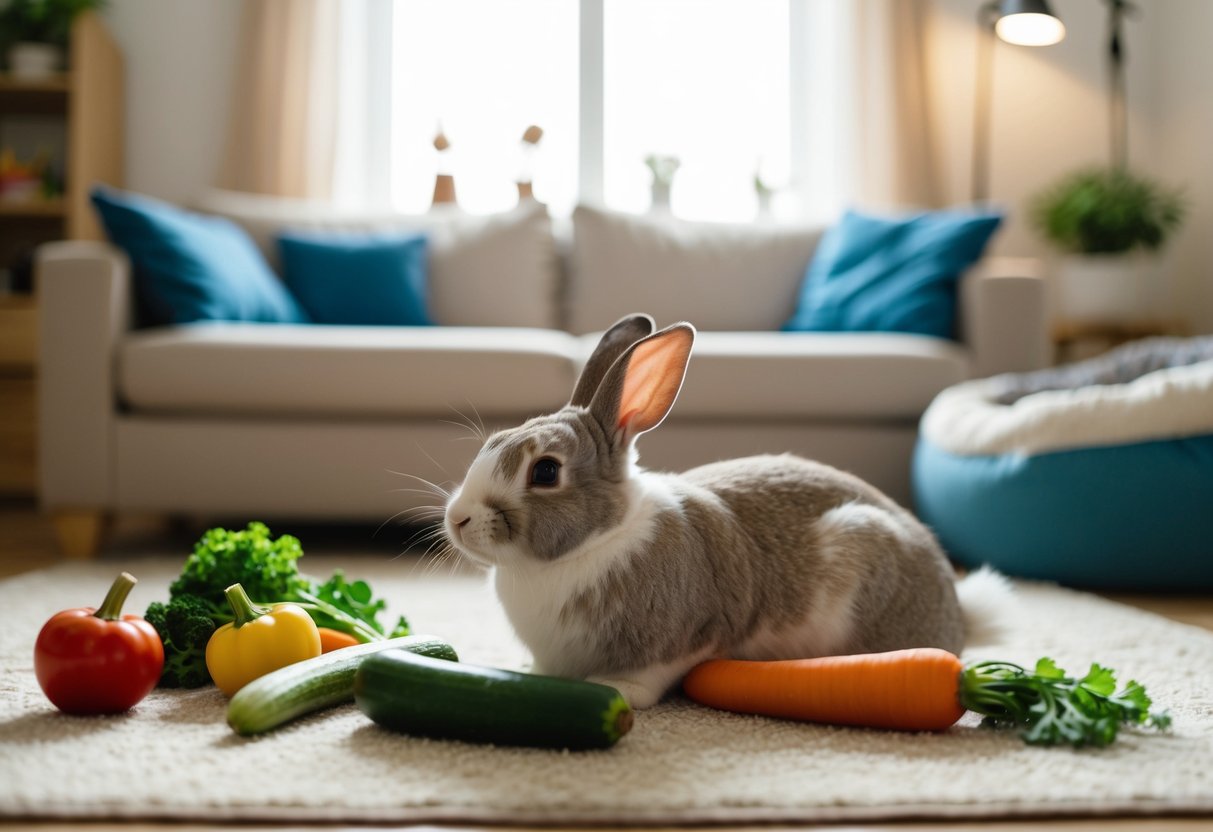
Indoor rabbits enjoy a safer environment, protected from predators and harsh weather conditions. With the right care, such as a balanced diet and regular vet visits, these playful companions can thrive in your home. Understanding their needs helps ensure a long and happy life.
Exploring how to care for indoor rabbits will not only benefit their health but also deepen your bond with them. By keeping them indoors, you’re not just providing a home; you’re giving them the gift of a longer, healthier life.
Understanding Rabbit Lifespan

Rabbits can live a long and healthy life with the right care. Their lifespan varies based on several key factors, including whether they are domestic or wild, their breed, and overall health.
Factors Affecting Rabbit Longevity
Several things influence how long your pet rabbit may live. Diet is one of the most important factors. A balanced diet rich in hay, fresh vegetables, and limited pellets can keep your rabbit healthy.
Exercise is crucial as well. Providing a safe space to hop around promotes physical activity, which helps prevent obesity and related health issues.
You should also consider the importance of vet care. Regular check-ups can catch health problems early.
Additionally, breeds can play a role. For example, dwarf rabbits typically have a lifespan of 8-12 years, while larger breeds like Flemish Giants may live slightly less. Keeping your rabbit spayed or neutered can also help extend their life by reducing the risk of certain diseases.
Domestic vs. Wild Rabbit Lifespan
Domestic rabbits generally live much longer than their wild counterparts. While wild rabbits face dangers from predators and harsh environments, domestic rabbits enjoy safety in your home. They can typically live for 8 to 12 years, with some even reaching 14 or 16 years when well cared for.
Wild rabbits usually have a lifespan of just 1 to 3 years due to predators and environmental threats. Your pet rabbit’s health also influences their longevity. Keeping them indoors can protect them from dangers and provide a more controlled environment.
To improve your rabbit’s life, ensure they get enough social interaction and mental stimulation. Boredom can lead to stress and health problems. Focused care can help you enjoy many happy years with your rabbit friend.
Health and Veterinary Care

Taking care of your indoor rabbit involves staying on top of their health needs. Regular veterinary care, awareness of common health issues, and understanding the benefits of spaying and neutering are essential for your rabbit’s well-being.
Importance of Regular Veterinary Check-Ups
Regular veterinary check-ups are crucial for maintaining your rabbit’s health. These visits help catch any potential issues early on before they become serious.
During a check-up, the vet will perform a physical examination and may recommend vaccinations. They will also discuss your rabbit’s diet and behavior, providing you with helpful tips.
It’s recommended to take your rabbit to the vet at least once a year. For older rabbits or those with health concerns, more frequent visits might be necessary. Keeping your rabbit updated on their health can lead to a longer, happier life.
Common Health Issues in Rabbits
Rabbits can face various health issues, and being aware of these can help you react promptly. Some common problems include dental disease, obesity, and gastrointestinal issues.
Dental disease can occur from a lack of proper chewing materials, leading to overgrown teeth. Providing hay and chew toys can help prevent this.
Obesity can result from a poor diet and too little exercise. Make sure your rabbit has a balanced diet and plenty of space to hop around.
Lastly, keep an eye out for signs of gastrointestinal stasis, which can be life-threatening. Symptoms include a lack of appetite and reduced fecal output. If you notice these signs, contact your vet right away.
Benefits of Spaying and Neutering Rabbits
Spaying and neutering have numerous benefits for your rabbit’s health. Neutered rabbits often have a lower risk of certain cancers and can live longer, healthier lives.
For female rabbits, spaying helps prevent uterine cancer, a common issue. Neutering male rabbits reduces the risk of testicular cancer and can minimize aggressive behaviors.
These procedures can also improve your rabbit’s behavior. Neutered males are usually less territorial and may have calmer temperaments.
Additionally, spaying and neutering can help control the rabbit population, which is crucial for reducing the number of unwanted pets in shelters. It’s a responsible choice for any rabbit owner.
Habitat and Diet Considerations
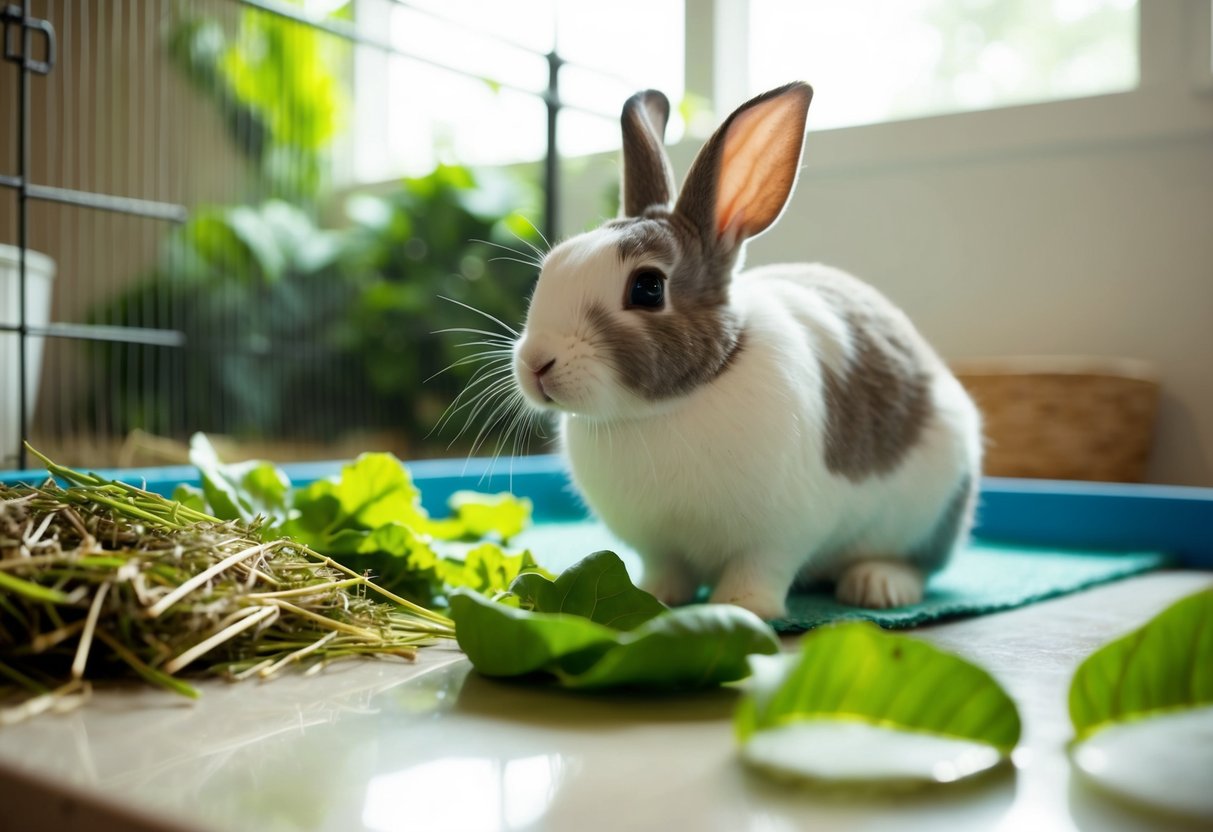
Providing a safe indoor environment and a balanced diet is crucial for your rabbit’s well-being. These factors greatly contribute to a longer, happier life for your pet.
Creating a Safe Indoor Environment
To keep your indoor rabbit happy, you need to create a comfortable and secure space. Start by choosing a quiet area away from loud noises. Make sure your rabbit has a cozy place to rest.
You should use a rabbit-proof setup by removing hazards like electrical cords and small objects that could be swallowed. Include toys for mental stimulation and exercise.
Using a large, safe enclosure is important. It allows your rabbit to move freely while keeping them safe from potential dangers around the house.
Outdoor Rabbits vs. Indoor Rabbits
Another key factor in your rabbit’s longevity is whether they live indoors or outdoors. Indoor rabbits have a higher chance of living longer than outdoor ones. Outdoor rabbits face many dangers, such as predators, harsh weather, and traffic.
A study shows that indoor rabbits can live between 8 to 12 years, while outdoor rabbits often live less than three years. This difference is mainly due to safety and care options. Indoor settings can offer better protection and veterinary access, which are vital for good health.
Optimal Diet for Indoor Rabbits
Feeding your indoor rabbit a balanced diet is essential for their health. Their diet should consist of high-fiber hay. A great option is Timothy hay, and it should make up the bulk of their meals.
You can also provide fresh vegetables daily. Leafy greens like romaine lettuce and cilantro are popular choices. However, limit pellets, as they are high in calories and can lead to obesity.
Make sure to avoid harmful foods like chocolate and iceberg lettuce. Always provide fresh water to keep your rabbit hydrated. A proper diet can help prevent health issues, ensuring your rabbit lives a long, healthy life.


