
If you’re a rabbit owner, you might wonder, rabbits thrive on a diet rich in hay, fresh vegetables, and a small amount of pellets. Understanding what your bunny eats is key to keeping it healthy and happy. The right nutrition can make a big difference in your rabbit’s life.

Rabbits are herbivores, which means they mostly eat plants. They need a variety of foods to get essential nutrients. You can offer them leafy greens, limited fruits, and hay, which is the cornerstone of their diet. Knowing what foods are safe and healthy will help you create a balanced meal plan for your furry friend.
By providing the right foods, you can ensure your rabbit stays fit and energetic. This guide will break down what rabbits can eat and what to avoid, so you can keep your pet healthy and satisfied. Get ready to learn all about the best foods for your bunny!
Understanding Rabbit Diets
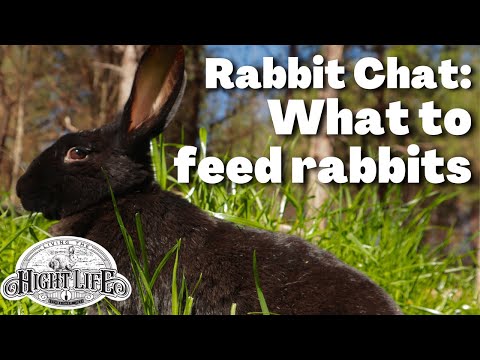
A rabbit’s diet is essential for its health and happiness. As herbivores, rabbits need a balanced mix of hay, fresh greens, and occasional fruits to support their sensitive digestive systems.
The Importance of Hay
Hay is the cornerstone of your rabbit’s diet. It provides the necessary fiber that helps maintain a healthy digestive system.
Adult rabbits should primarily eat grass hay, such as Timothy hay, which is high in fiber and low in protein. Other options like alfalfa hay are suitable for young bunnies but should be limited for adults due to their higher protein and sugar content.
Regular access to hay encourages your rabbit to chew, which helps keep their teeth healthy and prevents dental issues. Make sure to provide fresh hay daily for optimal health.
Fresh Greens and Vegetables
Fresh greens and vegetables should make up a significant part of your rabbit’s daily diet. Offer a variety like romaine lettuce, parsley, and spinach to give them different nutrients.
Other excellent choices include mustard greens, endive, and dandelion greens. These leafy greens are low in sugar and packed with vitamins.
Introduce new vegetables slowly to prevent digestive upset.
Avoid high-sugar options like iceberg lettuce, as they can be harmful. Aim for 1 to 2 cups of mixed greens daily, depending on your rabbit’s size.
Fruits as Treats
Fruits can be given as occasional treats but should be offered in moderation. Your rabbit will likely enjoy sweet options such as apple, pear, and peach.
You can also use berries like blackberries and blueberries or tropical fruits like papaya.
Keep in mind that fruits contain sugar. Therefore, providing just a small piece once or twice a week is best. Ensure you avoid items like grapes or high-sugar fruits that can upset their delicate digestion.
Treat fruits as a fun addition to keep your rabbit engaged and happy.
Pellets and Nutrition

When caring for your rabbit, choosing the right pellets is essential for their health. The right balance of nutrients ensures your bunny stays happy and active. Let’s explore what makes a good pellet and how to meet their nutritional needs.
Balanced Pellet Feeding
Feeding your rabbit the right amount of pellets is important for their health. Generally, adult rabbits should get about 1/4 cup of pellets per 5 pounds of body weight each day.
For young rabbits under 1 year, you can choose alfalfa pellets to support their growth.
Aim for pellets that are high in fiber and low in calcium, especially for adult rabbits. Too much calcium can lead to urinary problems.
Look for rabbit pellets that contain a good mix of vitamins and protein to promote overall health.
Providing fresh hay alongside pellets ensures a balanced diet. It helps with digestion and keeps teeth healthy. Regularly check your rabbit’s weight and adjust the pellet amount as needed.
Understanding Nutritional Needs
Rabbits have special dietary needs that change with age and health. Their diet should be rich in fiber and low in fat. High-fiber foods, like hay, should make up the majority of their diet. This keeps their digestive system working well.
Young rabbits need extra nutrition, particularly from alfalfa, as it is rich in protein. As they grow, switch to a timothy hay base for adult rabbits.
Make sure their pellets contain sufficient nutrients, such as vitamins and minerals.
Monitoring your rabbit’s health is also vital. If your rabbit is overweight, consider reducing pellets temporarily. If they are recovering from illness, they may need more calorie-dense foods. Always consult a vet for tailored advice.
Safe and Unsafe Foods

When caring for rabbits, it’s essential to know which foods are safe and which can be harmful. A balanced diet requires fresh vegetables, hay, and other nutritious options while avoiding certain foods that may cause health issues.
Foods to Include
Your rabbit will thrive on a diet rich in fresh vegetables and hay. Leafy greens are a great choice, including collard greens, turnip greens, and radicchio. These provide vital nutrients and fiber.
You can also offer bell peppers and celery for variety. They are tasty and packed with vitamins. Many rabbits enjoy green beans and carrot tops as occasional treats. You should prioritize hay, like timothy hay, as it offers essential fiber.
Add some herbs safely, such as parsley and cilantro. They enhance your rabbit’s meals while being nutritious. Lastly, please remember to wash all vegetables well to remove any pesticides.
Foods to Avoid
It’s crucial to keep certain foods away from your rabbit. Avoid feeding them iceberg lettuce, as it has little nutritional value and can cause digestive issues.
Cabbage and cauliflower can lead to gas and bloating, so it’s best to skip those.
Foods like beans, corn, and peas are high in starch and can upset your rabbit’s stomach. They should not be part of your rabbit’s diet.
It’s also essential to avoid any chocolate, which is toxic to rabbits. Lastly, steer clear of potatoes and any plant leaves that are not known to be safe. Always research before introducing new foods to ensure your rabbit stays healthy.
Hydration and Water

Keeping your rabbit hydrated is very important for their health. Fresh water should always be available to your bunny.
Rabbits drink a lot of water daily. An adult rabbit may need up to 400 ml of water each day. Make sure you provide enough for them!
Tips for Providing Fresh Water:
- Change the water daily: Changing it daily keeps it fresh and clean.
- Use a heavy bowl: A sturdy bowl stops spills.
- Check for cleanliness: Rinse the bowl regularly to avoid bacteria.
If you notice your rabbit is not drinking enough water, it can lead to dehydration. Signs to watch for include:
- Dry gums
- Lethargy
- Loss of appetite
Incorporating watery vegetables can help. Foods like watermelon, broccoli, and lettuce can boost their hydration. These foods not only provide water but also important nutrients.
Always monitor how much water your rabbit drinks. If concerns arise, it’s best to consult a veterinarian.


