
Rabbits can be charming and loving companions. If you’re considering adding a pet to your home, you might wonder, rabbits can make excellent indoor pets when given proper care and attention. Their playful nature and unique personalities can brighten your day and give you the affection many pet owners seek.
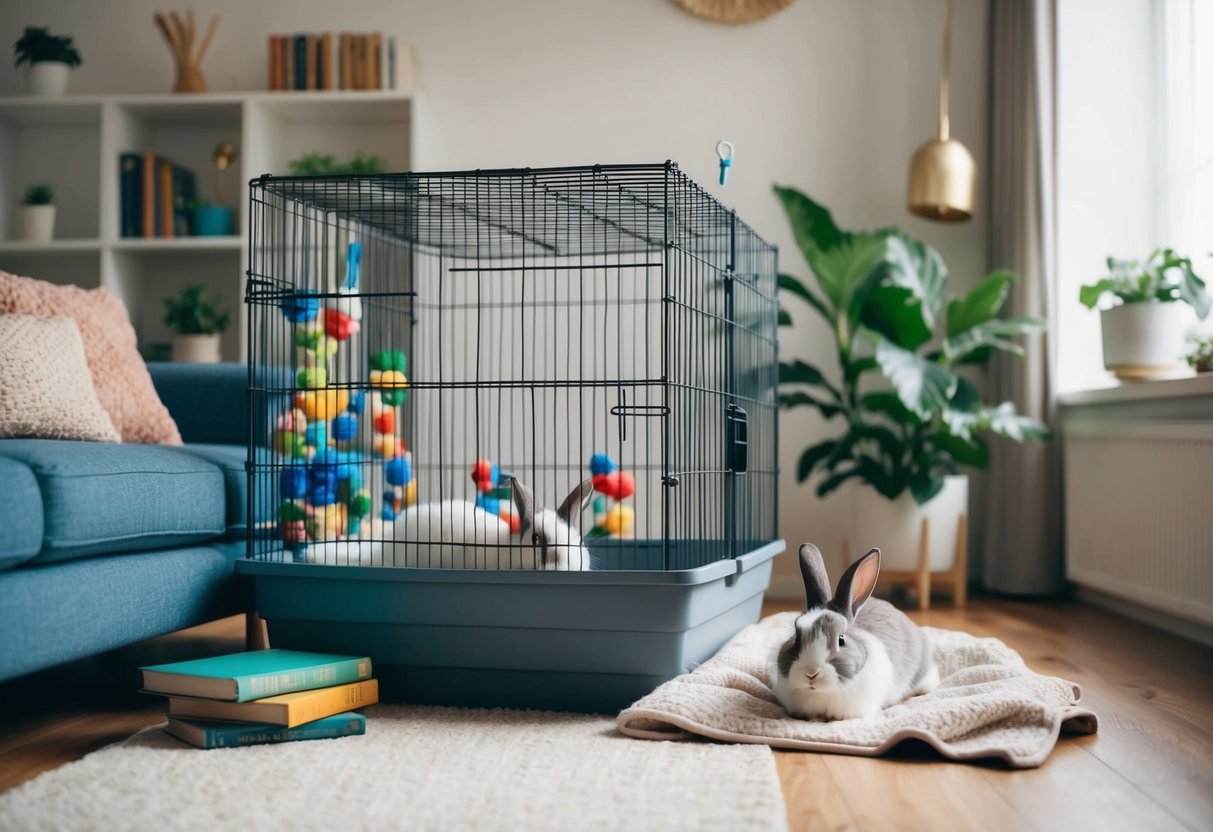
These small animals are often described as social and affectionate, making them great friends for families and individuals alike. They do need attention and space to hop around, but with the right setup, they can thrive indoors. Many rabbit owners find joy in bonding with their pets in a home environment.
Before bringing a rabbit into your home, it’s good to know their needs and behaviors. Understanding what it takes to care for a rabbit will help you decide if this fluffy friend is a good fit for your lifestyle.
Understanding Rabbits as Pets

Rabbits can be delightful indoor pets, known for their gentle nature and friendly personalities. They require special care and attention to thrive, making it important to understand their behavior and the various breeds available.
Behavior and Temperament
Rabbits are social animals that thrive on companionship. They enjoy interacting with people and other pets. Keeping your rabbit well-socialized will help it become a friendly and playful member of your family.
These gentle creatures often display unique personalities. For example, some rabbits, like the Rex rabbit, are known for being particularly affectionate and mellow. Meanwhile, Mini Lops tend to be curious and playful, making them great companions.
It’s essential to provide enough mental and physical stimulation for indoor rabbits. This includes toys, space to hop around, and regular interaction. When properly cared for, rabbits can be wonderfully engaging pets.
Popular Rabbit Breeds
When choosing a pet rabbit, it’s good to know about different breeds. Some of the popular indoor rabbit breeds include Mini Lops and Rex rabbits. Each breed has its own charm and care needs.
Mini Lops are compact and friendly, often making them great for families. Meanwhile, Rex rabbits are recognized for their soft fur and calm demeanor. Both breeds are known for being gentle, making them ideal indoor pets.
Consider the space you have available, as some rabbits may need more room to roam. Ensuring you pick a breed that matches your lifestyle will lead to a happier and healthier pet experience.
Creating a Safe Indoor Environment

Ensuring your indoor rabbit has a safe and comfortable space is essential for their well-being. By rabbit-proofing your home and choosing the right cage, you can create an environment where your furry friend can thrive.
Essentials of Rabbit-Proofing
To start rabbit-proofing your home, identify areas where your rabbit may roam. Check for hazards like exposed wires, toxic plants, or small objects that can be swallowed.
Here are some key steps:
- Cover Wires: Use cord protectors or hide wires to prevent chewing.
- Remove Toxic Plants: Research and remove any plants that are harmful to rabbits.
- Bunny Barriers: Block off rooms or areas using baby gates to keep your rabbit safe from dangerous spaces.
Remember, rabbits love to chew, so you need to be proactive in securing your environment. Regularly inspect and adjust your space as needed.
Choosing the Right Rabbit Cage
Selecting the right cage is vital for your indoor rabbit’s happiness. Look for a cage that is spacious enough for them to hop around comfortably. The minimum size recommended is 30″ x 36″.
Consider these features for the cage:
- Height: The cage should allow your rabbit to stand on their hind legs without hitting the top.
- Material: Choose a cage with chew-proof materials for durability.
- Ventilation: Make sure there are adequate air holes for ventilation.
Add bedding, a litter box, and toys to enhance their space. A well-chosen cage not only keeps your rabbit secure but also offers a cozy retreat.
Daily Care and Maintenance

Caring for your indoor rabbit involves meeting their specific needs for a balanced diet and regular exercise. Paying attention to these areas helps keep your bunny healthy and happy.
Feeding Your Rabbit
A proper diet is crucial for your rabbit’s health. You should focus on providing fresh hay, which is the main part of their diet. Timothy hay is a great option because it offers necessary fiber.
Along with hay, include a small amount of fresh vegetables daily. Some good choices are romaine lettuce, kale, and bell peppers. Always wash veggies thoroughly before serving.
Don’t forget to provide fresh water every day. A clean water bottle or bowl is essential. Avoid feeding your rabbit high-sugar foods, like fruits and pellets, too often. These can cause digestive issues.
Exercise and Playtime
Daily exercise is important to keep your rabbit active and mentally stimulated. Aim for at least 3 hours of playtime outside their cage each day.
Setting up a safe play area can promote exploration and fun. Consider teaching your rabbit some simple tricks, too. They can learn to hop through hoops or fetch small items, which promotes bonding and keeps their minds engaged.
Make sure your bunny has plenty of safe toys, like tunnels or chew items. Rotate toys regularly to keep things interesting. Proper exercise helps prevent obesity and encourages natural behaviors.
The Commitment of Rabbit Ownership
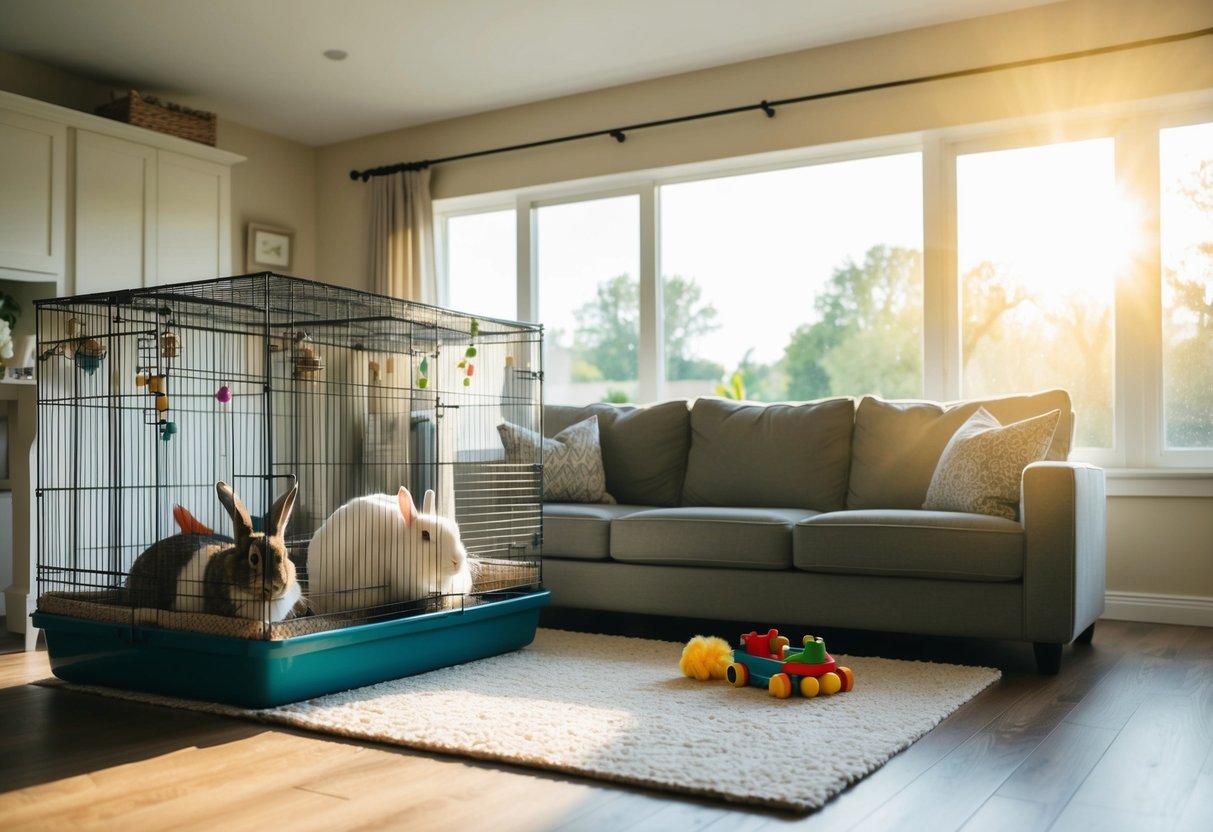
Bringing a rabbit into your home is a big decision. These furry friends require a lot of care and attention.
First, consider the time you need to dedicate. Rabbits need daily interaction and exercise. You should plan to spend at least a couple of hours each day with them.
Next, think about the space. While rabbits don’t need huge areas, they do require a safe and comfortable environment. Make sure you have room for a play area and a cozy spot where they can rest.
Financial Responsibility
Here are some costs to keep in mind:
- Food: A proper diet includes hay, fresh vegetables, and pellets.
- Supplies: You’ll need a suitable cage, toys, and bedding.
- Veterinary Care: Regular check-ups and vaccinations are important.
Rabbits can live up to 10 years or more. This means you are committing to care for your pet for a long time.
Think about your lifestyle. If you travel often or work long hours, a rabbit may not be the best fit.
Lastly, keep in mind that rabbits can have unique personalities. They can be shy or playful, which means patience is key. Be ready to bond and build trust over time.


