
Rabbits are adorable pets that enjoy a variety of treats. As a rabbit owner, you might wonder if you can share some of your favorite fruits with your furry friend. Yes, rabbits can eat apples, but there are some important things to keep in mind.
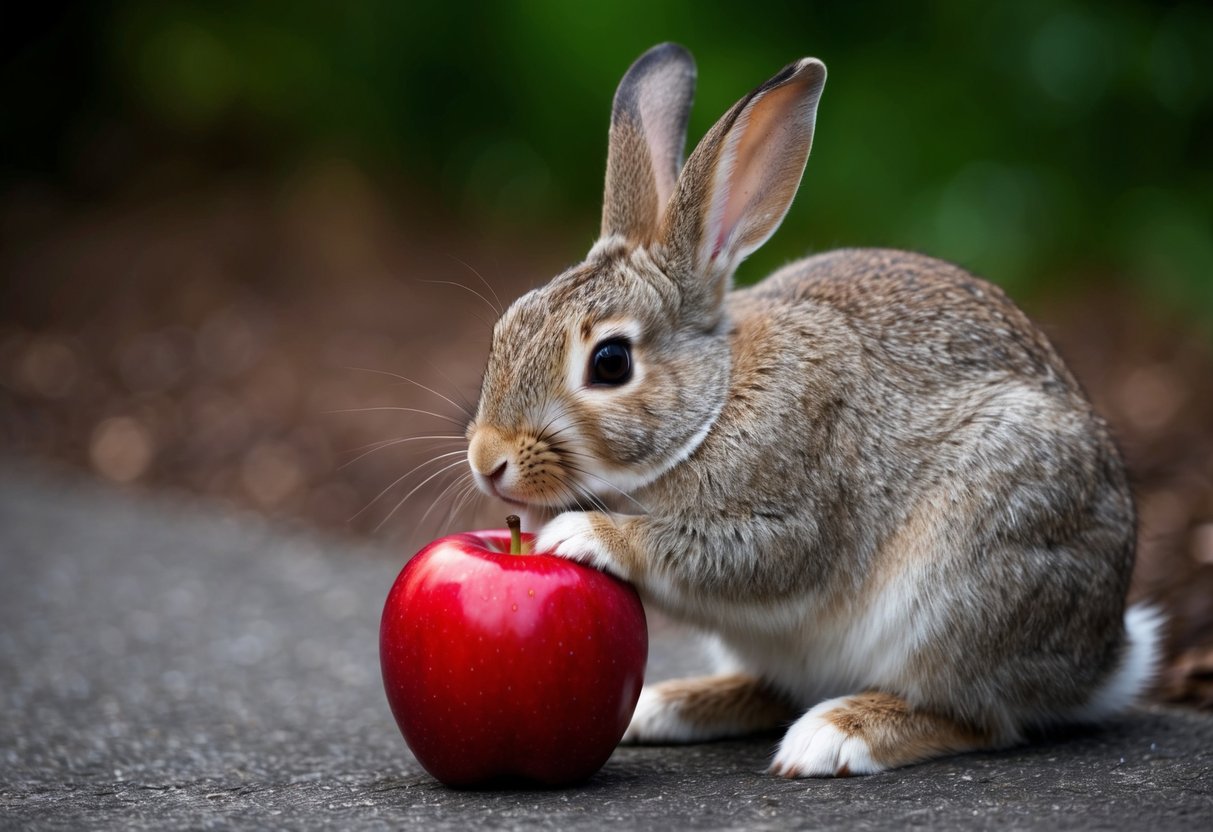
Apples are a tasty and safe treat for your rabbit, but moderation is key. You should avoid giving them too much, as apples are high in sugar.
Knowing how to prepare apples and what parts of the fruit are safe can help keep your rabbit healthy.
Ready to learn more about the best ways to feed your rabbit apples? You’ll find tips on the types of apples to choose and how often to treat your pet to this sweet fruit!
Understanding Rabbit Nutrition

Rabbit nutrition is essential for keeping your pet healthy. A balanced diet mainly consists of hay and leafy greens. It’s also crucial to know which treats, like fruits, can safely fit into their diet.
The Importance of Hay and Greens
Hay should make up most of your rabbit’s diet. It provides the necessary fiber that helps their digestive system work properly.
Grass hay, such as timothy, is a great choice.
Leafy greens are also important. You can offer romaine lettuce, cilantro, or parsley. These greens offer vitamins and minerals. Just be cautious with starchy vegetables as they should only be given in small amounts.
A diet rich in fiber from hay and greens contributes to dental health. Chewing hay helps wear down your rabbit’s teeth, which grow continuously.
Safe Treats for a Balanced Diet
Fruits like apples can be a fun treat for your rabbit but should only be given in moderation. They should not make up more than 10% of your rabbit’s daily intake.
Other safe treats include small amounts of veggies such as bell peppers or carrots. These add variety to their diet and offer essential nutrients without excessive sugar.
Always remove seeds and stems from fruits to prevent potential health issues. Keep treats limited to a few times a week. This approach helps maintain a balanced diet while keeping your bunny happy and healthy.
Can Rabbits Have Apples?

Yes, rabbits can enjoy apples as a tasty treat! However, it’s important to be aware of the right way to introduce this fruit into their diet. Let’s look at the nutritional content of apples and how to feed them safely to your furry friend.
The Nutritional Content of Apples
Apples are not only delicious but also packed with nutrients. They contain vitamin C, which is great for a rabbit’s immune system.
Apples are also a source of vitamin A, important for eye health.
Additionally, apples are rich in potassium, which supports heart function and helps regulate blood pressure.
However, apples do have sugar content, so moderation is key. Feeding too much can lead to health issues like obesity.
Each medium-sized apple has about 20 grams of sugar, so stick to small portions for your bunny. Organic apples can be a healthier choice since they are free from harmful pesticides.
Feeding Apples to Rabbits Safely
When introducing apples to your rabbit, you should start slow. It’s best to feed a small piece, like half of a small apple, once a week.
Remove the seeds and core, as they may not be safe for your pet.
Monitor how your rabbit reacts. If they have a digestive upset, stop giving apples immediately.
You can try different apple varieties, like Gala or Fuji, to see which your rabbit likes best. Always wash apples well to remove any residual chemicals.
Remember, fruits like apples should be a treat, not a main part of your rabbit’s diet, which should primarily consist of hay and veggies. Keeping treats like apples to a minimum will help maintain your rabbit’s health.
Potential Risks and How to Avoid Them

When feeding apples to your rabbit, it’s essential to be aware of certain risks. Taking precautions can help ensure your bunny enjoys this treat safely.
Dangers of Pesticides and Chemicals
Apples often contain pesticides and chemicals that can be harmful to your rabbit’s health. These substances are used to protect crops but might leave residues on the fruit.
To keep your pet safe, always choose organic apples when possible. If organic options aren’t available, wash your apples thoroughly under running water. This helps remove surface pesticides and dirt.
Peeling the apple can also help reduce chemical exposure. Just be sure to offer the flesh, as the skin has some nutrients. Avoid giving your rabbit apples from unknown sources where pesticides may not be monitored.
Apple Seeds and Cyanide Risk
Apple seeds contain a substance called cyanogenic glycosides, which can release cyanide when digested. While a few seeds may not cause immediate harm, it’s best to avoid any seeds altogether to be safe.
When preparing apples for your rabbit, always remove the seeds and the core before feeding. The seeds can be toxic in larger amounts, and the core poses a choking hazard.
Stick to providing small, manageable pieces of apple that are easy for your bunny to eat. This ensures your rabbit enjoys the fruit without the risks associated with seeds or cores.
Incorporating Apples into Your Rabbit’s Diet

Adding apples to your rabbit’s diet can be a delightful treat when done with care. You’ll want to focus on how much to give, how often, and the best ways to prepare these fruit snacks for your furry friend.
How Much and How Often
When feeding apples to your rabbit, moderation is key. Too much can upset their digestive system.
A good rule of thumb is to offer 1-2 tablespoons of apple per 5 pounds of your rabbit’s body weight. For smaller rabbits, a small slice is sufficient, while larger breeds may enjoy a bit more.
Try to feed apples only once or twice a week. This helps maintain a balanced diet that is high in fiber. The main part of your rabbit’s diet should be hay and leafy greens. Apples should be a fun treat, not a main course.
Selecting and Preparing Apple Treats
Choosing the right apples is important. Varieties like Red Delicious, Gala, and Honeycrisp are safe and popular options.
Always wash the apple thoroughly to remove any pesticides.
When preparing the treat, remove the seeds and core, as they can be harmful. Cut the apple into small, manageable pieces to ensure your rabbit can easily eat them.
You can offer the flesh and skin, but always start with just a little bit to see how your rabbit reacts to this new food.
By introducing apples slowly, you can watch for any signs of digestive upset.


