
As a rabbit owner, noticing changes in your pet’s behavior can be concerning. You can identify if your rabbit is in pain by watching for signs like reduced activity, changes in appetite, and unusual postures. Rabbits often hide their discomfort, making it crucial for you to be observant.
Look for physical signs such as a hunched posture, half-closed eyes, or signs of injury like limping. Another important aspect is monitoring their breathing, as rapid or heavy breathing may indicate distress.
Rabbits often hide their discomfort, making it crucial for you to be observant.
Understanding these signs will not only help you keep your rabbit comfortable but also guide you in seeking veterinary care when needed. Being attentive can make a big difference in your furry friend’s health and happiness.
Recognizing the Signs of Pain in Rabbits
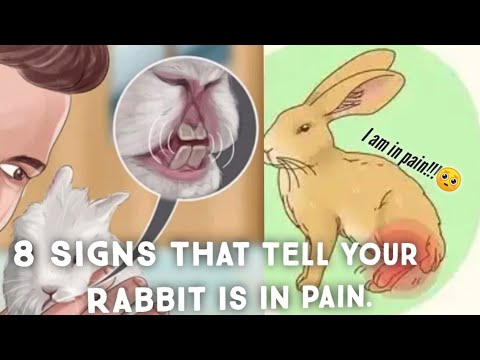
It’s important to be attentive to your rabbit’s behavior and physical condition. Recognizing signs of pain can help you provide timely care and support for your pet.
Physical Indicators
When a rabbit is in pain, you might notice several physical indicators. One common sign is a hunched posture, where your rabbit appears to be curled up or tensed. This position often means they are trying to protect themselves from discomfort.
Grinding teeth is another signal to watch for. Unlike normal grooming, this sound usually signifies distress or pain.
Additionally, look for decreased appetite. If your rabbit is suddenly eating less or ignoring favorite foods, something may be wrong.
Lastly, check for changes in mobility. If your rabbit is slower to move or struggles to hop, this might indicate that they are feeling unwell.
Behavioral Shifts
Behavioral changes are also key signs of pain. You might notice lethargy, where your rabbit is less active than usual. This could mean they are feeling unwell and need a vet’s check.
Another sign is restlessness or anxiety. If your rabbit is pacing or seems unusually agitated, it may be an expression of discomfort.
Pay attention to grooming habits as well. A rabbit in pain might stop grooming itself properly, leading to a disheveled appearance. These behaviors can offer clues about your rabbit’s overall health.
Understanding Rabbit Pain and Its Causes

Recognizing pain in your rabbit is crucial for their health and well-being. Several factors can lead to pain, including health issues and diet. Understanding these can help you take better care of your furry friend.
Common Health Issues
Rabbits can experience pain due to various health problems. Some common causes include:
- Dental Issues: Rabbits often suffer from dental diseases which can lead to pain and discomfort. Watch for signs like drooling or difficulty eating.
- Gastrointestinal Stasis: If your rabbit’s digestive system slows down, it can lead to bloating and pain. Symptoms include a decrease in appetite and weight loss.
- Arthritis: Chronic pain can stem from arthritis, especially in older rabbits. Look for decreased activity or limping.
- Injuries: Injuries from play or accidents can cause sudden pain. If you notice your rabbit being more withdrawn, it could be in pain.
Each of these issues needs prompt attention from a veterinarian to manage pain effectively.
The Impact of Diet
What your rabbit eats plays a vital role in their health. A poor diet can lead to painful conditions.
- Fiber Needs: A diet low in fiber can cause gastrointestinal problems. Make sure your rabbit has access to plenty of hay to maintain a healthy gut.
- Nutrient Balance: A lack of specific nutrients can weaken your rabbit’s health, making them more prone to pain. Consult with a vet to ensure a balanced diet.
- Decreased Appetite: If your rabbit is not eating as much as usual, it may indicate pain. Monitor changes in eating habits closely, as this can lead to weight loss and further health issues.
Paying attention to your rabbit’s diet can help prevent painful conditions and keep them happy and healthy.
Approaches to Pain Management for Rabbits

Managing pain in rabbits can involve both medical interventions and home care strategies. Understanding these options can help you provide the best care for your furry friend.
Medical Interventions
If your rabbit shows signs of pain, a vet should check them. Vets often prescribe medications to manage pain effectively. Common options include:
- Non-steroidal anti-inflammatory drugs (NSAIDs): These help reduce pain and inflammation.
- Opioids: For severe pain, these might be recommended, but they require careful monitoring.
Your vet may also suggest treatments like acupuncture or physical therapy. Specialized pain management clinics are becoming more available for rabbits. These clinics can offer tailored options for your pet’s needs.
Always consult with your veterinarian before starting any treatment plan. They will guide you based on your rabbit’s specific condition.
Home Care Strategies
You can assist with pain management at home. Start by observing your rabbit closely. Look for changes in grooming habits. Reduced grooming can be a sign of discomfort.
Consider the following strategies:
- Comfortable Environment: Ensure your rabbit has a quiet and cozy space. A soft bed can help them rest better.
- Gentle Handling: When you interact with your rabbit, be soft and calm. Avoid putting pressure on painful areas.
- Dietary Changes: Encouraging eating can help prevent issues related to pain and digestive health.
Keep an eye on their eating habits and water intake. If you notice any changes, contact your vet right away. Your attention can make a big difference in your rabbit’s well-being.


