
If you’re considering adding a furry friend to your family, you might want to think about a rabbit. Bunnies can be wonderful pets because they are social, affectionate, and have unique personalities that can bring joy to your home. They don’t require a lot of space and can thrive in smaller living environments, making them perfect for apartments or cozy homes.
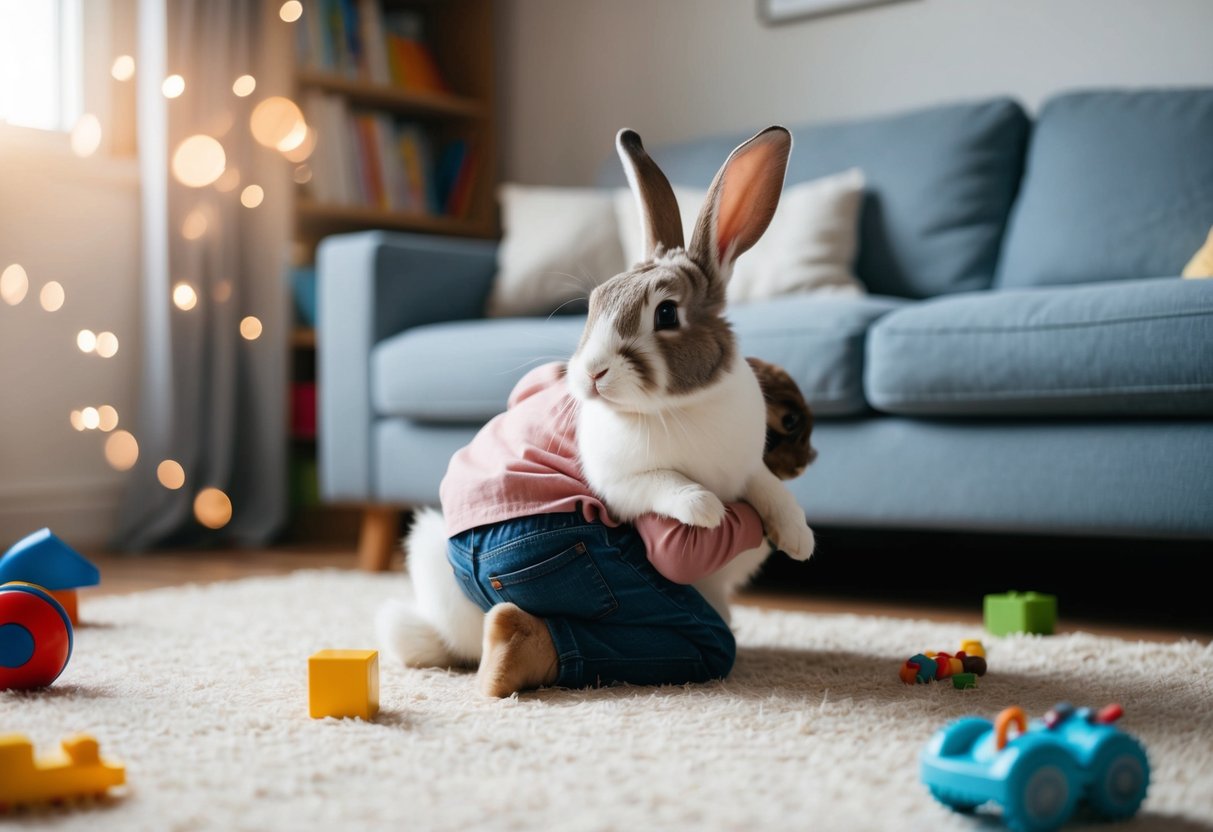
Taking care of a pet rabbit can be easier than you might think. With a bit of love and attention, these adorable creatures can form strong bonds with you. They often enjoy hopping around, playing with toys, and being part of family activities. When you learn to read their body language, you’ll understand just how much they communicate and interact with you.
If you’re looking for a companion that offers personality and charm, a pet rabbit could be the perfect fit. With the right care, bunnies can enrich your life and become a cherished member of your family.
Benefits of Having a Bunny as a Pet

Bunnies can bring joy and companionship to your home. They are known for their gentle nature and cleanliness, making them great pets for different lifestyles.
Companionship and Bonding
Having a bunny as a pet can offer you a unique and loving connection. Bunnies form strong bonds with their owners. They display affection through gentle nudges and soft nuzzles.
They enjoy spending time with you, whether it’s lounging on the couch or playing games. You might find your bunny snuggling up beside you, creating a warm atmosphere in your home.
Being with a bunny can also help reduce stress. Watching them hop and play can be very soothing. This companionship can be especially beneficial if you live alone or feel lonely.
Bunnies are Quiet and Clean Animals
One of the best things about bunnies is that they are quiet pets. They don’t bark or make loud noises, which can make them perfect for apartment living or shared spaces.
Bunnies are also known to be clean animals. They groom themselves regularly, keeping their fur neat. This means less odor and fewer hygiene concerns for you.
Training your bunny to use a litter box is possible and makes keeping your space tidy easier. With a bit of patience, you can teach them where to go. This will help maintain a clean area while ensuring your bunny stays comfortable.
Understanding Rabbit Behavior

Rabbits are not just cute pets; they also have unique behaviors that showcase their personalities. Knowing how your rabbit acts can help you understand their needs and strengthen your bond.
Binkies and Playfulness
One of the most joyful behaviors rabbits display is the binky. This is when your rabbit jumps into the air and twists their body, often showing pure excitement. It’s a sign that your bunny feels safe and happy in their environment.
You might notice your rabbit doing a series of quick jumps known as the Bunny 500. During these moments, they zoom around in circles. Engaging with your rabbit during playtime encourages this lively behavior. Providing toys and space to hop around helps keep your rabbit active and entertained.
Rabbit Communication and Social Interaction
Rabbits communicate in various ways. You’ll notice they thump their back feet when they feel threatened or scared. This is a warning to other rabbits. Additionally, grooming is a big part of how they show affection. When your bunny licks you, it’s their way of bonding.
Listening to your rabbit’s sounds is also essential. A soft purr-like noise means they are content, while growling indicates they might be upset. Allowing your rabbit time with you and creating a safe space promotes happy social interaction. Understanding these signals can enhance your experience as a rabbit owner.
Rabbit Care and Maintenance

Taking care of a bunny involves regular feeding, a safe living environment, and health check-ups. Proper care helps ensure your rabbit is happy and healthy, making your pet experience enjoyable.
Feeding and Nutrition
To keep your rabbit healthy, provide a balanced diet. Hay should make up the bulk of their food, with fresh vegetables like kale and carrots offered daily. Aim for about one cup of veggies for every two pounds of your bunny’s weight.
You should limit pellets to a small amount since they are high in calories. Always provide fresh, clean water. Avoid giving your rabbit sugary foods or treats. A good diet helps maintain their digestive health, which is very important for clean pets like rabbits.
Housing and Rabbit-Proofing
Rabbits need a spacious and safe environment. A large enclosure is crucial, allowing room for them to hop around. Make sure it’s at least 4 feet long and 2 feet wide for small breeds.
Rabbit-proofing your home is also key. Remove or cover electrical cords, small objects, and toxic houseplants. Consider using baby gates to block off areas and keep them safe. Creating a bunny-safe room allows your pet to explore without danger. Remember to provide toys for mental stimulation.
Health and Veterinary Care
Regular vet visits every 6 to 12 months are essential for your rabbit’s health. Look for a vet who specializes in small animals. Vaccinations and spaying or neutering are important steps.
Monitor your pet for signs of illness, such as changes in eating habits or behavior. Good hygiene is crucial; keep their living space clean to prevent illness. Regular grooming helps reduce shedding and keeps their fur healthy. By staying proactive with health care, you’ll ensure your rabbit thrives.
Choosing the Right Rabbit

Selecting the right rabbit for your home is important for a happy pet experience. Understanding different rabbit breeds and knowing whether to adopt or buy can help you make the best choice.
Different Rabbit Breeds
There are many types of rabbits, each with unique traits. Understanding these breeds helps you find a bunny that matches your lifestyle.
-
Holland Lop: These small, friendly rabbits are great for families. Their cuddly nature makes them popular.
-
Netherland Dwarf: Smaller than most breeds, they are playful and energetic. They also adapt well to small spaces.
-
Mini Rex: Known for their soft fur, they are friendly and calm. This breed is perfect if you want a more relaxed bunny.
-
English Angora: With their fluffy coats, they require regular grooming. They are gentle and social, making great companions.
When considering a rabbit, think about your living space and the amount of time you can dedicate. Each breed has its needs.
Adopting vs. Buying a Bunny
You have the choice to adopt from shelters or buy from breeders. Each option offers different benefits.
Adoption: Shelters often have many rabbits looking for homes. You can find various breeds there, including different ages. When you adopt, you are saving a life and offering a bunny a second chance.
Buying: Purchasing from reputable breeders ensures you know the rabbit’s background. Breeders can provide health information and proper care guidance. However, this option can be more costly.
Consider which route works best for you. If you’re unsure, visiting local shelters can provide insight into what type of bunny you connect with best.


