
If you’re considering getting a pet rabbit, you may be wondering how long these adorable companions usually live. The average lifespan of a pet rabbit ranges from 5 to 12 years, with some living even longer with proper care. Unlike wild rabbits, which typically live only 1 to 2 years due to predators and disease, domestic rabbits benefit from a safer environment and loving homes.
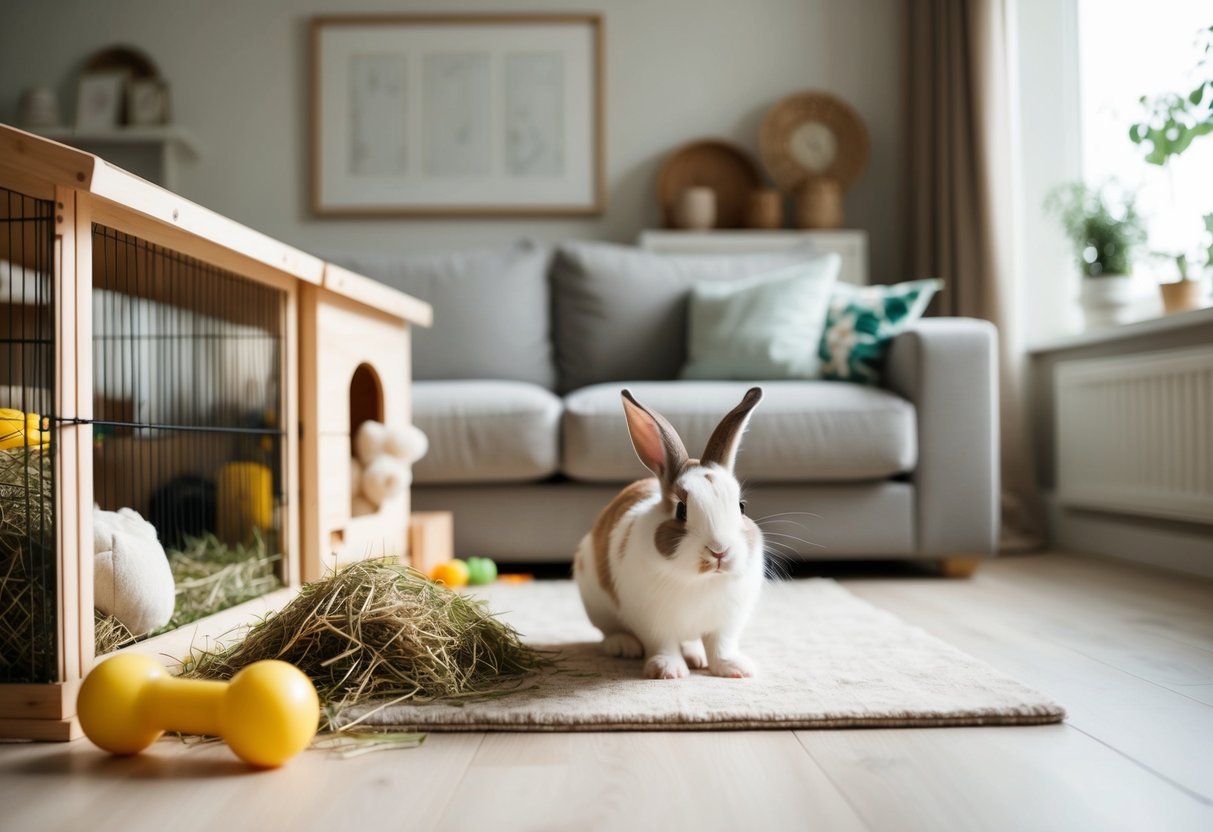
Understanding rabbit lifespan can help you prepare for the commitment of caring for these pets. Factors like breed, size, diet, and medical care play a big role in how long your rabbit will live.
For instance, smaller breeds often enjoy longer lives compared to larger ones. Equip yourself with this knowledge to ensure a happy and healthy life for your furry friend!
Understanding Rabbit Lifespan

Rabbit lifespan can vary significantly based on several factors. When considering keeping a rabbit as a pet, it’s essential to know what influences their longevity. Also, understanding the differences between wild and domestic rabbits helps paint a clearer picture of these adorable creatures.
Factors Influencing Rabbit Longevity
Several factors affect how long your pet rabbit may live. The breed is a significant factor. For instance, dwarf breeds tend to live longer than larger breeds.
Other important factors include:
- Diet: A balanced diet rich in hay, fresh veggies, and pellets promotes health.
- Housing: A clean, safe habitat reduces stress and potential health issues.
- Veterinary Care: Regular check-ups and vaccinations can catch health problems early.
- Social Interaction: Spending time with your rabbit helps them thrive emotionally.
By addressing these aspects, you can greatly improve your rabbit’s chances of living a full life.
Comparing Lifespans: Wild vs Domestic Rabbits
Wild rabbits often have shorter lives compared to domestic rabbits. They typically live 1 to 2 years due to predation and environmental hazards. On the other hand, average domestic rabbits live between 7 to 12 years, with some well-cared-for rabbits reaching up to 16 years.
In the wild, challenges like finding food and avoiding predators are constant threats. Domestic rabbits, free from these dangers, can live much longer—especially when provided with good care and proper nutrition.
Understanding these differences can help you appreciate the needs and care required for your pet rabbit.
The Role of Rabbit Breeds
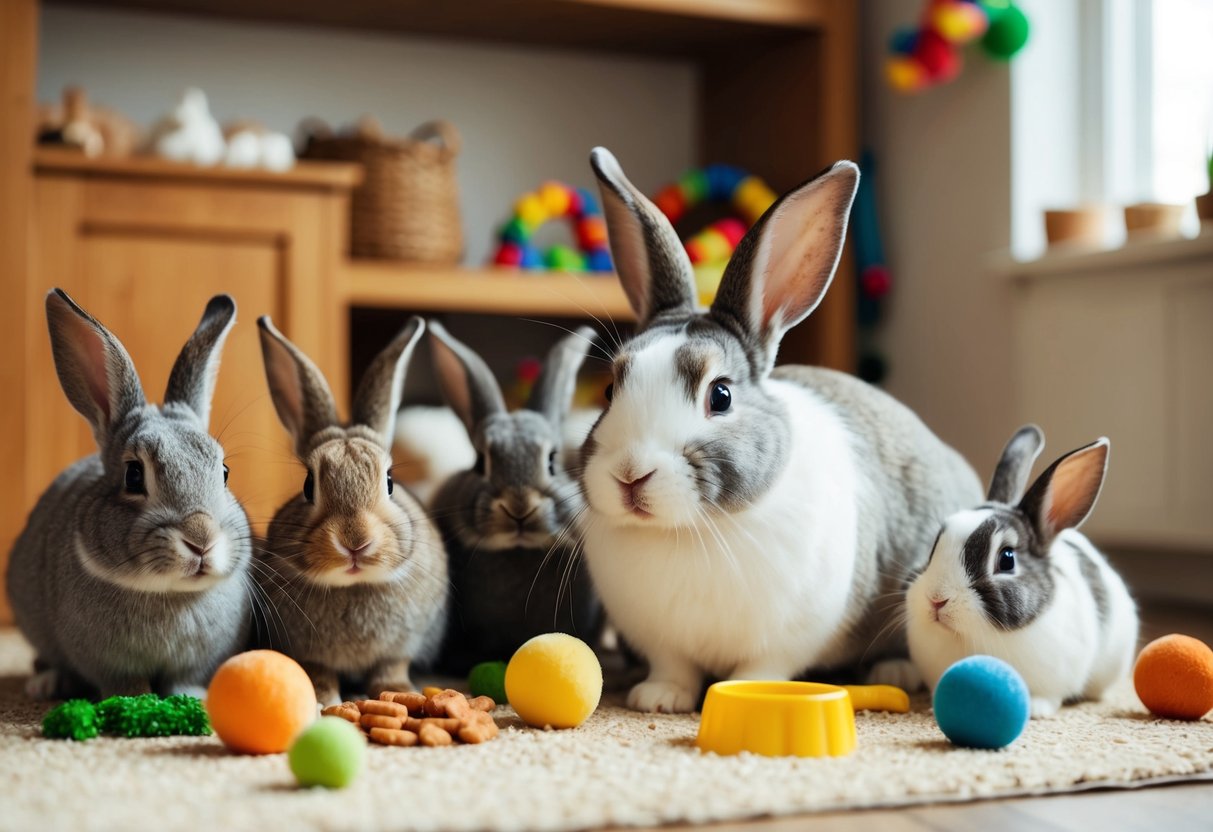
The breed of your pet rabbit can greatly affect its lifespan. Different breeds have unique traits and health considerations. Understanding these differences helps you choose the right rabbit for your home.
Popular Pet Rabbit Breeds
There are many rabbit breeds to consider when getting a pet rabbit. Some popular ones include:
- Netherland Dwarf: Small and friendly, they usually live around 10 years.
- Holland Lop: Known for their floppy ears, they also have a lifespan of about 7 to 10 years.
- Mini Rex: These rabbits are gentle and can live up to 12 years.
Each breed has its care requirements and health considerations. Smaller breeds, like the Netherland Dwarf, tend to have longer lifespans compared to larger breeds. Choosing the right breed can lead to a happy, healthy pet.
Dwarf Rabbits and Lifespan
Dwarf rabbits are especially popular because they are small and easy to manage. These rabbits often have fewer health issues than larger breeds.
For example, Mini Lops and Dwarf Hotot can live longer, usually between 8 to 10 years. Their manageable size also makes them ideal for families with children.
Providing proper care, including a balanced diet and regular veterinary visits, is key to ensuring they enjoy their maximum lifespan.
Lionhead Rabbits: A Case Study
Lionhead rabbits are unique due to their distinctive mane of fur. They are friendly and can adapt well to family life. Their average lifespan is about 7 to 10 years.
Lionheads generally have few serious health issues but are prone to dental problems. Regular check-ups and proper diet can help prevent these issues.
Their playful nature makes them fun companions. Creating an enriching environment helps keep your Lionhead rabbit healthy and happy.
Understanding the traits of different rabbit breeds can guide your choice and care for a pet rabbit.
Ensuring a Healthy Rabbit Lifestyle

Keeping your rabbit healthy is key to a long and happy life. A balanced diet, regular veterinary visits, and sufficient exercise help ensure your rabbit stays active and free from common illnesses.
Diet and Nutrition
A proper rabbit diet is essential for good health. Your rabbit needs a mix of hay, fresh vegetables, and pellets.
Hay should make up most of their diet as it provides necessary fiber. Fresh vegetables like romaine lettuce, bell peppers, and carrots can be served daily.
Avoid feeding rabbits sugary treats or starchy foods. Too many carbs can lead to obesity and other health issues.
It’s also important to provide fresh water daily to keep your rabbit hydrated. Consider introducing new foods gradually to avoid stomach issues. A balanced diet supports your rabbit’s digestive health and prevents common illnesses.
Importance of Regular Veterinary Check-Ups
Regular check-ups with a veterinarian who specializes in small animals can help keep your rabbit healthy. These visits allow the vet to monitor your rabbit’s health and identify potential issues early.
It’s a good idea to schedule a check-up at least once a year. During these visits, discuss important topics like spaying or neutering your rabbit. This procedure can prevent certain health issues and unwanted behaviors.
Vaccinations are also important for preventing diseases. Ask your vet about the best vaccination schedule for your rabbit. Keeping up with check-ups can lead to a longer life for your furry friend.
Exercise and Mental Stimulation
Rabbits are active animals that need plenty of exercise to stay fit. Make sure your rabbit has a safe, spacious area to run and hop around.
Regular playtime helps improve physical health and prevents obesity.
Provide toys that stimulate your rabbit mentally, such as chew toys or hiding spots. You can also set up obstacle courses or tunnels to encourage exploration.
Spending time with your rabbit builds a bond while enhancing their mental well-being. Remember, a happy and engaged rabbit is a healthy rabbit!
Caring for Your Rabbit

Caring for your rabbit is essential for their long, healthy life. Proper health management, awareness of common illnesses, and the benefits of spaying or neutering can greatly improve your rabbit’s well-being.
Preventive Healthcare
Preventive healthcare is key to keeping your rabbit healthy. Regular veterinary check-ups are important to monitor your pet’s health. Aim for a vet visit at least once a year, but more often if your rabbit shows any signs of illness.
Make sure to provide a balanced diet that includes fresh hay, fresh vegetables, and high-quality pellets. This diet supports healthy digestion and prevents obesity.
Additionally, keep your rabbit’s living area clean to reduce the risk of illness.
Dealing With Common Rabbit Illnesses
Rabbits can face various health issues, and knowing the common rabbit illnesses helps you act quickly. Some frequent problems include dental disease, gastrointestinal stasis, and respiratory infections.
If you notice your rabbit is eating less, acting lethargic, or has unusual droppings, contact your vet immediately. Observing your rabbit’s behavior will help you catch health issues early.
It’s also beneficial to monitor your rabbit for signs of snuffles, which is a respiratory condition. Keeping their environment stress-free and clean greatly reduces the risk of these illnesses.
Benefits of Spaying and Neutering
Spaying and neutering your rabbit not only helps regulate behavior but also prevents certain health issues. Neutered males are often less aggressive and less likely to mark territory. Meanwhile, spaying females significantly reduces the risk of uterine cancer.
Timing is important. Make sure to consult your vet about the right age for these procedures. Generally, it’s advisable to spay or neuter around 4 to 6 months old.
This procedure also helps control the rabbit population and enhances their quality of life by reducing unwanted behaviors. Always consider these benefits when planning your rabbit’s care.


