
If you’ve ever wondered whether bunnies can eat carrots, you’re not alone. Many people picture rabbits munching on crunchy carrots, thanks in part to cartoons and popular culture. But while rabbits can eat carrots, they should only eat them in small amounts and not as a regular part of their diet.
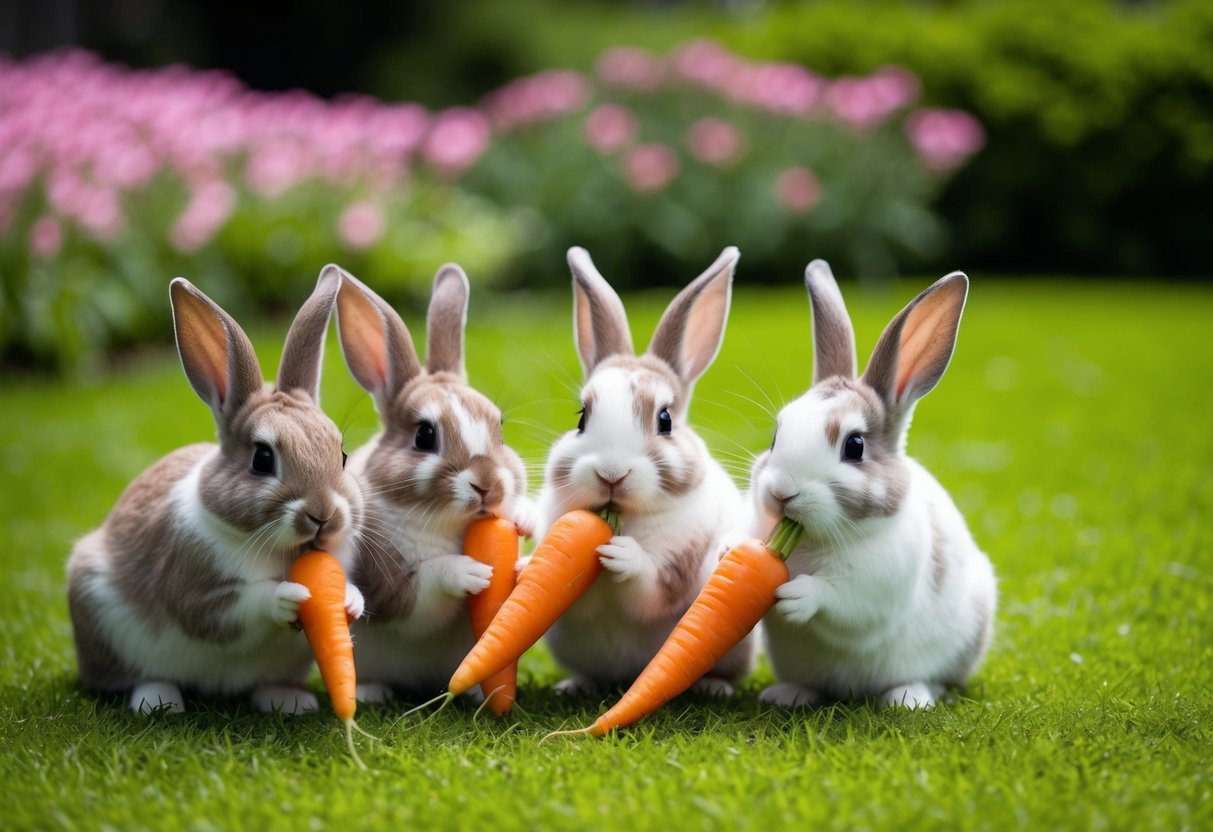
Carrots are high in sugar and carbohydrates, which can be unhealthy for your furry friend if eaten too often. In the wild, rabbits don’t typically eat root vegetables like carrots. Instead, they thrive on a diet rich in hay, fresh greens, and vegetables that are lower in sugar.
So, how can you treat your bunny without going overboard on the carrots? This article will explore safe ways to introduce carrots into your pet’s diet while keeping them healthy and happy. Let’s dive into the ins and outs of feeding your bunny carrots and learn what other options you have!
Understanding Rabbit Nutrition

When caring for a rabbit, it’s important to focus on their specific nutritional needs. Paying attention to their diet helps ensure their health and happiness. Key components include fiber, vitamins, and minerals, which play major roles in keeping your bunny strong.
Essentials of a Rabbit Diet
A rabbit’s diet should be balanced and include various ingredients. Hay is the main staple and should make up the bulk of their food. Timothy hay and other grass hays provide the fiber needed for digestion.
You can also include leafy greens, which add freshness. Good options are romaine lettuce, cilantro, and parsley. Always wash greens thoroughly and introduce them gradually to avoid stomach issues.
Limit high-calorie foods like pellets and treats. These should only make up a small part of your bunny’s diet.
The Role of Fiber
Fiber is vital for a rabbit’s digestive health. It helps keep their gut moving and prevents issues like gastrointestinal stasis. Rabbits need a high-fiber diet to maintain a healthy weight and promote proper intestinal function.
Fresh hay is the best source of fiber, but fresh greens also contribute. Aim for hay to make up at least 80% of their diet. This can aid in maintaining healthy teeth as they hay wears them down while chewing.
Avoid feeding rabbits high-sugar vegetables and fruits as they can lead to digestive problems.
Vitamins and Minerals in Rabbit Food
Rabbits require important vitamins and minerals for various body functions. Vitamin A is crucial for healthy vision and skin. Leafy greens provide a good source of this vitamin.
Additionally, calcium supports strong bones. However, too much calcium can lead to kidney stones. It’s best to stick to a moderate amount of calcium-rich foods.
Potassium is another essential mineral, promoting proper muscle function and hydration. Include fresh greens in moderation to ensure they get these necessary nutrients while maintaining a healthy balance.
Carrots in a Bunny’s Diet

Carrots are often seen as a favorite treat for bunnies, but it’s essential to understand their role in your rabbit’s diet. This section will discuss the differences between carrot tops and the root vegetable, the nutritional value of carrots, and the potential risks of feeding them to your furry friend.
Carrot Tops Versus Root Vegetable
Carrot tops are the green leafy parts of the carrot plant. These greens are a great source of nutrients for your rabbit. They provide vitamins and minerals without the high sugar content found in the root.
In contrast, the carrot root itself is a root vegetable rich in beta-carotene. While it offers some benefits, its high sugar levels mean it should only be given in moderation. You can feed carrot tops more frequently than the root, making them a healthier choice overall.
Nutritional Value of Carrots
Carrots are packed with essential nutrients such as beta-carotene, which converts to vitamin A in your bunny’s body. Vitamin A supports good vision, skin health, and a strong immune system.
Carrots also contain fiber, which is important for healthy digestion. However, keep in mind that carrots are higher in sugar compared to other veggies. This is why they should only make up a small portion of your rabbit’s diet, specifically around 10-15%. Always balance them with fresh greens and hay to ensure your bunny gets a varied diet.
Risks of Feeding Carrots to Rabbits
While carrots can be a tasty snack, there are risks involved in feeding them to your rabbit. The main concern is their high sugar content. Too many carrots can lead to obesity and digestive problems.
If you notice your rabbit becoming overweight or experiencing any gastrointestinal issues, you should cut back on the carrots. Always introduce new foods slowly, and keep an eye on your bunny’s response to ensure they are adjusting well. Remember to use carrots as occasional treats rather than daily staples to keep your rabbit healthy.
Feeding Practices for Bunnies
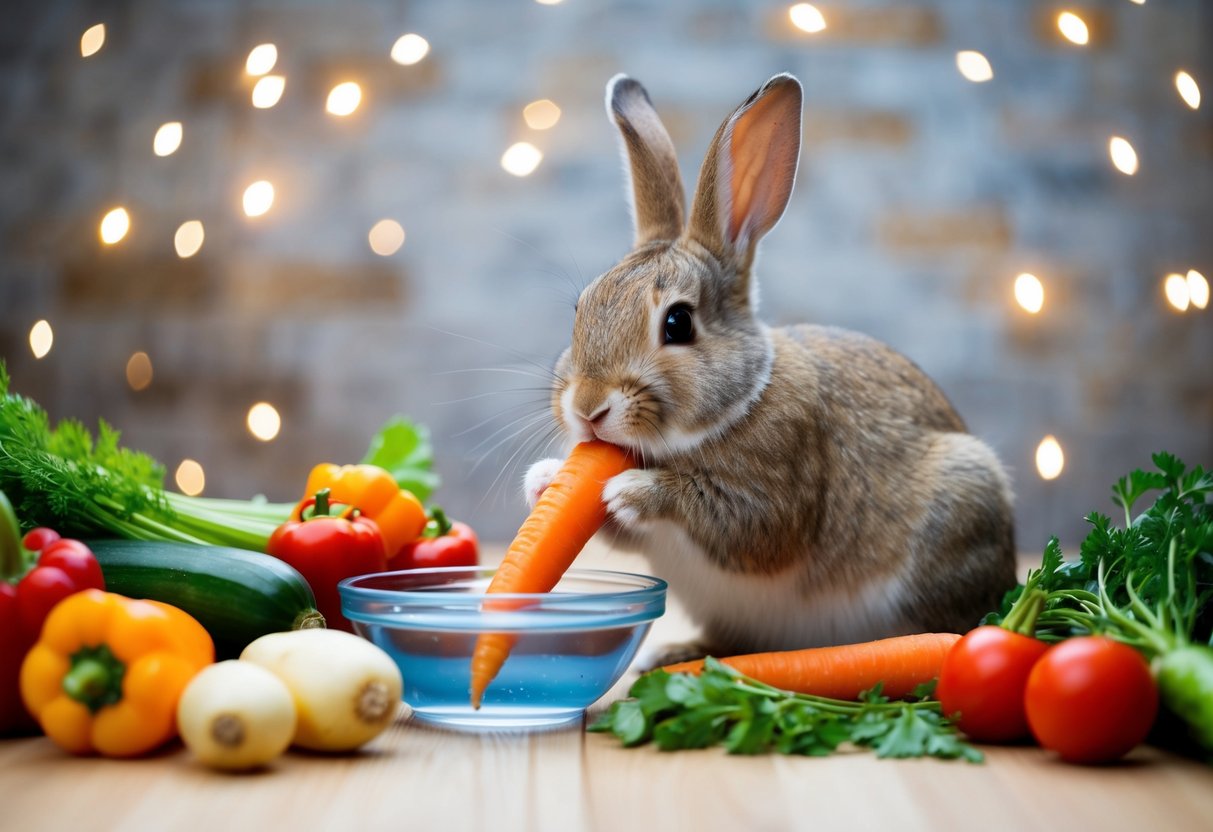
When you feed your bunny, it’s important to know how often to offer carrots, the right portions, and the difference between organic and conventional options. These practices can help keep your bunny healthy and happy.
How Often to Offer Carrots
You should only offer carrots to your bunny occasionally. Since carrots are high in sugar, limit their intake to about once a week. This prevents any digestive issues that can arise from excessive sugar consumption.
Instead of focusing on carrots, make the bulk of your bunny’s diet hay and leafy greens. Fresh vegetables can be a fun treat, but moderation is the key. This keeps your bunny from gaining weight and ensures their digestive system stays balanced.
Appropriate Portions for Bunnies
When you do offer carrots, size matters. A good portion for a medium-sized bunny is about one to two small baby carrots or a one-inch piece of a larger carrot.
Cutting carrots into bite-sized pieces can help your bunny eat safely. Always observe your bunny’s reaction to new foods. If you see any signs of digestive upset, it might be best to reduce the frequency or amount you offer.
Organic Versus Conventional Carrots
Choosing between organic and conventional carrots can be important for your bunny’s health. Organic carrots are grown without synthetic pesticides or fertilizers. This can be a safer choice for your bunny.
Conventional carrots might have pesticide residues. Washing them thoroughly can help reduce any harmful substances.
If possible, try to offer organic options. This way, you can provide a healthier treat to your furry friend while supporting sustainable farming.
Health Considerations for Rabbits
When feeding your bunny, it’s essential to keep dental health, digestive issues, and obesity in check. These factors play a big role in your rabbit’s overall well-being.
Preventing Dental Health Issues
Rabbits have continuously growing teeth that need proper care. Carrots, often seen as a treat, should not be the main food for your bunny. While your rabbit may enjoy raw carrots, too many can lead to tooth decay. Feeding hay and fibrous vegetables assists in keeping teeth worn down properly.
Look for signs of dental problems, such as difficulty eating or excessive drooling. Regular check-ups with a vet can help you catch any issues early. Maintaining good dental health is crucial for your furry friend, as untreated problems can lead to serious health issues.
Monitoring for Digestive Distress
Digestive health is vital for rabbits. A diet high in sugar, like that found in carrots, can lead to digestive issues such as gi stasis. This condition can cause a decrease in gut movement and is serious.
Always introduce new foods, including carrots, slowly. Watch your bunny for signs of discomfort, such as lack of appetite or changes in droppings. Fresh hay should make up the bulk of your rabbit’s diet, while veggies should be a small part. If your bunny shows signs of digestive distress, consult your vet promptly.
Understanding Obesity and Treats
Like many pets, rabbits can easily become obese if not monitored. Carrots are high in sugar, and too many can contribute to this issue.
It’s best to consider them as occasional treats rather than a staple.
Aim to limit treats to no more than 10% of your rabbit’s daily diet. Instead, focus on a variety of leafy greens and hay.
Avoid giving baby rabbits raw carrots until they are older, as their digestive systems are still developing.
Making healthy choices regarding treats can help your bunny stay active and healthy.


