
Rabbits are fascinating creatures that many people love as pets. They have unique behaviors and traits that can surprise even the most seasoned pet owners. One interesting fact about rabbits is that they can be trained to walk on a leash, similar to dogs. This means you can take your bunny outside for some fresh air and exercise, all while strengthening your bond with them.
Beyond their adorable looks, rabbits are also known for their rapid reproduction. A mother rabbit, called a doe, can have up to 14 babies in a single litter, which are called kittens. This ability makes them well-known as effective baby-makers in the animal kingdom. Learning these facts can make you appreciate these animals even more and inspire you to learn more about their care and behavior.
Physical Characteristics and Species
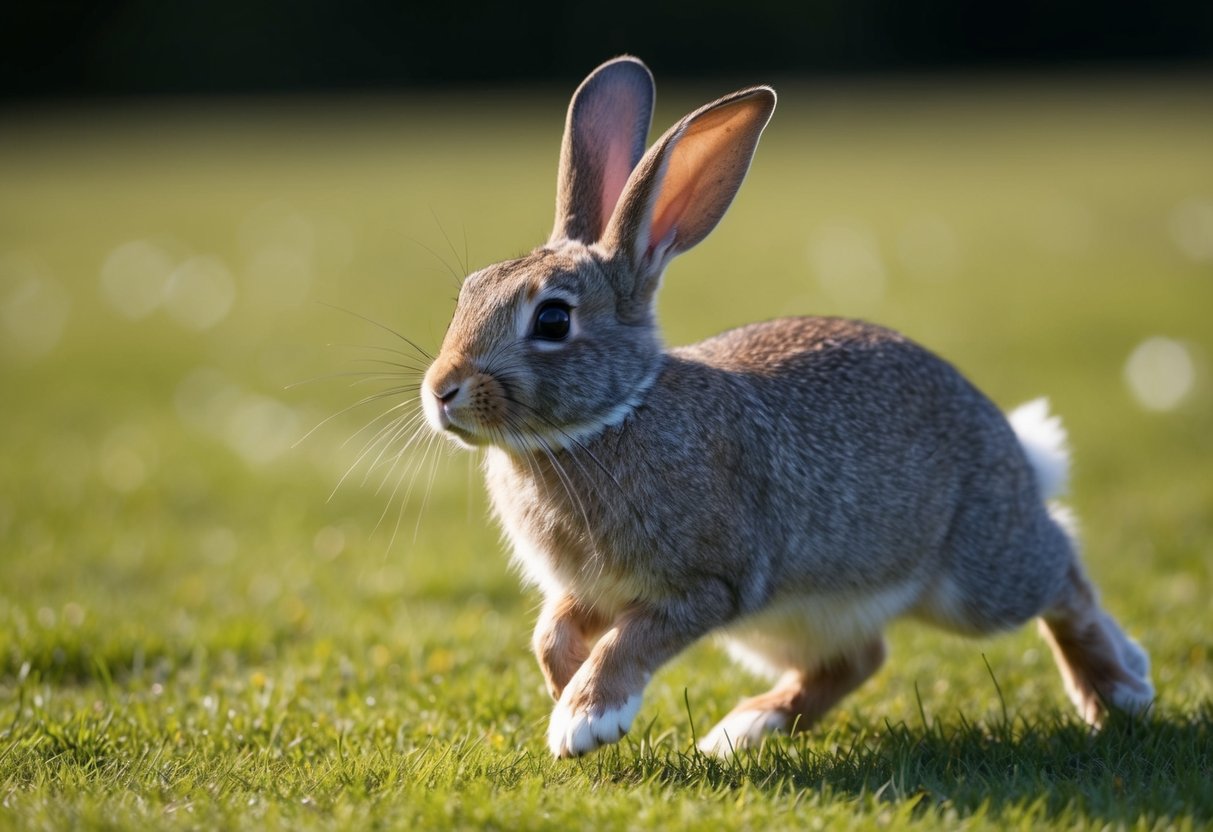
Rabbits are fascinating creatures with unique physical traits and a variety of species. Understanding these characteristics helps appreciate their role in nature and their popularity as pets.
Ears and Vision
One of the most recognizable features of rabbits is their long ears. These ears can be up to 4 inches long and are not just for show. They help rabbits detect sounds from various directions, allowing them to be aware of predators.
Rabbits have excellent hearing and a visual range that gives them panoramic vision. This means they can see behind them without turning their heads. It’s an important adaptation for spotting danger. Because of this wide field of view, rabbits can stay alert while grazing.
Varieties of Rabbit Breeds
There are many rabbit breeds, each with unique traits! Domestic rabbits can be found in numerous colors, sizes, and fur types. Some popular breeds include the Flemish Giant, known for its impressive size, and the Netherland Dwarf, which is tiny and often kept as a pet.
Wild rabbits include species such as cottontail rabbits, which are commonly found in fields and forests, and jackrabbits, known for their speed. Each species has adapted to its environment, demonstrating the versatility of rabbits.
The Largest and Smallest Rabbits
The Flemish Giant is often regarded as the largest rabbit breed. They can weigh up to 14 pounds or more! Their size makes them stand out among other breeds. These gentle giants can also be quite affectionate and make great pets if raised with care.
On the other hand, the Netherland Dwarf is one of the smallest breeds. Weighing around 2 pounds, these rabbits fit snugly in your hands. Their playful nature and small size make them popular companions for many families.
Whether large or small, rabbits continue to charm people with their adorable features and gentle personality!
Behavior and Social Structure
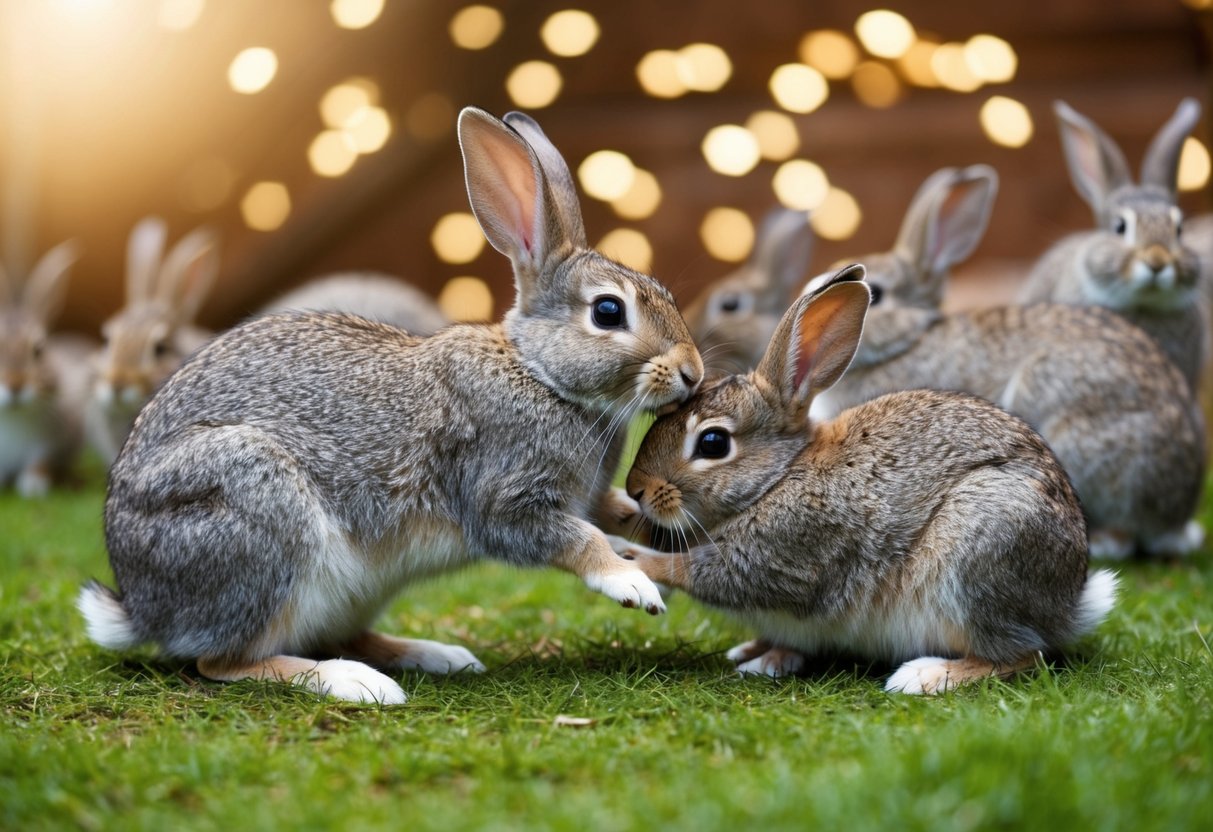
Rabbits are social creatures that thrive on interaction and communication. Understanding their behavior and social structure can help you connect better with these fascinating animals. This section explores how rabbits communicate, the role of mother rabbits, and the playful actions that define them.
Communication and Social Interaction
Rabbits have a unique way of communicating. They use a mix of sounds, body language, and scent marking to express their feelings. For instance, thumping their back feet warns others of danger. You might notice your rabbit nudging you for attention or grooming you as a sign of affection.
Rabbits live in groups called warrens. In these settings, each rabbit has a specific role. There’s often a dominant male and female, while others form a herd. This social structure helps maintain peace and ensures that rabbits work together to find food and shelter.
Mother Rabbits and Their Young
Mother rabbits, also known as does, are dedicated caregivers to their kits, or baby rabbits. After giving birth, a mother rabbit spends a lot of time nursing her young. Kits are born blind and hairless, depending entirely on their mother for warmth and food.
A doe typically only visits her nest a couple of times a day to avoid attracting predators. This instinct helps keep her young safe. As the kits grow, they learn social behaviors from their mother and siblings, preparing them for life in the warren.
Playful Actions: The Binky Movement
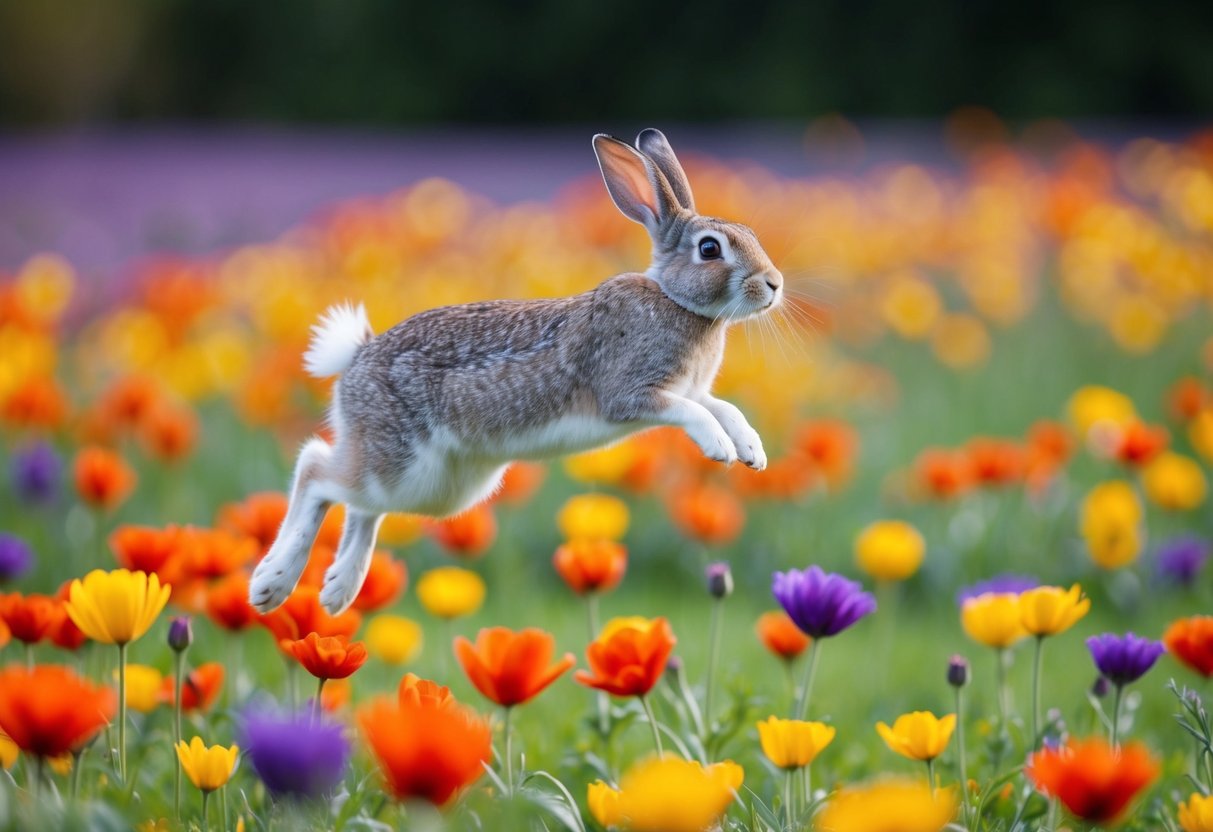
One of the most delightful behaviors you might see is the binky. This playful action happens when a rabbit jumps into the air and twists their body. It’s a sign of joy and excitement, showing that your rabbit feels safe and happy.
Binkies can occur during playtime or even when a rabbit is exploring a new area. Observe your rabbit closely to catch these playful moments. Understanding these joyful actions can deepen your bond with your furry friend and enrich your time together.
Reproduction and Lifespan

Rabbits have unique breeding habits, a relatively quick gestation period, and varied lifespans. Understanding these aspects can help you care for your rabbit better.
Breeding Habits and Gestation
Rabbits are known for their high fertility. A female rabbit, called a doe, can start breeding as early as four to five months old. The male rabbit is known as a buck.
When a doe is ready to mate, she can have multiple litters each year. A typical litter can have around 3 to 12 baby rabbits, known as kits.
The gestation period lasts about 30 days. During this time, the doe will prepare a nest by gathering hay or grass. This helps to keep the kits safe and warm when they are born.
Spaying and Neutering
Spaying and neutering are essential procedures for pet rabbits. Spaying is done to female rabbits, while neutering applies to males. These procedures help control the rabbit population and prevent health issues.
After being spayed or neutered, rabbits can live longer, healthier lives. It also reduces unwanted behaviors, like aggression and marking territory. Many vets recommend these surgeries between four and six months of age.
Rabbits’ Lifespan
The lifespan of a rabbit can vary greatly depending on care and breed. On average, pet rabbits live between 5 to 12 years. Sterilized rabbits often have longer lifespans, sometimes up to 12 years or more.
Proper nutrition, regular vet check-ups, and a safe environment play a significant role in their longevity. Providing a balanced diet and enough exercise can keep your rabbit healthy and happy.
Diet and Health

Rabbits have unique dietary needs and health considerations. Understanding their digestive system, grooming habits, and potential threats can help you care for your pet rabbit better.
Rabbit Digestive System
Rabbits have a complex digestive system designed for a herbivore diet. Their main food should consist of hay, which keeps their teeth wearing down naturally. Your rabbit’s teeth grow continuously, so they need to chew on fibrous foods.
Pellets can complement their diet, but hay is essential. Fresh vegetables like celery can be a healthy addition, providing nutrients and hydration. It’s important to note that rabbits produce two types of feces: regular pellets and cecotropes. Cecotropes are soft, nutrient-rich droppings that rabbits eat to absorb essential nutrients.
Grooming and Rabbit Care
Grooming is an important part of rabbit care. Regular brushing helps remove loose fur and prevents matting, particularly in long-haired breeds. When you groom your rabbit, it also becomes a bonding experience.
Check your rabbit’s ears, nails, and teeth regularly. Trimming nails can prevent injury and ensure comfort. They also need a clean, safe environment. A proper diet, along with sufficient exercise, helps maintain good health. Indoor and outdoor rabbits both benefit from ample space for jumping and playing.
Common Predators and Protection
Various predators threaten rabbits. In the wild, hawks, foxes, and other carnivores prey on them. To protect domestic rabbits, ensure they have a safe space, away from potential dangers.
If your rabbit spends time in an outdoor enclosure, it should have solid fencing and a covered area. This setup protects them from birds of prey and ground predators. Additionally, always supervise your rabbit during outdoor playtime to keep them safe while they explore their surroundings.


