
Keeping your rabbit’s cage clean is essential for both your pet’s health and your home environment. Regular cleaning, changing bedding often, and litter training your rabbit are key steps to preventing unpleasant odors. No one wants their living space to smell, and with a few simple practices, you can keep your rabbit’s area fresh and tidy.
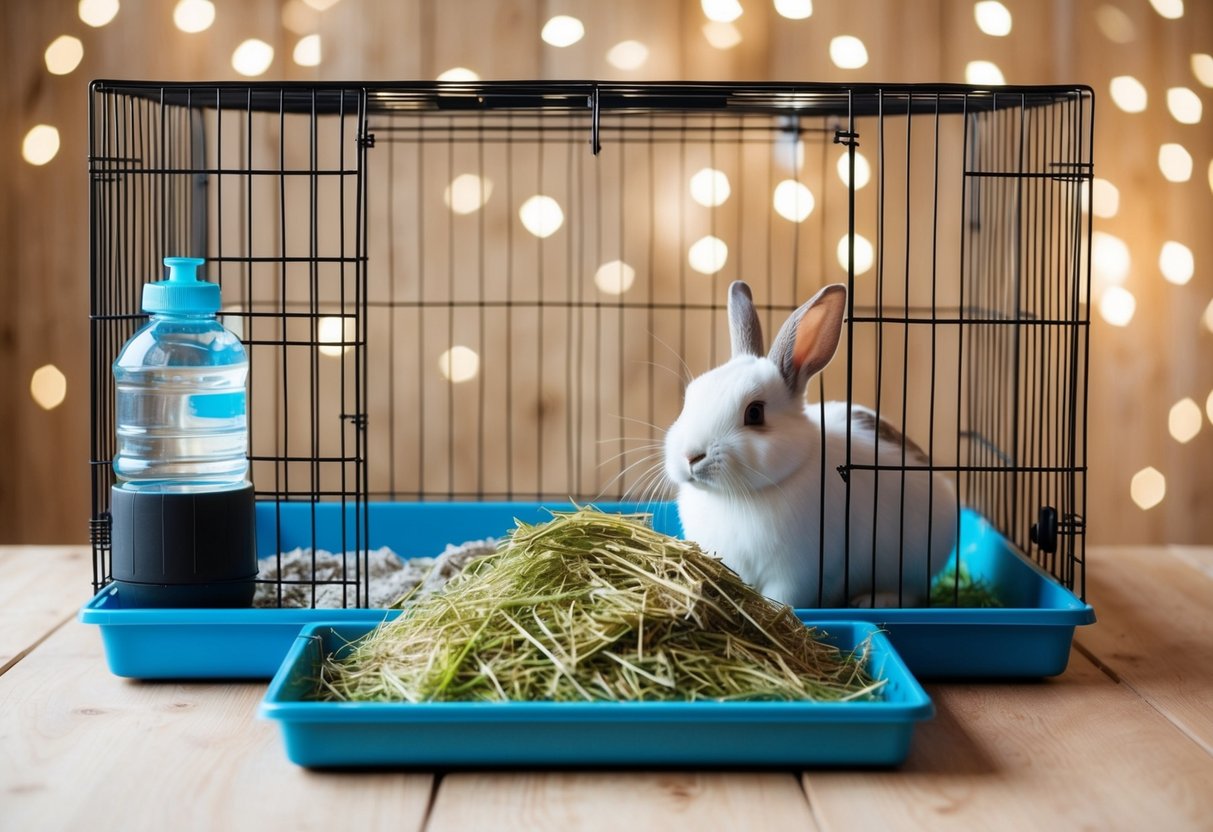
Bedding plays a crucial role in controlling odors. By changing it at least once a week and using materials that absorb moisture well, you can reduce smell dramatically. Additionally, training your rabbit to use a litter box not only makes cleanup easier but also keeps waste confined, leading to a more pleasant space for both you and your pet.
Establishing a routine for cleaning your rabbit’s cage will help you stay on top of any mess. Making these small adjustments will make a big difference in maintaining a sweet-smelling home. Let’s explore some effective tips to ensure your rabbit’s cage remains fresh.
Understanding Rabbit Odor Sources

Several factors can contribute to the odors coming from your rabbit’s cage. By recognizing these sources, you can take effective steps to keep things smelling fresh. Here are the key areas to consider: diet, the importance of neutering or spaying, and common health issues.
The Role of Diet in Cage Odors
Diet plays a big role in how your rabbit smells. Feeding your rabbit fresh hay is essential for digestion and helps reduce odors. Hay helps produce cecotropes, which are nutrient-rich droppings that your rabbit eats for added nutrition.
Avoid giving too many sugary treats or rich vegetables, as they can lead to digestive issues like diarrhea, which causes messier and smellier waste. Also, keep a close eye on how much water your rabbit drinks. Dehydration can lead to more concentrated urine, which can smell stronger.
Importance of Neutering and Spaying
Neutering or spaying your rabbit can greatly affect its smell. Unaltered rabbits often have stronger odors due to their scent glands. These glands produce hormones that can make their urine and feces smell more intense.
By having your rabbit spayed or neutered, you’re likely to notice a decrease in these odors. It can also help with behavioral issues that might contribute to a dirty cage, leading to fewer incidents of mess and smell.
Common Health Issues and Odors
If your rabbit is smelling more than usual, it could be linked to health problems. Conditions like urinary tract infections can make rabbit urine smell foul. Diarrhea is another issue that leads to unwanted odors, as it creates a mess in the cage.
Keep an eye on your rabbit for signs of illness. Any sudden changes in smell might mean it’s time to consult a vet. Regular health check-ups can help catch problems early and keep your rabbit healthy and happy.
Daily and Weekly Cleaning Techniques
Keeping your rabbit’s cage clean is essential for odor control and your pet’s health. By using the right methods and products, you can maintain a fresh environment for your rabbit.
Spot Cleaning Fundamentals
Spot cleaning should be part of your daily routine. It involves removing any dirty bedding, uneaten food, and soiled areas to prevent odor buildup.
You’ll want to check the corners of the cage, where messes are likely to accumulate. Use a small scoop or dustpan for easy clean-up. If your rabbit has had any accidents, quickly clean those spots using a mixture of water and an enzyme cleaner, which effectively breaks down the waste.
Also, consider using a vinegar cleaning solution. Just mix equal parts water and white vinegar in a spray bottle. It’s a natural way to reduce odors without harsh chemicals.
Deep Cleaning Best Practices
Deep cleaning should be done weekly to keep the cage fresh. Start by removing your rabbit and all bedding. Then, rinse the cage with warm water to remove any leftover debris.
Once rinsed, scrub the surfaces with baking soda and water. This helps to neutralize odors and eliminates bacteria.
After scrubbing the cage, use your vinegar solution or an enzyme cleaner to thoroughly disinfect all surfaces. Rinse with water again to ensure no residue is left.
Allow the cage to dry completely before adding fresh bedding for your rabbit. This routine will promote a healthier living space and keep unwanted smells at bay.
Choosing Effective Cleaning Products
When selecting cleaning products, look for options that are safe for pets. Enzyme cleaners are a great choice because they target the odors caused by urine and feces. They break down the waste, making it easier to clean.
Vinegar is another fantastic option due to its natural odor-fighting properties. You can create a vinegar cleaning solution by mixing one part vinegar with one part water.
If you prefer not to use chemicals, baking soda works well to absorb odors. Simply sprinkle it on the bedding or areas where your rabbit spends time and vacuum it up after a few hours. This can enhance the cleanliness of the cage without any harmful effects on your pet.
Selecting the Right Bedding and Litter

Choosing the right bedding and litter for your rabbit is essential for a clean and odor-free cage. Proper materials can significantly reduce unpleasant smells and create a comfortable environment for your furry friend.
Litter Training Your Rabbit
Litter training is an effective way to keep your rabbit’s space clean. Start by designating a specific area in the cage for them to use as a bathroom. Use a shallow litter box to make it easy for your rabbit to access. Reward your rabbit with treats when they use the box correctly. Keep an eye on their habits and adjust the location of the box if needed. Consistency is key, so be patient and continue to encourage good behavior.
Bedding Materials and Odor Absorption
Selecting absorbent bedding materials is important for controlling odors. Options like aspen shavings and paper pellets are good choices. Aspen shavings help absorb moisture and whiff away smells. Paper-based litter is another excellent option, as it is both absorbent and safe if consumed.
Avoid cedar shavings, as they can be harmful to rabbits.
Regularly change bedding at least once a week to maintain cleanliness. Spot clean daily by removing soiled areas. This routine will help you manage odors effectively.
Litter Options for Optimal Odor Control
There are several litter options that can help minimize odors in your rabbit’s cage. Wood pellets are a popular choice because they absorb moisture and break down to help control smells.
Another option is paper pellets, which are soft and absorbent. You can mix these with other materials for added effectiveness.
Avoid clumping cat litter, as it can be harmful to rabbits. Consider using a combination of paper-based litter and absorbent bedding to achieve the best results for keeping odors at bay.
Setting Up for Freshness and Health
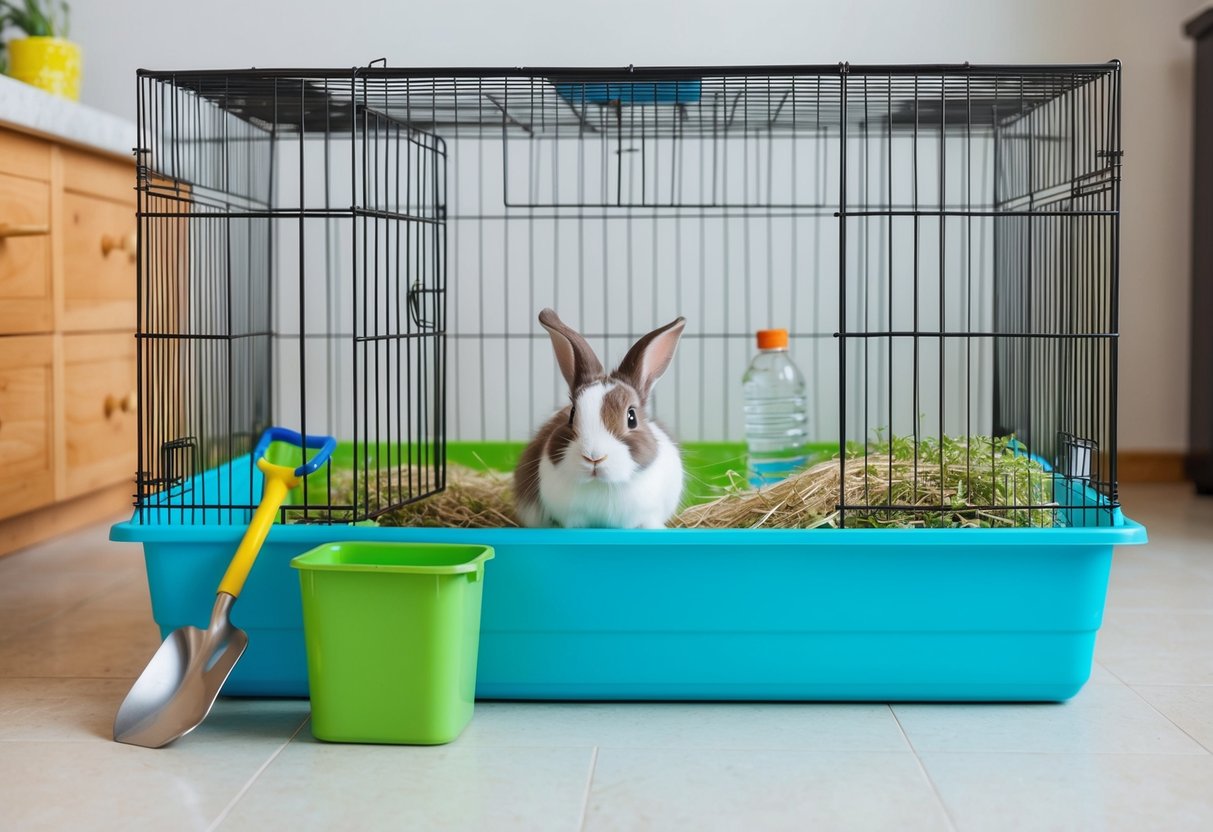
Creating a clean and healthy environment for your rabbit is essential. Proper airflow and ventilation help reduce smell and promote your pet’s well-being. Let’s explore how to set things up right.
Importance of Airflow and Ventilation
Good airflow is crucial for keeping your rabbit’s cage fresh. Ensuring that air circulates properly can help lower ammonia levels, which can build up from urine. High ammonia levels can cause respiratory issues in rabbits.
To improve ventilation, place the cage in a spot where it can get fresh air, like near a window. Make sure it’s not in direct sunlight, which can overheat your rabbit.
You can also use a fan to help circulate air around the cage. Just be careful not to direct it straight at your rabbit. This balance helps prevent allergens and excess moisture, reducing the chances of issues like flystrike and parasites.
Preventing Common Cage Issues
To avoid foul odors, regular maintenance is key. Start by spot cleaning your rabbit’s cage daily. Remove soiled bedding and waste to keep things fresh.
Choose appropriate bedding materials that absorb moisture well, like paper-based or aspen products. Avoid cedar or pine shavings, as they can be harmful to rabbits.
Additionally, ensure your rabbit has enough space to move. An overcrowded cage can lead to obesity and stress. Proper cage size allows your rabbit to exercise and stay healthy. This setup not only keeps your rabbit happy but also helps maintain a cleaner environment.


