
If you’re considering adding a furry friend to your home, you may be wondering if bunnies make good pets. Rabbits can be wonderful companions, known for their gentle nature and playful personalities. They can bond closely with their owners, providing joy and laughter in your life.
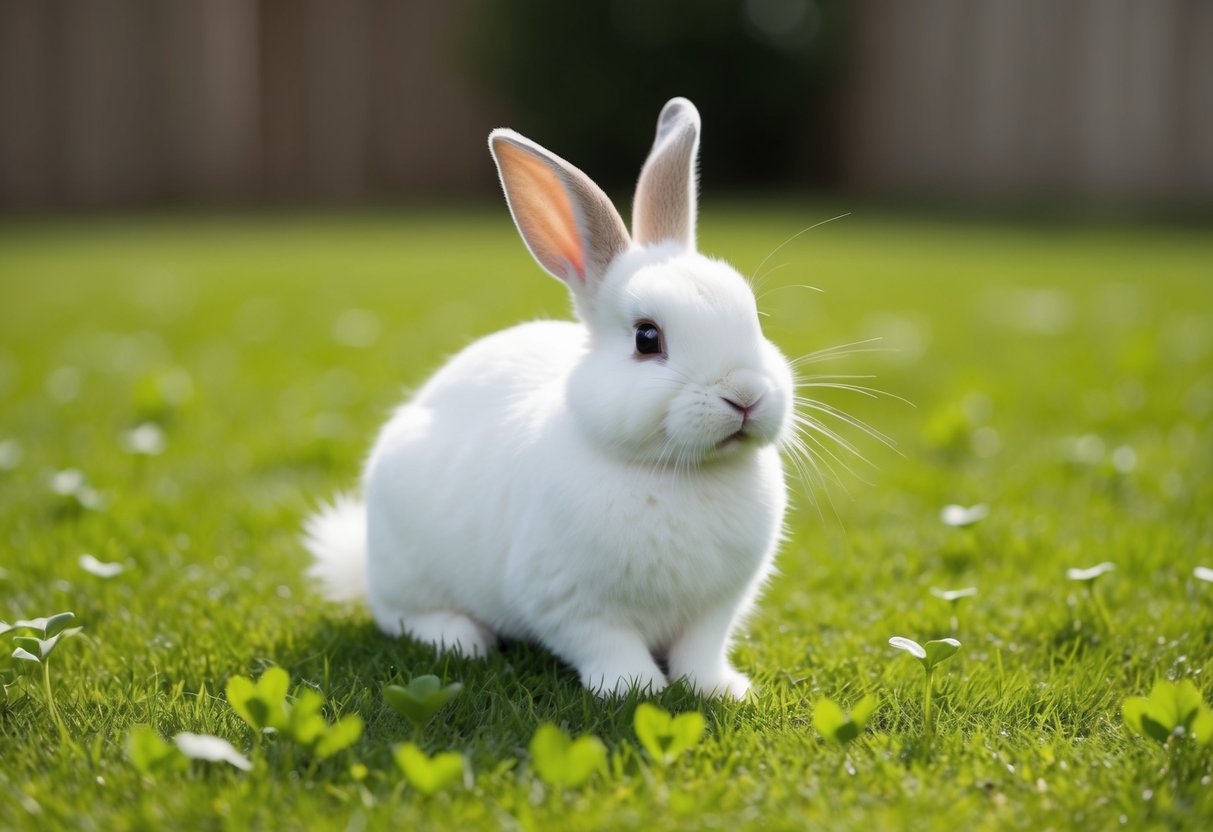
Caring for a rabbit requires time and effort. You’ll need to ensure they have a safe space, proper food, and plenty of toys to keep them engaged.
With the right love and attention, these adorable creatures can thrive in your home, making them a great choice for families.
Before you make a decision, it’s important to learn more about what it takes to care for a rabbit. Understanding their needs will help you know if they’re the right fit for your household.
Choosing the Right Rabbit

When picking a rabbit, it’s essential to know the different breeds and their specific needs. You’ll also want to think about whether you want an indoor rabbit and how that fits into your lifestyle.
Understanding Rabbit Breeds
Rabbits come in many breeds, each with unique traits. Popular choices are the Holland Lop, Mini Rex, and Lionhead.
- Holland Lop: These rabbits are friendly and love to be petted. They have floppy ears and a calm demeanor.
- Mini Rex: Known for their soft fur, they are playful and great for families with kids.
- Lionhead: These rabbits are small, have a unique mane, and enjoy attention.
Each breed has different space and care needs. Make sure to choose a breed that matches your lifestyle and living situation. Knowing the breed will help you provide the right environment and care.
Considering a House Rabbit
If you decide to keep your rabbit indoors, you need to make sure they have a safe and comforting space. Indoor rabbits need exercise and mental stimulation to thrive.
- Provide a spacious enclosure with comfortable bedding.
- Set aside time for play outside of the cage each day.
- Use toys to keep your rabbit engaged.
Consider adopting from the House Rabbit Society, which focuses on indoor rabbits. This organization offers resources to help you make your home rabbit-friendly, from safe spaces to interacting with your new pet. Assess your living space to ensure your indoor rabbit has room to hop around and explore.
Adopting Your Bunny Companion

Adopting a bunny can be a rewarding experience. It’s important to know where to adopt and how to prepare for rabbit ownership to ensure a happy and healthy life for your new friend.
Why Adopt from Shelters
Adopting from an animal shelter is a great choice. Shelters often have many rabbits looking for loving homes. When you adopt from a shelter, you give a bunny a second chance.
Shelters typically assess the health and behavior of their animals. This means you can find a bunny that fits well with your lifestyle. Plus, adopting from a shelter is often cheaper than buying from a breeder.
Additionally, many shelters will spay or neuter your bunny before the adoption. This helps reduce health risks and contributes to a more well-behaved pet. Your choice to adopt can also help reduce the number of homeless animals.
Preparing for Rabbit Ownership
Before bringing your new bunny home, you need to prepare. Set up a safe, comfortable living space with a cozy hutch or cage. Make sure it has enough room for your bunny to move around.
Provide bedding made from safe materials, like hay or shredded paper. Include toys to keep your bunny active and entertained. Rabbits love to chew, so make sure the toys are safe.
Next, stock up on food and water supplies. Choose high-quality rabbit pellets and plenty of fresh hay. Fresh vegetables are also important for a balanced diet.
Finally, consider your schedule. Bunnies need daily interaction and care. Make sure you have time for bonding, feeding, and cleaning to keep your new furry friend happy.
Caring for Your Pet Rabbit

Caring for your pet rabbit involves daily attention, regular health check-ups, and creating a safe environment for them. Each aspect is crucial to their happiness and well-being.
Daily Care and Maintenance
Your rabbit needs daily care to stay happy and healthy. Start with feeding them high-quality hay, which should be available at all times. Add fresh vegetables daily and a small amount of pellets.
Make sure to clean their litter box regularly to keep their living area tidy. Rabbits are sensitive to smells and a clean environment helps prevent health issues.
Spend time playing with your rabbit each day. They enjoy exercise and social interaction, which helps reduce boredom. Use toys made for rabbits, like chew toys and tunnels, to keep them engaged.
Health and Wellness
Regular vet visits are important for keeping your rabbit in good health. Schedule a check-up at least once a year with a veterinarian who specializes in rabbits. They can provide vaccinations and check for common health issues.
Look for signs of illness, like loss of appetite, changes in behavior, or unusual droppings. If you notice anything out of the ordinary, contact your vet right away.
Also, provide your rabbit with opportunities to exercise. A good routine helps prevent obesity and related health problems. Ensure your rabbit is spayed or neutered to maintain their health and behavior.
Creating a Bunny-Proofed Space
Creating a bunny-proofed room is essential for your rabbit’s safety. Start by removing hazards like electrical cords, toxic plants, and small items they might swallow.
Use baby gates or playpens to restrict your rabbit’s access to certain areas in your home. This keeps them safe while allowing them to explore.
Consider using furniture or shelves as climbing spots and hideouts, as it encourages natural behaviors. Make sure to create a quiet, comfortable area with bedding where they can relax.
The Social Life of Rabbits

Rabbits are social animals that thrive on companionship and gentle interaction. Understanding their social needs is important for providing a happy life for your pet bunny.
Companionship Needs
Rabbits are naturally social creatures and often prefer the company of other rabbits. Keeping more than one rabbit can lead to happier pets. They can bond closely, especially if they are spayed or neutered.
If you have only one rabbit, make sure to spend plenty of time with them. Engage in activities that mimic their natural behaviors, such as running and playing. This time together helps reduce loneliness and encourages a stronger bond.
Interaction and Gentle Handling
When handling your rabbit, gentleness is key. Start by approaching your rabbit calmly to help them feel safe. Use soft voice tones and slow movements to avoid startling them.
Pick up your bunny using both hands, and support their body and hindquarters. Always let them know they are loved with gentle strokes and plenty of affection. This kind of interaction helps them trust you, making your bond even stronger.
Remember that rabbits may take time to warm up to you. Patience is vital! Engaging in regular playtime and gentle handling encourages a friendly and affectionate relationship with your rabbit.


