
Rabbits are often seen as friendly companions, and many people choose them as pets. Rabbits are naturally social animals that bond with their owners and show affection in unique ways. You might find your furry friend following you around or nudging your hand for a pet. Understanding how rabbits express their emotions can deepen your bond and help you enjoy your time together.

When you welcome a rabbit into your home, you bring in a creature that thrives on interaction. They can be playful and curious, making it fun to engage with them. As you spend time together, you’ll witness their joyful antics and learn how to communicate with them effectively.
Exploring the reasons behind a rabbit’s friendly nature is rewarding. By understanding their behavior, you’ll see just how special these pets can be and what makes them such great companions.
Understanding Rabbit Behavior

Rabbits have unique behaviors influenced by their social nature and background. Understanding these behaviors helps you connect better with your furry friends.
Social Nature of Rabbits
Rabbits are naturally social animals. In the wild, they live in groups for protection and companionship. This social behavior carries over to domestic rabbits as well. When you bring a rabbit into your home, it craves interaction and friendship.
Bonded rabbits often display behaviors like grooming and cuddling. These actions strengthen their bond and keep them happy. It’s important to consider adopting another rabbit or providing lots of attention and playtime if keeping a single rabbit. Your pet’s happiness and health thrive in a social environment, similar to that of a rabbit rescue group where they can connect with other bunnies.
Domestic Rabbits Versus Wild Rabbits
Domestic rabbits, like the popular lop rabbit, have been bred to live closely with humans. This has made them more comfortable around people compared to their wild relatives. While wild rabbits are more skittish and cautious, domestic rabbits often seek your company.
Domestic rabbits are adapted to life with you. They express emotions through behaviors like thumping and nudging. Knowing these signs helps you understand your bunny’s feelings better. Make sure to create a safe and inviting space for your pet, allowing it to thrive in a home setting.
How to Care for Your Pet Rabbit

Caring for your pet rabbit involves creating a safe and comfortable environment, training them to use a litter box, and providing a balanced diet. Each of these aspects is crucial for keeping your rabbit happy and healthy.
Proper Housing and Rabbit-Proofing
Your rabbit needs a safe and cozy home. If you choose to keep your rabbit indoors, provide a spacious cage or pen for them to explore. The cage should be large enough for your rabbit to stand on their hind legs and stretch out.
Rabbit-Proofing is essential. Remove hazards like electric cords, small items, and toxic plants. Use baby gates or barriers to keep your rabbit safe from restricted areas. Consider using rabbit-safe materials, such as untreated wood or cardboard, for toys.
Litter Box Training Techniques
Litter box training can make your life easier. Start by placing a litter box in a corner of their living space. Use rabbit-safe litter, like paper-based or wood pellets, avoiding clumping cat litter.
When your rabbit uses the box, praise them or offer a small treat. If you catch them in the act of going elsewhere, gently place them in the litter box. Be patient; it may take time for your rabbit to get used to their new routine.
Diet and Exercise
A proper diet is vital for your rabbit’s health. Your rabbit should have unlimited hay, fresh veggies, and a small amount of pellets. Leafy greens like romaine lettuce and cilantro are great choices.
Regular exercise is just as important. Allow your rabbit time outside of their cage every day. Create a safe space where they can run and play. Consider using toys, tunnels, and other enrichments to keep them engaged.
Benefits of Having a Rabbit as a Pet

Having a rabbit as a pet comes with many advantages. Not only are they relatively low-maintenance animals, but they also offer significant emotional and social support. These bunnies can bring joy and companionship to your life.
Rabbits as Low-Maintenance Pets
Rabbits are often seen as low-maintenance pets compared to dogs or cats. They don’t need daily walks, and they can be quite content in a cozy cage or a rabbit-proofed space.
Here are a few key points about their care:
- Diet: A simple diet of hay, fresh veggies, and pellets is usually all they need.
- Cleaning: Their cages require cleaning only once a week, making them easy to manage.
- Grooming: Most rabbits groom themselves, though brushing them occasionally helps reduce shedding.
If you’re busy but want a pet, adopting a bunny could be a great choice. Their independent nature means you can enjoy their company without constant attention.
Emotional and Social Benefits
Rabbits can enrich your life emotionally. They often bond closely with their owners, providing love and companionship.
Here’s how they can positively impact your well-being:
- Low Noise Level: They are generally quiet, making them perfect for apartments or homes with noise restrictions.
- Stress Relief: Spending time with your rabbit can help reduce stress. Watching them hop around can be calming.
- Social Interaction: Caring for a bunny promotes routine and responsibility, which can be especially beneficial for children.
By welcoming a rabbit as a pet, you gain a gentle friend who becomes a delightful part of your home.
Ensuring Your Rabbit’s Health and Happiness
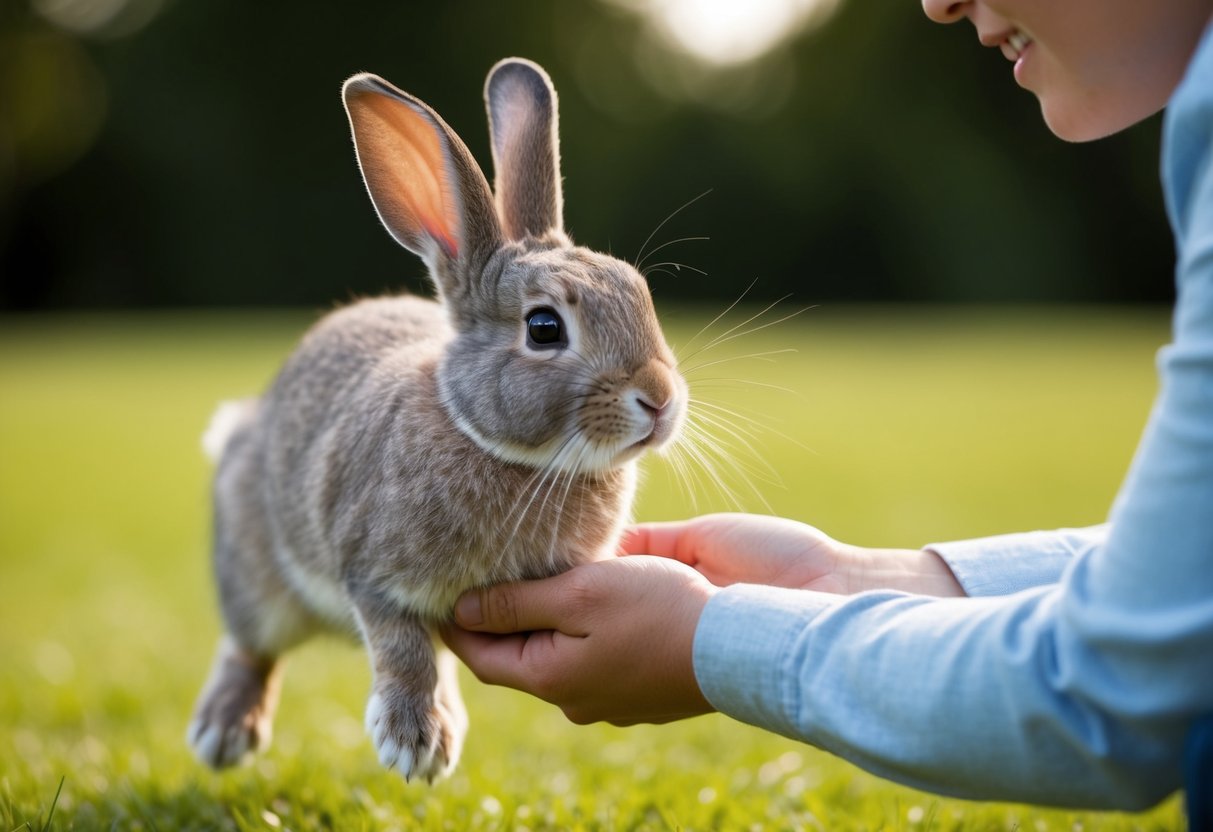
Keeping your rabbit healthy and happy is a vital part of rabbit ownership. Regular check-ups and understanding common health issues help create a loving environment for your furry friend. Here’s how you can ensure their well-being.
Regular Health Check-Ups
Regular health check-ups are essential for your rabbit’s well-being. A veterinarian experienced with rabbits can provide thorough examinations. They will check for any signs of illness and ensure your rabbit is up to date on vaccinations.
It’s recommended to take your rabbit to the vet at least once a year. If you notice any unusual behaviors or signs of discomfort, schedule a visit right away.
During these check-ups, your vet will assess your rabbit’s weight, teeth, fur, and overall behavior. A healthy rabbit usually has bright eyes, a shiny coat, and an active demeanor. Staying proactive about health can prevent many issues down the road.
Understanding and Preventing Common Health Issues
Rabbits can face several health issues that you should be aware of. Their teeth continuously grow, so dental problems are common. Providing appropriate chew toys helps maintain their dental health.
Another issue is obesity, which can lead to serious health problems. Ensure your rabbit has a balanced diet that includes hay and fresh vegetables. Avoid overfeeding pellets or treats.
Parasites, such as fleas and mites, can also affect rabbits. Regularly check their fur and skin for any signs of infestation. Keeping their living area clean and free from pests will also support their health.


