
If you are considering bringing a rabbit into your home, it’s important to weigh the benefits and challenges. Rabbits can be affectionate and entertaining pets, but many first-time owners find that they require more care than expected. Before deciding if a rabbit is a good fit for your living situation, you should understand their needs and personalities.

Rabbits are social creatures that thrive on interaction and attention from their owners. They need plenty of space to roam and play, along with a safe environment. Additionally, they require regular grooming and cleaning of their living area to stay healthy and happy. Paying attention to these factors helps ensure that both you and your rabbit enjoy a rewarding relationship.
If you’re ready to take on the responsibility, raising a rabbit can be a wonderfully fulfilling experience. However, it’s essential to assess your lifestyle and ability to meet their needs before making a commitment.
Understanding Rabbit Behavior

Rabbits are known for their unique personalities and social nature. Understanding how they behave can help you create a better environment for them at home. Their social characteristics and temperament play a big role in their care and interaction with you.
Social Characteristics of Rabbits
Rabbits are highly social animals. They thrive in environments where they can interact, not just with humans, but also with other rabbits. This means you should consider having more than one rabbit if you want to keep them happy.
They communicate through body language and specific behaviors. For example, when a rabbit thumps its hind leg, it’s signaling a warning to others. You might also notice your rabbit doing binkies, which are joyful jumps that show they’re feeling playful.
Rabbits are also gentle creatures that enjoy companionship. Spending time with them daily will strengthen your bond. They often seek attention and can even follow you around the house, showing affection.
Rabbit Temperament and Handling
Each rabbit has its own temperament, which can vary widely among individual pets. Some rabbits are more timid, while others are curious and outgoing. This means your approach to handling them should match their personality.
When you handle your rabbit, gentle and calm movements are key. Always support their body and avoid sudden actions that might frighten them. Encourage positive interactions by offering treats or toys during handling sessions.
Building trust takes time. If your rabbit seems scared, allow them to approach you at their own pace. By respecting their boundaries, you’ll help them feel secure. Remember that patience is essential in developing a good relationship with your rabbit companion.
Rabbit Care Essentials

Caring for a rabbit involves several important aspects to ensure they thrive as indoor pets. You need to focus on their habitat, diet, and grooming needs to keep your rabbit healthy and happy.
Proper Habitat for Indoor Rabbits
Creating a comfortable space for your rabbit is crucial. They need a spacious area to move freely. A multi-level rabbit cage can be a great option, offering rooms to play and rest.
Ensure your rabbit has a designated area for their litter box. Many rabbits are naturally clean and can be easily litter-trained. Use paper-based or natural litter to make cleaning simple.
Rabbits also enjoy safe toys and hideaways. Items like cardboard boxes and chew toys stimulate their minds and keep them entertained.
Nutrition and Diet
A proper diet lays the groundwork for your rabbit’s health. Fresh hay is essential, making up about 80% of their diet. Timothy hay and various grass hays are good choices. You can also add leafy greens and vegetables to their meals.
Pellets can be offered in moderation. Choose high-fiber options with no added sugars. Avoid certain foods like sugary fruits or starchy veggies.
Make sure your rabbit always has access to clean water. Fresh and filtered water is best. This balanced diet will support their digestive system and overall wellness.
Health and Grooming Needs
Regular health care keeps your rabbit in top shape. Routine veterinary check-ups help spot any health problems early. Discuss spaying or neutering with your vet, as this can reduce health risks and unwanted behaviors.
Grooming is important too. Some rabbits enjoy being brushed, while others may resist it. Using a grooming glove can make the process easier.
Check your rabbit’s ears, teeth, and nails regularly. Healthy rabbits are clean animals, so keep their living area tidy to ensure a happy environment.
The Responsibilities of Rabbit Ownership
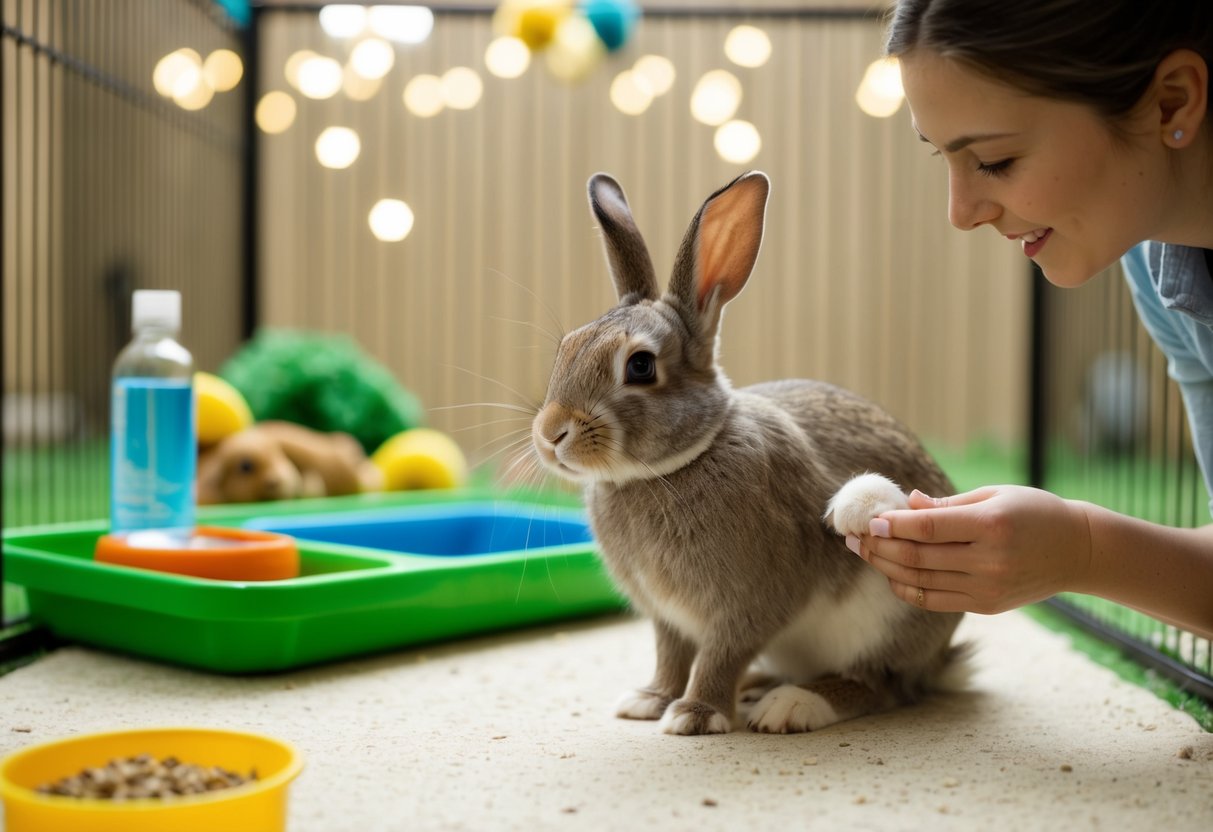
Owning a rabbit is a rewarding experience, but it does come with responsibilities. You need to understand the time, financial, and long-term commitments involved in caring for a pet rabbit.
Time Commitment
Caring for a rabbit requires daily attention. You should spend time playing and bonding with your pet. Rabbits thrive on social interaction and can become lonely or depressed without it. Plan to dedicate at least two to four hours each day for companionship.
You also need to manage their housing and litter needs. Cleaning their living area regularly is important to keep them healthy. This includes changing bedding and ensuring they have fresh food and water at all times.
Financial Implications
Owning a rabbit can be an unexpected financial responsibility. You should budget for regular costs such as food, bedding, and litter. High-quality rabbit pellets and fresh vegetables are essential for their diet.
In addition to daily care, consider veterinary expenses. Routine check-ups and vaccinations are necessary to keep your bunny healthy. If your rabbit gets sick, emergency vet visits can be very costly. It’s wise to set aside extra funds for unexpected health issues to ensure your pet gets the care it needs.
Long-Term Commitment
Rabbits can live 8 to 12 years or more, so you are making a significant long-term commitment. You must be ready for changes in your lifestyle as your rabbit ages. Their needs may change over time, requiring adjustments in care.
Consider your living situation, especially if you move. Not all housing options are pet-friendly, and some landlords have restrictions. Make sure you can provide a stable environment for your rabbit throughout its life. This commitment also includes dealing with any behavioral changes and ensuring your rabbit feels secure at home.
Advantages and Challenges of Rabbit Companions

Having a rabbit as a pet can be a rewarding experience. Here are some advantages to consider:
-
Affectionate Nature: Rabbits are gentle and can form strong bonds with you. They enjoy interaction and can be very loving companions.
-
Variety of Breeds: There are many rabbit breeds to choose from. Each has its unique personality traits, which can fit well with your lifestyle.
-
Low Maintenance: Compared to some pets, rabbits require less daily care. They don’t need walks and can be litter box trained.
However, there are also challenges to keep in mind:
-
Chewing Habits: Rabbits love to chew on things. They may damage furniture, wires, or carpets. You’ll need to bunny-proof your home.
-
Social Needs: Rabbits are social animals. They can become lonely if left alone for too long. It’s often best to have at least two rabbits or spend plenty of time with them.
-
Time Commitment: You will need to spend daily time with your rabbit. They require at least 2-4 hours of play in a safe area to stay happy.
-
Adoption Considerations: If you’re considering a rabbit, think about rescues. Many bunnies need loving homes and will bring joy to your life.


