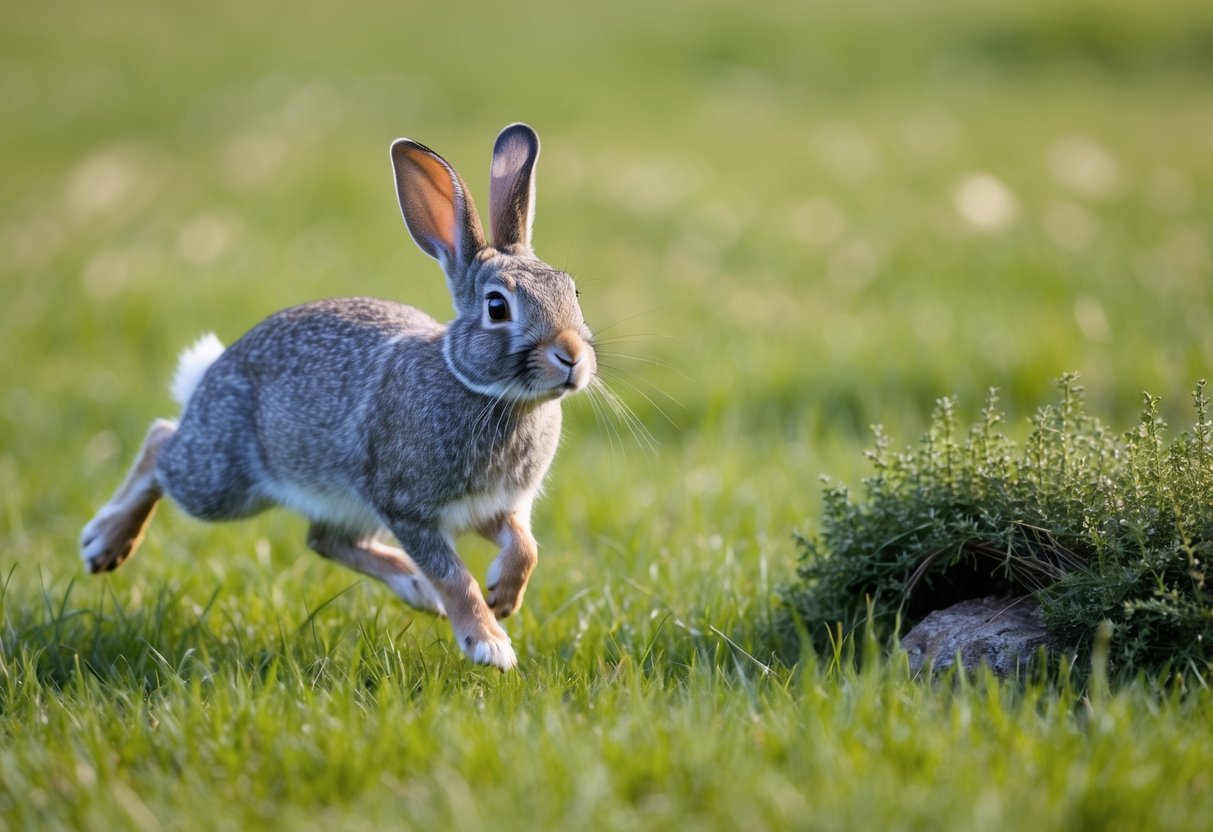
If you’ve ever wondered how old your furry friend is in rabbit years, you’re not alone. Many pet owners want to understand their rabbit’s aging process better, especially when it comes to caring for them. A rabbit that is 10 years old is roughly equivalent to 80 human years.
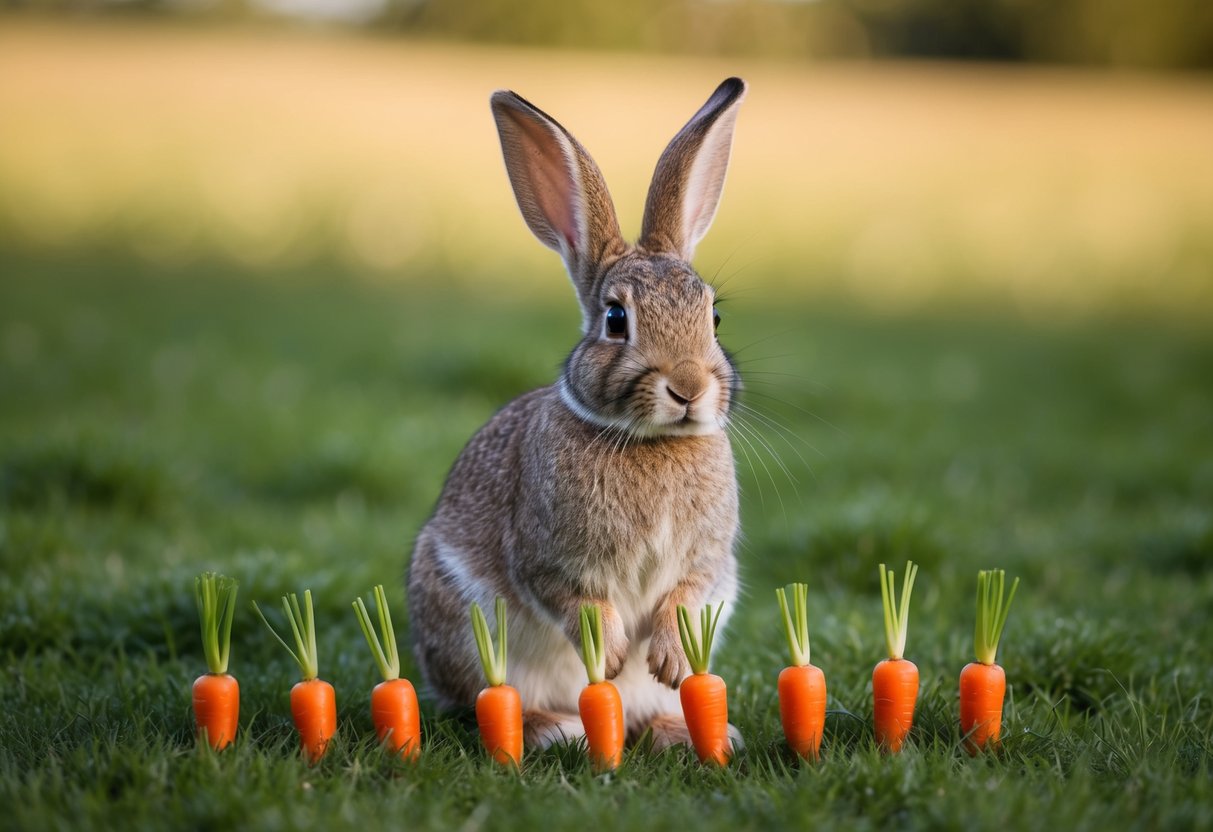
This conversion can help you gauge your rabbit’s health and lifestyle needs. Just like with humans, older rabbits may require special care, different diets, and more regular vet visits.
Learning how to interpret your rabbit’s age can make a big difference in ensuring they live a happy, healthy life.
As you read along, you’ll discover more about how rabbit ages translate into human years and what that means for your pet’s care. Understanding this can enhance your bond with your bunny and keep them thriving for years to come.
Understanding Rabbit Years
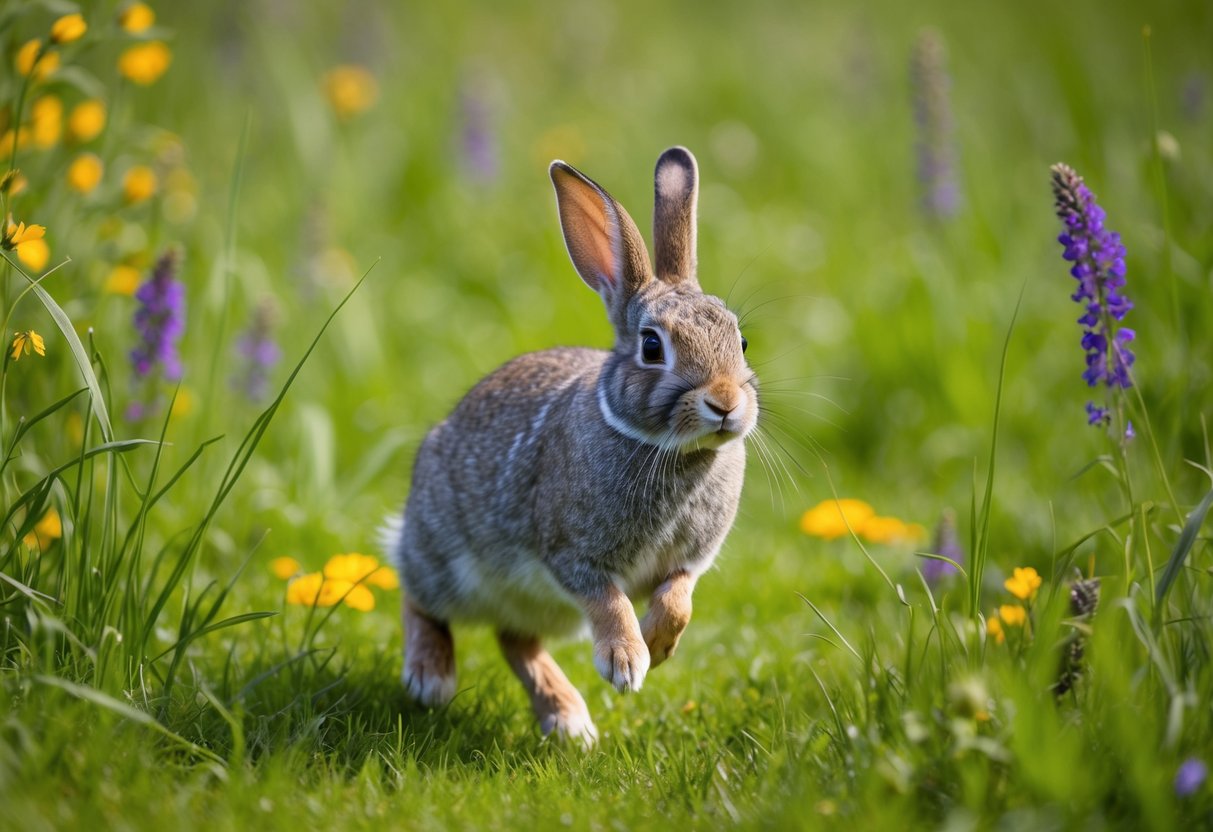
Rabbits age differently than humans, so it’s helpful to know how to interpret rabbit years. Understanding rabbit years can give you insight into your pet’s age and how it compares to human years.
What Are Rabbit Years?
Rabbit years refer to the way we measure a rabbit’s age in comparison to human years. This is useful because rabbits mature quickly. The first year of a rabbit’s life is roughly equivalent to about 10 to 20 human years.
After that, each additional rabbit year adds about 3 to 6 human years. For example, a 2-year-old rabbit is around 20 to 28 in human terms. This system helps you understand the life stages of your rabbit, from youthful energy to older age.
Comparing Rabbit Years and Human Years
When you compare rabbit years to human years, it’s important to recognize key milestones.
- 0-4 months: Equivalent to a human child around 0-12 years.
- 1 year: About 20 human years, marking adulthood.
- 2 years: Now, your rabbit is 20 to 28 in human years.
- 5 years and older: Rabbits are considered seniors at this stage, similar to humans in their 50s to 70s.
This chart can help you track your rabbit’s age more accurately:
| Rabbit Age | Human Age Equivalent |
|---|---|
| 1 year | 20 years |
| 2 years | 28 years |
| 5 years | 50-60 years |
| 10 years | 70-80 years |
Knowing this can help you provide better care and understand your rabbit’s health needs.
Rabbit Lifespan and Health
When you care for a rabbit, knowing about their lifespan and health is important. Domestic rabbits can live long, happy lives with proper care. Understanding their life expectancy and health needs can help you provide the best environment for your furry friend.
Average Life Expectancy of Rabbits
The average lifespan of domestic rabbits is around 8 to 12 years, though some can live up to 15 years with good care. Factors like diet, living conditions, and genetics can influence their lifespan.
On average, a one-year-old rabbit is roughly equivalent to an 18-year-old human. By the time a rabbit reaches 10 years, you can think of it as being around 60 in human years. Keeping your rabbit healthy can help them live a longer life.
Factors Affecting Rabbit Longevity
Several factors can impact how long your rabbit lives. Here are some key aspects to keep in mind:
- Diet: Providing a balanced diet rich in hay, fresh vegetables, and limited pellets keeps them healthy.
- Housing: A safe, clean, and spacious environment promotes good health.
- Social Interaction: Rabbits are social animals; bonding with you or other rabbits can reduce stress.
- Genetics: Different breeds may have varying lifespans; some breeds are prone to health issues.
Maintaining a positive environment can greatly influence your rabbit’s longevity.
Veterinary Care for Rabbits
Regular veterinary care is essential for your rabbit’s health. Finding a veterinarian experienced with rabbits is crucial. Here are some key areas to focus on:
- Annual Check-ups: Just like humans, rabbits benefit from yearly visits for vaccinations and health checks.
- Dental Care: Rabbits’ teeth continuously grow, making dental care vital. Your vet can advise on proper care techniques.
- Spaying/Neutering: These procedures can prevent health issues and unwanted behaviors.
- Spotting Health Issues: Being observant can help catch problems early. Look for signs like changes in appetite or behavior.
Taking your rabbit for regular check-ups keeps them happy and healthy throughout their life.
Rabbit Development and Aging
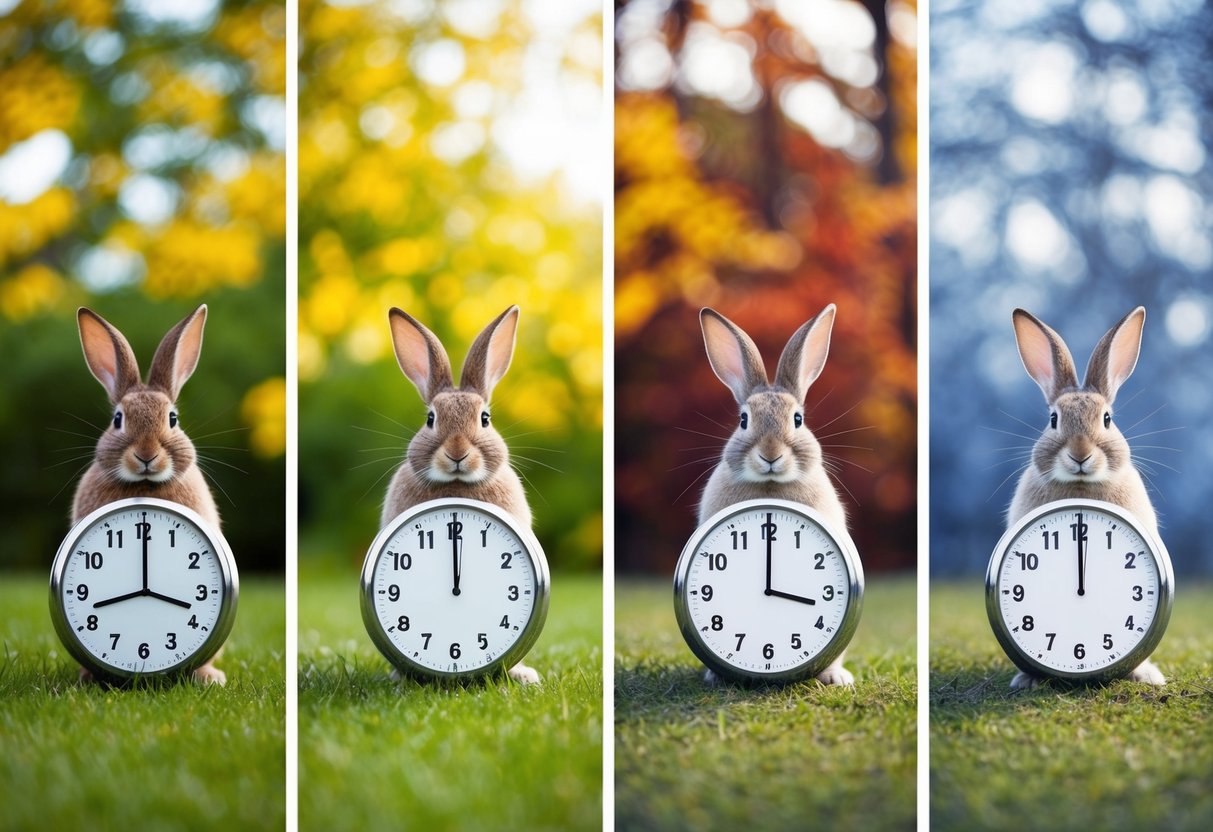
Rabbits go through several stages of development as they age. Understanding these stages helps you care for your pet rabbit better. Knowing when they reach sexual maturity is also important for responsible pet ownership.
Stages of Rabbit Development
Rabbits grow quickly and can be categorized into several stages:
- Infancy (0-4 months): In this stage, rabbits develop from helpless babies to playful youngsters. They rely on their mother’s milk until about 8 weeks.
- Teens (4-6 months): Your rabbit will start showing more independence and curiosity. This is a playful and energetic time.
- Young Adult (6 months – 1 year): By this stage, rabbits become more social and continue to grow physically. Most breeds reach their full size around 1 year.
- Adulthood (1-5 years): This is the prime age for rabbits, as they are fully mature and can be very active.
- Senior (5+ years): Rabbits become less active and may need special care as they age.
Knowing these stages can help you understand your pet’s behavior better.
Sexual Maturity in Rabbits
Rabbits reach sexual maturity at different ages, depending on their breed:
- Smaller Breeds: Often mature around 3-5 months.
- Larger Breeds: Typically reach maturity later, around 6-12 months.
At sexual maturity, both male and female rabbits exhibit behaviors like marking territory and, in females, the possibility of pregnancy. If you have both male and female rabbits, consider spaying or neutering to prevent unwanted litters and reduce certain behaviors.
Understanding sexual maturity helps you manage your rabbits’ social interactions and health needs effectively. Taking the right steps at this stage ensures a healthy and happy life for your furry companions.
Resources for Rabbit Owners

As a rabbit owner, having the right tools can help you understand your pet’s age and care requirements better. Utilizing calculators and reliable resources can ease the process of managing your rabbit’s health and wellbeing.
Age Conversion Calculator for Rabbits
A age conversion calculator is a handy tool for pet owners. It helps you translate rabbit years into human years. This information can give you insight into your rabbit’s life stage.
For instance, a 1-year-old rabbit can be compared to a 10-year-old human. Here are some key points to keep in mind:
- Young Rabbits: Less than 2 years old are considered young and will reach adulthood quickly.
- Middle-Aged Rabbits: They are typically between 3 to 5 years old, and they start slowing down.
- Senior Rabbits: Rabbits that are over 5 years old may need special care and attention.
Using an online calculator can provide accurate estimates. You can find several options, like those at Rabbit Years to Human Years Calculator. It is essential to monitor your rabbit’s health along with their age for proper care.


